For decades, campers relied on simplicity: a tent, a fire, and minimal gear. But as outdoor lifestyles evolve, so do expectations. Modern adventurers bring smartphones, drones, cameras, CPAP machines, and even mini-fridges into the wild. That shift has sparked a growing debate: are portable power stations a game-changing tool for off-grid comfort, or just expensive overkill?
The answer isn’t binary. Portable power stations—also known as solar generators—have advanced dramatically in recent years. With lithium-ion batteries, pure sine wave inverters, and fast-charging capabilities, they now offer clean, silent energy where traditional gas generators once ruled. But reliability, value, and practicality depend heavily on how you camp, what you power, and your trip duration.
This guide cuts through marketing hype to assess whether these devices deliver real utility in the backcountry—or if they're better left at home.
Understanding Portable Power Stations: What They Are and How They Work
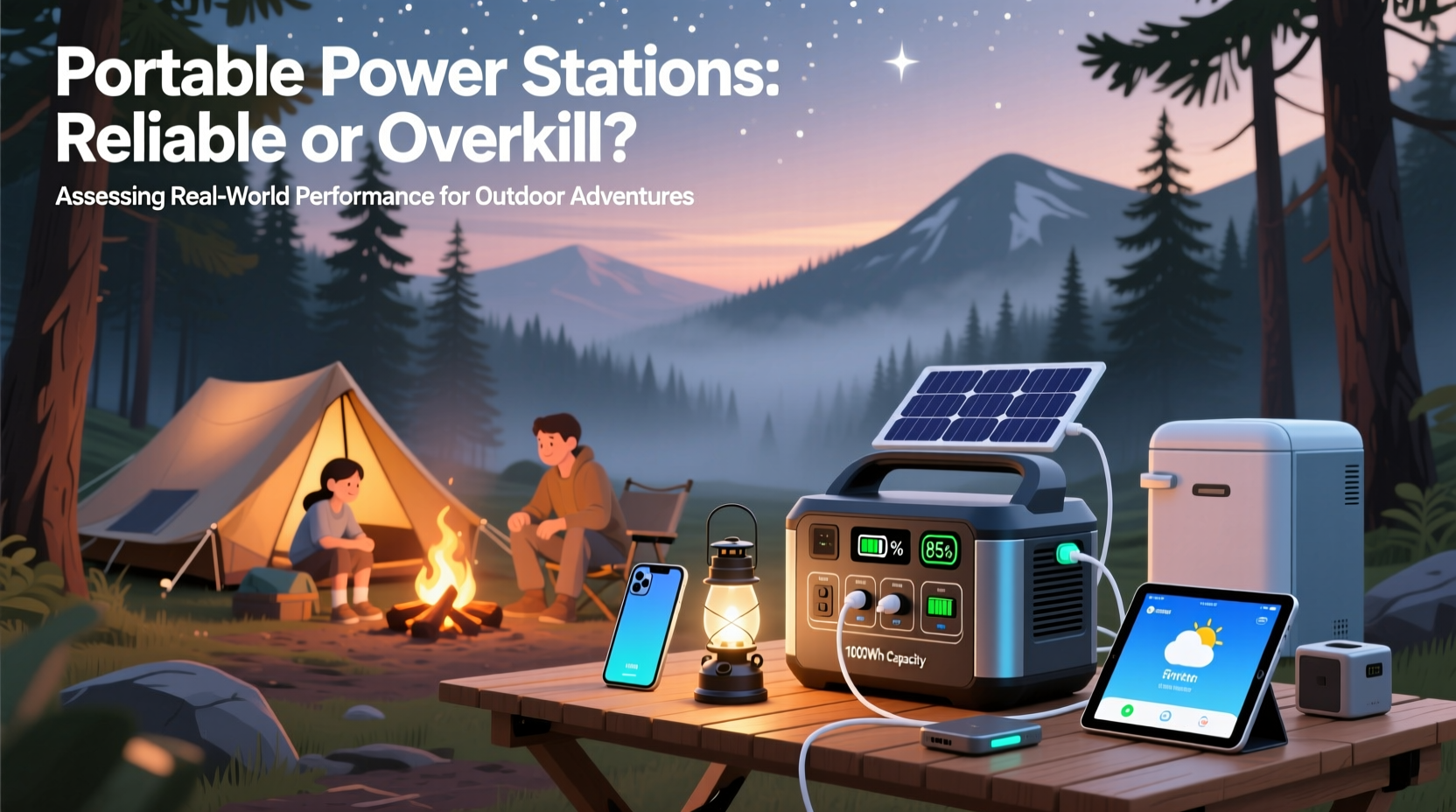
A portable power station is a self-contained battery system designed to store and deliver electricity. Unlike gas-powered generators, they run silently, emit no fumes, and require no fuel. Most include AC outlets, USB ports, 12V carports, and sometimes even wireless charging pads. Many models can be recharged via wall outlet, car charger, or solar panels—making them ideal for remote locations.
At their core, they consist of three components:
- Battery pack – Typically lithium iron phosphate (LiFePO4) or NMC lithium-ion, offering high energy density and long cycle life.
- Inverter – Converts stored DC power into usable AC power for household devices.
- Charge controller – Manages input from solar panels or wall chargers to prevent overcharging.
Capacity is measured in watt-hours (Wh), indicating how much energy the unit holds. A 500Wh station can theoretically power a 50-watt device for 10 hours. However, real-world efficiency losses and device startup surges mean actual runtime is often 10–20% less.
Tip: Look for LiFePO4 batteries—they last longer (3,000+ cycles vs. 500–1,000 for standard lithium) and are safer in extreme temperatures.When Portable Power Stations Shine: Real-World Use Cases
Not all camping styles benefit equally from a portable power station. For minimalist backpackers, carrying a 20-pound unit makes little sense. But for family car campers, van lifers, or digital nomads working remotely from nature, these devices unlock new possibilities.
Here’s where they prove most reliable:
- Running essential medical devices – Travelers with CPAP machines, insulin coolers, or oxygen concentrators rely on consistent power. A 300–500Wh station easily handles a CPAP for 3–7 nights, depending on usage.
- Keeping communication alive – Charging phones, radios, GPS units, and satellite messengers ensures safety during extended trips. Solar rechargeability means indefinite operation under good sun.
- Powering small appliances – Electric kettles, coffee makers, blenders, and mini-fridges enhance comfort without noise or fumes.
- Supporting photography and content creation – Drones, cameras, lights, and laptops drain quickly. A single charge session from a 1000Wh station can power a full day’s shoot.
- Emergency backup – During storms or unexpected delays, having a charged power station provides peace of mind.
“For remote workers and medical users, portable power isn’t a luxury—it’s infrastructure.” — Dr. Lena Torres, Outdoor Medicine Specialist
Overkill or Underprepared? Matching Capacity to Your Needs
The biggest mistake campers make is buying based on specs alone. A 2000Wh unit sounds impressive, but it weighs 60 pounds and takes 10+ hours to recharge. Is that practical for a weekend trip?
Use this step-by-step process to determine your ideal capacity:
- List all devices you plan to power.
- Note each device’s wattage (check labels or manuals).
- Estimate daily usage time per device.
- Multiply watts × hours to get total daily watt-hours needed.
- Add 20% buffer for inefficiency and cold weather performance loss.
For example:
| Device | Wattage | Hours/Day | Daily Wh |
|---|---|---|---|
| Phone Charger | 10W | 2 hrs | 20Wh |
| LED Lantern | 5W | 6 hrs | 30Wh |
| CPAP Machine | 50W | 8 hrs | 400Wh |
| Laptop | 60W | 3 hrs | 180Wh |
| Total | 630Wh/day |
With a 20% buffer, you’d need at least 756Wh per day. A 1000Wh station would cover one full day; a 1500Wh unit could stretch to two days with conservative use or partial solar recharging.
Choosing the Right Size: A Practical Guide
Match your power station size to your camping style:
- Backpacking / Solo Trips: 100–300Wh. Enough for phones, headlamps, and small gadgets. Lightweight (under 7 lbs).
- Weekend Car Camping: 300–600Wh. Powers lights, speakers, CPAP, and charges multiple devices.
- Family Camping / RV Support: 800–1500Wh. Runs fridges, blenders, projectors, and keeps everyone’s gear charged.
- Off-Grid Living / Extended Stays: 1500Wh+. Often paired with solar arrays for continuous off-grid power.
Reliability Factors: What Makes a Station Trustworthy Off the Grid
Not all portable power stations perform equally in rugged conditions. Reliability hinges on more than just capacity. Consider these critical factors:
Battery Chemistry and Lifespan
LiFePO4 (Lithium Iron Phosphate) batteries outperform standard lithium-ion in durability and thermal stability. They tolerate wider temperature ranges (-4°F to 140°F), resist degradation, and last up to 10 years or 3,000+ charge cycles. While more expensive upfront, they offer better long-term value.
Recharge Flexibility
The best units support multiple recharge methods:
- AC wall charging (fastest, 3–6 hours)
- 12V car charging (slower, useful en route)
- Solar input (essential for off-grid trips)
Output Quality and Surge Handling
Pure sine wave inverters ensure clean power delivery, protecting sensitive electronics like laptops and medical devices. Modified sine wave inverters may cause interference or damage over time. Also, check surge ratings—some devices (like refrigerators) require 2–3x their running wattage at startup.
Ruggedness and Weather Resistance
While few stations are waterproof, some feature sealed vents, rubberized coatings, and dust resistance. Avoid placing units directly on wet ground or exposing them to heavy rain.
Brand Reputation and Warranty
Stick with reputable brands like Jackery, EcoFlow, Bluetti, and Anker. These companies offer 2–5 year warranties and responsive customer service. Avoid no-name brands with inflated specs and poor support.
“We tested five brands in sub-zero conditions. Only LiFePO4 models maintained over 80% output. The others dropped below 50%.” — Ryan Cho, GearLab Field Tester
Mini Case Study: Family Camping Trip in the Rockies
The Hendersons planned a week-long family trip to Rocky Mountain National Park. With two kids, a CPAP user, and a passion for capturing memories, they needed reliable power but didn’t want the noise of a gas generator.
They chose a 1000Wh LiFePO4 station with 200W solar input. Their daily load included:
- CPAP machine (50W × 8 hrs = 400Wh)
- Two phones (10W × 2 × 2 hrs = 40Wh)
- Tablet for kids (15W × 3 hrs = 45Wh)
- LED lantern (5W × 6 hrs = 30Wh)
- Cooler (50W average × 8 hrs = 400Wh, cycling on/off)
They used the station at night and recharged it during daylight with two 100W solar panels. Cloudy days reduced input, but by prioritizing CPAP and cooling meds, they managed three full days before needing a car charge. The system proved quiet, safe around children, and eliminated nightly anxiety about dead batteries.
Was it overkill? For a minimalist, yes. For this family, it was essential infrastructure.
Frequently Asked Questions
Can I leave a portable power station outside overnight?
It’s not recommended. While many are built for outdoor use, prolonged exposure to moisture, dust, and temperature swings reduces lifespan. Store it in a dry tent, vehicle, or protective case.
Do I really need solar panels, or can I just recharge at home?
If you’re car camping for weekends and can recharge between trips, solar isn’t mandatory. But for multi-day trips without grid access, solar panels turn a single-charge device into a sustainable power source. Pairing a 500Wh station with 200W of solar allows near-daily replenishment in sunny conditions.
Are portable power stations safe to use in tents?
Yes—unlike gas generators, they produce no carbon monoxide and generate minimal heat. Just ensure ventilation and avoid covering the unit, which can block cooling vents.
Checklist: Choosing the Right Power Station for Camping
Before purchasing, ask yourself:
- ✅ What devices do I need to power, and for how long?
- ✅ Do I need solar recharging capability?
- ✅ Is weight and portability a concern?
- ✅ Should I prioritize LiFePO4 for longevity?
- ✅ Does it have pure sine wave output for sensitive electronics?
- ✅ Can it handle surge loads (e.g., fridge startup)?
- ✅ What is the warranty and customer support like?
- ✅ Am I willing to manage solar setup, or do I prefer plug-and-play?
Final Verdict: Reliable Tool or Overpriced Gadget?
Portable power stations aren’t universally necessary—but for many modern campers, they’re indispensable. Calling them “overkill” overlooks the real needs of today’s outdoor enthusiasts: staying connected, staying healthy, and staying comfortable without sacrificing the serenity of nature.
Their reliability depends on proper selection. A well-matched unit—based on your actual power needs, trip length, and recharging options—delivers consistent, silent, and clean energy. It eliminates the hassle of dead batteries, noisy generators, and logistical stress.
However, if you’re a minimalist hiker who only needs to charge a headlamp and phone, a small power bank remains the smarter choice. No sense lugging 30 pounds of battery for 50Wh of usage.
The key is intentionality. Assess your true energy demands. Don’t buy a tank because it looks cool. Buy a tool that solves a real problem.
💬 Ready to power your next adventure? Evaluate your gear list, calculate your watt-hour needs, and choose a station that matches your lifestyle—not someone else’s Instagram highlight reel.








