
Camping has evolved. What once required only a tent, sleeping bag, and campfire now often includes smartphones, GPS devices, drones, and even portable fridges. As outdoor adventures become more tech-dependent, the question arises: Are portable power stations truly reliable for camping, or are they an unnecessary luxury that adds bulk without real benefit?
The answer isn’t simple. For some campers, these compact battery packs are indispensable. For others, they’re dead weight. The truth lies in how you camp, what gear you use, and what kind of experience you want. Let’s break down the practicality, reliability, and real-world value of portable power stations in the wild.
Understanding Portable Power Stations
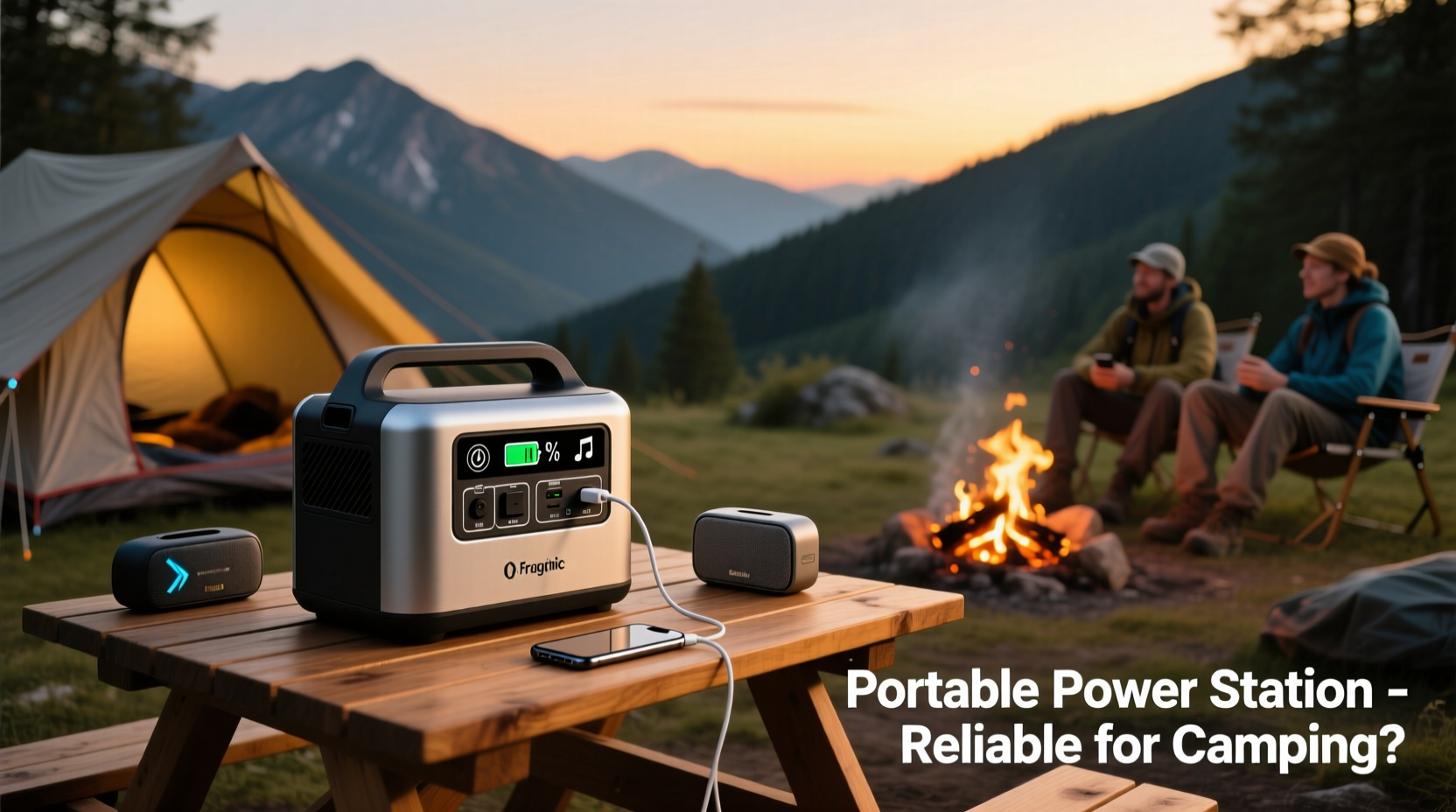
A portable power station is essentially a large-capacity rechargeable battery with multiple output options—AC outlets, USB ports, DC carports, and sometimes even wireless charging. Unlike gas generators, they operate silently, emit no fumes, and require minimal maintenance. Most models range from 200Wh to over 2000Wh in capacity, capable of charging everything from phones to mini-fridges.
They’re designed for off-grid energy needs, making them appealing to campers who rely on electronics. But their usefulness depends on context. A weekend backpacker may find one excessive, while a family camper running lights, a fan, and a coffee maker might consider it essential.
Key Components and How They Work
- Battery Cell (Usually LiFePO4 or NMC): Determines lifespan, safety, and efficiency. LiFePO4 batteries last longer and run cooler but are heavier.
- Inverter: Converts stored DC power to AC for standard appliances.
- Ports: Multiple output types allow simultaneous charging of various devices.
- Recharging Options: Can be recharged via wall outlet, car charger, or solar panels—critical for extended trips.
Their plug-and-play design makes them user-friendly. No fuel mixing, no pull cords, no noise. Just charge, pack, and use.
Tip: Always check the continuous wattage rating—not just capacity—when matching devices. A 150W device won’t run on a 100W-rated station, even if the battery is large.When Portable Power Stations Shine in the Wild
Not all camping scenarios are equal. In certain situations, a portable power station transforms from luxury to lifeline.
Family Car Camping
For families setting up basecamp near their vehicle, power stations eliminate the need for extension cords or noisy generators. Imagine powering LED string lights, charging kids’ tablets, running a small fridge for perishables, and brewing morning coffee—all without disturbing nearby campers.
One Michigan-based family tested a 1000Wh unit during a week-long lakeside trip. They powered a 50W mini-fridge continuously, charged phones nightly, ran a 30W fan during hot evenings, and used a 800W electric kettle briefly each morning. With daily solar recharging (200W panel), the unit lasted the entire trip.
“We didn’t miss shore power at all. It made the kids more comfortable, kept food fresh, and let us make real coffee. It paid for itself in reduced stress.” — Mark T., Outdoor Enthusiast & Father of Two
Overlanding and Van Life
Overlanders often integrate power stations into their rigs as backup or primary systems. These users appreciate silent operation and compatibility with solar setups. Units like the Jackery 1500 or EcoFlow Delta 2 are common in adventure vans, supporting fridges, CPAP machines, and laptops.
Emergency Preparedness
Many campers carry power stations not just for convenience, but safety. In remote areas, the ability to charge a satellite communicator, GPS, or medical device can be critical. Search and rescue teams increasingly recommend carrying backup power for emergency signaling.
When They’re Overkill: Scenarios to Consider
Despite their benefits, portable power stations aren’t universally useful. For many traditionalists and minimalist campers, they represent an over-engineered solution to a non-existent problem.
Backpacking and Ultralight Trips
Weight is king in backpacking. Even compact models (5–10 lbs) are heavy when every ounce counts. A hiker covering 10 miles a day doesn’t need a power station when a solar charger or extra battery pack suffices for phone and headlamp.
Short Weekend Trips
If your electronics usage is limited to charging a phone once and maybe a headlamp, a high-capacity power station is overkill. A $30 power bank handles this more efficiently and takes up less space.
Solar Recharge Limitations
While solar charging is possible, it’s inconsistent. Cloudy days, poor angles, and low-light conditions reduce efficiency. A 200W solar panel may take 6–8 hours to fully recharge a 1000Wh station under ideal sun. In reality, it often takes two days.
“Solar works, but don’t assume you can ‘top it off’ quickly. Plan for partial recharges and prioritize essential devices.” — Dr. Lena Patel, Renewable Energy Researcher at Colorado State University
Reliability: Real-World Performance vs. Marketing Hype
Manufacturers often advertise “enough power to run a home appliance” or “charges your phone 50 times.” While technically true, these claims rarely reflect real-world usage.
Let’s demystify capacity. A 500Wh station doesn’t mean you get 500 watts continuously. Converters, inverters, and battery degradation reduce usable output. Plus, high-wattage devices drain power fast. A 1000W microwave will deplete a 500Wh station in under 30 minutes (factoring inefficiency).
Do’s and Don’ts of Using Power Stations While Camping
| Do | Don't |
|---|---|
| Use energy-efficient devices (LED lights, USB fans) | Run high-wattage appliances like hair dryers or heaters |
| Pre-charge fully before leaving home | Assume solar will fully recharge it in one day |
| Monitor remaining capacity via app or display | Leave it in direct sunlight or extreme cold |
| Pair with foldable solar panels for multi-day trips | Store it fully drained; keep at 30–80% for longevity |
Reliability also hinges on build quality. Lower-cost units may overheat, shut down unexpectedly, or degrade faster. Premium brands like EcoFlow, Anker, and Goal Zero invest in thermal management and durable components, which translates to consistent field performance.
Tip: Always test your setup at home first. Run your intended devices together to see actual draw and runtime.Step-by-Step Guide: Choosing and Using a Power Station for Camping
Follow this sequence to determine if a portable power station suits your needs—and how to use it effectively.
- Inventory Your Devices: List all electronics you plan to power. Note their wattage (found on labels or manuals).
- Estimate Daily Usage: Multiply wattage by hours used. Example: Phone charger (10W) × 2 hours = 20Wh. Add totals for all devices.
- Select Capacity: Choose a station with 1.5x your total daily need. If you use 300Wh/day, pick at least a 450Wh unit.
- Check Output Limits: Ensure the station can handle the highest-wattage device you’ll use (e.g., a blender at 600W).
- Plan Recharging: Will you return to a car or campground? Or rely on solar? Adjust capacity accordingly.
- Pack Smart: Protect the unit from moisture and impact. Use a padded case if needed.
- Monitor in the Field: Turn off unused ports, avoid full discharges, and recharge early.
Mini Case Study: The Boundary Waters Test
Two friends embarked on a 5-day canoe trip in Minnesota’s Boundary Waters—a wilderness area with no electricity and strict Leave No Trace rules. One brought a 720Wh power station and 200W solar panel; the other relied on battery packs.
The power station user powered a drone (for aerial photos), charged a satellite messenger twice, ran a 5W LED lantern nightly, and topped off both phones daily. The solar panel provided ~40% recharge per sunny day. He never fully replenished the battery but managed essential uses.
The other camper ran out of juice on day three after using his phone for navigation and photos. He had to conserve power and missed capturing key moments.
Verdict? For photographers, navigators, or those relying on communication tools, the power station was justified. For casual paddlers, it was likely excess—but it enhanced safety and experience.
FAQ: Common Questions About Camping with Power Stations
Can I leave a portable power station outside overnight?
Not recommended. While many are weather-resistant, they are not waterproof. Condensation, rain, or temperature swings can damage circuits. Store inside a tent or dry bag.
How long do these units last?
Most last 500–2000 charge cycles depending on chemistry. LiFePO4 batteries (common in premium models) endure 2000+ cycles and retain 80% capacity after 10 years with proper care.
Are they safe to use in tents?
Yes, unlike gas generators, they produce no carbon monoxide. However, ensure ventilation and avoid covering the unit, which can cause overheating. Keep away from flammable materials.
Final Verdict: Reliable Tool or Unnecessary Gadget?
Portable power stations are neither universally essential nor inherently overkill. Their value depends entirely on your camping style and technological needs.
For car campers, overlanders, families, photographers, or anyone dependent on electronic safety gear, they offer unmatched convenience and peace of mind. They’re quiet, clean, and increasingly efficient—especially when paired with solar.
But for backpackers, minimalist hikers, or those seeking a digital detox, they add weight and complexity without meaningful benefit. In these cases, simpler solutions—like high-capacity power banks or hand-crank chargers—are more appropriate.
The key is intentionality. Ask: *What do I actually need to power, and why?* If the answer involves comfort, safety, or work, a power station may be a smart investment. If you’re chasing convenience for its own sake, you might be over-equipping.
Conclusion
Portable power stations have earned their place in modern camping—but only where they serve a clear purpose. They’re reliable when matched to realistic expectations and properly maintained. They fail when treated as magic boxes that defy physics or replace thoughtful planning.
If you decide to bring one, choose wisely, test it beforehand, and respect its limits. And if you leave it behind, do so with confidence that you’ve optimized your trip for simplicity and authenticity.
🚀 Ready to power your next adventure? Assess your gear, calculate your needs, and decide whether a portable power station enhances—or hinders—your connection to the outdoors. Share your experience in the comments below.








