For collectors, preserving the condition of baseball cards is not just about nostalgia—it's about protecting value. As the hobby grows more competitive and high-grade cards fetch premium prices, storage choices matter more than ever. One frequent debate among enthusiasts: are NXY card bags truly worth their higher price compared to generic alternatives? The answer depends on your goals, collection size, and how seriously you treat preservation.
NXY has built a reputation in the trading card community for producing archival-safe, durable, and consistently manufactured products. But with generic polypropylene or polyethylene bags available at a fraction of the cost, many collectors wonder if they're simply paying for a brand name. Let’s examine material quality, protective performance, real-world longevity, and collector feedback to determine whether NXY bags justify the investment.
Material Quality and Archival Safety
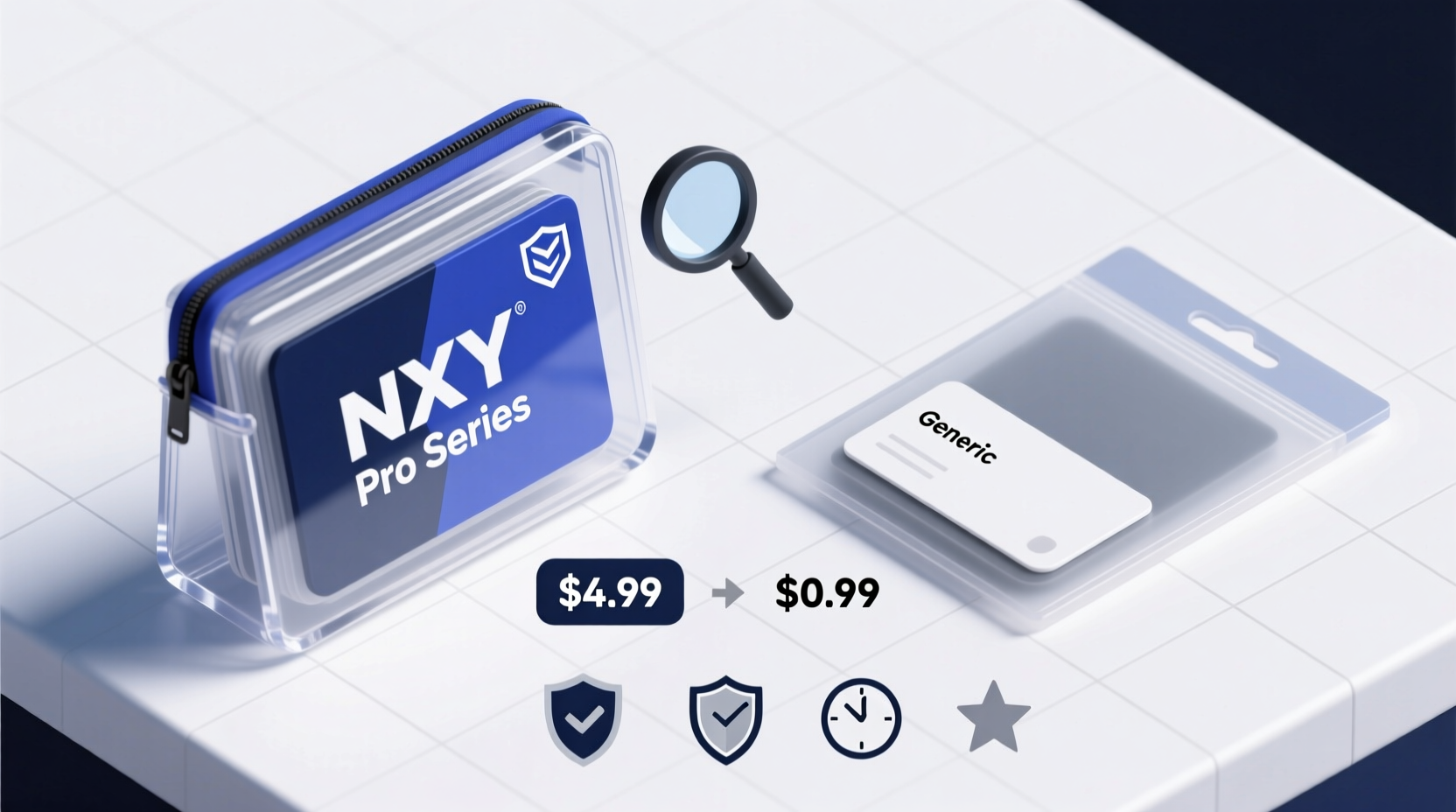
The foundation of any good card bag lies in its material. Generic bags often use low-cost polyethylene or polypropylene that may contain chemical additives like plasticizers or slip agents—substances designed to make manufacturing easier but potentially harmful over time. These can leach into card surfaces, causing yellowing, stickiness, or surface degradation, especially under heat or humidity.
In contrast, NXY bags are marketed as acid-free, PVC-free, and archival-safe. They use inert polypropylene that does not off-gas or react with card surfaces. This is critical for long-term storage, particularly for vintage or high-value cards where even minor surface changes can affect grading outcomes.
“Using non-archival materials is one of the most common mistakes new collectors make. It might seem fine today, but in five years, you could see hazing or residue.” — David Tran, Professional Card Grader (PSA Certified)Tip: Always check product specifications for “PVC-free” and “acid-free” labels. If it’s not stated, assume it’s not safe for long-term storage.
Protection Against Environmental Damage
Baseball cards face multiple threats: UV light, moisture, dust, bending, and temperature fluctuations. While no soft sleeve offers complete protection, higher-quality materials provide better resistance.
NXY bags feature a tighter molecular structure, offering superior resistance to moisture vapor transmission. In humid climates, this means less risk of mold or warping. Their consistent thickness (typically 3.5–4 mil) also provides better rigidity than thinner generic bags (often 2–2.5 mil), reducing the chance of creasing during handling.
Additionally, NXY uses a precision-sealed edge that minimizes gaps where contaminants could enter. Generic bags, especially budget bulk packs, often have uneven seals or micro-perforations from mass production processes, compromising their barrier function.
Real-World Example: A Collector’s Experience
Mark R., a vintage T206 collector from Ohio, stored two identical 1952 Topps Mickey Mantle commons—one in a generic $0.03 bag, the other in an NXY sleeve—for three years in the same storage box. After retrieval, the card in the generic bag showed slight surface hazing along the top edge and a faint odor. The NXY-protected card remained pristine. Mark later submitted both for grading; only the NXY-protected card received a “Gem Mint” assessment. He now exclusively uses archival sleeves for all cards valued over $50.
Comparison: NXY vs. Generic Card Bags
| Feature | NXY Bags | Generic Bags |
|---|---|---|
| Material | PVC-free, acid-free polypropylene | Unknown blend, often contains PVC or additives |
| Thickness | 3.5–4 mil (consistent) | 2–2.5 mil (variable) |
| Seal Quality | Precision heat-sealed edges | Inconsistent sealing, potential micro-gaps |
| Moisture Resistance | High (low vapor transmission) | Moderate to low |
| UV Protection | Limited, but stable material resists yellowing | May yellow or degrade under light exposure |
| Price per Unit (bulk) | $0.12–$0.18 | $0.02–$0.05 |
| Long-Term Safety | Archival recommended | Not recommended for valuable cards |
When Generic Bags Might Suffice
Not every card in your collection demands museum-level protection. For low-value commons, practice cards, or short-term trading use, generic bags can be a cost-effective solution. If you’re flipping low-grade modern inserts or organizing draft cards, spending 6x more per sleeve isn’t practical.
The key is segmentation: use generic sleeves for temporary or disposable purposes, and reserve archival-grade bags like NXY for anything you intend to keep, protect, or potentially sell in high grade.
Tip: Label your storage boxes to distinguish between “archival” and “temporary use” cards. This prevents accidental long-term storage in subpar materials.Step-by-Step Guide to Optimizing Your Card Storage Strategy
- Assess card value: Separate your collection into tiers—high value ($50+), moderate ($10–$50), and low (<$10).
- Select appropriate sleeves: Use NXY or equivalent archival sleeves for high- and moderate-value cards. Reserve generics for low-tier or trade-bound cards.
- Double-sleeve premium cards: For ultra-high-value cards, combine an NXY inner sleeve with a rigid top-loader for added structural support.
- Store in a controlled environment: Keep all cards in a cool, dry, dark place—ideally between 60–70°F and 30–50% humidity.
- Audit annually: Remove cards from sleeves once a year to inspect for any signs of sticking, discoloration, or odor.
Collector Checklist: Choosing the Right Sleeve
- ✅ Confirm the bag is labeled “PVC-free” and “acid-free���
- ✅ Check thickness—aim for at least 3 mil for long-term use
- ✅ Avoid opaque or cloudy bags; clarity indicates purity of material
- ✅ Buy from reputable suppliers (e.g., MakeBox, CardSaver, SCG Supplies)
- ✅ Store sleeved cards upright in flip pages or boxes to prevent pressure marks
Frequently Asked Questions
Can I reuse NXY bags?
While NXY bags are durable, reusing them increases the risk of micro-scratches from previous card edges. For high-grade submissions, always use a fresh sleeve. Reuse is acceptable for personal display or lower-value cards.
Do NXY bags prevent grading company rejections?
They significantly reduce the risk. Grading services like PSA and BGS reject submissions with visible residue, cloudiness, or sticking—all issues commonly caused by poor-quality sleeves. Using archival-safe bags like NXY improves submission success rates.
Are there alternatives to NXY that offer similar protection?
Yes. Brands like BCW, Ultra Pro (archival line), and Card Saver II also produce high-quality, archival-safe sleeves. NXY stands out for consistent manufacturing and clarity, but comparable options exist. Always verify material specs before purchasing.
Final Verdict: Is the Premium Justified?
For collectors focused on preservation, resale value, or eventual grading, NXY card bags are worth the extra cost. The incremental expense—often just a few cents per card—acts as insurance against degradation that could cost hundreds in lost value. When protecting a $200 rookie card, spending $0.15 on a sleeve that ensures surface integrity is not overspending—it’s prudent stewardship.
However, blanket use of NXY sleeves across an entire collection, including low-value items, is unnecessary and inefficient. Strategic allocation based on card importance maximizes both protection and budget.
“The best storage system isn’t the cheapest or the most expensive—it’s the one that matches your cards’ value with appropriate protection.” — Lena Patel, Vintage Sports Card Curator
Take Action Today
Your collection reflects your passion, time, and investment. Don’t let inadequate storage undermine your efforts. Audit your current sleeves, upgrade protection for valuable cards, and establish a clear system that balances cost and care. Whether you choose NXY or another archival brand, the goal is consistency and safety. Start small, prioritize your most prized cards, and build habits that preserve your collection for years to come.
💬 Have experience with NXY vs. generic bags? Share your story in the comments—your insight could help a fellow collector make the right choice.








