For years, minimalist running shoes have sparked debate among runners, podiatrists, and fitness enthusiasts. Advocates praise their natural foot movement and potential to strengthen intrinsic foot muscles. Critics warn of increased injury risk—especially for those with flat feet. So, where does the truth lie? Can people with flat arches safely adopt minimalist footwear, or is it a recipe for plantar fasciitis, shin splints, and knee strain?
The answer isn’t binary. It depends on individual biomechanics, transition strategy, and foot strength. While some with flat feet thrive in minimalist shoes, others experience pain within days. This article examines the physiological realities, outlines evidence-based guidelines, and provides a practical roadmap for anyone considering this shift.
The Anatomy of Flat Feet and How It Affects Running
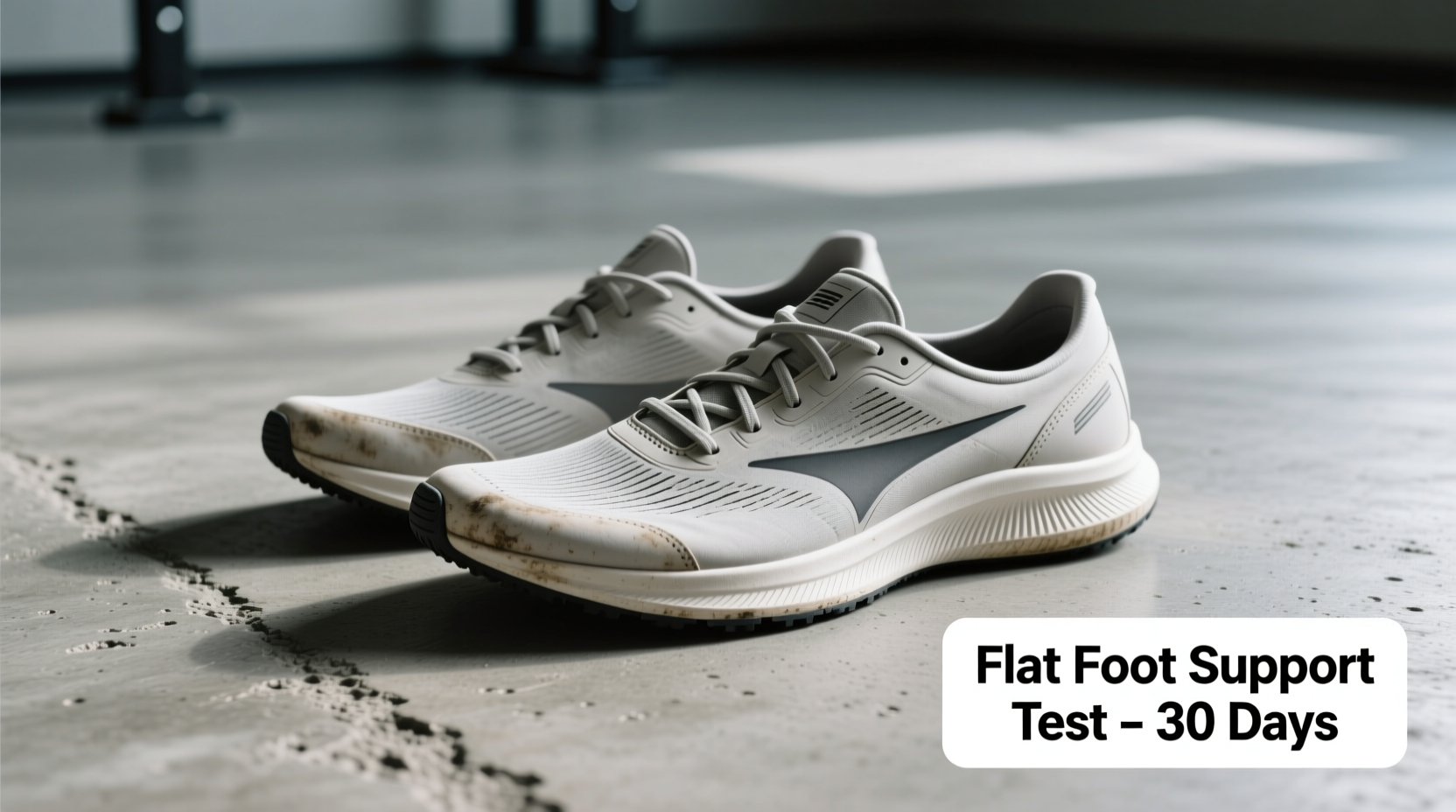
Flat feet, or pes planus, occur when the medial longitudinal arch collapses during weight-bearing. In a neutral foot, the arch acts as a spring, storing and releasing energy with each step. In flat feet, that spring weakens, leading to overpronation—the inward rolling of the ankle and foot upon impact.
Overpronation increases stress on the posterior tibialis tendon, plantar fascia, and Achilles tendon. Left unmanaged, it can contribute to chronic conditions like tendinitis, bunions, and even hip or lower back pain due to altered gait mechanics.
Traditional stability or motion-control running shoes are designed to counteract overpronation with medial support and structured midsoles. Minimalist shoes, by contrast, offer little to no such support. They’re lightweight, flexible, and feature low heel-to-toe drops (often 0–6mm), promoting a forefoot or midfoot strike.
“Minimalist shoes don’t correct flat feet—they expose them. The key is whether your body can adapt without breaking down.” — Dr. Lena Torres, Sports Podiatrist, University of Colorado Anschutz Medical Campus
Benefits of Minimalist Shoes: Strength Over Support
Despite the risks, minimalist footwear offers compelling advantages when used appropriately:
- Improved proprioception: Thin soles increase sensory feedback from the ground, enhancing balance and neuromuscular control.
- Strengthened foot muscles: Without arch support, the intrinsic muscles of the foot must work harder, potentially improving arch resilience over time.
- Natural gait mechanics: Encourages shorter strides and midfoot striking, reducing impact forces associated with heel striking in cushioned shoes.
- Lightweight efficiency: Less material means less energy expenditure per stride, appealing to endurance athletes.
A 2013 study published in *Medicine & Science in Sports & Exercise* found that runners who transitioned properly to minimalist shoes experienced measurable gains in foot strength after 10 weeks. Notably, participants were screened for pre-existing conditions, and the transition was gradual.
For individuals with mild to moderate flat feet—and adequate calf flexibility and ankle mobility—minimalist shoes may not only be tolerable but beneficial in building long-term foot resilience.
Tip: If you’ve never gone barefoot on grass or sand, your feet likely lack foundational strength for minimalist shoes. Start there before lacing up.Risks of Minimalist Shoes for Flat-Footed Runners
The same features that empower some runners can destabilize others. For many with flat feet, especially those with rigid or severely collapsed arches, minimalist shoes remove critical support without offering compensatory strength.
Common injuries linked to premature or improper use include:
- Plantar fasciitis (inflammation of the arch-supporting ligament)
- Posterior tibial tendinitis (a key stabilizer of the arch)
- Metatarsal stress fractures (due to increased forefoot loading)
- Shin splints (from sudden increase in calf and anterior tibialis demand)
- Knee pain (from altered joint alignment during stance phase)
The absence of cushioning amplifies ground reaction forces, particularly if the runner continues a heel-strike pattern. Without sufficient arch integrity, these forces travel unchecked up the kinetic chain.
Dr. Aaron Mora, a biomechanics researcher at Stanford, explains: “We’ve seen patients develop microfractures in the navicular bone after just three weeks in minimalists. Their feet weren’t given time to remodel. Bone adaptation lags behind muscle changes by months.”
Who Should Avoid Minimalist Shoes?
Certain red flags suggest high risk:
- History of stress fractures or chronic plantar fasciitis
- Severe overpronation with pain during daily walking
- Neuropathy or reduced sensation in the feet
- Obesity (BMI > 30), which increases load on unsupported structures
- Longstanding reliance on orthotics without prior strength training
Smart Transition: A Step-by-Step Guide
If you have flat feet but want to explore minimalist running, success hinges on patience and preparation. Rushing the process is the most common cause of failure.
- Assess current foot function: Stand barefoot on a wet surface and step onto a dry surface. If your footprint shows nearly the full sole, you have significant overpronation. Consult a physical therapist or podiatrist for a gait analysis.
- Build foundational strength: Perform foot exercises daily for 6–8 weeks before attempting minimalist runs. Focus on short foot activation, toe yoga, heel raises, and resistance band work.
- Start with minimalist lifestyle shoes: Wear zero-drop moccasins or sandals indoors and during light walks. This builds tolerance without running stress.
- Introduce minimalist shoes gradually: Begin with 10% of your usual weekly mileage in minimalists. Increase by no more than 10% per week. Example: If you run 20 miles/week, start with 2 miles in minimalists.
- Focus on form: Use video analysis or coaching to ensure a midfoot strike, upright posture, and cadence of 170–180 steps per minute.
- Listen to pain signals: Discomfort lasting beyond 24 hours indicates overload. Back off and reassess.
- Supplement with strength training: Continue calf raises, single-leg balances, and glute activation to support pelvic and ankle stability.
“Transitioning to minimalism isn’t about shoes—it’s about rebuilding your body’s relationship with gravity and ground contact.” — Coach Rebecca Lin, Barefoot Running Specialist
Comparison: Minimalist vs. Stability Shoes for Flat Feet
| Feature | Minimalist Shoes | Stability/Motion-Control Shoes |
|---|---|---|
| Arch Support | None or minimal | High, often with dual-density midsoles |
| Heel-to-Toe Drop | 0–6mm | 8–12mm |
| Weight | Light (5–7 oz) | Moderate to heavy (9–12 oz) |
| Cushioning | Low | High |
| Foot Muscle Activation | High | Reduced (due to support) |
| Suitability for Severe Flat Feet | Low (without conditioning) | High |
| Best For | Runners seeking natural gait and foot strengthening | Runners needing immediate support and injury prevention |
Real-World Example: Mark’s Journey from Pain to Performance
Mark, a 38-year-old teacher with lifelong flat feet, had worn stability shoes since college. After reading about minimalist running, he bought a pair of zero-drop shoes and ran 3 miles the first day. Within a week, he developed sharp heel pain—diagnosed as plantar fasciitis.
After six weeks of rest and physical therapy, Mark restarted under guidance. His therapist prescribed:
- Daily towel scrunches and marble pickups
- Single-leg heel raises (3x15 daily)
- Barefoot walking on grass for 10 minutes/day
- Wearing minimalist moccasins at home
After two months, he began running—just 0.5 miles twice a week in his minimalists, alternating with his old stability shoes. He focused on quick turnover and landing softly. By month five, he was running 5Ks entirely in minimalists, pain-free. A year later, he completed a half-marathon.
His success wasn’t due to the shoes alone, but to the deliberate, slow retraining of his feet and legs.
Checklist: Is Your Body Ready for Minimalist Shoes?
Before making the switch, evaluate your readiness using this checklist:
- ✅ Can you perform 20 single-leg heel raises slowly without pain?
- ✅ Do you have full ankle dorsiflexion (can you squat deeply with heels down)?
- ✅ Have you walked barefoot on varied terrain without discomfort?
- ✅ Are you free of current foot or lower leg injuries?
- ✅ Have you consulted a professional if you’ve had past foot issues?
- ✅ Can you commit to a 3–6 month transition timeline?
If you answered “no” to two or more, consider delaying the switch and focusing on preparatory work.
Frequently Asked Questions
Can orthotics be used with minimalist shoes?
Most minimalist shoes lack space for traditional orthotics. However, some brands offer “foot-shaped” insoles that provide subtle support without altering natural mechanics. Custom-made flexible orthotics from a podiatrist may fit in wider models like Vivobarefoot or Xero Shoes. But the goal of minimalist training is to reduce dependency on external support over time.
Do minimalist shoes worsen flat feet?
They don’t inherently worsen flat feet, but they can accelerate tissue breakdown if introduced too quickly. Flat feet are a structural variation, not always pathological. Many people with flat feet run injury-free in minimalists—provided they build capacity gradually. The risk lies in sudden exposure without adaptation.
What are the best minimalist shoes for flat-footed beginners?
Look for models with a wide toe box and moderate flexibility. Good options include:
- Xero Shoes Prio: 5.5mm drop, roomy forefoot, durable sole
- Vivobarefoot Primus Lite III: True zero-drop, thin but puncture-resistant
- Lems Primal 2: Wide base, 4mm drop, beginner-friendly
Conclusion: Proceed with Knowledge, Not Hype
Minimalist running shoes aren’t universally good or bad for flat feet. They represent a philosophy of movement—one that prioritizes natural mechanics and muscular engagement over passive support. For some with flat feet, they can be transformative. For others, they’re a fast track to injury.
The deciding factor isn’t the shoe itself, but the person wearing it. With proper assessment, dedicated preparation, and a patient transition, even flat-footed runners can harness the benefits of minimalist footwear. But skipping the groundwork turns a promising experiment into risky business.
🚀 Ready to explore minimalist running safely? Start today with 5 minutes of barefoot balance drills. Share your journey or questions in the comments—your experience could help others find their footing.








