In recent years, minimalist running shoes have surged in popularity, championed by advocates of natural movement, barefoot enthusiasts, and elite runners alike. With their ultra-thin soles, zero-drop platforms, and lack of cushioning, these shoes promise a return to how humans were \"meant\" to run. But as more athletes consider switching from traditional supportive footwear to minimalist models, a critical question emerges: Are minimalist running shoes actually better for long-distance running—or are they simply a fitness fad dressed up as biomechanical innovation?
The answer isn't straightforward. While some runners report improved efficiency, stronger feet, and fewer injuries after transitioning to minimalist shoes, others experience pain, stress fractures, or disappointment. The truth lies not in absolutes but in understanding individual biomechanics, training history, and proper adaptation strategies.
The Science Behind Minimalist Running
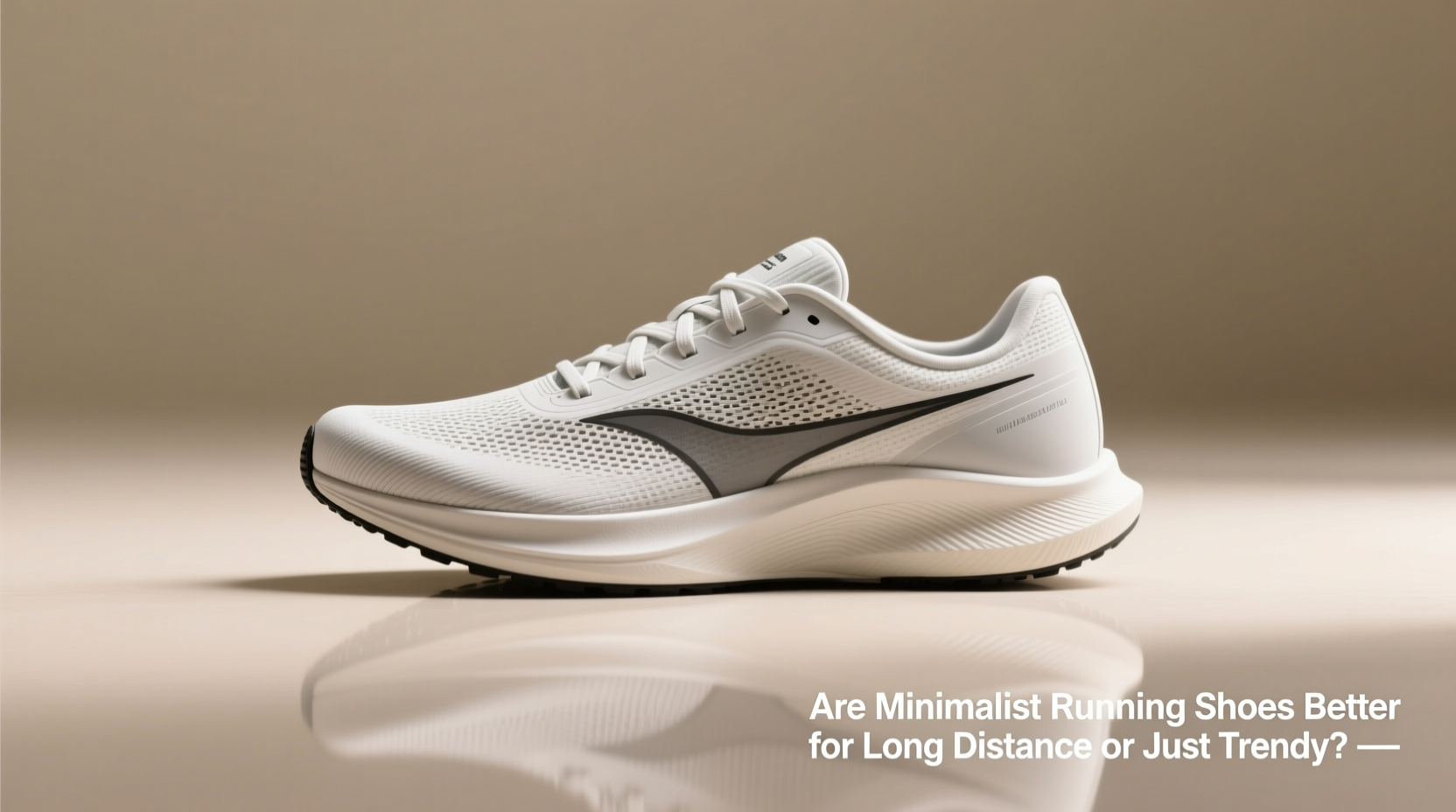
Minimalist running is rooted in the idea that modern, heavily cushioned running shoes may interfere with natural gait mechanics. A landmark 2010 study published in Nature by Daniel Lieberman suggested that habitual barefoot runners tend to land on the forefoot or midfoot, which reduces impact forces compared to heel striking—a common pattern in shod (shoe-wearing) runners.
Minimalist shoes aim to replicate barefoot running while offering minimal protection from debris and abrasions. Key features include:
- Low stack height: Typically under 15mm, often as low as 4–6mm.
- Zero drop: The heel and forefoot sit at the same level, promoting a neutral foot position.
- Flexible soles: Allow natural foot splay and toe movement.
- No motion control or arch support: Encourage intrinsic foot muscle development.
Proponents argue this setup enhances proprioception—the body’s ability to sense its position in space—leading to more efficient, adaptive running form. However, critics caution that reduced cushioning increases ground reaction forces, especially over long distances where fatigue accumulates.
“Running is a skill, and like any skill, it can be improved with proper technique and appropriate tools. Minimalist shoes aren’t inherently better—they’re different tools that require relearning how to run.” — Dr. Irene Davis, Director of the Spaulding National Running Center
Benefits of Minimalist Shoes for Long-Distance Runners
When used correctly, minimalist footwear offers several potential advantages for endurance athletes:
Improved Running Economy
Lighter shoes reduce energy cost per stride. Research shows that every 100g added to a shoe increases oxygen consumption by about 1%. Minimalist shoes often weigh less than 200g per shoe, making them significantly lighter than traditional trainers (which can exceed 300g).
Enhanced Foot Strength and Stability
Without artificial arch support, the muscles, tendons, and ligaments in the feet must work harder. Over time, this can lead to increased strength in the intrinsic foot muscles, potentially reducing reliance on orthotics and improving balance.
Natural Gait Mechanics
Minimalist shoes encourage a shorter stride and higher cadence, typically leading to midfoot or forefoot striking. This alignment tends to reduce braking forces at footstrike, which may lower injury risk associated with repetitive heel striking—especially on hard surfaces.
Tip: Start incorporating minimalist shoes during short, easy runs only. Avoid using them for speedwork or long runs until your body adapts.Risks and Challenges of Long-Distance Minimalism
Despite the theoretical benefits, adopting minimalist shoes for marathon training or ultrarunning carries notable risks, particularly when transitioned too quickly.
Musculoskeletal Injuries
A rapid switch to minimal footwear places new stresses on the calves, Achilles tendon, and metatarsals. Studies show an elevated risk of calf strains, plantar fasciitis, and metatarsal stress fractures during early adaptation phases. One 2013 study found that runners who switched abruptly to minimalist shoes experienced higher injury rates within the first 10 weeks.
Limited Protection
On long runs, especially on rough terrain, lack of cushioning can lead to discomfort or even bruising of the fat pad under the heel and forefoot. Prolonged exposure to uneven surfaces without adequate shock absorption may accelerate joint wear in susceptible individuals.
Demanding Transition Period
Adapting to minimalist shoes isn’t passive—it requires active changes in form, strength, and mobility. Runners accustomed to heel-striking in supportive shoes often need months of gradual progression to avoid overuse injuries.
Not Universally Suitable
Runners with certain biomechanical conditions—such as severe flat feet, prior foot surgeries, or chronic tendon issues—may find minimalist shoes impractical or harmful. Individual variability plays a crucial role in determining suitability.
Case Study: From Marathon Struggles to Minimalist Success
Take Sarah, a 34-year-old recreational runner training for her third marathon. After two races plagued by knee pain and IT band syndrome, she began researching alternative approaches. Inspired by videos of Kenyan runners and studies on barefoot mechanics, she purchased a pair of minimalist shoes.
Initially, she made the mistake of logging her usual 10-mile long run in the new shoes. By mile six, she felt sharp pain in her Achilles. She stopped, iced, and rested for a week. Determined not to give up, Sarah consulted a physical therapist specializing in running biomechanics.
Following a structured plan, she started with walk-run intervals in the minimalist shoes—just 10 minutes twice a week. She incorporated foot strengthening exercises: towel scrunches, single-leg balances, and calf raises. Over 14 weeks, she gradually increased her minimalist mileage while reducing reliance on her old trainers.
By race day, she was able to run 70% of her training in minimalist shoes. Her finishing time improved by 8 minutes, and most importantly, she reported no post-race soreness in her knees or hips. “It wasn’t the shoes alone,” she said later. “It was learning how to move differently.”
How to Transition Safely: A Step-by-Step Guide
Switching to minimalist running shoes for long-distance purposes should be treated like adding a new training component—not merely swapping gear. Follow this timeline to minimize injury risk:
- Weeks 1–2: Begin with 10–15 minutes of walking or easy jogging in minimalist shoes, 2–3 times per week. Focus on form: upright posture, quick turnover, soft landing.
- Weeks 3–4: Increase duration to 20–30 minutes. Add foot and ankle strengthening exercises (e.g., toe yoga, resistance band work).
- Weeks 5–8: Replace one short run per week entirely with minimalist shoes. Monitor for soreness in calves or feet.
- Weeks 9–12: Gradually introduce minimalist shoes into moderate-effort runs. Keep long runs in traditional shoes for now.
- Months 4+: If no pain occurs, begin replacing long runs incrementally. Never increase weekly minimalist volume by more than 10%.
Listen to your body. Persistent pain—not just discomfort—is a sign to back off and reassess.
Minimalist vs. Traditional: A Practical Comparison
| Feature | Minimalist Shoes | Traditional Running Shoes |
|---|---|---|
| Weight | Very light (150–220g) | Moderate to heavy (250–350g) |
| Cushioning | Minimal to none | High; designed to absorb impact |
| Drop (Heel-to-Toe) | 0–4mm | 8–12mm |
| Foot Muscle Engagement | High; promotes natural activation | Reduced due to support structures |
| Suitability for Long Distances | Requires adaptation; best for experienced users | Generally safe for beginners and high-mileage runners |
| Injury Risk During Transition | Higher if done too quickly | Lower, though may encourage poor form |
Frequently Asked Questions
Can I run a marathon in minimalist shoes?
Yes—but only if you’ve thoroughly trained in them. Completing long runs of 18–20 miles in minimalist footwear before race day is essential. Many successful marathoners use minimalist shoes, but they’ve built up tolerance over months or years.
Do minimalist shoes prevent injuries?
Not universally. Some runners experience fewer knee and hip injuries due to improved mechanics, but others develop foot or calf problems. Injury prevention depends more on proper training load management and biomechanical awareness than shoe type alone.
Are all minimalist shoes the same?
No. There’s a spectrum—from \"barefoot\" models with nearly no sole to \"maximalist-minimalist\" hybrids that offer slight cushioning with zero drop. Brands like Vibram FiveFingers, Merrell Trail Glove, and Topo Athletic offer varying levels of minimalism. Choose based on your goals and terrain.
Checklist: Is a Minimalist Shoe Right for You?
- ✅ Have you been running consistently for at least one year?
- ✅ Are you free from chronic foot, ankle, or lower leg injuries?
- ✅ Are you willing to invest 3–6 months in a slow transition?
- ✅ Do you prioritize form and technique over convenience?
- ✅ Have you strengthened your feet and calves through targeted exercises?
- ✅ Are you open to alternating between minimalist and traditional shoes?
If you answered “no” to more than two of these, reconsider rushing into full-time minimalist running. It’s not a shortcut—it’s a lifestyle shift.
The Verdict: Function Over Fashion
Minimalist running shoes are not merely a trend. They represent a legitimate approach to running that emphasizes natural movement, sensory feedback, and muscular engagement. For certain long-distance runners—particularly those seeking greater efficiency, improved form, and a deeper connection to their stride—they can be transformative.
However, they are not inherently “better” than traditional shoes. Performance gains depend on proper implementation, individual physiology, and patience. The danger arises when runners adopt minimalist footwear expecting instant results without adjusting their training, technique, or expectations.
Like any tool, minimalist shoes serve a purpose—but only when used wisely. Whether they benefit you depends not on what’s popular, but on how well you prepare for the change.
💬 Have you tried minimalist shoes for long runs or marathons? Share your story, tips, or lessons learned in the comments below. Your experience could help another runner make a smarter choice.








