Headwear has long played a role in defining personal style and social context. From top hats at royal weddings to beanies on city streets, what we wear on our heads often signals intent, occasion, and even cultural affiliation. Among the most ubiquitous accessories today is the mesh baseball cap—a lightweight, breathable staple found in closets worldwide. But as fashion lines blur between formal and casual, a pressing question emerges: are mesh baseball caps suitable for formal events, or do they remain firmly rooted in casual wear?
The answer isn’t binary. While traditional etiquette still leans toward reserving such caps for informal settings, modern fashion has opened doors for creative reinterpretations. Understanding where this accessory fits requires examining its design, cultural significance, evolving dress codes, and real-world applications.
The Design and Purpose of Mesh Baseball Caps
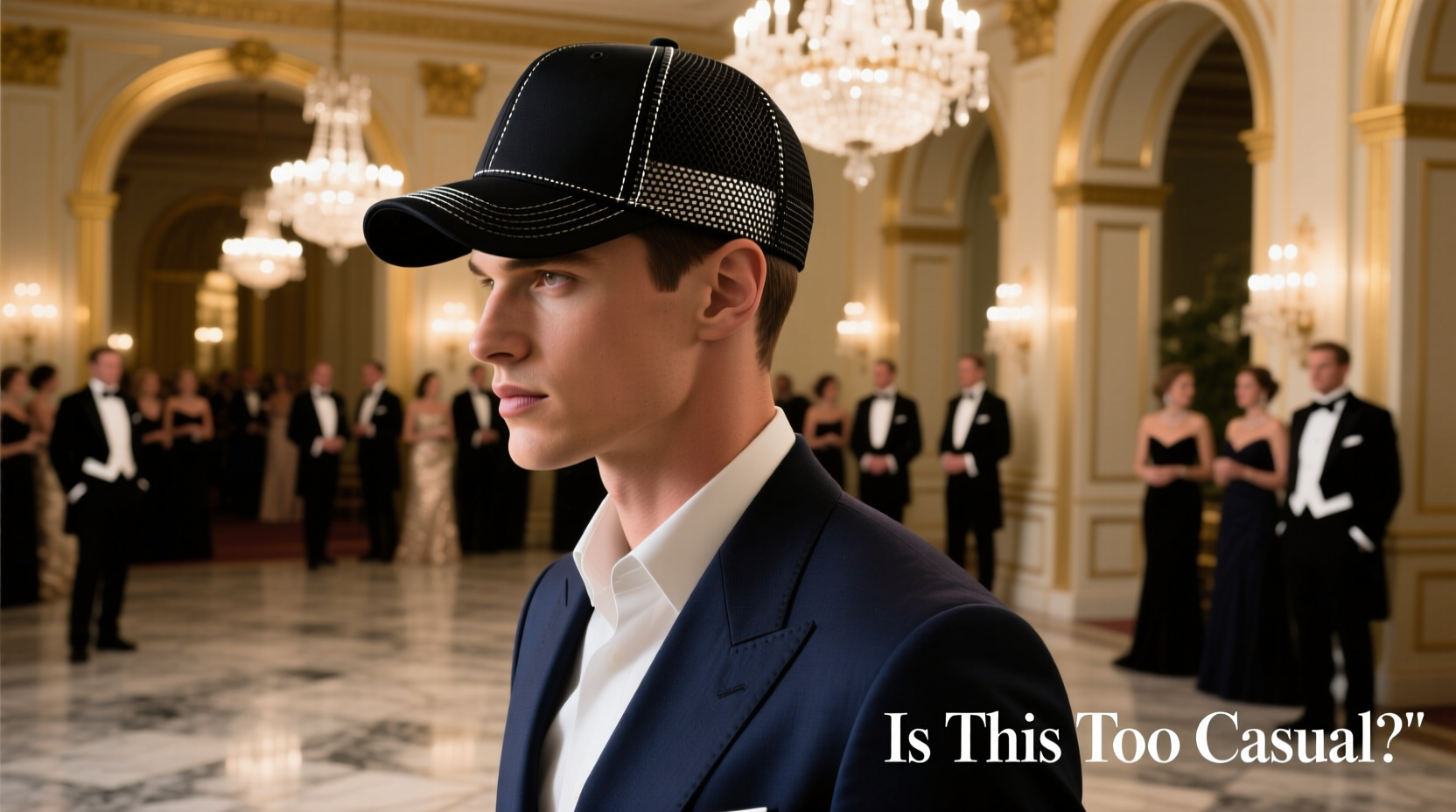
Made from a combination of cotton, polyester, or nylon with a ventilated mesh back, these caps were originally designed for athletic performance—specifically baseball. Their primary function was to shield players from sun exposure while allowing airflow during extended outdoor play. The structured front panels provide space for team logos, while the adjustable strap or fitted band ensures comfort across head sizes.
Over time, the utility-driven design gained popularity beyond sports. Streetwear culture embraced the cap as a symbol of urban identity, rebellion, and laid-back confidence. Today’s versions come in countless colors, patterns, and branding—from luxury labels to grassroots collectives—yet their core construction remains rooted in practicality rather than formality.
Tip: If you're considering wearing a mesh cap in a semi-formal setting, opt for neutral tones like black, navy, or charcoal with minimal branding.Dress Code Fundamentals: What Defines Formal Wear?
To assess whether a mesh cap belongs at a formal event, it's essential to understand what constitutes \"formal\" attire. Traditionally, formal dress codes fall into categories such as:
- White Tie: The most formal, requiring tailcoats, bow ties, and full-length gowns.
- Black Tie: Includes tuxedos, evening dresses, and sophisticated accessories.
- Cocktail Attire: Semi-formal; dark suits, cocktail dresses, elegant shoes.
- Business Formal: Conservative suits, polished shoes, minimal accessories.
In all these cases, headwear is typically absent unless culturally or religiously significant. Hats worn formally—such as fedoras, homburgs, or fascinators—are carefully styled, made from refined materials (wool, felt, silk), and complement the overall ensemble. By contrast, mesh caps are constructed from sportswear-grade fabrics, feature plastic snaps or Velcro closures, and often display bold graphics—all elements that clash with conventional formal aesthetics.
“Formality in fashion is less about individual pieces and more about cohesion and respect for tradition. A mesh cap disrupts that balance.” — Daniel Reyes, Menswear Historian and Curator at the Fashion Institute Archive
When Casual Meets Context: Real-World Exceptions
Despite rigid definitions, contemporary society increasingly embraces sartorial flexibility. There are scenarios where a mesh cap might not only be acceptable but contextually appropriate—even among otherwise formal or semi-formal outfits.
Consider a garden wedding held outdoors during summer. Guests may wear linen suits or floral dresses, but the host encourages sun protection due to prolonged exposure. In such a relaxed, warm-weather environment, a discreet mesh cap could serve both function and modesty without offending etiquette. Similarly, music festivals with “elevated rustic” themes sometimes blend formal silhouettes with streetwear accessories, creating hybrid styles where a well-chosen cap doesn’t stand out negatively.
Mini Case Study: Alex at a Rooftop Engagement Party
Alex was invited to a rooftop engagement celebration described as “semi-formal chic with an urban twist.” The venue was open-air, starting at 5 PM under strong afternoon sun. He planned to wear a light gray blazer over a white shirt, chinos, and loafers—perfect for the brief. However, concerned about sunburn and hair maintenance (he recently got a fade he wanted to preserve), he brought along a black mesh New Era cap with a subtle embroidered logo.
Upon arrival, several guests wore sunglasses and one woman carried a wide-brimmed hat. When the sun remained intense past 6 PM, Alex put on his cap. Rather than drawing negative attention, a few guests complimented his practicality. One even asked where he bought it. The key factors? Neutral color, minimal branding, and alignment with environmental conditions.
This example illustrates that context, timing, and presentation matter more than rigid rules. The cap wasn’t part of the formal wardrobe per se, but its use was situationally justified and tastefully executed.
Do’s and Don’ts: Wearing a Mesh Cap Near Formal Settings
| Do | Don't |
|---|---|
| Wear it in transitional spaces (e.g., traveling to the event) | Enter a ceremony hall or dining hall wearing it |
| Choose neutral colors and no loud logos | Select bright colors or oversized brand emblems |
| Remove it once indoors or seated | Keep it on during speeches or meals |
| Use it for sun protection at outdoor receptions | Pair it with a tuxedo or ballgown |
| Ensure your overall look is intentional and coordinated | Wear it backward or slouched unless the event theme allows |
This table underscores a critical principle: appropriateness hinges not just on the item itself, but on how it’s integrated into behavior and environment. A mesh cap isn’t inherently disrespectful—it becomes so when misused or poorly timed.
Step-by-Step Guide: Can You Wear a Mesh Cap to Your Event?
If you’re uncertain whether bringing a mesh baseball cap is acceptable, follow this decision-making process:
- Check the invitation’s dress code. Words like “black tie,” “formal,” or “cocktail attire” suggest headwear should be avoided unless specified.
- Evaluate the venue and timing. Outdoor daytime events increase the case for sun-protective gear, including hats.
- Assess the guest list and host culture. Younger crowds, creative industries, or multicultural gatherings may tolerate more expressive accessories.
- Select the right cap. Opt for solid colors, premium finishes (like structured fronts or leather straps), and no visible sweat stains or fraying.
- Plan removal moments. Keep the cap off during ceremonies, dinners, indoor segments, or any moment requiring decorum.
- Have a storage plan. Bring a garment bag or handkerchief to fold and protect the cap when not in use, preserving its shape and cleanliness.
By following these steps, you maintain respect for the occasion while addressing personal needs like comfort and UV protection.
Expert Perspectives on Headwear Evolution
Fashion scholars note that headwear norms have shifted dramatically over the past century. In the early 1900s, men rarely appeared in public without a hat. By the 1970s, that expectation faded. Now, in the 2020s, headwear is making a comeback—but in new forms.
“We’re seeing a renaissance of personal expression through accessories. The mesh cap isn’t replacing the fedora, but it’s claiming space in environments once considered off-limits.” — Dr. Lena Tran, Cultural Anthropologist specializing in contemporary dress practices
Tran argues that younger generations prioritize authenticity and functionality over strict adherence to outdated codes. As workplaces adopt business-casual standards and weddings embrace “unplugged” or destination formats, accessories once deemed too casual now find niche legitimacy.
Still, experts agree there are boundaries. “You wouldn’t wear flip-flops to a job interview just because it’s hot outside,” Reyes adds. “The same logic applies here. Just because something is comfortable doesn’t mean it’s appropriate.”
Frequently Asked Questions
Can I wear a mesh cap to a wedding?
Generally, no—if the wedding specifies formal or semi-formal attire. However, if the ceremony is outdoors, casual, or themed (e.g., beach, backyard, festival-style), a simple, clean mesh cap may be acceptable, especially for sun protection. Always remove it during the ceremony and reception indoors.
Is there a formal version of a baseball cap?
Not traditionally. However, some designers have created elevated iterations using wool, tweed, or cashmere with refined stitching and understated branding. These sit closer to “caps” than “baseball caps” and may work in smart-casual settings, but they still lack acceptance in true formal environments.
Why shouldn’t I wear a baseball cap indoors?
Historically, removing headwear indoors—especially in homes, places of worship, or dining areas—is a sign of respect. This custom dates back centuries and persists in etiquette guidelines today. Keeping a cap on during meals or ceremonies can be seen as rude or dismissive, regardless of material or style.
Final Thoughts: Balancing Comfort, Style, and Respect
Much like footwear or jewelry, headwear communicates unspoken messages about awareness, preparation, and regard for others. Mesh baseball caps excel in comfort, breathability, and personal branding, making them ideal for sports, travel, errands, and casual outings. Yet their design and cultural associations keep them anchored in informal territory.
There will always be edge cases—outdoor galas, artistic performances, or avant-garde fashion events—where breaking norms is expected or celebrated. But for the vast majority of formal occasions, the safest and most respectful choice remains to leave the mesh cap behind or reserve it strictly for transit and outdoor interludes.
That said, fashion continues to evolve. As sustainability, inclusivity, and functional elegance gain prominence, tomorrow’s formal events might welcome innovative accessories that merge utility with refinement. Until then, know the rules before you bend them.
💬 Have you worn a mesh cap to a formal or semi-formal event? Did it work—or backfire? Share your experience in the comments and help redefine the boundaries of modern style.








