In the ever-evolving world of skincare, tools come and go with the seasons. One item that has remained visible on beauty shelves and Instagram feeds for over a decade is the jade roller. Once hailed as a must-have for glowing skin and depuffing mornings, it now shares space with high-tech devices like LED masks and microcurrent tools. So, where does the jade roller stand today? Is it still a valuable addition to a skincare routine, or has it become more of a decorative keepsake than a functional tool?
The answer isn’t straightforward. While some dermatologists remain skeptical about its clinical efficacy, many estheticians and users continue to swear by its soothing effects. To understand whether jade rollers are still relevant, we need to examine their history, purported benefits, scientific backing, and how they fit into today’s evidence-based skincare landscape.
The Origins and Rise of the Jade Roller
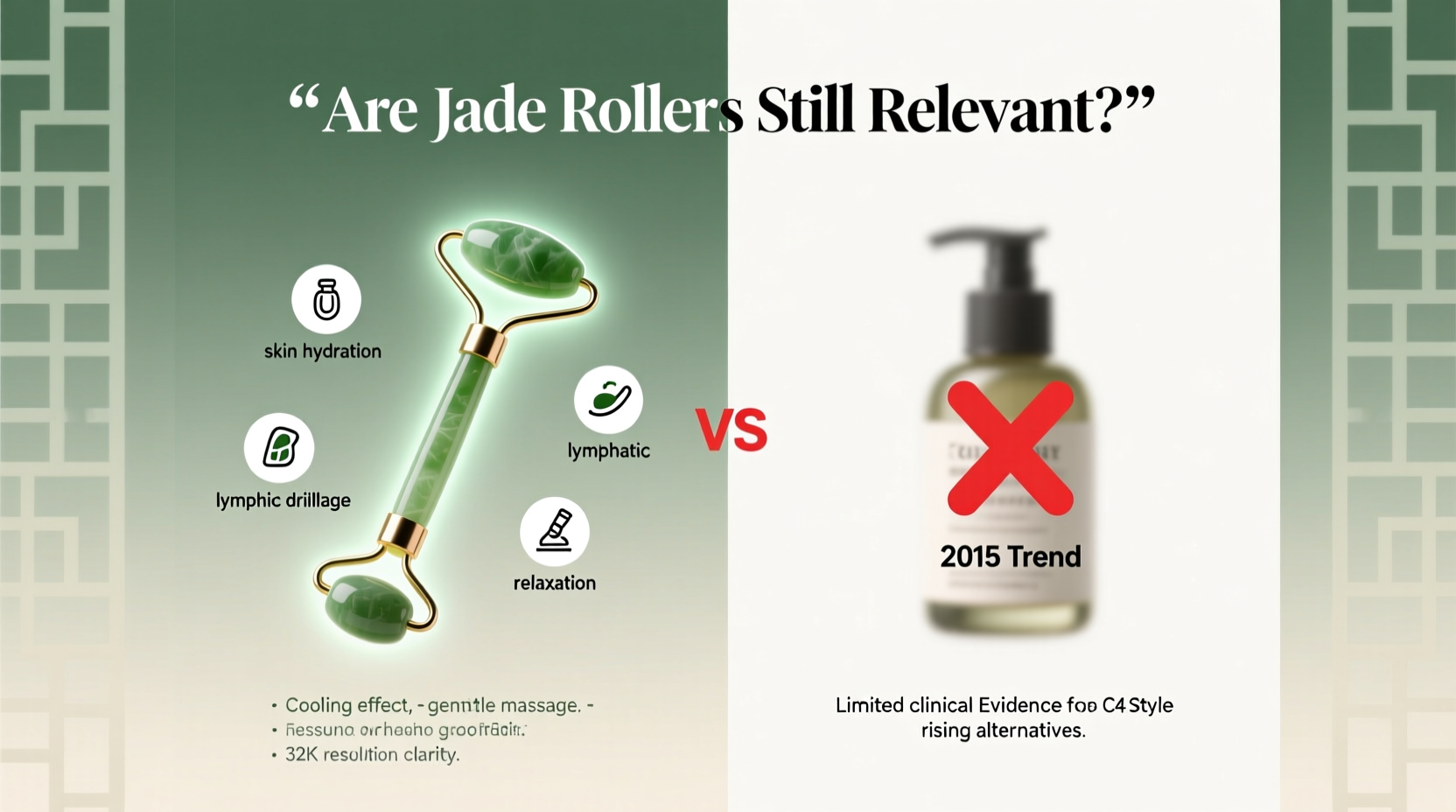
Jade rolling traces its roots to traditional Chinese medicine, where practitioners used smooth stones for facial massage as early as the 17th century. The belief was that gentle pressure and movement could promote energy flow (or \"qi\") and support lymphatic drainage. Fast forward to the 2010s, and social media catapulted the jade roller into global fame—especially among clean beauty enthusiasts and wellness influencers.
The appeal was multifaceted: natural materials, minimalist design, and promises of reduced puffiness, improved circulation, and enhanced product absorption. At a time when consumers were seeking gentler, non-invasive alternatives to cosmetic procedures, the jade roller became a symbol of self-care ritual and holistic beauty.
But trends fade. With the rise of dermatologist-approved ingredients like retinoids, niacinamide, and vitamin C, and tools backed by clinical studies such as facial gua sha and radiofrequency devices, questions have emerged: can a cold stone really compete?
What Are the Claimed Benefits of Jade Rollers?
Proponents of jade rollers often cite several key benefits:
- Lymphatic drainage: Reducing facial puffiness, especially around the eyes and jawline.
- Improved circulation: Promoting a healthy glow through increased blood flow.
- Enhanced product absorption: Helping serums and moisturizers penetrate deeper when applied after rolling.
- Reduced muscle tension: Easing tightness in the face, particularly for those who clench their jaw.
- Cooling effect: Providing a refreshing sensation, especially when stored in the fridge.
While these claims sound plausible, the actual scientific evidence supporting them is limited. Most research focuses on manual lymphatic drainage in medical settings—not cosmetic facial tools. However, anecdotal reports and small-scale studies suggest that gentle facial massage may offer temporary decongestion and relaxation.
“Facial massage can provide short-term improvements in appearance by reducing fluid retention. But it's not a substitute for proven treatments like sunscreen or prescription-grade actives.” — Dr. Nina Rodriguez, Board-Certified Dermatologist
Do Jade Rollers Actually Work? A Science-Based Perspective
To assess relevance, we must separate myth from measurable impact.
The cooling property of jade (especially when refrigerated) can constrict blood vessels slightly, which may reduce morning puffiness. This is similar to using a cold spoon under the eyes—a time-honored trick with real but fleeting results.
As for lymphatic stimulation, while facial massage may encourage mild fluid movement, there’s no peer-reviewed study proving that jade rollers significantly alter long-term skin texture, tone, or aging compared to other methods. Unlike microneedling or laser therapy, jade rolling doesn’t induce collagen production or remodel skin structure.
One 2021 review published in *Clinical, Cosmetic and Investigational Dermatology* noted that while manual facial techniques showed subjective improvements in skin radiance and comfort, objective measurements (like elasticity or wrinkle depth) did not change significantly over time.
In essence, jade rollers are unlikely to deliver transformative results—but they aren't entirely without merit either.
Tip: For maximum cooling effect, store your jade roller in the refrigerator for 10–15 minutes before use—never in the freezer, as extreme cold can damage both the stone and sensitive facial skin.Jade Roller vs. Modern Skincare Tools: Where Does It Stand?
Today’s market offers advanced tools with measurable outcomes:
| Tool | Key Benefit | Scientific Support | Cost Range |
|---|---|---|---|
| Jade Roller | Temporary depuffing, sensory relaxation | Low – mostly anecdotal | $15–$50 |
| Gua Sha Tool | Improved contour, lymphatic support | Moderate – some clinical observation | $20–$80 |
| Microcurrent Device | Muscle toning, lifting effect | High – FDA-cleared models available | $150–$300 |
| LED Light Therapy Mask | Acne reduction, anti-aging | Strong – multiple RCTs support efficacy | $200–$400 |
This comparison shows that while jade rollers rank low in clinical effectiveness, they also top the list in accessibility and ease of use. They require no batteries, charging, or learning curve. Their value lies less in transformation and more in ritual—a tactile moment of mindfulness in a fast-paced day.
A Real-World Example: How One User Integrates Her Jade Roller
Sophie, a 34-year-old marketing executive in Seattle, bought her first jade roller during a wellness retreat in 2018. Initially drawn by its aesthetic and calming promise, she incorporated it into her nightly routine. After six months, she paused usage when she began experiencing breakouts along her jawline.
“I realized I wasn’t cleaning the roller,” she admits. “I’d roll over my face after applying oils, and residue built up. Once I started washing it weekly with mild soap and water, my skin cleared up.”
Now, Sophie uses the roller only two to three times a week—always after cleansing and before serum application. She stores it in the fridge and finds it especially helpful during allergy season, when her sinuses cause facial swelling.
“It’s not magic,” she says. “But the five minutes I spend rolling feels like a reset. My skin looks less puffy, and I’m more present. That matters just as much as any serum.”
Sophie’s experience highlights a crucial point: the benefit of jade rollers often extends beyond physiology into psychology. In an age of digital overload, simple rituals grounded in touch and intention can be profoundly grounding.
How to Use a Jade Roller Effectively (Step-by-Step)
If you choose to include a jade roller in your routine, technique matters. Random rolling won’t maximize potential benefits. Follow this dermatologist-approved sequence:
- Cleanse your face. Start with a fresh canvas to avoid pushing dirt or oil into pores.
- Apply a lightweight serum or facial oil. This reduces friction and enhances glide.
- Begin with the neck. Use upward strokes from collarbone to jawline to encourage lymph flow toward nodes.
- Move to the jaw and chin. Roll outward from the center, applying light pressure.
- Tackle cheeks and nose. Sweep from nostrils toward ears, covering upper lip and cheekbones.
- Address under-eyes. Gently roll from inner corner to temple—use the smaller end for precision.
- Finish at the forehead. Move from the center outward and upward toward the hairline.
- Wipe and store. Clean with a soft cloth and store in a dry place or refrigerator.
Limit sessions to 3–5 minutes daily. Excessive pressure or duration can irritate delicate facial tissues.
Common Mistakes to Avoid
Even well-intentioned users can misuse jade rollers. Here are frequent pitfalls:
- Using too much pressure: The face has thin skin; aggressive rolling can cause micro-tears or broken capillaries.
- Neglecting hygiene: Bacteria buildup can lead to breakouts. Clean after every few uses.
- Rolling in the wrong direction: Always move toward lymph node clusters (ears, jaw, neck), never downward.
- Expecting dramatic results: Treating it like a miracle device sets unrealistic expectations.
- Using a cracked or chipped roller: Damaged stones can scratch skin. Inspect regularly.
Frequently Asked Questions
Can jade rollers reduce wrinkles?
No strong evidence supports that jade rollers reduce wrinkles. While they may temporarily plump skin via increased blood flow, they do not stimulate collagen or reverse photoaging like retinoids or lasers.
Is real jade better than synthetic rollers?
Not necessarily. Many “jade” rollers are made from aventurine or other green stones due to cost. What matters most is smoothness, weight, and maintenance—not mineral authenticity.
How often should I replace my jade roller?
With proper care, a high-quality jade roller can last indefinitely. Replace it only if it chips, cracks, or becomes difficult to clean.
Final Verdict: Still Relevant or Outdated?
Jade rollers are neither obsolete nor revolutionary. Their relevance today depends on how you define value in skincare.
If you’re seeking measurable, long-term improvements in firmness, texture, or pigmentation, then yes—the jade roller is outdated. It lacks the technological sophistication or biological impact of newer tools and active ingredients.
But if you value sensory experience, mindful routines, and subtle enhancements like morning depuffing or stress relief, then the jade roller remains quietly relevant. It’s not a replacement for sunscreen or exfoliants, but rather a complementary tool—one that turns skincare into a moment of pause.
Moreover, its sustainability edge appeals to eco-conscious consumers. Unlike electronic devices with batteries and packaging, a well-made stone roller can last years with minimal environmental footprint.
“The best skincare tools are the ones you actually use consistently. If a jade roller helps someone stick to their routine, that’s a win.” — Dr. Lena Park, Cosmetic Dermatologist and Educator
Your Skincare, Your Rules
Skincare is deeply personal. Trends come and go, but what endures is consistency, protection, and attention to individual needs. The jade roller may no longer dominate headlines, but it hasn’t disappeared—it’s evolved into something quieter, more intentional.
Whether you keep one on your nightstand or pass on it entirely, the key is making informed choices. Understand what a tool can realistically do, pair it with proven practices (like daily SPF and gentle cleansing), and honor your own rhythm of care.
🚀 Ready to reevaluate your routine? Try incorporating mindful facial massage—even without a jade roller—for one week. Notice how your skin and mood respond. Share your experience in the comments below.








