Jade rollers have become a staple in modern skincare routines, praised for their ability to reduce puffiness, enhance circulation, and promote lymphatic drainage. With their rising popularity, it's common for roommates or partners to share beauty tools—especially when space or budget is limited. But sharing personal care items like jade rollers raises a critical question: are they truly sanitary when used by multiple people? The short answer is no—not without strict hygiene protocols. While convenient, sharing a jade roller can introduce bacteria, fungi, and even viruses to the skin, potentially leading to breakouts, infections, or worsened acne. Understanding the risks and implementing proper sanitation practices is essential to maintaining both skin health and product longevity.
The Science Behind Skin Tool Contamination
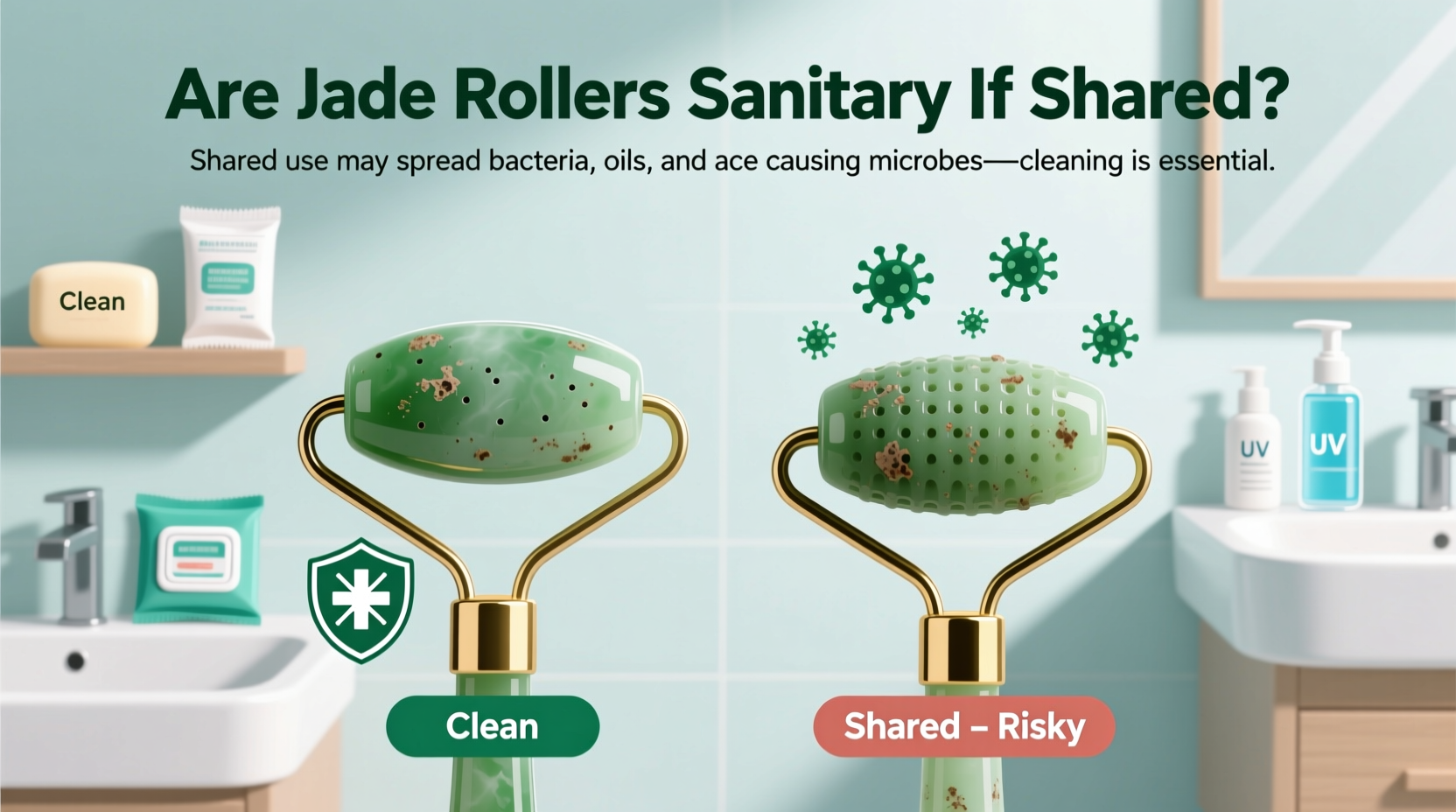
Skin contact tools like jade rollers accumulate oils, dead skin cells, sweat, and residual skincare products with every use. These substances create a breeding ground for microorganisms. A 2015 study published in *The Journal of Clinical and Aesthetic Dermatology* found that makeup brushes and facial tools left uncleaned for just one week harbored significant levels of *Staphylococcus aureus*, *E. coli*, and *Candida albicans*. Although the study didn’t specifically analyze jade rollers, the porous nature of stone materials and frequent hand-to-face contact make them equally vulnerable.
When two individuals use the same roller, cross-contamination becomes a real concern. Each person has a unique microbiome on their skin. Introducing foreign bacteria from another person’s skin—especially if they have active acne, eczema, or cold sores—can disrupt your skin’s balance. For example, sharing a roller after someone has had a herpes outbreak (even if healed) could transfer dormant viral particles, potentially triggering a flare-up in a susceptible individual.
“Sharing personal skincare tools is akin to sharing a toothbrush—there’s always a risk of microbial exchange.” — Dr. Lena Patel, Board-Certified Dermatologist
Risks of Sharing Jade Rollers Between Roommates
While the idea of sharing sounds harmless, especially among trusted housemates, several health and hygiene risks come into play:
- Bacterial transfer: Acne-causing bacteria like *Cutibacterium acnes* can survive on surfaces for hours. Transferring this between users increases the likelihood of clogged pores and breakouts.
- Fungal growth: Moist environments (like a bathroom counter) combined with organic residue encourage mold and yeast development on the roller’s surface or handle.
- Viral transmission: Herpes simplex virus (HSV-1), which causes cold sores, can remain infectious on non-porous surfaces for up to 48 hours under certain conditions.
- Allergic reactions: Residue from one person’s skincare products (e.g., essential oils, fragrance, retinoids) may trigger irritation when transferred to sensitive skin.
- Hygiene neglect: In shared living situations, accountability diminishes. One roommate might clean the roller regularly; the other may forget, creating inconsistent sanitation habits.
Cleaning Protocols for Shared Use (If Absolutely Necessary)
If roommates insist on sharing a single jade roller—perhaps due to cost or storage constraints—strict cleaning procedures must be followed before and after each use. This does not eliminate all risks but reduces them significantly.
Step-by-Step Sanitation Routine
- Wipe off residue: After each use, gently wipe the roller with a soft, lint-free cloth to remove excess serum or oil.
- Wash with mild soap: Use lukewarm water and a gentle, fragrance-free cleanser. Avoid harsh detergents that can degrade the stone over time.
- Scrub with a soft brush: Use a clean toothbrush or cosmetic tool brush to reach crevices around the roller heads and handle joints.
- Disinfect with 70% isopropyl alcohol: Soak a cotton pad and thoroughly wipe all surfaces. Let air dry completely—never store while damp.
- Air-dry upright: Place the roller on a clean towel with the rolling end elevated to ensure full drying and prevent moisture buildup.
- Weekly deep clean: Submerge in a mixture of distilled water and a drop of tea tree oil for 10 minutes, then rinse and dry.
Even with meticulous cleaning, repeated exposure to different skin types and pathogens increases cumulative risk. Dermatologists recommend assigning one roller per person to avoid complications altogether.
Do’s and Don’ts of Jade Roller Hygiene
| Do’s | Don’ts |
|---|---|
| Use a separate roller for face and under-eye area | Share rollers during active acne or infection outbreaks |
| Clean the roller after every single use | Soak in boiling water (can cause cracking) |
| Store in a dry, closed container away from humidity | Leave it on the edge of a wet sink or shower |
| Label each roller with the user’s name in a shared space | Use bleach or ammonia-based cleaners |
| Replace every 6–12 months with heavy use | Allow visible mold or film to remain |
Real-Life Scenario: The Dorm Room Dilemma
Consider Sarah and Mia, college roommates sharing a small dorm bathroom. Both enjoy using a jade roller in their nightly routine. They initially shared one roller, taking turns based on who got home first. Within three weeks, Sarah developed painful jawline cysts—an unusual occurrence for her typically clear skin. Mia, meanwhile, experienced recurring cold sores. After consulting a campus dermatologist, they learned that cross-contamination from shared tools likely exacerbated both conditions. Sarah’s acne flared due to bacterial transfer, while Mia’s HSV-1 reactivated from stress and possible reinfection via contaminated surfaces. They each purchased their own jade rollers, implemented a nightly cleaning checklist, and saw dramatic improvement within a month.
This case highlights how easily hygiene oversights in close living quarters can impact skin health—even among conscientious individuals.
Expert Recommendations on Personal vs. Shared Tools
Dermatological associations consistently advise against sharing facial tools. The American Academy of Dermatology (AAD) states that personal care items such as razors, towels, and skincare tools should never be shared, especially in communal settings. Porous or textured surfaces trap more microbes, but even non-porous stones like jade can host pathogens in microscopic cracks.
“Your skin is part of your immune barrier. Introducing foreign microbes through shared tools weakens its resilience over time.” — Dr. Arjun Mehta, Cosmetic Dermatology Researcher
Experts also warn that natural stones like jade or rose quartz may develop microfractures from temperature changes or impacts. These tiny fissures are impossible to see but can harbor bacteria that resist surface cleaning. Regular inspection under bright light can help detect wear, but replacement remains the safest option after prolonged use.
Practical Alternatives to Sharing
Instead of risking contamination, consider these safer, budget-friendly solutions:
- Invest in individual rollers: Basic jade rollers start at $10–$15. Splitting the cost ensures ownership without financial strain.
- Color-code for clarity: Choose rollers in different colors (e.g., green jade vs. pink quartz) so each user can instantly identify theirs.
- Create a hygiene station: Set up a shared shelf with labeled containers, alcohol wipes, and drying racks to encourage consistent cleaning.
- Upgrade to antimicrobial options: Some brands now offer medical-grade stainless steel rollers that are easier to sterilize and less porous than stone.
FAQ: Common Questions About Jade Roller Sharing
Can I sanitize a jade roller with UV light?
Yes, UV-C sanitizing boxes designed for phones or beauty tools can effectively kill surface bacteria and viruses. However, ensure the entire surface is exposed, as shadows or curves may block the light. UV treatment should complement, not replace, manual cleaning.
How often should a shared jade roller be replaced?
If shared despite recommendations, replace every 3–6 months due to increased contamination risk and wear. With single-user, proper care extends life to 1–2 years.
What if we only share it once a week?
Even infrequent sharing carries risk. Pathogens can survive for days. If you choose to proceed, disinfect before AND after the other person’s use, not just afterward.
Final Checklist: Ensuring Safe Jade Roller Use in Shared Homes
- Assign one roller per person—no exceptions.
- Clean with soap and water after every use.
- Sanitize weekly with alcohol or tea tree solution.
- Inspect monthly for cracks or film buildup.
- Store in a cool, dry place—preferably refrigerated.
- Replace annually or sooner if damaged.
- Never share during active breakouts, infections, or cold sores.
Conclusion: Prioritize Skin Health Over Convenience
While sharing a jade roller between roommates may seem like a small compromise, the potential consequences for skin health are significant. Bacterial transfer, fungal growth, and viral persistence are real threats that outweigh the benefits of convenience or cost-saving. Skincare is deeply personal, and tools that touch your face should be treated with the same level of hygiene as toothbrushes or washcloths. By investing in individual rollers and adopting consistent cleaning habits, you protect not only your complexion but also your overall well-being. Healthy skin begins with smart choices—make yours today.
💬 Have you experienced skin issues from sharing beauty tools? Share your story in the comments to help others avoid the same mistakes.








