Once a viral sensation on social media, the jade roller has become both a symbol of self-care and a subject of skepticism. With new skincare tools emerging every year—from microcurrent devices to LED masks—many are questioning whether the humble jade roller still holds value. Is it just a trendy relic from the wellness boom of the 2010s, or does it offer real, lasting benefits for skin health and appearance?
The truth lies somewhere in between. While jade rollers won’t replace medical-grade treatments or potent serums, they aren't entirely obsolete either. When used correctly and with realistic expectations, they can complement a thoughtful skincare regimen. Let’s examine the history, science, and practical application of jade rollers to determine whether they deserve a permanent place on your vanity.
A Brief History: From Imperial China to Instagram Feeds
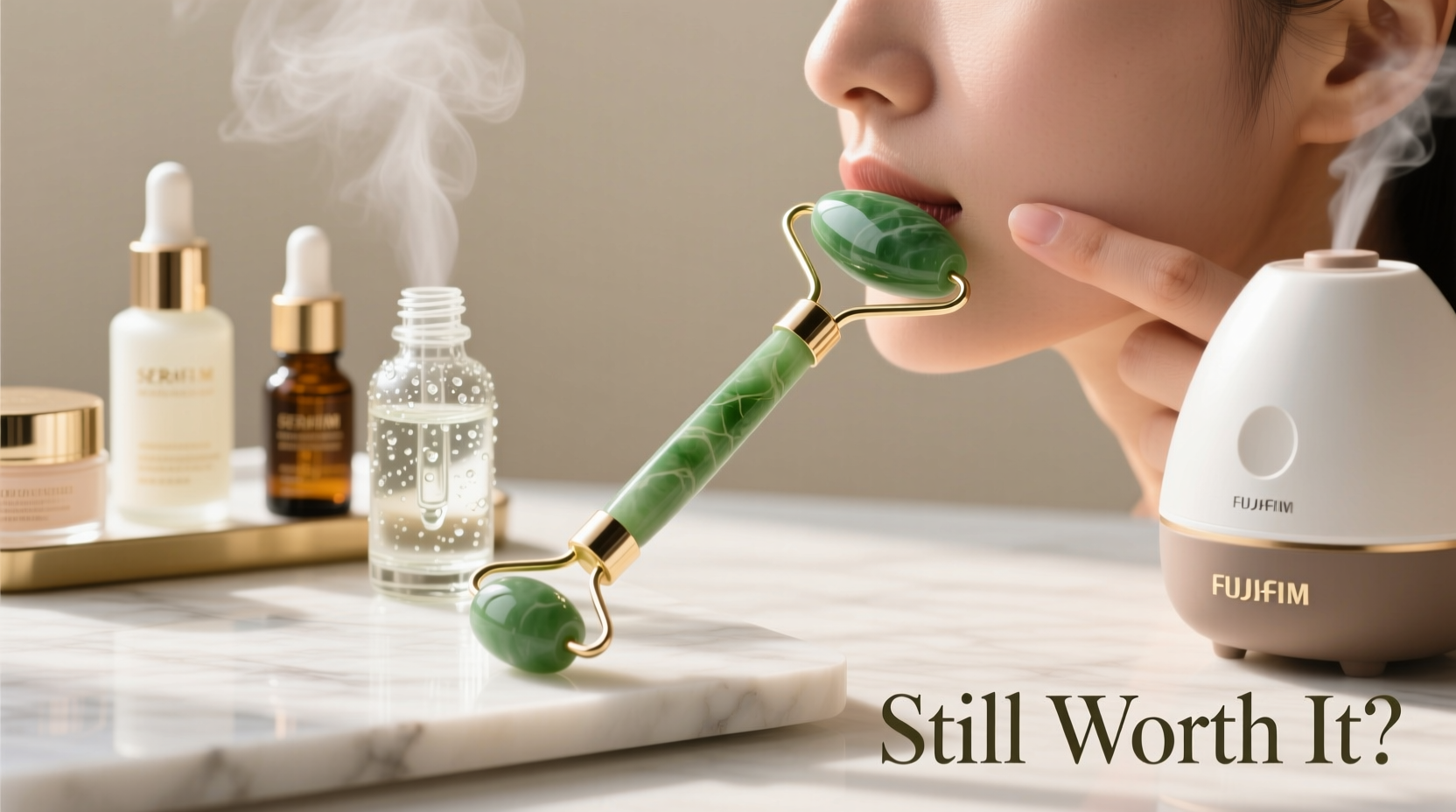
Jade has long been revered in Chinese culture for its symbolic connection to purity, balance, and longevity. Historical records suggest that facial massage tools made from nephrite jade were used as early as the 7th century by members of the imperial court. These tools were believed to promote circulation, support lymphatic drainage, and preserve youthful vitality.
Fast forward to the 21st century, and the jade roller reemerged globally—not through dermatology journals, but via influencer-led beauty trends. By the mid-2010s, it had become a staple in curated bathroom shelves, often paired with rose quartz crystals and sheet masks. Its rise was fueled less by clinical data and more by sensory appeal: cool stone, gentle pressure, and the ritual of slow, intentional movement across the face.
Yet popularity alone doesn’t equate to efficacy. As consumers grow more informed about active ingredients and evidence-based skincare, the question arises: does tradition hold up under modern scrutiny?
What Science Says About Facial Rolling and Lymphatic Drainage
The primary claim associated with jade rollers is improved lymphatic drainage. The lymphatic system plays a key role in removing waste and excess fluid from tissues. When sluggish—due to poor sleep, high sodium intake, or hormonal shifts—it can contribute to facial puffiness, especially around the eyes and jawline.
Manual lymphatic drainage (MLD), a technique performed by trained therapists, uses light, rhythmic strokes to encourage fluid movement toward lymph nodes. A jade roller mimics this motion, albeit at a much simpler level. While no large-scale clinical trials confirm that at-home rolling produces measurable lymphatic changes, smaller studies and anecdotal reports suggest temporary de-puffing effects.
“Facial massage can provide short-term improvements in contour and tone by stimulating circulation and reducing surface fluid retention. It’s not a miracle cure, but it’s far from meaningless.” — Dr. Lena Park, Board-Certified Dermatologist
Additionally, research published in the *Journal of Clinical and Aesthetic Dermatology* notes that consistent facial massage may enhance product absorption by temporarily increasing blood flow to the epidermis. This means your serum or moisturizer might penetrate slightly better after a few minutes of rolling—though results vary based on skin type and technique.
It’s important to clarify: jade rollers do not tighten skin, erase wrinkles, or stimulate collagen production on their own. Those outcomes require targeted actives (like retinoids or peptides) or energy-based procedures (such as radiofrequency or ultrasound therapy). But as an adjunctive tool? There’s merit.
Modern Alternatives: How Jade Rollers Compare
Today’s market offers advanced facial tools that outperform jade rollers in specific areas. Below is a comparison of common devices based on function, cost, and scientific backing:
| Tool | Primary Benefit | Scientific Support | Average Cost |
|---|---|---|---|
| Jade Roller | Cooling effect, mild lymphatic stimulation | Low to moderate (anecdotal/limited) | $15–$40 |
| Gua Sha Tool | Defined contours, increased circulation | Moderate (some clinical observation) | $20–$60 |
| Microcurrent Device (e.g., NuFACE) | Muscle toning, temporary lifting | High (FDA-cleared for facial stimulation) | $200–$400 |
| LED Light Therapy Mask | Acne reduction, collagen support | High (multiple peer-reviewed studies) | $250+ |
While high-tech options deliver more dramatic results, they also come with steeper learning curves and price tags. The jade roller remains accessible, intuitive, and soothing—an entry point into mindful skincare rather than a replacement for advanced technology.
Tip: For enhanced cooling, store your jade roller in the refrigerator for 10–15 minutes before use. Avoid freezing, as extreme temperatures may damage natural stone.When a Jade Roller Still Makes Sense
Despite evolving trends, there are clear scenarios where a jade roller adds genuine value:
- Morning puffiness relief: After a salty meal or restless night, a few minutes of rolling can help shift trapped fluid and refresh the complexion.
- Routine anchoring: Incorporating the roller into a morning or evening ritual encourages consistency in skincare habits.
- Sensory grounding: The tactile experience promotes mindfulness, making it useful for those managing stress-related breakouts or tension-induced clenching.
- Product layering aid: Gently pressing actives into the skin with a roller may improve adherence without tugging.
However, effectiveness depends heavily on technique. Many users apply too much pressure or roll in incorrect directions, potentially causing irritation or counterproductive pulling.
Step-by-Step Guide: How to Use a Jade Roller Correctly
- Cleanse first: Start with a clean face to prevent pushing dirt into pores.
- Apply serum or oil: Use a lightweight facial oil or hydrating essence to reduce friction.
- Begin at the center: Always roll outward—from nose to ear, chin to jawline—to follow natural lymphatic pathways.
- Use the small end for delicate areas: Under the eyes and around the brows.
- Use upward motions: Lift from the neck toward the ears, jawline to cheeks, and forehead outward.
- Repeat each stroke 3–5 times: Gentle repetition is more effective than force.
- End at lymph nodes: Finish near the ears and down the neck to encourage drainage.
- Clean after use: Wipe with a soft cloth and mild soap weekly.
Consistency matters more than duration—a two-minute session daily yields better cumulative results than sporadic five-minute sessions.
Real Example: A Skincare Enthusiast’s Experience
Maya, a 34-year-old marketing professional, began using a jade roller during a period of chronic fatigue and periorbital swelling. “I wasn’t sleeping well, and my face looked puffy by midday,” she recalls. Skeptical but willing to try anything, she incorporated the roller into her morning routine alongside her vitamin C serum.
Within two weeks, she noticed her under-eye area appeared less swollen. “It wasn’t transformative like a chemical peel, but I felt more awake. Plus, taking those few minutes each morning became a moment of calm before the chaos.”
She eventually added gua sha to her regimen but kept the jade roller for days when she wanted something quick and soothing. “It’s not magic,” she says, “but it helps me stay connected to my skin.”
Her story reflects a growing sentiment: the value of skincare tools isn’t always measured in visible transformation, but in the quality of daily practice.
Checklist: Is a Jade Roller Right for You?
Answer these questions to determine if a jade roller aligns with your needs:
- Do you struggle with morning facial puffiness?
- Are you looking for ways to make your skincare routine more intentional?
- Do you prefer non-invasive, low-cost tools over electronic devices?
- Are you open to complementary practices that support—but don’t replace—active ingredients?
- Do you enjoy rituals that incorporate touch and mindfulness?
If most answers are “yes,” a jade roller could be a worthwhile addition. If you're seeking dramatic anti-aging results or acne correction, prioritize clinically proven treatments instead.
Frequently Asked Questions
Can jade rollers really reduce wrinkles?
No, jade rollers cannot eliminate wrinkles. They may temporarily plump the skin via increased circulation, creating a smoother appearance, but they do not address the structural causes of aging like collagen loss or elastin degradation.
How often should I use a jade roller?
Daily use is safe and recommended—once in the morning for de-puffing or once at night to relax facial muscles. Overuse isn’t harmful, but excessive pressure can irritate sensitive skin.
Are all jade rollers authentic?
Not necessarily. Many inexpensive versions are made from synthetic materials or lower-quality stones. Look for products labeled “natural nephrite jade” and purchase from reputable brands to ensure authenticity.
Final Verdict: Outdated Trend or Timeless Tool?
Jade rollers are not outdated—but they are misunderstood. Their resurgence was undoubtedly amplified by trend cycles, but their staying power comes from a blend of historical wisdom, sensory satisfaction, and subtle physiological benefits.
They won’t replace prescription retinoids or professional facials. But as part of a holistic approach to skin wellness—one that values both science and self-care—they remain relevant. The key is reframing them not as miracle workers, but as facilitators of intentionality.
In a world of fast fixes and digital overload, sometimes the most radical act is slowing down. Running a cool stone across your face forces you to pause, breathe, and tune into how your skin feels today. That kind of awareness is never out of style.
💬 Still unsure? Try it for 14 days. Use the roller every morning with your favorite serum. Track changes in puffiness, product feel, and personal mood. Then decide—not based on hype, but on your own experience.








