Jade rollers have become a staple on vanity tables across social media feeds. With their cool touch, smooth glide, and photogenic appeal, it’s no wonder they’ve earned cult status in the beauty world. But behind the Instagram aesthetics lies a pressing question: Are jade rollers actually effective, or are they merely overpriced skincare props with little functional value?
The answer isn’t as simple as yes or no. While some benefits are backed by dermatology and lymphatic science, others fall into the realm of placebo or aesthetic ritual. To separate fact from fad, we need to examine the history, mechanics, clinical evidence, and practical use of jade rollers in modern skincare routines.
A Brief History of Jade Rollers
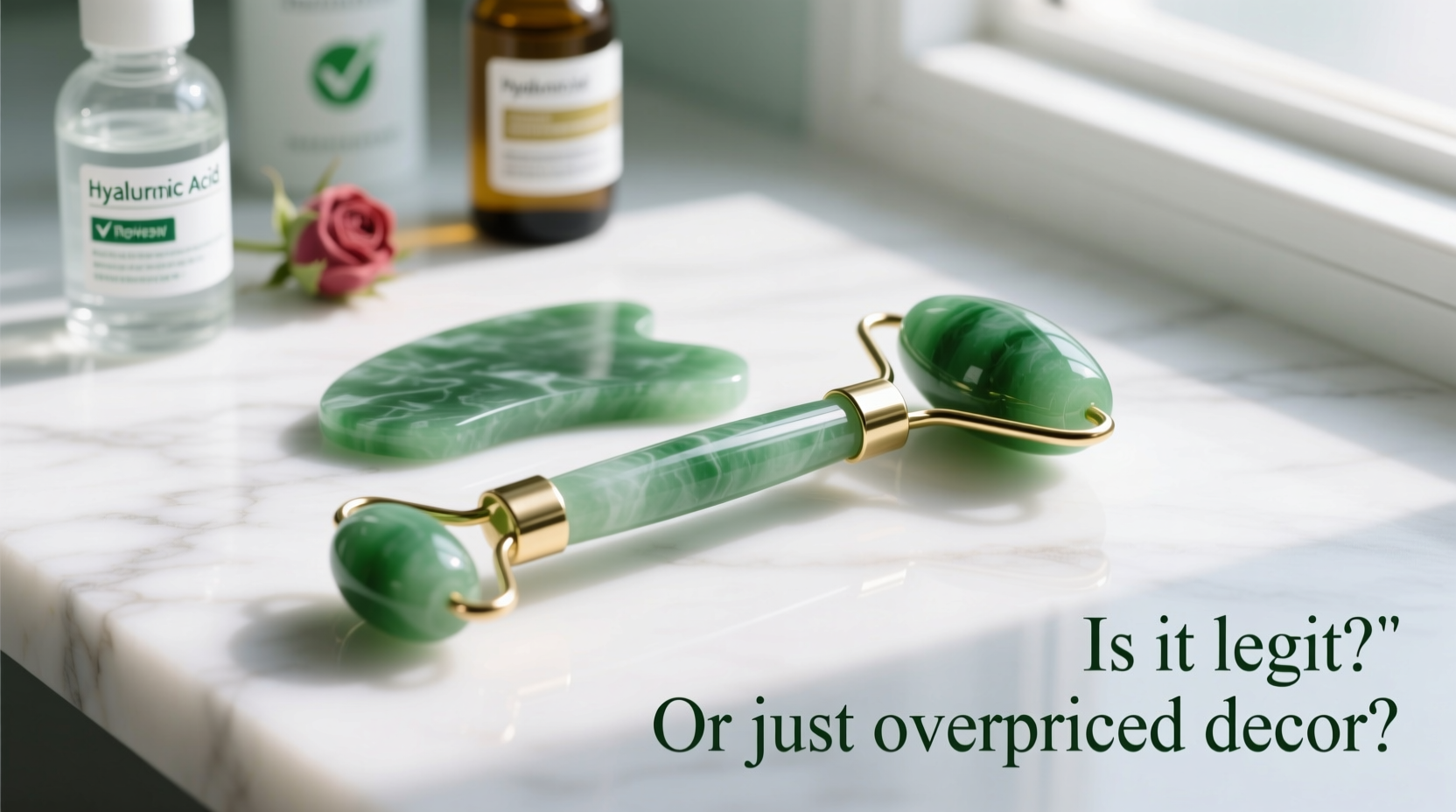
Jade rollers trace their origins to traditional Chinese medicine, where jade has long been revered for its healing and balancing properties. Historically, these tools were used by royalty and emperors not only for physical wellness but also for spiritual harmony. The practice involved rolling the stone across the face and body to stimulate energy flow—what is known as “qi” or “chi.”
Fast forward to the 21st century, and jade rollers have been rebranded as a self-care essential. Their popularity surged around 2017, fueled by influencers, celebrity endorsements, and luxury skincare brands. What was once a niche wellness tool became a $30–$150 accessory found in nearly every beauty influencer’s morning routine video.
But does historical tradition translate to measurable skincare results? Not necessarily. While cultural significance adds depth, efficacy must be evaluated through scientific and dermatological lenses.
The Science Behind Facial Rolling: Lymphatic Drainage and Circulation
The most commonly cited benefit of using a jade roller is improved lymphatic drainage. The lymphatic system helps remove toxins and excess fluid from tissues. When sluggish—due to poor sleep, dehydration, or stress—it can contribute to facial puffiness, especially under the eyes and along the jawline.
Facial massage, including rolling motions, may help stimulate this system. A 2018 study published in *Plastic and Reconstructive Surgery – Global Open* found that manual lymphatic drainage techniques reduced post-surgical swelling significantly. Though the study didn’t involve jade rollers specifically, the principle of gentle pressure aiding fluid movement holds merit.
Likewise, increased blood circulation from massage can give skin a temporary glow. Improved microcirculation brings oxygen and nutrients to the surface, which may enhance radiance and support cell turnover. Dermatologist Dr. Whitney Bowe notes:
“Gentle facial massage can boost circulation and may help products penetrate more effectively. It’s not magic, but it’s not meaningless either.” — Dr. Whitney Bowe, Board-Certified Dermatologist
However, it's important to clarify: any smooth, cool tool—not just jade—can produce similar effects. The material matters less than the motion and consistency of use.
What Jade Rollers Can (and Can’t) Do
To assess legitimacy, let’s break down common claims about jade rollers and evaluate them against available evidence.
| Claim | Supported? | Explanation |
|---|---|---|
| Reduces puffiness | ✅ Partially | Rolling may encourage lymphatic drainage, especially when done correctly in upward strokes. Most effective in the morning after fluid retention overnight. |
| Tightens skin / reduces wrinkles | ❌ No | No evidence that rolling improves collagen or elastin production. Anti-aging claims are overstated and lack clinical backing. |
| Improves product absorption | 🟡 Possibly | Gentle pressure may push serums deeper into the epidermis, though studies are limited. Best used after applying lightweight liquids or oils. |
| Defines jawline | ❌ No | Temporary de-puffing might create illusion of definition, but bone structure and fat distribution aren’t altered by rolling. |
| Calms inflammation | ✅ Yes (with cold use) | Cool stone applied gently can constrict blood vessels and soothe irritated skin, similar to using a chilled spoon on under-eye bags. |
How to Use a Jade Roller Effectively (If You Choose To)
If you decide to incorporate a jade roller into your routine, technique matters far more than the tool itself. Random rolling won’t yield benefits. Follow this step-by-step guide for optimal results:
- Cleanse your face – Start with a clean canvas to avoid pushing dirt into pores.
- Apply a serum or facial oil – This reduces friction and allows the roller to glide smoothly.
- Begin at the center of the face – Use the larger end for cheeks, forehead, and neck; smaller end for under-eyes and nose.
- Roll outward and upward – Always move toward lymph nodes (ears, jawline, collarbone). Never drag skin downward.
- Use light pressure – Let the weight of the roller do the work. Excessive force can damage capillaries.
- Spend 3–5 minutes total – Focus on areas prone to puffiness: under-eyes, jaw, temples.
- Wipe the roller clean afterward – Use a soft cloth and mild soap to prevent bacterial buildup.
Consistency is key. Occasional use won’t produce noticeable changes. For best results, integrate rolling into your morning or evening regimen 4–5 times per week.
Jade vs. Other Materials: Does the Stone Matter?
Jade is often marketed as energetically cleansing and emotionally balancing. From a metaphysical standpoint, many users report a sense of calm during use. However, from a dermatological perspective, there’s no significant difference between jade, rose quartz, amethyst, or even stainless steel rollers—provided they’re smooth and non-porous.
That said, natural stones like jade retain cold better than plastic or metal alternatives, enhancing the soothing effect. They also feel more luxurious and distribute pressure evenly. But if budget is a concern, a well-designed synthetic roller can deliver comparable physical benefits.
The real issue arises with counterfeit or low-quality jade rollers made from dyed resin or glass. These may leach chemicals or harbor bacteria due to porous surfaces. Always purchase from reputable brands and inspect for authenticity—real jade feels cool to the touch and has subtle variations in color and texture.
Mini Case Study: Two Months with a Jade Roller
Sophia, a 34-year-old marketing executive, decided to test the claims of jade rolling after seeing consistent praise online. She purchased a mid-range jade roller ($45) and committed to using it every morning for two months. Her routine included cleansing, applying hyaluronic acid serum, and rolling for five minutes before moisturizer and SPF.
At the end of eight weeks, Sophia noticed her under-eye area appeared less puffy, particularly on days she slept poorly. She also reported enjoying the ritual, saying it helped her transition into the day mindfully. However, she saw no change in fine lines, acne, or overall skin texture. A follow-up consultation with her dermatologist confirmed that while the roller likely aided mild lymphatic drainage, it wasn’t influencing deeper skin concerns.
Her conclusion? “It’s not a miracle tool, but it’s a nice addition to my routine—if only for the five minutes of quiet I get before work.”
Expert Insight: What Dermatologists Really Think
Board-certified dermatologists remain cautiously neutral on jade rollers. While they don’t dismiss them outright, they emphasize managing expectations.
“Jade rollers aren’t harmful, and they can provide a modest depuffing effect. But they shouldn’t replace proven treatments like retinoids, sunscreen, or prescription therapies for aging or acne.” — Dr. Angela Kim, Cosmetic Dermatologist
Experts agree that the psychological benefit—the mindfulness, the tactile sensation, the ritual of self-care—is perhaps the most valuable aspect. In an era of high stress and screen fatigue, taking time to gently massage your face can be a form of mental reset.
Still, dermatologists warn against exaggerated marketing. Claims like “detoxifies skin,” “drains toxins,” or “reshapes your face” are misleading. Skin doesn’t “detox” via rolling, and facial structure cannot be altered without surgical or injectable intervention.
Checklist: Is a Jade Roller Right for You?
Before buying, ask yourself the following questions:
- Am I looking for a relaxing addition to my skincare routine?
- Do I struggle with morning facial puffiness?
- Am I willing to use it consistently, not just display it?
- Have I prioritized proven skincare basics (sunscreen, cleanser, moisturizer)?
- Am I purchasing from a trusted source to avoid fake materials?
If you answered yes to most of these, a jade roller could be a worthwhile investment—for its function and ritual value. If you're hoping for dramatic anti-aging results or a non-invasive facelift, save your money.
Frequently Asked Questions
Can I use a jade roller if I have acne-prone skin?
Yes, but with caution. Avoid rolling directly over active cystic breakouts or open lesions, as this can spread bacteria or cause irritation. Clean the roller thoroughly after each use and pair it with non-comedogenic products.
How often should I clean my jade roller?
After every use. Wipe it with a soft, damp cloth and mild soap. Once a week, deep-clean with rubbing alcohol on a cotton pad, then rinse and air-dry. This prevents bacterial accumulation, especially if used with oils or creams.
Is there a right way to store a jade roller?
Store it in a dry place away from direct sunlight to preserve the stone. For enhanced depuffing, keep it in the refrigerator—but never the freezer, as extreme temperatures can crack natural stone.
Final Verdict: Legit Tool or Overpriced Decor?
Jade rollers sit in a gray zone between wellness ritual and functional skincare. They are not medical devices, nor are they replacements for clinically proven treatments. However, they are not entirely without merit.
Their primary benefits—temporary reduction of puffiness, mild improvement in circulation, and potential enhancement of product glide—are real but modest. The cooling sensation and rhythmic motion offer tangible sensory comfort, making them a compelling part of a mindful skincare ritual.
Where jade rollers cross into “overpriced decor” territory is when they’re sold with inflated promises. At $100+ for a piece of polished stone, buyers are often paying for branding, aesthetics, and influencer hype rather than performance. A $20 authentic roller used properly will outperform a $120 decorative one used occasionally.
In essence, the legitimacy of a jade roller depends on how you define “legit.” If you expect visible, lasting improvements in skin texture or firmness, you’ll be disappointed. But if you value small moments of daily care, a tactile connection to your routine, and a slight edge against morning puffiness, then a jade roller can earn its place on your sink.
💬 Have you tried a jade roller? Did it make a difference—or did it become another forgotten vanity item? Share your experience below and help others decide whether this trend is worth the hype.








