Skiing in sub-zero temperatures demands more than just a good jacket and goggles—your extremities are often the first to feel the cold. Among the most debated accessories in winter sports gear is the heated glove. Marketed as a game-changer for skiers battling frostbite and numb fingers, these gloves promise consistent warmth through built-in heating elements powered by rechargeable batteries. But with prices often double or triple those of premium non-heated models, many wonder: Are heated gloves truly worth it for skiing, or are they just an overpriced novelty?
The answer isn’t black and white. For some skiers, especially those with poor circulation or who ski in extreme climates, heated gloves deliver tangible benefits. For others, particularly casual resort skiers in milder conditions, they may be unnecessary. To make an informed decision, it’s essential to understand how they work, their pros and cons, and how they stack up against traditional insulation.
How Heated Gloves Work: Technology Behind the Warmth
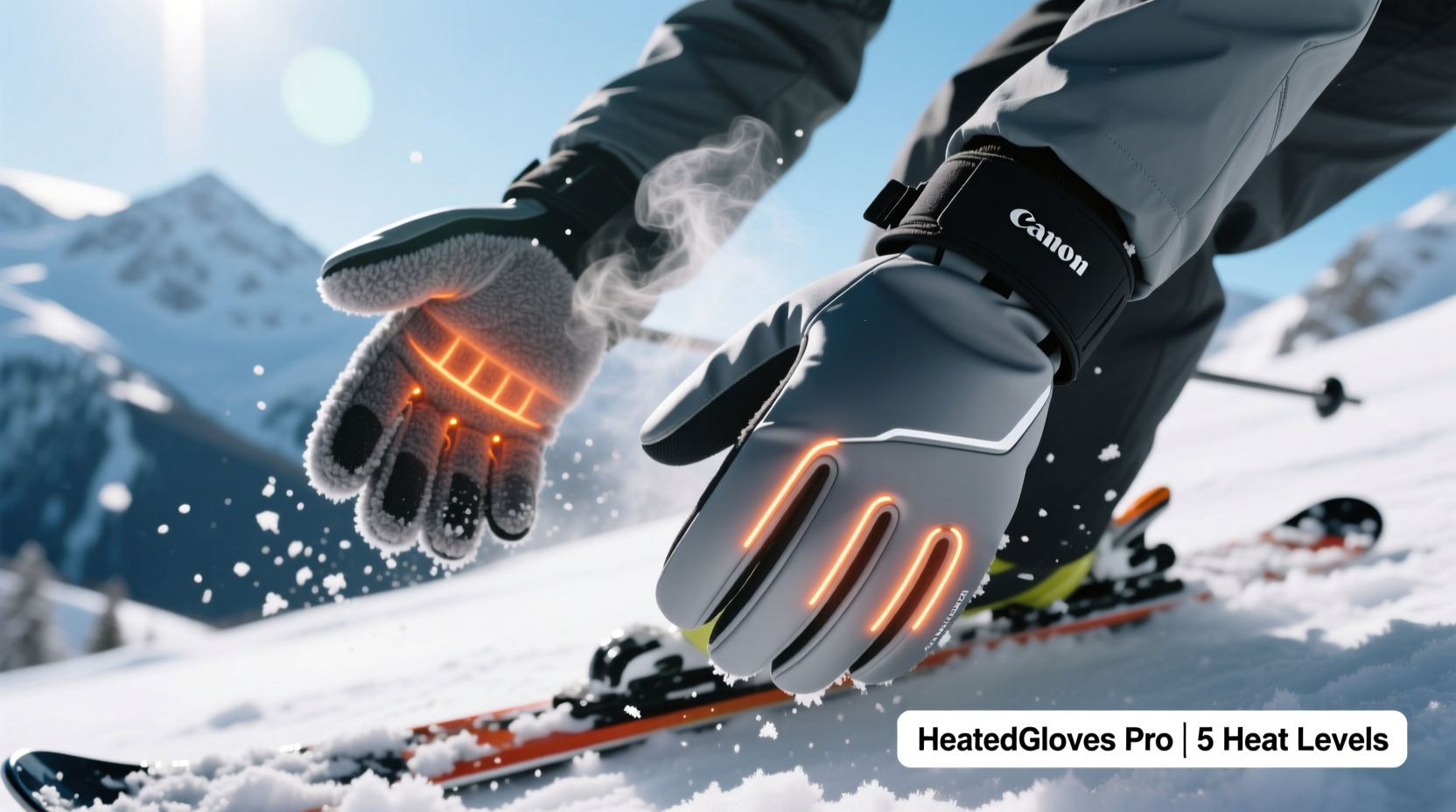
Heated gloves integrate thin, flexible heating elements—usually carbon fiber or metal alloy wires—into key areas like the back of the hand, fingertips, and palm. These elements connect to a small, rechargeable lithium-ion battery, typically housed in a pocket on the wrist or cuff. Most models offer multiple heat settings (low, medium, high), allowing users to adjust warmth based on weather and activity level.
Modern versions are designed to be lightweight and flexible, with moisture-wicking liners and waterproof shells that meet the same standards as high-end ski gloves. The heating system is controlled via a simple button or dial, and battery life ranges from 2 to 8 hours depending on the setting and model.
Unlike passive insulation—which traps body heat but can fail when wet or in extreme cold—heated gloves actively generate warmth. This active thermal regulation makes them uniquely effective in situations where passive insulation reaches its limits.
Tip: Always charge your heated gloves fully before heading out, and carry a spare battery if planning a full-day ski session.Benefits of Heated Gloves for Skiers
The primary appeal of heated gloves lies in their ability to maintain consistent hand temperature, even in frigid conditions. Here’s where they shine:
- Superior warmth in extreme cold: At temperatures below -15°C (5°F), standard insulated gloves often struggle. Heated gloves can maintain comfort where others fail.
- Improved dexterity: Cold hands stiffen and lose fine motor control. By keeping fingers warm, heated gloves help maintain grip and responsiveness when adjusting poles, zippers, or goggles.
- Better circulation support: Skiers with Raynaud’s syndrome or poor peripheral circulation benefit significantly from the steady heat supply.
- Consistent performance in wet conditions: While no glove is completely immune to moisture, heated gloves continue warming even if damp—unlike wool or synthetic liners that lose insulating properties when wet.
- Customizable heat levels: Adjust settings as needed throughout the day, turning up the heat during chairlift rides and lowering it during intense runs.
For backcountry skiers, mountaineers, or guides spending extended time in harsh alpine environments, this level of control can be a safety feature, not just a comfort upgrade.
“Maintaining hand function in cold environments isn’t just about comfort—it’s critical for safety. Heated gloves can prevent early signs of frostnip and improve overall operational capability.” — Dr. Lena Torres, Outdoor Medicine Specialist
Drawbacks and Practical Limitations
Despite their advantages, heated gloves come with trade-offs that may deter some users:
- Bulk and fit: The added layers of wiring and battery housing can make heated gloves slightly bulkier than traditional models, potentially affecting fit and tactile sensitivity.
- Battery dependency: If the battery dies mid-day, you’re left relying solely on passive insulation, which may be thinner than in non-heated counterparts.
- Cost: Prices range from $150 to over $300, compared to $80–$150 for top-tier non-heated gloves.
- Maintenance complexity: Charging, battery care, and potential electronic failure add another layer of upkeep.
- Limited run time on high settings: Using maximum heat may drain batteries in 2–3 hours, requiring spares for full-day use.
Additionally, not all brands deliver equal quality. Lower-tier models may have inconsistent heating zones, fragile wiring, or poor waterproofing. It’s crucial to invest in reputable brands known for both electronics and outdoor gear durability.
Real-World Use: A Case Study from the Rockies
Consider Mark, a ski instructor at a Colorado resort who teaches year-round. During January, temperatures regularly drop to -20°C (-4°F) with wind chill. Despite wearing high-end merino liner gloves and thick mittens, he frequently suffered from numb fingertips by mid-morning, affecting his ability to demonstrate pole plants and adjust equipment.
In his third season, Mark invested in a pair of premium heated gloves. He set them to low heat during active teaching and switched to high during chairlift ascents. Over the season, he reported zero episodes of finger numbness, improved dexterity, and greater overall endurance in cold conditions. While the initial cost was steep, he considered it a worthwhile investment given his daily exposure to extreme cold.
However, his colleague Sarah, who teaches only on weekends, found her traditional gloves sufficient. She skis in similar conditions but spends less continuous time outdoors. For her, the extra cost and battery management weren’t justified. Her experience highlights a key insight: the value of heated gloves depends heavily on usage intensity and individual physiology.
Comparison: Heated vs. Traditional Ski Gloves
| Feature | Heated Gloves | Traditional Insulated Gloves |
|---|---|---|
| Warmth Level | Active heating; adjustable | Passive insulation; fixed |
| Best For | Extreme cold, long exposure, poor circulation | Moderate cold, occasional use |
| Average Price | $150–$300+ | $80–$180 |
| Battery Required | Yes (rechargeable) | No |
| Dexterity | Good (slightly bulkier) | Excellent (lighter options available) |
| Maintenance | Charging, battery care | Drying, occasional reproofing |
| Lifespan | 3–5 years (electronics may degrade) | 4–7 years (with proper care) |
This comparison shows that while heated gloves excel in specific scenarios, traditional gloves remain highly effective—and often more practical—for many skiers.
When Heated Gloves Make Sense: A Decision Checklist
Before investing, ask yourself the following questions. The more “yes” answers, the more likely heated gloves are worth it for you:
- Do you frequently ski in temperatures below -10°C (14°F)?
- Do you suffer from cold hands, Raynaud’s, or poor circulation?
- Are you a ski instructor, guide, or spend 6+ hours daily on the mountain?
- Do you ski in deep powder or backcountry where mobility and dexterity are critical?
- Have you tried multiple high-end non-heated gloves without success?
- Are you willing to manage battery charging and carry spares when needed?
If four or more apply, heated gloves could significantly enhance your experience. If fewer, you might be better served by upgrading your liner strategy or using hand warmers inside traditional gloves.
Tip: Pair heated gloves with thin merino wool or silk liners for added warmth and moisture control—avoid cotton, which retains sweat.Top Tips for Maximizing Performance
To get the most out of heated gloves, follow these best practices:
- Preheat before use: Turn gloves on while dressing to start with warm hands.
- Use lower settings when active: Your body generates heat while skiing—reserve high heat for lifts or rest breaks.
- Carry spare batteries: Especially on full-day tours or in extreme cold.
- Store batteries charged at 50–60%: Prolong battery lifespan by avoiding full discharge or overcharging.
- Keep gloves dry: Even waterproof models degrade faster if left damp—dry thoroughly after each use.
- Test before the season: Ensure all heating zones work and firmware (if applicable) is updated.
Frequently Asked Questions
Can I wash heated gloves?
Most manufacturers recommend spot-cleaning only. Never submerge heated gloves or put them in a washing machine, as water can damage internal circuits. Some models allow removal of the battery and liner for safer cleaning, but always check the care label.
Are heated gloves safe in wet snow?
Yes, high-quality models are designed with sealed wiring and waterproof exteriors. The heating elements are insulated and tested for moisture resistance. However, prolonged submersion or damage to the shell can compromise safety—inspect regularly for wear.
Do heated gloves really last as long as regular ones?
With proper care, they can last 3–5 seasons. However, the electronic components may fail before the outer shell wears out. Battery capacity also diminishes over time. Compare warranties—many brands offer 1–2 years on electronics and longer on materials.
Final Verdict: Not a Gimmick, But Not for Everyone
Heated gloves are far from a gimmick. For skiers exposed to extreme cold, long durations, or circulatory challenges, they offer measurable improvements in comfort, performance, and safety. The technology has matured, with reliable, durable options now available from trusted outdoor brands.
Yet, they aren’t a universal upgrade. Casual skiers, those in milder climates, or budget-conscious buyers may find excellent warmth from well-layered traditional gloves at a lower cost and with less maintenance.
The decision ultimately hinges on personal needs, not marketing hype. If cold hands consistently ruin your day on the slopes, and you’ve maxed out passive insulation, heated gloves are a logical next step. But if you only ski occasionally in moderate conditions, you’ll likely do just fine—and save money—by sticking with proven insulation methods.
🚀 Ready to conquer the cold? Assess your skiing habits, try heated gloves on rental if possible, and invest wisely. Share your experience in the comments—your insights could help another skier make the right call!








