Cycling through winter presents unique challenges, especially when temperatures drop below freezing. One of the most common complaints among urban commuters is numbness in the hands caused by prolonged exposure to wind, cold, and vibration from handlebars. This discomfort not only reduces control over the bike but can also make the entire experience unpleasant enough to discourage regular riding. In recent years, heated gloves have emerged as a promising solution. But do they actually work? And more importantly, are they worth integrating into your winter cycling routine?
The short answer is yes—when chosen wisely and used correctly, heated gloves can be highly effective for winter cycling commutes. They provide targeted warmth, improve dexterity, and enhance safety by maintaining blood circulation in the fingers. However, their effectiveness depends on several factors, including battery life, heating zones, fit, waterproofing, and compatibility with touchscreens or gear shifting.
How Heated Gloves Work
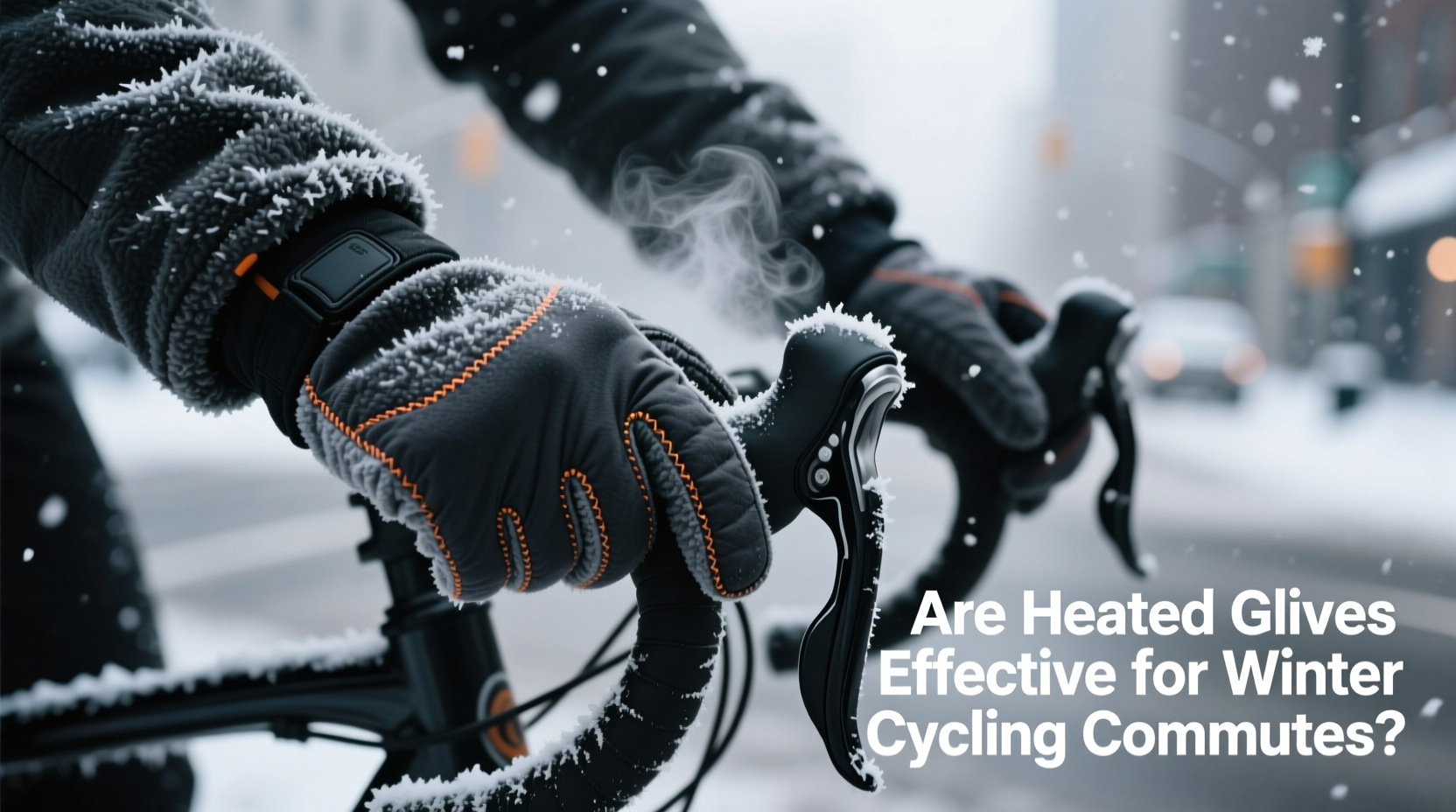
Heated gloves incorporate thin, flexible heating elements—usually made from carbon fiber or metal alloys—into the fabric lining of the glove. These elements are connected to a small, rechargeable lithium-ion battery pack, often tucked into a wrist pocket or integrated into the cuff. When activated, the heating system generates consistent thermal output across key areas such as the back of the hand, fingertips, and palm.
Most models offer multiple heat settings (typically low, medium, and high), allowing riders to adjust warmth based on external conditions. Advanced versions include Bluetooth connectivity and smartphone apps that let users fine-tune temperature levels and monitor battery status in real time.
The science behind their function is straightforward: cold constricts blood vessels, reducing circulation and leading to numbness. By applying gentle, consistent heat, these gloves help maintain core finger temperature, preserving nerve sensitivity and muscle responsiveness—critical for braking, gear changes, and handling potholes or icy patches.
Tip: Always preheat your gloves for 5–10 minutes before starting your ride to establish baseline warmth before exposure to wind chill.Benefits of Using Heated Gloves for Winter Commuting
- Improved Dexterity: Warm fingers retain flexibility and strength, enabling better grip and precise control over brake levers and shifters.
- Enhanced Safety: Numb hands react slower. Maintaining tactile awareness reduces accident risk, especially during sudden stops or evasive maneuvers.
- Comfort Over Long Distances: For commutes exceeding 30 minutes, passive insulation alone may not suffice. Active heating fills the gap where wool or synthetic liners fall short.
- Wind and Moisture Resistance: Many heated gloves double as weatherproof gear, featuring wind-resistant outer shells and water-repellent treatments that protect against sleet and road spray.
- Mental Focus: Physical discomfort distracts. Keeping hands warm allows riders to stay mentally present and alert throughout the journey.
“Thermal regulation in extremities is one of the biggest determinants of endurance and comfort in cold-weather exercise.” — Dr. Lena Patel, Sports Physiologist at Northern Climate Research Institute
Key Features to Look For
Not all heated gloves are created equal. To ensure maximum effectiveness for cycling, prioritize the following features:
| Feature | Why It Matters | Recommended Standard |
|---|---|---|
| Battery Life | Determines how long warmth lasts; critical for longer commutes | At least 3–5 hours on medium setting |
| Heat Zones | More zones = even warmth distribution | Back of hand + fingers + palm coverage |
| Water Resistance | Prevents dampness from rain, snow, or sweat | Water-repellent outer shell with breathable membrane |
| Touchscreen Compatibility | Allows phone use without removing gloves | Conductive thread on index finger and thumb |
| Fit and Flexibility | Affects control over handlebars and controls | Slim profile, articulated fingers, stretch panels |
| Charging Time | Impacts convenience between rides | Under 2.5 hours for full charge |
Real-World Example: A Toronto Commuter’s Experience
Jamie R., a software developer who cycles 12 km daily from Parkdale to downtown Toronto, began using heated gloves after two consecutive winters of hand numbness led to reduced confidence on icy roads. “I tried every kind of liner and insulated glove,” she said. “But nothing stopped the tingling after 20 minutes.”
In November 2023, Jamie invested in a mid-range pair of heated cycling gloves with three heat settings and IPX4 water resistance. She set them to medium during her morning commute, which averages -8°C with wind chill. “The difference was immediate. My fingers stayed responsive, and I didn’t have to stop halfway to stomp my feet and shake out my hands.”
Over four months, she reported zero instances of frostnip and improved overall morale during dark winter mornings. The only drawback? Forgetting to charge the gloves overnight occasionally left her unprepared. “Now I keep the USB cable next to my bike helmet so I plug them in right after work.”
Common Pitfalls and How to Avoid Them
Despite their benefits, some cyclists report disappointment with heated gloves. Most issues stem from poor expectations or misuse rather than product failure.
Tip: Pair heated gloves with aerodynamic bar mitts or pogies for added wind protection and extended battery efficiency.- Assuming they replace proper layering: Heated gloves are not a substitute for good base layers. Wear moisture-wicking liner gloves underneath if needed, but avoid thick layers that compress the heating elements.
- Ignoring battery management: Cold drains batteries faster. Keep spare charged packs or store the battery close to your body when possible to maintain performance.
- Poor fit compromising control: Bulky gloves can make brake modulation difficult. Always test gloves while gripping your handlebars before committing to long-term use.
- Overestimating waterproofing: While many models claim water resistance, submersion or heavy downpours may still penetrate seams. Consider additional protection like bar mitts in wet climates.
Step-by-Step Guide: Choosing and Using Heated Gloves Effectively
- Measure Your Hand Size: Use a tape measure around the widest part of your palm (excluding thumb). Compare with manufacturer sizing charts—never guess.
- Identify Your Commute Conditions: Note average temperature, wind speed, precipitation frequency, and ride duration to determine required battery life and insulation level.
- Select a Model Designed for Cycling: Look for anatomical shaping, reinforced palms, and compatibility with brake levers. Avoid generic outdoor or ski versions.
- Test Before Full Deployment: Wear the gloves indoors at each heat setting to assess comfort and check for hot spots or uneven heating.
- Charge Fully and Pre-Warm: Activate the gloves 5–10 minutes before departure to build initial warmth before encountering wind chill.
- Use Medium Setting First: Start on medium heat; you can increase if needed. High settings consume power quickly and may cause overheating during slow climbs or idling at lights.
- Store and Maintain Properly: After use, dry thoroughly away from direct heat. Charge periodically even during off-season to preserve battery health.
Frequently Asked Questions
Can I wash heated gloves?
Most models are not machine-washable due to electronic components. Clean them manually with a damp cloth and mild soap. Never submerge the gloves or battery pack. Always disconnect the battery before cleaning.
Do heated gloves work in extreme cold, like -20°C?
They help significantly but have limits. Below -15°C, battery efficiency drops sharply, and supplemental protection (like pogies) becomes essential. Some premium models are rated down to -25°C with proper usage, but expect shorter runtime.
Are heated gloves safe for daily use?
Yes, modern designs include overheat protection and auto-shutoff features. As long as you follow manufacturer guidelines and avoid wearing them while charging, they pose no health risks. People with circulatory conditions should consult a physician before relying solely on external heat sources.
Final Verdict: Are They Worth It?
For regular winter cyclists, heated gloves are more than a luxury—they’re a practical investment in safety, performance, and year-round commuting consistency. While traditional insulated gloves rely entirely on trapped air for warmth, heated gloves actively combat heat loss, making them uniquely suited to dynamic activities like cycling where wind chill rapidly strips away passive insulation.
That said, success hinges on choosing the right model for your specific needs. A $40 generic pair from an online marketplace may fail within weeks due to poor stitching, weak batteries, or inconsistent heating. Investing in a reputable brand designed specifically for active use—such as Gerbing, Sondors, or Seirus Outdoors—can yield years of reliable service.
Moreover, consider them part of a broader cold-weather strategy. Combine heated gloves with windproof jackets, thermal tights, shoe covers, and well-maintained bikes equipped with studded tires. Layer intelligently, stay visible, and always carry backup supplies in case of delays.
💬 Ready to conquer your winter commute? Try a quality pair of heated gloves this season and feel the difference firsthand. Share your experience or ask questions in the comments—your insights could help another cyclist brave the cold with confidence.








