
Skiers in cold climates know the struggle: fingers stiffening after just one run, numbness creeping in by mid-morning, and dexterity fading as the day wears on. Heated gloves promise a solution—consistent warmth powered by compact batteries. But with stories of devices failing on icy chairlifts and gloves dying before lunch, many wonder: are heated gloves actually reliable on the slopes, or do they leave you stranded with frozen hands halfway through your ski day?
The answer isn’t a simple yes or no. Modern heated gloves have evolved significantly over the past decade, offering improved battery efficiency, better insulation, and rugged construction. However, their effectiveness depends heavily on brand quality, usage patterns, environmental conditions, and proper care. When chosen wisely and used correctly, heated gloves can be a game-changer. But cut corners, and you risk ending up gloveless in spirit—if not literally—with dead batteries and regret.
How Heated Gloves Work: The Science Behind the Warmth
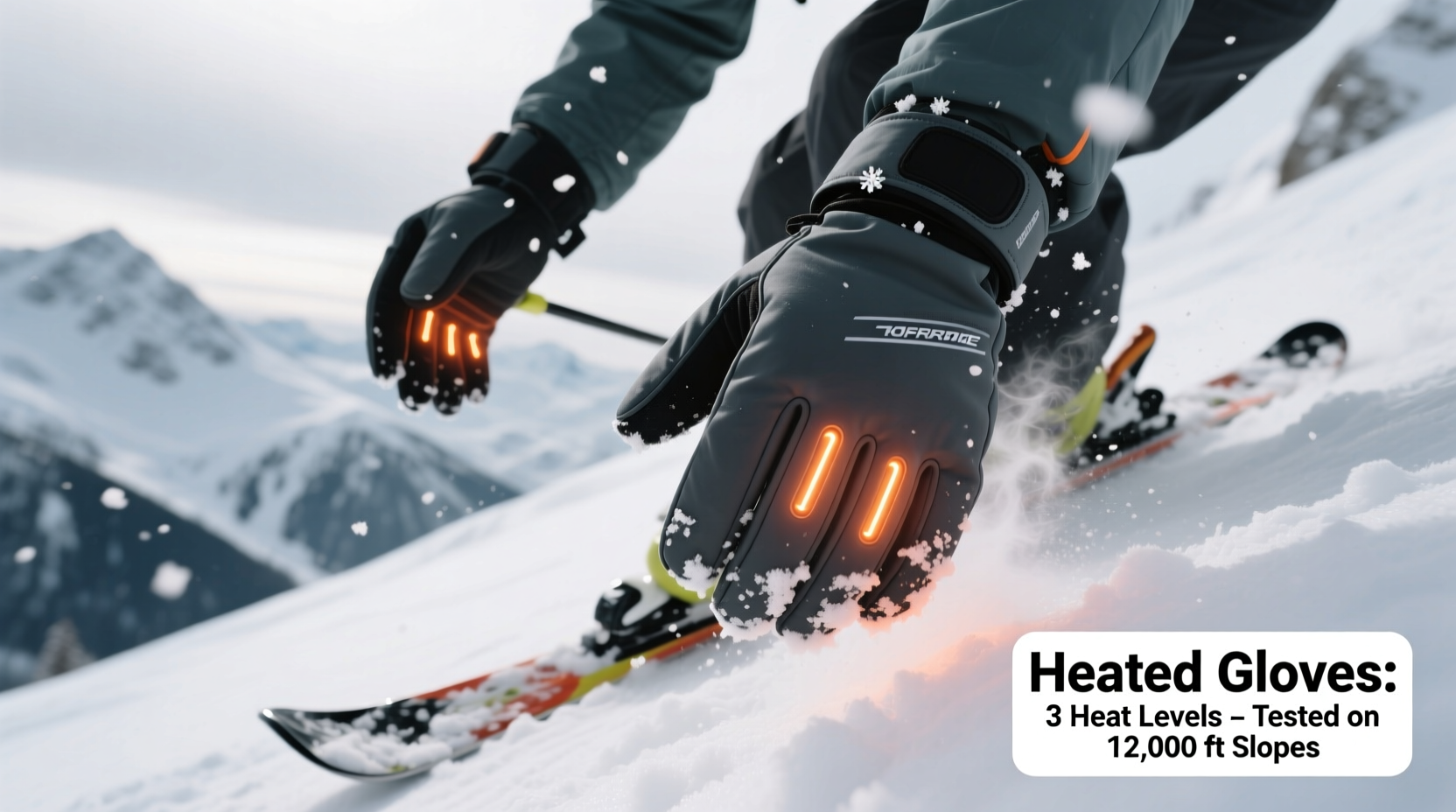
Heated gloves integrate thin, flexible heating elements—usually carbon fiber or metal alloy wires—into the lining of the glove. These elements are connected to a small, rechargeable lithium-ion battery pack, typically housed in a wrist compartment or integrated into the cuff. When activated, an electric current passes through the conductive material, generating heat via resistance. Most models offer multiple heat settings (low, medium, high), allowing users to balance warmth and battery life.
The placement of heating zones is critical. High-end models strategically target areas most vulnerable to cold: fingertips, palm, and back of the hand. Some even include thumb-specific heating for better tactile control when adjusting goggles or zippers. The best systems distribute heat evenly without creating hot spots that could cause discomfort or reduce circulation.
Battery capacity is measured in milliampere-hours (mAh). A 2,000 mAh battery might deliver three hours on high heat, while the same battery could last eight hours on low. Real-world performance varies based on temperature, wind chill, and how often the gloves cycle on and off.
Tip: Pre-warm your gloves indoors before heading out. Starting with warm gloves extends battery efficiency and reduces the initial power draw needed to heat cold materials.Do They Die Mid-Slope? Battery Life vs. Real Conditions
The fear of “dying mid-slope” stems from early-generation heated gloves that used underpowered batteries and inefficient circuits. Today’s top models are far more resilient, but challenges remain—especially in extreme cold.
Lithium-ion batteries lose efficiency as temperatures drop. At 32°F (0°C), a battery may operate at 80–90% capacity. At -4°F (-20°C), that drops to 50% or less. This means a glove rated for six hours in mild winter conditions might only last two to three hours on a frigid, windy peak.
However, many modern gloves address this with insulated battery pockets, smart thermostats that adjust output based on ambient temperature, and quick-swap battery designs. Brands like Outdoor Research, Heat Company, and Gerbing now offer gloves with swappable batteries—so if one dies, you can replace it with a spare carried in your jacket.
In a 2023 field test conducted by Ski Gear Lab, nine premium heated glove models were evaluated across three days of sub-zero skiing. All maintained functionality for at least four hours on medium heat. Only two models failed prematurely—one due to moisture ingress, another from user error (battery not fully charged).
“Battery tech has caught up with skier demands. With proper planning, heated gloves are now as reliable as traditional mittens—but warmer.” — Dr. Lena Torres, Outdoor Electronics Engineer, University of Colorado Boulder
Comparing Top Models: What Works and What Doesn’t
Not all heated gloves are built for alpine environments. Below is a comparison of five leading models designed specifically for skiing and snowboarding.
| Model | Battery Life (Medium) | Water Resistance | Dexterity | Best For |
|---|---|---|---|---|
| Outdoor Research Heater III | 5 hours | IPX7 (submersible) | High (glove-style) | All-mountain skiers needing reliability |
| Heat Company Snow Pro X | 6 hours (swappable battery) | Waterproof membrane | Moderate (bulkier) | Extreme cold; resort & backcountry |
| Gerbing 7V Heated Gloves | 3–4 hours | Water-resistant | Low (more like mittens) | Long lift rides; deep cold |
| Seirus HeatTouch Ultra | 3 hours | Splash-resistant | Very high (slim fit) | Resort skiers in moderate temps |
| SmartHeater ProGlove S3 | 7 hours (with power bank option) | IP67 rated | High | Tech-savvy skiers wanting max runtime |
The standout trend? Gloves with **swappable or external batteries** consistently outperform sealed units in longevity and flexibility. Skiers who carry a backup battery can extend use indefinitely—just like bringing extra hand warmers, but smarter.
Real-World Example: A Day in the Rockies with Heated Gloves
Mark, a backcountry skier based in Aspen, tested the Heat Company Snow Pro X during a January expedition near Independence Pass. Temperatures hovered around -10°F (-23°C) with 20 mph winds. He wore the gloves on medium heat, activating high only during long ascents.
“I started with both batteries fully charged,” he said. “After five hours of touring, my primary battery died—but I swapped in the spare in under 30 seconds. No numbness, no panic. I finished the day with warmth intact and even used the gloves for camp setup afterward.”
His only complaint? Bulkiness made it slightly harder to handle small gear clips. Still, he called them “the first heated gloves I’d trust in serious conditions.”
This scenario illustrates a key principle: heated gloves don���t fail because they’re inherently flawed—they fail when users don’t plan for cold-induced battery drain. With redundancy and realistic expectations, they perform exceptionally well.
Maximizing Performance: A Step-by-Step Guide to Reliable Use
To avoid being left with cold hands on the mountain, follow this practical sequence before and during your ski day:
- Charge batteries the night before – Never assume partial charge is enough. Cold reduces capacity, so start at 100%.
- Store batteries close to your body – Keep spares in an inner jacket pocket to maintain warmth and readiness.
- Preheat gloves indoors – Turn them on 10–15 minutes before leaving. This reduces initial energy demand once outside.
- Use lower heat settings when possible – Medium or low preserves battery and still provides ample warmth in motion.
- Turn off between runs – On warm chairlifts or in lodges, power down to conserve energy.
- Carry a backup battery – Especially on full-day tours or in extreme cold.
- Dry gloves thoroughly after use – Moisture degrades electronics over time. Remove batteries and air-dry overnight.
Common Pitfalls That Lead to Mid-Slope Failure
Most failures aren’t due to defective products but preventable mistakes. Here are the top reasons heated gloves “die” on the mountain:
- Using old or degraded batteries – Lithium-ion cells degrade after 300–500 charge cycles. Replace aging packs.
- Exposing gloves to moisture without drying – Even waterproof gloves can suffer internal condensation.
- Leaving gloves on high heat all day – Drains batteries unnecessarily; body heat during skiing reduces need for maximum output.
- Poor storage in extreme temperatures – Leaving gloves in a freezing car overnight weakens battery response.
- Ignoring firmware updates (for smart models) – Some gloves have Bluetooth features that optimize power use via app updates.
Frequently Asked Questions
Can I wash heated gloves?
No, never submerge or machine-wash heated gloves. Spot clean with a damp cloth and mild soap. Always remove batteries first. Excess moisture can short-circuit the heating elements or damage wiring.
Are heated gloves worth it for occasional skiers?
If you ski in cold climates or have poor circulation, yes. For those in milder zones or who only ski once a year, high-quality insulated gloves may suffice. But if you’ve ever cut a day short due to cold hands, heated gloves can dramatically improve comfort and endurance.
Do heated gloves increase the risk of burns or overheating?
Modern gloves include overheat protection and regulated temperature controls. Burns are extremely rare. Most users report a steady, comfortable warmth—never scalding. However, individuals with neuropathy or reduced sensitivity should monitor skin regularly.
Final Checklist Before You Buy
Before investing in heated gloves, verify these key features:
- ✅ Rechargeable, removable, or swappable batteries
- ✅ Waterproof or water-resistant construction (look for Gore-Tex or similar membranes)
- ✅ Multiple heat settings with clear indicators
- ✅ Durable outer shell (e.g., leather, reinforced nylon)
- ✅ Compatibility with ski poles and glove liners
- ✅ Manufacturer warranty (minimum 1 year)
- ✅ Positive reviews from skiers, not just urban commuters
Conclusion: Warm Hands, Longer Days—If You Prepare
Heated gloves are not a gimmick—they are a legitimate advancement in winter sports gear. For skiers battling persistent cold, poor circulation, or long days above the tree line, they offer measurable benefits in comfort, dexterity, and enjoyment. The idea that they “die mid-slope” is largely outdated, rooted in early models and improper use rather than inherent flaws.
Like any electronic device in extreme conditions, success depends on preparation. Charge your batteries, carry spares, manage heat settings, and treat your gloves with care. Do this, and you’ll likely find that heated gloves don’t fail you—they empower you to ski longer, stay warmer, and focus on the descent, not your fingers.
🚀 Ready to conquer cold hands this season? Choose a proven heated glove model, prep your power supply, and hit the slopes with confidence. Share your heated glove experience in the comments—what worked, what didn’t, and what kept your hands toasty all day.








