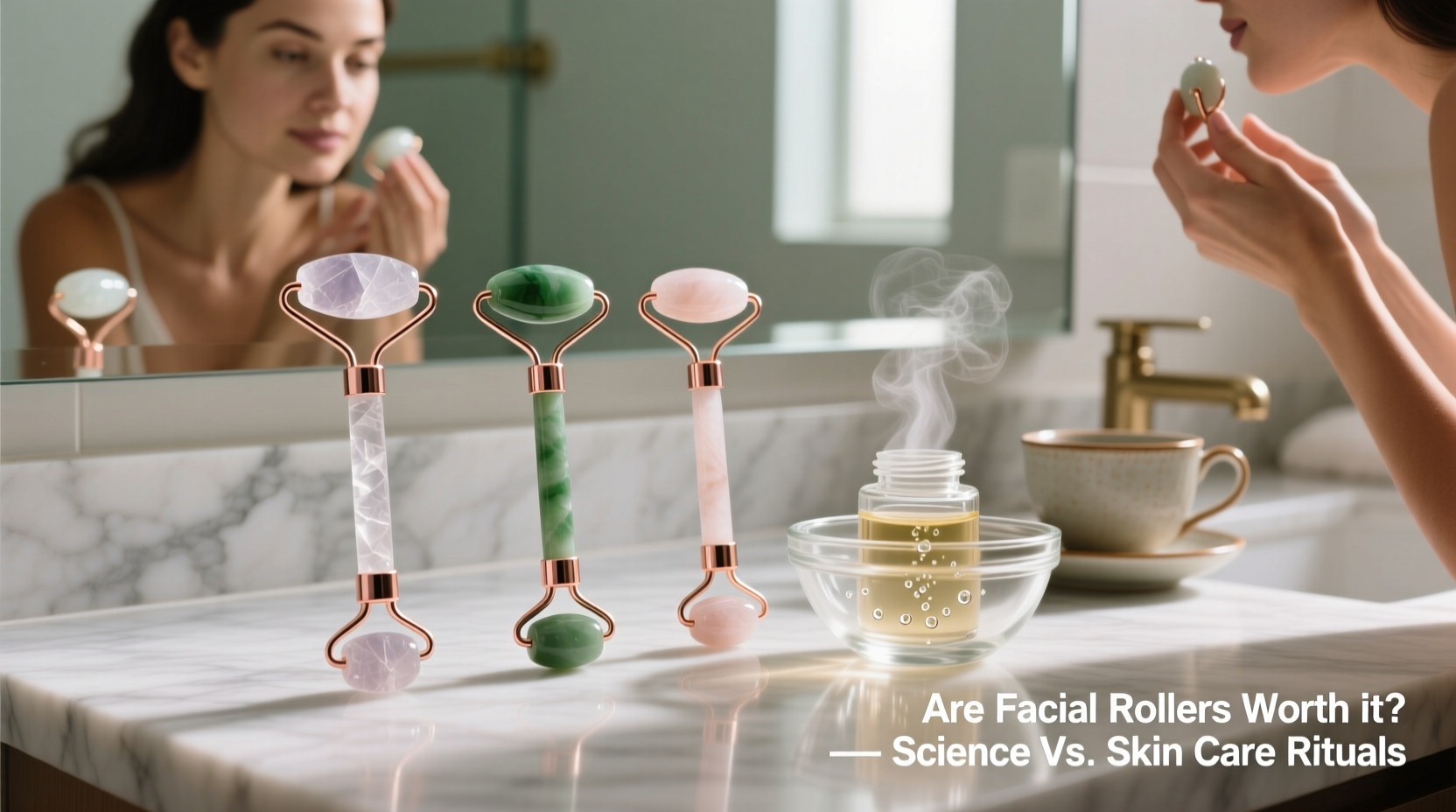
Facial rollers have become a staple in modern skincare routines, gracing bathroom counters with their smooth, cool surfaces and promises of glowing, lifted skin. From influencers to dermatologists, opinions vary widely on whether these tools deliver real benefits or simply provide a soothing ritual with no measurable impact. As jade, rose quartz, and stainless steel rollers grow in popularity, it’s time to separate myth from reality. Are they a worthwhile addition to your regimen, or just an expensive placebo?
The answer isn’t binary. While facial rollers may not replace medical-grade treatments, emerging evidence and centuries of traditional use suggest they offer more than just psychological comfort. Understanding their mechanisms, limitations, and proper usage is key to determining whether they’re a smart investment for your skin.
The Science Behind Facial Rolling: Lymphatic Drainage and Circulation
At the core of facial roller claims is improved lymphatic drainage and blood circulation. The lymphatic system removes waste, excess fluid, and toxins from tissues. When this system becomes sluggish—due to stress, poor sleep, or dehydration—it can contribute to puffiness, dullness, and under-eye bags.
Facial rolling applies gentle pressure along lymphatic pathways, encouraging fluid movement from the face toward the neck and lymph nodes. A 2020 study published in *Clinical, Cosmetic and Investigational Dermatology* found that consistent facial massage over four weeks led to measurable reductions in facial edema and improvements in skin tone. While the study didn’t focus exclusively on rollers, it supports the broader principle that mechanical stimulation can influence skin appearance.
Blood flow is another factor. Increased circulation brings oxygen and nutrients to skin cells, potentially enhancing radiance and supporting repair processes. The cooling effect of stone rollers like jade or rose quartz can also temporarily constrict blood vessels, reducing redness and inflammation.
“While facial rollers won’t reverse deep wrinkles or replace retinoids, they can support skin health through enhanced microcirculation and de-puffing effects.” — Dr. Lena Park, Board-Certified Dermatologist
Historical Use vs. Modern Hype
Facial rollers are not a new invention. Their origins trace back to ancient Chinese medicine, where tools like the gua sha and jade rollers were used to balance qi (energy) and promote wellness. These practices emphasized meridian lines and holistic healing rather than aesthetic outcomes.
In contrast, today’s market promotes rollers as anti-aging miracles, often backed by influencer testimonials rather than clinical data. This shift has fueled skepticism. Critics argue that any visible improvements—such as reduced morning puffiness—are temporary and stem from placebo-driven expectations or concurrent skincare habits.
However, dismissing them entirely overlooks the value of ritual in skincare. Studies show that mindful routines reduce stress, which in turn lowers cortisol levels—a hormone linked to acne, sensitivity, and premature aging. In this context, even if the roller itself has minimal physiological impact, the act of self-care contributes meaningfully to skin health.
Tip: For best results, store your facial roller in the refrigerator overnight. The cold surface enhances depuffing and soothes irritated skin.Do Different Materials Matter? A Comparison
Not all rollers are created equal. The material affects thermal retention, weight, and glide. Here's how common types compare:
| Material | Cooling Effect | Durability | Best For |
|---|---|---|---|
| Jade | Moderate (absorbs body heat) | Low (can crack) | Ritualistic use, light massage |
| Rose Quartz | High (retains cold longer) | Medium | De-puffing, sensitive skin |
| Stainless Steel | Very High (excellent thermal conductivity) | High | Professional use, intense drainage |
| Plastic/Gel | Low to Moderate | Medium | Budget-friendly options |
Rose quartz and stainless steel emerge as top performers for functional benefits. Jade, while culturally significant, tends to warm up quickly and may not deliver sustained cooling. That said, emotional resonance with a tool can enhance adherence to a routine—making personal preference a valid factor.
Step-by-Step Guide to Effective Facial Rolling
Using a facial roller improperly can negate potential benefits or even cause irritation. Follow this sequence for optimal results:
- Prep clean skin: Start with a cleansed face. Apply a serum or facial oil to reduce friction.
- Begin at the center: Place the roller under your chin and roll outward along the jawline toward the ears. Repeat 3–5 times per side.
- Move upward: Starting from the corners of the mouth, roll up along the cheeks toward the temples.
- Tackle under-eyes: Use the smaller end gently from the inner corner of the eye outward. Avoid pressing too hard.
- Forehead motions: Roll from the center of the forehead out toward the hairline and temples.
- Neck and décolletage: Don’t skip these areas. Roll downward from the jaw to the collarbones to encourage lymph flow.
- Finish with upward strokes: Complete with 5–10 broad upward sweeps from chin to forehead to promote lifting.
Spend no more than 5–7 minutes total. Over-rolling can stretch delicate skin or lead to irritation. Perform the routine daily or every other day, ideally in the morning to combat puffiness.
Tip: Always roll outward and upward—never drag skin downward, as this can accelerate sagging.Real Results: A Mini Case Study
Sarah, a 34-year-old marketing executive, struggled with persistent morning puffiness and dull skin despite using high-end serums and moisturizers. Skeptical but curious, she purchased a rose quartz roller and committed to using it daily for four weeks alongside her existing routine.
She followed the step-by-step method above each morning after applying hyaluronic acid serum. By week two, she noticed her under-eye area appeared less swollen. By week four, colleagues commented on her “glow.” While Sarah acknowledges her skincare products likely played the primary role, she credits the roller with improving product absorption and providing a consistent morning ritual that reduced stress.
Importantly, she did not experience breakouts or irritation—common concerns with new tools—and continues to use the roller six months later. Her experience reflects a growing trend: users who integrate rollers as complementary tools, not miracle cures.
Checklist: Is a Facial Roller Right for You?
Before investing, ask yourself the following:
- Do I struggle with morning facial puffiness?
- Am I consistent with my skincare routine?
- Do I enjoy tactile, ritual-based self-care practices?
- Am I looking for subtle improvements, not dramatic anti-aging results?
- Can I commit to using it correctly and cleaning it regularly?
If most answers are yes, a facial roller could be a valuable addition. If you expect Botox-like results or dislike hands-on routines, it may not meet your expectations.
Common Misconceptions and What They Can’t Do
Despite bold marketing claims, facial rollers have clear limitations:
- They don’t tighten skin permanently: Any lifting effect is temporary, lasting hours, not months.
- They don’t treat acne or hyperpigmentation: While improved circulation might support healing, rollers do not address root causes of breakouts or dark spots.
- They aren’t substitutes for sunscreen or active ingredients: No amount of rolling replaces UV protection or proven actives like vitamin C or retinol.
- They don’t replace professional treatments: Microneedling, radiofrequency, and lasers produce structural changes rollers cannot replicate.
Understanding these boundaries prevents disappointment and encourages realistic expectations.
FAQ: Common Questions About Facial Rollers
How often should I clean my facial roller?
After every use, wipe it with a soft cloth. Deep clean weekly using mild soap and water. Avoid soaking porous stones like jade, as they can absorb moisture and harbor bacteria.
Can facial rolling cause broken capillaries?
Potentially, if done too aggressively. Always use light pressure, especially around the eyes. If you have rosacea or sensitive skin, consult a dermatologist before starting.
Do cheaper rollers work as well as expensive ones?
It depends. High-quality natural stone retains temperature better and feels more substantial, but a well-designed plastic roller can still provide mechanical benefits. Focus on ergonomics and smooth rolling motion over brand prestige.
Conclusion: Worth It—With the Right Mindset
Facial rollers sit at the intersection of tradition, science, and self-care. While they aren’t miracle devices, they offer tangible, albeit modest, benefits when used correctly. Reduced puffiness, improved circulation, and enhanced product absorption are achievable outcomes. More importantly, the ritual of facial rolling fosters mindfulness—an underrated component of healthy skin.
Their value lies not in replacing evidence-based skincare, but in complementing it. Like a good night’s sleep or hydration, facial rolling is one piece of a holistic approach. When paired with sunscreen, antioxidants, and a consistent routine, it can elevate both skin appearance and daily well-being.
If you're considering a roller, choose one that feels comfortable in hand and suits your lifestyle. Use it mindfully, clean it regularly, and pair it with effective products. Over time, you may find that its true worth isn’t just in what it does for your skin—but in the moment of calm it creates each day.
🚀 Ready to try facial rolling? Start with a simple 5-minute routine tomorrow morning and track how your skin feels over the next two weeks. Share your experience in the comments below!








