
In recent years, facial rollers have surged in popularity, appearing on beauty shelves, social media feeds, and celebrity skincare regimens. Often carved from jade or rose quartz, these handheld tools promise smoother skin, reduced puffiness, and enhanced product absorption. But beyond the aesthetic appeal and viral trends, a critical question remains: are facial rollers actually worth incorporating into a daily skincare routine? For those weighing cost against results, the answer isn’t a simple yes or no—it depends on expectations, technique, and individual skin concerns.
Facial rolling is not a new concept. Rooted in traditional Chinese medicine, the practice dates back centuries, where stone tools were used to promote energy flow and circulation. Today’s versions are marketed as modern solutions for de-puffing, contouring, and boosting radiance. While they may not replace medical-grade treatments, their growing presence suggests more than just placebo effect. This article examines the real benefits, limitations, and best practices of facial rollers—helping you determine whether they merit a permanent spot in your regimen.
The Science Behind Facial Rolling
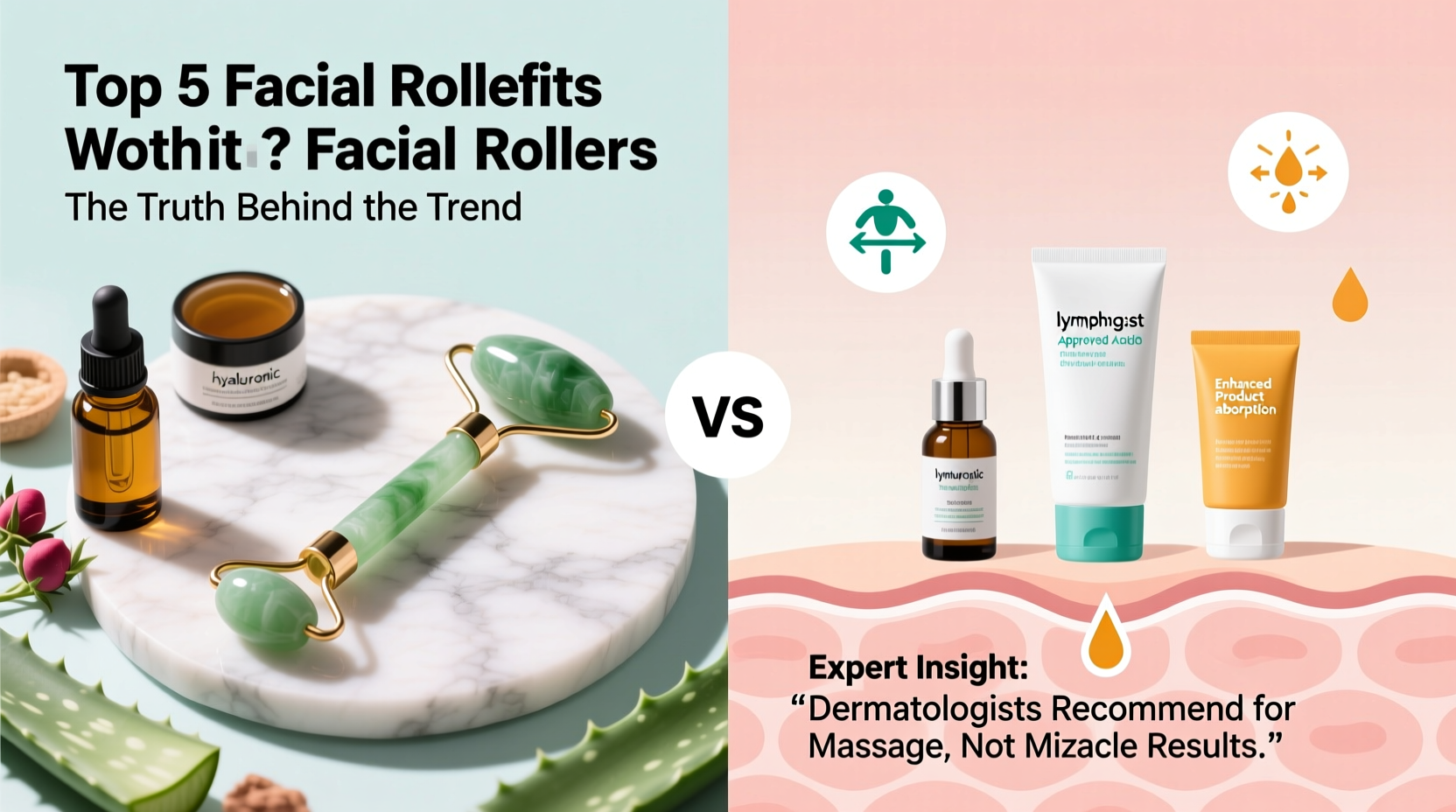
Facial rollers operate on principles similar to lymphatic drainage and massage therapy. The gentle pressure applied during rolling can stimulate blood circulation and encourage lymphatic fluid movement beneath the skin. Lymphatic drainage helps remove waste and excess fluids that contribute to puffiness, particularly around the eyes and jawline. Improved circulation also brings oxygen-rich blood to the surface, which may enhance skin tone and give a temporary glow.
A 2020 study published in *Clinical, Cosmetic and Investigational Dermatology* found that facial massage devices improved skin elasticity and hydration after consistent use over four weeks. While the study focused on electronic tools, manual rollers apply similar mechanical stimulation. Though limited clinical research exists specifically on jade or rose quartz rollers, dermatologists acknowledge that any form of facial massage can offer short-term cosmetic improvements.
It's important to note that these effects are primarily physical, not biochemical. A roller won’t deliver active ingredients like retinol or vitamin C into the skin—its role is supportive. It enhances the delivery of serums and oils by promoting better absorption through increased microcirculation, but it doesn't alter their chemical efficacy.
“Facial massage can support skin health by reducing tension and improving circulation. While rollers aren’t miracle workers, they can be valuable when used correctly.” — Dr. Lena Park, Board-Certified Dermatologist
Benefits of Using a Facial Roller
When integrated thoughtfully, facial rollers offer several tangible benefits:
- Reduces morning puffiness: Cold stones (especially when refrigerated) constrict blood vessels and reduce fluid buildup under the eyes and cheeks.
- Enhances product penetration: Rolling helps press lightweight serums and essences deeper into the epidermis, maximizing their effectiveness.
- Relieves facial tension: Many people unconsciously clench their jaws or furrow brows. Gentle rolling along the temples, forehead, and jawline can ease muscle tightness.
- Improves skin texture over time: Regular use may support collagen production indirectly by stimulating circulation and cellular turnover.
- Mindful ritual with psychological benefits: The slow, deliberate motion encourages mindfulness, turning skincare into a calming self-care practice.
Common Misconceptions and Limitations
Despite enthusiastic endorsements, facial rollers come with widespread myths that often inflate consumer expectations. Understanding what they cannot do is just as important as knowing their benefits.
They are not anti-aging miracles. No amount of rolling will eliminate deep wrinkles or significantly tighten sagging skin. Similarly, claims about “detoxifying” the face are misleading—your lymphatic system naturally filters toxins; a roller merely supports its function temporarily.
Results are generally subtle and short-lived. Most visible improvements last only a few hours. Unlike retinoids or chemical exfoliants, rollers don’t change skin structure long-term. They also require consistency. Occasional use yields minimal impact.
Material matters less than technique. While jade and rose quartz are prized for their cool touch and metaphysical associations, scientific evidence does not show one stone outperforming another. Stainless steel or silicone rollers can provide similar physical effects.
Do’s and Don’ts of Facial Rolling
| Do’s | Don’ts |
|---|---|
| Use upward and outward motions | Roll downward, which may encourage sagging |
| Clean your roller weekly with mild soap | Share your roller without sanitizing |
| Apply light pressure—never drag harshly | Press too hard, especially near delicate eye areas |
| Use after applying serum or oil | Roll on dry skin, increasing friction |
| Store in a clean case or fridge | Leave exposed to dust or bacteria |
How to Use a Facial Roller Effectively: A Step-by-Step Guide
To get the most out of your facial roller, follow this structured routine. Consistency and proper technique are key to seeing even modest results.
- Start with clean skin: Wash your face to remove dirt and makeup. Apply a hydrating toner if desired.
- Apply a serum or facial oil: Choose a lightweight, non-comedogenic formula. Oils work better than creams because they allow smooth gliding.
- Begin at the center of the face: Start with the neck using upward strokes to encourage lymph flow toward lymph nodes behind the ears and collarbone.
- Move to the jawline: Place the roller under the chin and glide outward along the jaw to reduce tension and define contours.
- Tackle the cheeks: Starting from the nose, roll outward toward the ears. Repeat 3–5 times per side.
- Address under-eye area: Use the smaller end gently from the inner corner outward. Avoid pulling or pressing too hard.
- Work the forehead: Roll upward from the eyebrows to the hairline, then horizontally across the forehead to relax muscles.
- Finish with the temples: Circle the roller lightly to relieve tension.
- Sanitize after use: Wipe with soapy water and dry thoroughly before storing.
Real-World Example: A Month of Consistent Use
Sophia, a 34-year-old marketing professional, struggled with persistent morning puffiness and dullness due to high stress and irregular sleep. Skeptical but curious, she purchased a rose quartz roller and committed to using it every morning for 30 days. She followed the recommended technique, applying a hyaluronic acid serum before rolling for five minutes.
After two weeks, Sophia noticed her under-eye area appeared less swollen. By day 25, colleagues commented on her “glow.” While her acne scars didn’t fade, she reported softer skin texture and reduced jaw tension from nightly grinding. Importantly, the ritual helped her slow down each morning, replacing rushed routines with mindful moments.
At the end of the month, Sophia concluded the roller wasn’t transformative—but it was worthwhile. “It’s not magic,” she said, “but it makes my skincare feel intentional. And I love starting the day feeling refreshed.”
Choosing the Right Roller: What Matters
With prices ranging from $15 to over $100, selecting a facial roller can feel overwhelming. However, value isn’t always tied to price or stone type. Consider these factors instead:
- Dual-ended design: Most rollers feature a large end for cheeks/forehead and a small end for eyes/nose.
- Ball mobility: Ensure the stone heads rotate smoothly to avoid tugging.
- Material durability: Natural stones can crack if dropped. Synthetic options like stainless steel are more durable and easier to sanitize.
- Ergonomic handle: Should fit comfortably in hand for precise control.
- Hygienic construction: Avoid porous materials that trap bacteria unless properly maintained.
For budget-conscious users, a well-made $20 roller performs similarly to luxury versions. Conversely, if you prioritize aesthetics or enjoy crystal-based wellness practices, higher-end options may still hold personal value—even if not clinical superiority.
Expert Insight: When a Roller Makes Sense
Dr. Amira Chen, a holistic skincare specialist, emphasizes context: “I recommend rollers to patients dealing with chronic puffiness, poor circulation, or stress-related tension. They’re adjunct tools—not replacements for sunscreen, antioxidants, or prescription treatments.”
“For someone already doing the basics right, a roller adds a layer of care. But if you’re skipping moisturizer or SPF, buying a jade roller won’t fix your skin.” — Dr. Amira Chen, Integrative Dermatology Consultant
She also warns against aggressive use: “Over-rolling, especially with excessive pressure, can damage capillaries or weaken connective tissue. Less is more.”
Frequently Asked Questions
Can facial rollers really contour the face?
No device can permanently reshape bone structure or fat distribution. Any contouring effect is temporary and due to reduced fluid retention. Think of it as a “skin gym” for short-term toning, not structural change.
How often should I use a facial roller?
Daily use is safe for most skin types, ideally once in the morning to combat puffiness or in the evening to unwind. If you have rosacea or sensitive skin, limit use to 2–3 times per week to avoid irritation.
Do I need to refrigerate my facial roller?
Not required, but beneficial. Cold temperatures enhance vasoconstriction, reducing swelling and inflammation. Just avoid freezing, which could cause condensation and bacterial growth.
Final Checklist: Is a Facial Roller Right for You?
Before investing, ask yourself the following:
- Am I consistent with basic skincare (cleanser, moisturizer, SPF)?
- Do I struggle with puffiness or dullness?
- Would I benefit from a calming, tactile addition to my routine?
- Am I willing to use it properly and clean it regularly?
- Am I expecting realistic, subtle results rather than dramatic transformation?
If you answered yes to most, a facial roller could be a meaningful enhancement. If you're seeking clinical results for aging, acne, or hyperpigmentation, focus first on proven actives and professional treatments.
Conclusion: Weighing Value Beyond the Hype
Facial rollers occupy a unique space between wellness ritual and functional tool. They won’t reverse sun damage or erase fine lines, but they can elevate your daily routine with minimal risk. Their true worth lies not in miraculous outcomes, but in the synergy they create—boosting product efficacy, easing tension, and fostering mindfulness.
For under $30 and five minutes a day, a facial roller offers a low-cost, low-effort way to engage more deeply with your skin. Whether driven by science, tradition, or self-care philosophy, the decision ultimately hinges on how you define value. If glowing skin starts with feeling grounded, then perhaps the real return on investment isn’t measured in tighter pores—but in quieter mornings, intentional touch, and the quiet pleasure of caring for yourself, one gentle roll at a time.
🚀 Ready to try facial rolling? Pick up a quality roller, commit to seven days of mindful use, and observe how your skin—and mindset—responds. Share your experience with others exploring holistic skincare!








