Facial rollers have become a staple in modern skincare routines, gracing bathroom counters and Instagram feeds alike. Touted for their ability to depuff, sculpt, and enhance product absorption, these handheld tools—often made from jade, rose quartz, or stainless steel—are more than just aesthetic accessories. But with growing skepticism around wellness trends, many wonder: are they actually effective, or just another beauty placebo? The answer lies somewhere between tradition, physiology, and consistency.
The practice of facial rolling traces back centuries to traditional Chinese medicine, where practitioners used smooth stones to stimulate energy flow and circulation. Today, while the spiritual context may vary, the core principles remain: improved lymphatic drainage, reduced tension, and enhanced skin vitality. Whether you're a skincare minimalist or a devoted 10-step enthusiast, understanding how and why facial rollers work can help determine if they belong in your regimen.
The Science Behind Facial Rolling
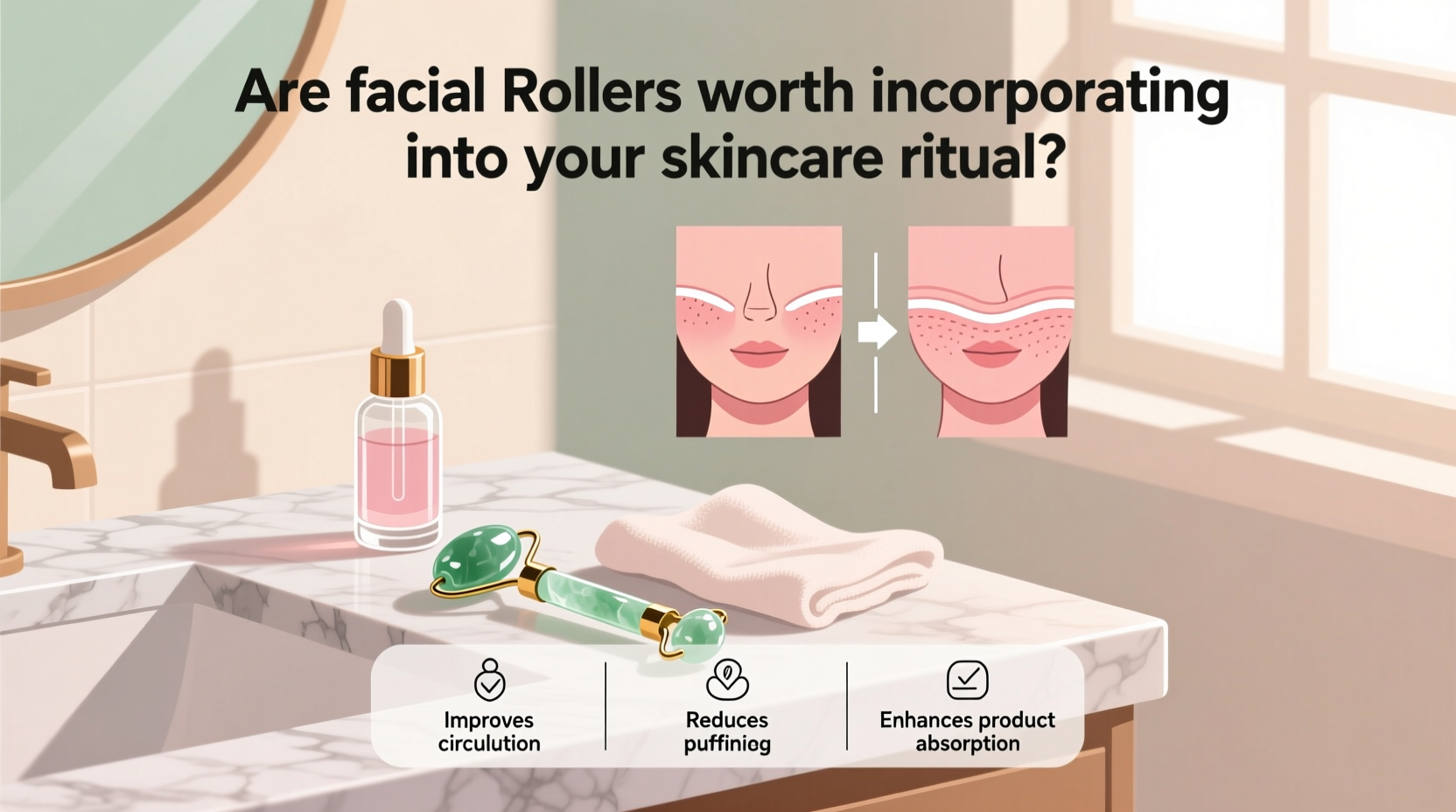
At its foundation, facial rolling is a form of mechanical stimulation. When glided over the skin with light pressure, the roller encourages blood circulation and supports lymphatic movement. The lymphatic system, responsible for removing waste and excess fluid from tissues, plays a crucial role in reducing puffiness—especially around the eyes and jawline.
A small 2018 study published in *Complementary Therapies in Clinical Practice* found that participants who used a facial roller daily for four weeks reported visible reductions in under-eye puffiness and improved skin radiance. While clinical research remains limited, dermatologists acknowledge that physical massage can temporarily improve skin appearance by increasing oxygen delivery and promoting toxin removal.
“Facial massage, whether with fingers or a tool like a roller, can support lymphatic drainage and reduce fluid buildup,” says Dr. Nina Singh, board-certified dermatologist. “It’s not magic—it’s physiology.”
It's important to note that results are generally subtle and cumulative. Unlike serums or retinoids, facial rollers don’t alter skin structure at a cellular level. Instead, they offer immediate visual improvements—tighter contours, brighter tone, smoother texture—through temporary physiological changes.
Benefits of Regular Facial Rolling
While not a replacement for active ingredients, facial rollers contribute meaningfully when used consistently. Here are the most documented benefits:
- Reduced puffiness: Morning facial swelling often stems from fluid retention. Rolling helps redirect excess fluid toward lymph nodes, particularly under the ears and along the jaw.
- Improved product penetration: Gently pressing serums or oils into the skin with a roller may enhance absorption by creating mild occlusion and spreading products evenly.
- Relaxation of facial muscles: Chronic tension in the jaw, forehead, and cheeks can contribute to fine lines. Rolling provides gentle myofascial release, similar to a mini facial massage.
- Enhanced glow: Increased microcirculation brings fresh, oxygenated blood to the surface, giving skin a natural flush and healthy luster.
- Ritualistic mindfulness: The slow, deliberate motion encourages presence and self-care—a valuable psychological benefit in fast-paced lifestyles.
Choosing the Right Roller: Material Matters
Not all rollers are created equal. The material affects both performance and longevity. Below is a comparison of common types:
| Material | Pros | Cons |
|---|---|---|
| Jade | Naturally cooling, lightweight, affordable, associated with calming energy | Softer stone; may chip or crack with impact |
| Rose Quartz | Denser and more durable than jade, retains coolness longer, aesthetically luxurious | Heavier, more expensive, requires careful handling |
| Stainless Steel | Hypoallergenic, extremely durable, holds cold exceptionally well, easy to sanitize | Less \"natural\" aesthetic, higher price point |
| Plastic/Resin | Budget-friendly, lightweight, available in fun designs | Lacks thermal properties, less effective for lymphatic stimulation |
Experts recommend choosing based on lifestyle and skin needs. Those prone to morning puffiness benefit most from metal or chilled stone rollers. For individuals seeking a meditative experience, the weight and symbolism of rose quartz may enhance ritual value.
Step-by-Step Guide to Effective Facial Rolling
To achieve noticeable results, technique matters as much as frequency. Follow this five-minute protocol for optimal outcomes:
- Cleanse and prep: Begin with a freshly washed face. Apply a serum, oil, or moisturizer to reduce friction. Avoid rolling on dry skin.
- Start under the chin: Use the smaller end of the roller. Glide upward from the center of the neck toward the jawline, moving outward along the jaw. Repeat 3–5 times per side.
- Move to the cheeks: Starting at the nose, roll outward toward the temples. Use upward motions to lift midface tissue. Repeat 3–5 times per cheek.
- Target under-eyes: With the smallest ball, gently roll from the inner corner of the eye toward the temple. Do not press hard—this area is delicate.
- Address the forehead: Begin at the center of the brow and roll upward toward the hairline. Move outward across the forehead, repeating until coverage is even.
- Finish at the lymph nodes: Always end by rolling behind the ears and down the sides of the neck to encourage fluid drainage.
Perform this routine daily—ideally in the morning to combat puffiness or at night to relieve muscle tension. Each session should take no more than five minutes, making it sustainable even on busy days.
Real Results: A Mini Case Study
Sarah, a 34-year-old graphic designer from Portland, struggled with chronic facial tension due to prolonged screen time and stress-related clenching. She began using a rose quartz roller every evening after cleansing, focusing on her jawline and temples. Within two weeks, she noticed reduced tightness and fewer tension headaches. After six weeks, her partner commented that her face looked “more relaxed.”
“I didn’t expect much,” Sarah said. “But now I look forward to that five minutes of quiet. My skin feels smoother, and honestly, I’m less stressed overall.”
Her experience reflects a broader trend: while physical changes may be subtle, the psychological benefits of ritualized self-care amplify perceived results.
Common Mistakes to Avoid
Even with proper tools, improper use can diminish benefits or cause harm. Watch out for these pitfalls:
- Rolling too hard: Excessive pressure can damage capillaries or irritate sensitive skin. Let the tool do the work—use feather-light touch.
- Incorrect direction: Always roll toward lymph nodes (outward and upward). Rolling downward works against natural drainage patterns.
- Skipping cleansing: Rolling over dirt or makeup can spread bacteria and clog pores. Always start with clean skin.
- Using on active breakouts: Avoid rolling directly over inflamed acne or open lesions, as it may spread bacteria or worsen inflammation.
- Infrequent cleaning: Clean your roller weekly with mild soap and water to prevent bacterial buildup. Store in a dry place.
Do Facial Rollers Really Lift or Tighten Skin?
This is one of the most debated claims. While some influencers promise “non-surgical facelift” results, dermatologists caution against overstatement. Facial rollers do not build collagen or tighten connective tissue like radiofrequency or ultrasound treatments.
However, regular use can create a temporary lifting effect through improved tone and reduced fluid retention. Over time, consistent lymphatic support may help maintain facial definition, particularly in those prone to sagging due to poor circulation or high sodium intake.
Think of it like exercise for the face: it won’t replace surgical intervention, but it supports overall skin health and resilience.
FAQ
How often should I use a facial roller?
Daily use yields the best results, either in the morning to reduce puffiness or at night to unwind. Even 2–3 times per week can make a difference if done consistently.
Can I use a facial roller with any skincare product?
Yes, but opt for slippery bases like facial oils, essences, or gel moisturizers. Avoid thick creams or peeling acids that may tug during rolling. Never use on top of exfoliating acids like glycolic or salicylic acid without patch testing.
Is there an age group that benefits most?
All ages can benefit, but younger users often appreciate the de-puffing and relaxing effects, while mature skin users may notice improved contour and product absorption. It’s a complementary tool, not age-dependent.
Checklist: Getting the Most From Your Facial Roller
- ☑ Choose a high-quality roller made from jade, rose quartz, or stainless steel
- ☑ Cleanse skin before each use
- ☑ Apply a glide-friendly product (oil, serum, or moisturizer)
- ☑ Use upward and outward strokes only
- ☑ Focus on lymphatic zones: jawline, neck, behind ears
- ☑ Clean the roller weekly and store properly
- ☑ Be patient—visible results typically appear after 2–4 weeks
Conclusion: Worth the Hype?
Facial rollers aren’t miracle workers, but they are far from frivolous. When used correctly, they deliver measurable benefits: reduced puffiness, improved circulation, better product absorption, and meaningful stress relief. They bridge the gap between skincare and self-care, turning a functional routine into a mindful ritual.
They won’t erase wrinkles or replace medical treatments, but they enhance what your skin already does well. In a world where skincare often feels transactional, the facial roller offers something rare—a moment of pause, a tactile connection to your body, and a visible reward for showing up consistently.
🚀 Ready to elevate your routine? Pick up a roller tonight, dedicate five minutes tomorrow morning, and observe how your skin—and your mood—responds. Share your journey in the comments and inspire others to embrace intentional care.








