
Facial rollers have surged in popularity over the past decade, gracing Instagram feeds, luxury beauty counters, and even drugstore aisles. With claims ranging from depuffing and glowing skin to long-term anti-aging benefits, it’s no surprise that many are tempted to add a jade or rose quartz roller to their nightly ritual. But beyond the aesthetic appeal and influencer endorsements, what does science—and more importantly, dermatology—have to say?
This article dives into the real value of facial rollers based on clinical expertise, research findings, and practical application. We’ll separate fact from fiction, explore who might benefit most, and offer guidance on how (and whether) to incorporate them effectively into your regimen.
The Science Behind Facial Rolling: What Actually Happens?
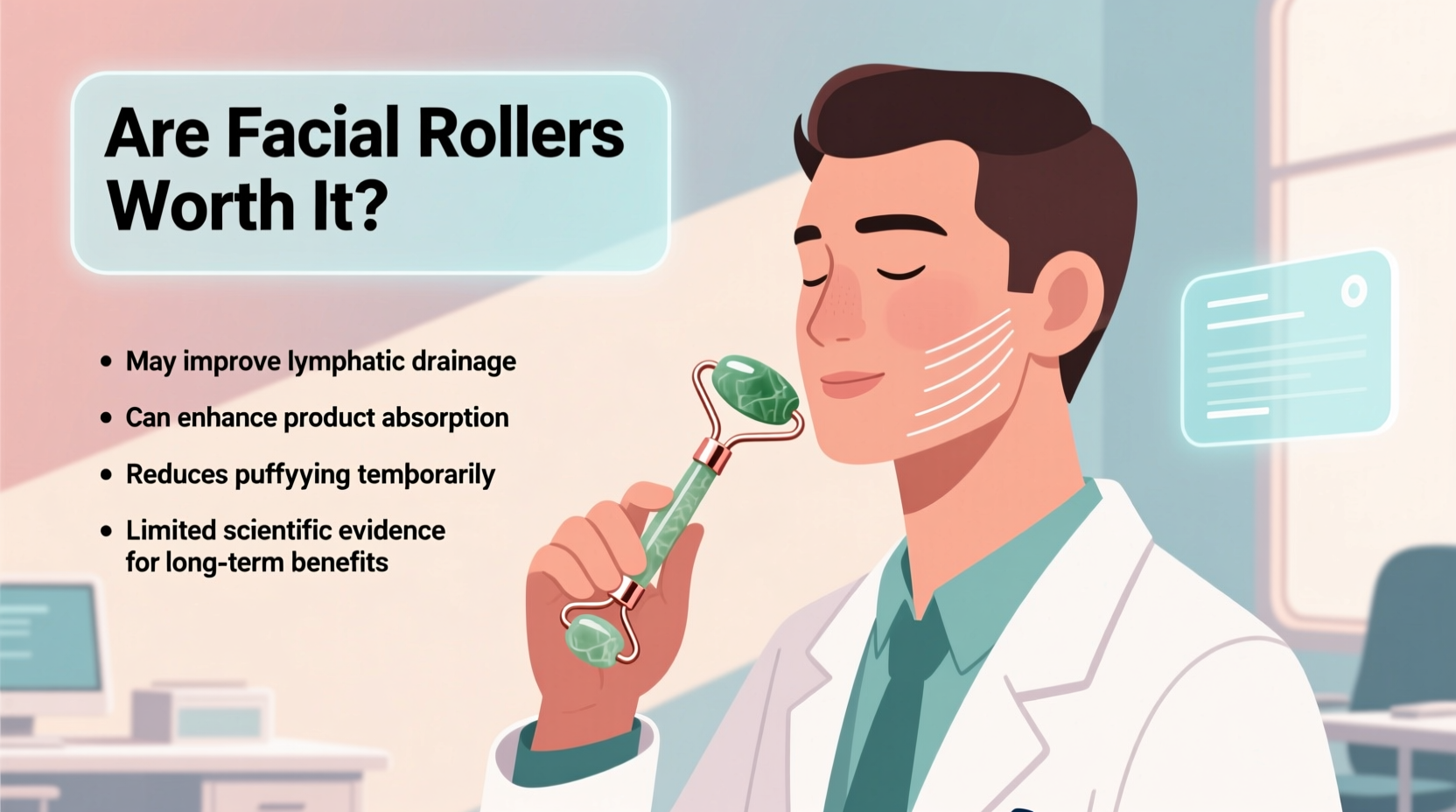
Facial rollers are handheld tools typically made from stone (jade, rose quartz) or metal (stainless steel, cooling alloys), featuring one or two wheels designed to glide across the face. The basic premise is simple: gentle rolling motions stimulate circulation, encourage lymphatic drainage, and may enhance product absorption.
Lymphatic drainage is often cited as a key benefit. The lymphatic system helps remove waste and excess fluid from tissues. When this system becomes sluggish—due to poor sleep, dehydration, or high sodium intake—facial puffiness can occur, especially around the eyes and jawline. Manual stimulation through rolling may temporarily improve fluid movement, reducing visible swelling.
A 2020 review published in Dermatologic Surgery noted that manual lymphatic drainage techniques, when performed correctly, can reduce post-procedural edema. While the study focused on clinical settings after surgery or laser treatments, the principle applies to at-home practices like facial rolling—albeit with milder effects.
However, it's important to clarify: facial rollers do not “detox” the skin in the way some marketing suggests. The liver and kidneys handle systemic detoxification. What rolling can do is support localized fluid dynamics—a subtle but meaningful distinction.
“Facial rolling won’t replace medical-grade treatments, but when used properly, it can complement a healthy skincare routine by improving microcirculation and offering a soothing sensory experience.” — Dr. Lena Patel, Board-Certified Dermatologist, San Francisco
Benefits vs. Myths: What Can You Realistically Expect?
The wellness industry often oversells the capabilities of beauty tools. To make an informed decision, it’s crucial to distinguish between evidence-supported outcomes and exaggerated claims.
Tip: Use your facial roller for 3–5 minutes post-cleansing or after applying serum—never on dry skin, as friction can cause micro-tearing.Realistic Benefits
- Temporary reduction in puffiness: Especially noticeable in the morning after a salty meal or poor sleep.
- Improved blood flow: Can result in a short-term glow due to increased oxygen delivery to the skin’s surface.
- Enhanced product penetration: Gently pressing actives into the skin may help certain ingredients absorb more evenly.
- Relaxation and muscle tension relief: The repetitive motion can calm facial muscles, potentially reducing clenching-related strain.
Persistent Myths
- Rollers tighten sagging skin: No evidence supports lasting firming effects. Collagen production requires targeted ingredients (like retinoids) or energy-based devices (like radiofrequency).
- They eliminate wrinkles: Rolling cannot reverse fine lines or deep folds. Anti-aging results require consistent use of proven actives.
- Jade has mystical healing properties: While culturally significant, there’s no scientific basis for metaphysical claims about stones affecting skin health.
- One size fits all: Technique matters more than material. Improper pressure or direction can lead to irritation or broken capillaries.
Choosing the Right Roller: Material, Design, and Practicality
Not all facial rollers are created equal. While aesthetics play a role, functionality should guide your choice. Below is a comparison of common materials and their pros and cons.
| Material | Pros | Cons |
|---|---|---|
| Jade | Cool to touch, traditional use, lightweight | Fragile, porous (can harbor bacteria), inconsistent quality |
| Rose Quartz | Denser than jade, retains coolness longer, popular for self-care rituals | Heavier, expensive, no proven advantage over other stones |
| Stainless Steel | Hygienic, durable, excellent heat/cold retention, ideal for depuffing | Higher price point, less “aesthetic” appeal |
| Plastic/Resin | Affordable, easy to clean | Doesn’t retain temperature, lower sensory satisfaction |
If you're seeking functional benefits—especially depuffing—metal rollers chilled in the fridge offer the most noticeable effect. For those drawn to ritual and mindfulness, natural stones may enhance the experience, provided they’re cleaned regularly and stored properly.
How to Use a Facial Roller: A Step-by-Step Guide
Using a facial roller incorrectly can negate any potential benefits and even cause harm. Follow this dermatologist-approved technique for safe, effective use.
- Cleanse your face: Start with a freshly washed face to prevent pushing dirt or oil deeper into pores.
- Apply a serum or facial oil: Use a slip-friendly product to avoid tugging. Water-based serums work, but oils or gels provide better glide.
- Begin at the center of the face: Always roll outward and upward—from the nose toward the temples, chin toward ears, and forehead toward hairline.
- Use light to medium pressure: Never press hard enough to cause redness or discomfort. Think of it as guiding fluid, not massaging muscle.
- Focus on lymph nodes: Gently circle the jawline and under the ears where lymph collects. This enhances drainage.
- Finish with neck: Extend motions down the sides of the neck to complete the lymphatic pathway.
- Clean the roller: After each use, wipe with warm water and mild soap. Allow to air-dry completely before storing.
Who Should Consider Using a Facial Roller?
While generally safe for most skin types, facial rollers aren’t universally beneficial. Certain individuals may see more value than others.
Ideal Candidates
- People with morning puffiness or fluid retention
- Those incorporating facial massage into stress-reduction routines
- Individuals using active serums who want to promote even distribution
- Post-procedure patients (after clearance from a dermatologist) managing swelling
Proceed with Caution If You Have…
- Active acne or rosacea: Rolling over inflamed areas can spread bacteria or worsen redness.
- Broken capillaries or sensitive skin: Excessive pressure may aggravate vascular issues.
- Open wounds or recent chemical peels: Wait until the skin barrier is fully restored.
“I’ve had patients report improved comfort and reduced eye bags after consistent rolling—but only when combined with adequate hydration and sleep. The tool amplifies good habits; it doesn’t replace them.” — Dr. Arjun Mehta, Cosmetic Dermatologist, New York
Mini Case Study: Morning Routine Transformation
Sarah, a 34-year-old project manager in Chicago, struggled with persistent under-eye puffiness despite using eye creams and getting seven hours of sleep. She traveled frequently, often consuming high-sodium meals during flights, which exacerbated fluid retention.
After consulting her dermatologist, she incorporated a stainless steel facial roller into her morning routine. Each day, she applied a hyaluronic acid serum, refrigerated the roller for 10 minutes, then rolled gently from under her eyes toward her temples and down her jawline.
Within three weeks, Sarah noticed a visible difference in facial contour, particularly on mornings after travel. Her skin appeared more awake, and her makeup applied more smoothly. Importantly, she also prioritized drinking water before bed and reducing evening screen time—lifestyle changes that supported the roller’s effects.
Her dermatologist emphasized that the roller wasn’t a standalone solution but part of a holistic approach: “It’s not magic—it’s mechanics meeting consistency.”
Checklist: Is a Facial Roller Right for You?
Before purchasing, ask yourself these questions:
- ☐ Do I struggle with facial puffiness or dullness in the mornings?
- ☐ Am I consistent with my skincare routine already?
- ☐ Do I have the patience to learn proper technique?
- ☐ Am I willing to clean the tool regularly to prevent bacterial buildup?
- ☐ Am I looking for a complementary practice, not a miracle fix?
If you answered “yes” to most of these, a facial roller could be a worthwhile addition. If you're hoping for dramatic anti-aging transformations without addressing sun protection, diet, or sleep, it may fall short of expectations.
FAQ: Common Questions About Facial Rollers
Can facial rollers cause breakouts?
Yes—if not cleaned properly. Porous materials like jade can trap oils and bacteria. Always wash your roller after use with mild soap and water. Avoid sharing tools to prevent cross-contamination.
How often should I use a facial roller?
Daily use is safe for most people, especially in the morning to combat puffiness. Limit sessions to 3–5 minutes to avoid overstimulating the skin. Some prefer using it only 2–3 times per week based on skin sensitivity.
Do different roller sizes matter?
Yes. Larger rollers cover more surface area and are efficient for broad zones like cheeks and forehead. Smaller rollers or gua sha tools allow precision work along the jawline, nose, and under the eyes. Many people keep both.
Conclusion: Worth It—With Realistic Expectations
Facial rollers aren’t a necessity, but they can be a valuable addition to a thoughtful skincare routine—provided expectations are grounded in reality. They won’t erase years or replace sunscreen, retinoids, or professional treatments. But when used correctly, they offer tangible, if temporary, benefits: reduced puffiness, improved circulation, and a moment of mindful self-care in an otherwise hectic day.
The real power of facial rolling lies not in the stone or metal, but in the ritual it encourages. Taking a few minutes each morning to connect with your skin, breathe deeply, and care for yourself physically and mentally—that’s where lasting change begins.
💬 Have you tried facial rolling? Did it make a difference in your skin’s appearance or your daily routine? Share your experience in the comments—we’d love to hear what works for you.








