Cats bring comfort, companionship, and quiet joy into our homes. As pet owners increasingly turn to natural wellness solutions like essential oils for stress relief, cleaning, or fragrance, a critical question arises: Are essential oil diffusers safe around cats? The answer is not a simple yes or no—it depends on the oil, concentration, ventilation, and exposure level. While diffusing certain essential oils may seem harmless, many contain compounds that can be toxic or even fatal to cats due to their unique physiology.
Feline livers lack specific enzymes needed to metabolize certain chemicals found in essential oils, particularly phenols and monoterpene hydrocarbons. When these substances accumulate, they can cause liver damage, respiratory distress, or neurological symptoms. Understanding the risks and taking informed precautions is essential for keeping your cat safe while still enjoying the benefits of aromatherapy.
Why Cats Are More Vulnerable to Essential Oils
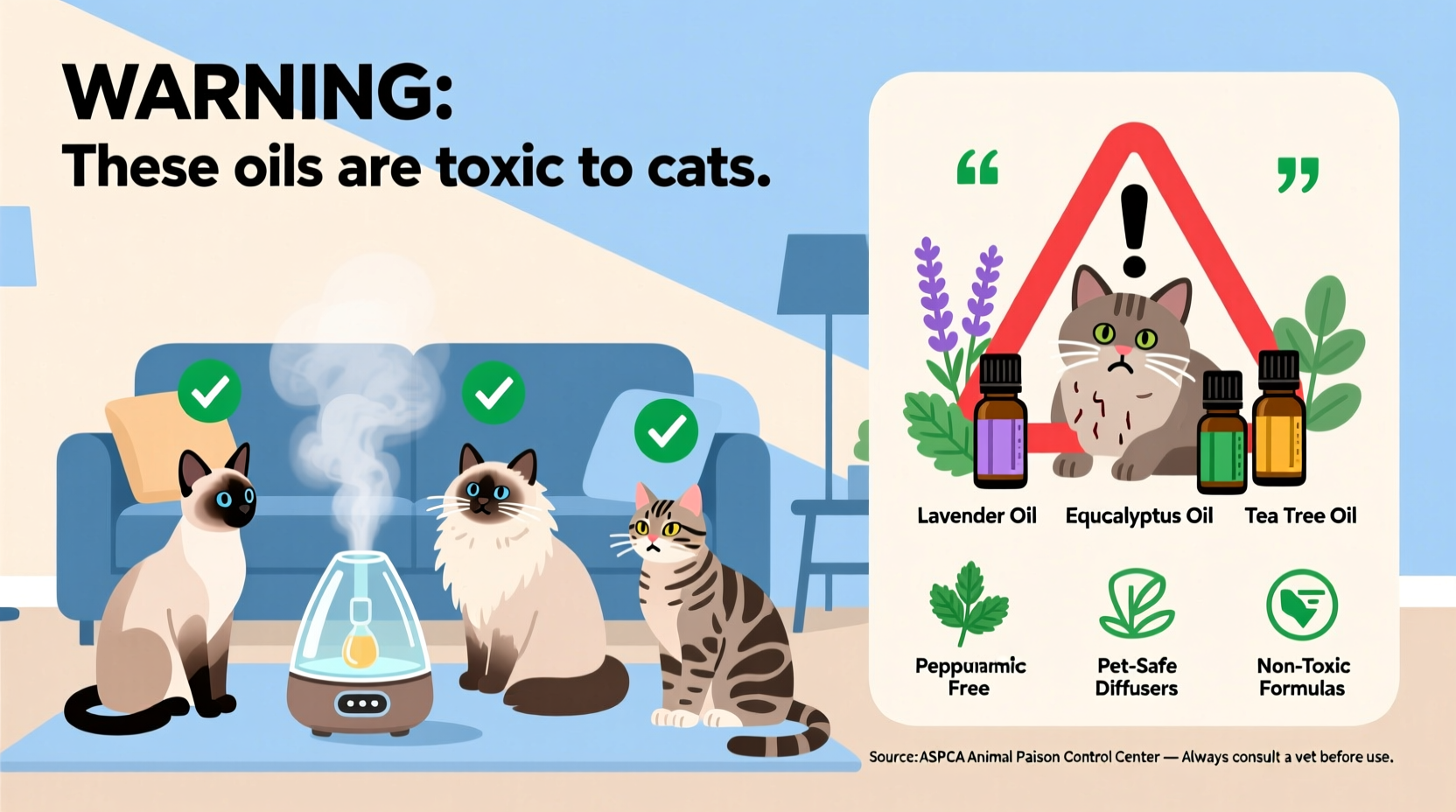
Their small size and fast metabolism make cats especially sensitive to airborne toxins. But the primary reason lies in their liver function. Unlike humans and even dogs, cats have a deficiency in glucuronyl transferase, an enzyme responsible for breaking down phenolic compounds—common in oils like tea tree, eucalyptus, and cinnamon.
When a cat inhales essential oil particles from a diffuser, the volatile compounds enter the bloodstream through the lungs. Without proper detoxification pathways, these substances build up, leading to toxicity. Dermal exposure—such as grooming oil residue off their fur—is equally dangerous, as cats are meticulous groomers and can ingest significant amounts during self-cleaning.
“Cats are uniquely susceptible to essential oil toxicity because of their metabolic limitations. Even low-level, prolonged exposure can result in serious health consequences.” — Dr. Sarah Wooten, DVM, Veterinary Advisor at Pumpkin Pet Insurance
Oils That Are Toxic to Cats: A Safety Guide
Not all essential oils pose the same risk. Some are highly toxic, others moderately risky, and a few may be used with extreme caution under veterinary guidance. Below is a breakdown of common oils categorized by safety level.
| Toxicity Level | Essential Oils | Potential Effects |
|---|---|---|
| Highly Toxic | Tea Tree (Melaleuca), Eucalyptus, Cinnamon, Citrus (lemon, orange, grapefruit), Peppermint, Pine, Ylang Ylang, Wintergreen, Clove | Liver failure, respiratory distress, tremors, drooling, vomiting, lethargy, seizures |
| Moderately Risky | Lavender, Rosemary, Chamomile, Frankincense | Irritation, mild gastrointestinal upset, or respiratory irritation in sensitive cats |
| Potentially Safe (with caution) | Lavandin (not true lavender), Copaiba, Cedarwood (in very low concentrations) | Only if diffused briefly in well-ventilated areas, far from the cat’s space |
Even oils considered \"mild\" can become hazardous when used improperly. For example, while diluted lavender oil is sometimes used in holistic pet care, diffusing it continuously in a shared room increases inhalation exposure and poses unnecessary risks.
Tip: Never apply essential oils directly to your cat’s skin or fur. Even “pet-safe” blends sold online can contain harmful concentrations.How Diffusers Pose a Risk to Feline Health
Ultrasonic, nebulizing, and heat diffusers all release microscopic oil particles into the air. While humans might enjoy the scent, cats breathe more rapidly relative to their body size, increasing their intake of airborne compounds. Their heightened sense of smell also means they experience scents more intensely.
Continuous diffusion—even in another room—can lead to cumulative exposure. Poor ventilation traps vapors, especially in small spaces like bathrooms or bedrooms. If your cat sleeps near a diffuser or grooms after lying on a recently diffused carpet or furniture, ingestion becomes likely.
Symptoms of essential oil toxicity include:
- Drooling or foaming at the mouth
- Vomiting or diarrhea
- Difficulty breathing or wheezing
- Lethargy or weakness
- Tremors or uncoordinated movement
- Pawing at the mouth or face
If you observe any of these signs after using a diffuser, remove your cat from the area immediately and contact your veterinarian or the ASPCA Animal Poison Control Center (888-426-4435).
Safe Alternatives for Aromatherapy Around Cats
You don’t have to give up home fragrance entirely. There are safer ways to maintain a pleasant environment without endangering your feline companion.
- Use non-toxic, cat-safe plants like catnip, valerian root, or silver vine to naturally engage and calm your cat.
- Opt for fragrance-free or plant-based candles made from soy or beeswax, ensuring they contain no essential oils.
- Open windows regularly to refresh indoor air instead of masking odors with artificial scents.
- Choose unscented household cleaners or those labeled specifically as pet-safe.
- Try passive scent methods, such as placing dried lavender in a sealed sachet inside a drawer—out of reach and not in living spaces.
If you must use a diffuser, follow strict safety protocols to minimize risk.
Step-by-Step Guide: Using a Diffuser Safely with Cats
- Choose a cat-safe oil—if any. Stick to minimal-risk options like diluted cedarwood, only if approved by your vet.
- Diffuse in short bursts—no more than 15–30 minutes at a time.
- Ensure excellent ventilation by opening windows or using fans.
- Place the diffuser in a room your cat cannot access, such as a closed office or bathroom after use.
- Monitor your cat closely for signs of discomfort during and after diffusion.
- Never leave the diffuser running overnight or unattended.
Real-Life Example: A Close Call with Tea Tree Oil
Sarah, a pet owner from Portland, began using a tea tree oil diffuser to manage her seasonal allergies. She placed it in the living room, assuming the open floor plan would disperse the scent evenly. Within two days, her 3-year-old tabby, Milo, became unusually lethargic and started drooling excessively. He avoided his food bowl and hid under the bed.
After a visit to the emergency vet, blood work revealed elevated liver enzymes consistent with toxin exposure. The veterinarian identified tea tree oil inhalation as the most likely culprit. Sarah had unknowingly exposed Milo to a highly toxic substance. With supportive care, including IV fluids and liver protectants, Milo recovered—but the incident left a lasting impression.
“I thought ‘natural’ meant safe,” Sarah said. “Now I read every label and consult my vet before introducing anything new into my home.”
This case underscores how quickly seemingly benign habits can endanger pets. Education and caution are vital.
Checklist: Cat-Safe Home Scenting Practices
- ✅ Avoid diffusing known toxic oils (e.g., citrus, peppermint, eucalyptus)
- ✅ Use diffusers only in cat-free rooms with doors closed
- ✅ Limit diffusion sessions to under 30 minutes
- ✅ Ensure strong airflow during and after use
- ✅ Watch your cat for signs of distress (coughing, sneezing, hiding)
- ✅ Store essential oils securely out of reach
- ✅ Consult your veterinarian before trying any aromatherapy products
- ✅ Opt for non-oil alternatives when possible
Frequently Asked Questions
Can I diffuse lavender oil around my cat?
Lavender contains linalool and linalyl acetate, compounds that are toxic to cats in concentrated forms. While occasional, brief diffusion in a separate, well-ventilated room may not cause immediate harm, it's not recommended. Safer alternatives exist, and the risk outweighs the benefit.
What should I do if my cat inhales essential oil vapor?
Immediately move your cat to fresh air. Monitor for symptoms like difficulty breathing, drooling, or wobbling. Contact your veterinarian or the ASPCA Animal Poison Control Center right away. Do not induce vomiting unless instructed.
Are reed diffusers safer than electric ones?
Reed diffusers still release essential oil vapors into the air and often contain high concentrations of oil. They also pose a physical hazard—curious cats may knock them over and lick the liquid, which is extremely dangerous. All types of essential oil diffusers carry risk and should be avoided in homes with cats.
Conclusion: Balancing Wellness and Feline Safety
Essential oil diffusers offer therapeutic benefits for humans, but their use in homes with cats requires careful consideration. Due to biological differences, what feels relaxing to us can be life-threatening to them. The safest approach is to avoid diffusing essential oils altogether in shared spaces. If you choose to use them, strict precautions—like limited duration, physical separation, and vigilant monitoring—are non-negotiable.
Your cat relies on you to create a safe environment. Small changes in routine can prevent serious health emergencies. Prioritize pet-safe alternatives and always consult a veterinarian before introducing new products into your home.
💬 Have questions about pet-safe home care? Share your experiences or ask for advice in the comments—let’s build a safer, healthier home for our feline friends together.








