Sweaty feet are more than just uncomfortable—they can lead to odor, blisters, fungal infections, and even skin breakdown during prolonged activity. For runners, hikers, shift workers, or anyone on their feet all day, choosing the right sock is as critical as selecting the proper footwear. In recent years, bamboo socks have surged in popularity, touted for their softness, sustainability, and natural moisture-wicking properties. But how do they truly stack up against high-tech synthetic blends engineered specifically for athletic performance? This article dives deep into fiber science, real-world wearability, breathability, and long-term foot health to answer a pressing question: Are bamboo socks actually better for sweaty feet than modern athletic performance blends?
The Science of Sweat and Sock Performance
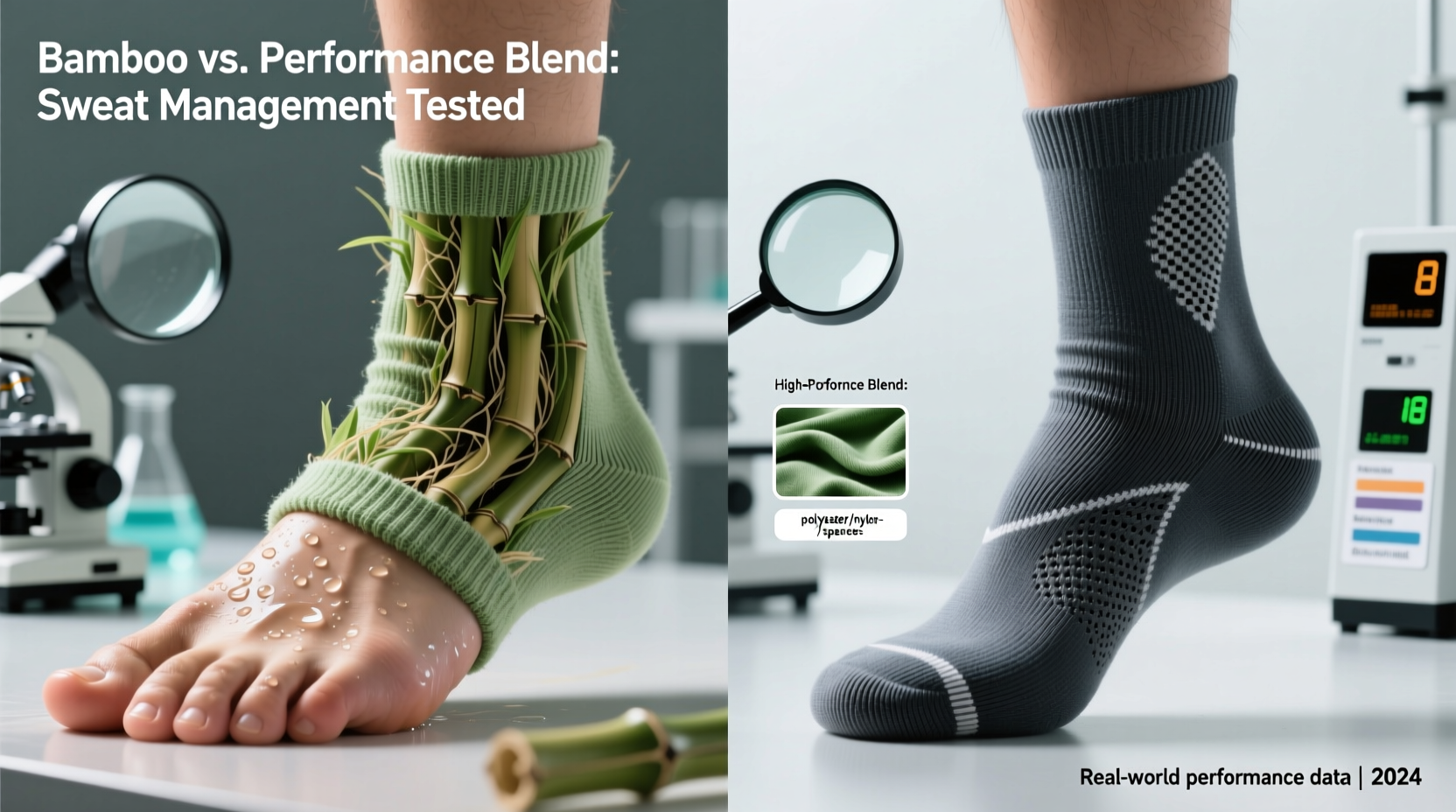
Feet contain over 250,000 sweat glands—more per square inch than any other part of the body. On average, a person can produce half a pint of sweat daily from their feet alone. When this moisture becomes trapped inside a shoe, it creates a warm, damp environment ideal for bacterial growth and friction-related injuries.
An effective sock must manage three key factors:
- Moisture Wicking: Pulling sweat away from the skin to the outer surface of the fabric where it can evaporate.
- Breathability: Allowing air circulation to reduce heat buildup.
- Thermal Regulation: Maintaining a stable microclimate regardless of external temperature or exertion level.
How different materials handle these demands determines their suitability for sweaty conditions. Bamboo and synthetic athletic blends take very different approaches.
Bamboo Fiber: Natural Advantages and Limitations
Bamboo viscose (also called bamboo rayon) is derived from the pulp of fast-growing bamboo plants. It’s processed chemically into a soft, silky fiber known for its eco-friendly image and hypoallergenic qualities.
Proponents highlight several benefits relevant to sweaty feet:
- Natural Moisture Absorption: Bamboo fibers can absorb up to 60% more moisture than cotton, helping keep skin drier under light to moderate sweating.
- Antimicrobial Properties: Bamboo contains a substance called “bamboo kun,” believed to resist bacteria and fungi, which may help reduce odor.
- Softness and Comfort: The smooth, round fibers create a silky feel that reduces irritation, making them ideal for sensitive skin or those prone to blisters.
- Thermoregulation: Naturally breathable and insulating, bamboo adapts well to both warm and cool environments.
However, not all bamboo claims hold up under scrutiny. While raw bamboo has antimicrobial qualities, the chemical processing used to turn it into wearable fabric often removes much of this benefit. Independent studies show mixed results on whether finished bamboo textiles retain significant antibacterial effects.
Tip: Look for socks labeled \"mechanically processed bamboo\" or blended with merino wool for enhanced natural performance without harsh chemicals.Athletic Performance Blends: Engineered for Intensity
Performance socks are typically made from synthetic blends like polyester, nylon, spandex, and proprietary moisture-wicking fibers such as Olefin, CoolMax®, or Thermolite®. These materials are designed with one goal: optimize foot climate during intense physical activity.
Key advantages include:
- Superior Moisture Wicking: Unlike bamboo, which absorbs moisture into the fiber, synthetics move sweat along the fiber surface via capillary action and release it quickly into the air. This keeps the skin feeling dry even during heavy perspiration.
- Rapid Drying Time: Synthetic blends dry significantly faster than bamboo or cotton, reducing post-exercise dampness and minimizing microbial growth.
- Compression and Fit: Many performance socks incorporate targeted compression zones and anatomical shaping to reduce fatigue and prevent slippage.
- Durability: High-tenacity nylon and reinforced heels/toes resist abrasion far better than bamboo, especially in rugged footwear or repetitive motion scenarios.
Yet, drawbacks exist. Some synthetic fabrics trap odors over time due to bacterial colonization within hydrophobic fibers. Others lack the plush comfort of natural fibers, potentially causing irritation during extended wear.
“While natural fibers like bamboo offer comfort and biodegradability, nothing currently matches the engineered efficiency of high-performance synthetics when managing extreme moisture loads.” — Dr. Lena Patel, Podiatrist & Sports Medicine Consultant
Head-to-Head Comparison: Bamboo vs. Performance Blends
To clarify the differences, here’s a detailed comparison based on objective performance metrics and user experience.
| Feature | Bamboo Socks | Athletic Performance Blends |
|---|---|---|
| Moisture Management | Good absorption but slower evaporation; may feel damp under heavy sweat | Excellent wicking and quick drying; maintains dry-feel during exertion |
| Odor Resistance | Moderate; natural antimicrobial claims vary by processing method | Variable; some blends use silver ions or polygiene treatments for lasting freshness |
| Breathability | High; open fiber structure allows airflow | Engineered mesh zones enhance ventilation |
| Durability | Fair; prone to pilling and thinning after repeated washing | High; abrasion-resistant and retains shape over time |
| Comfort & Softness | Exceptional; gentle on skin, ideal for sensitive feet | Varies; some blends feel technical rather than plush |
| Eco-Friendliness | Generally higher; renewable source, biodegradable (if untreated) | Limited; most synthetics are petroleum-based and non-biodegradable |
| Best Use Case | Casual wear, office settings, mild activity, sensitive skin | Running, hiking, gym workouts, sports, long shifts |
Real-World Scenario: Nurse Working 12-Hour Shifts
Consider Maria, an emergency room nurse who spends her entire 12-hour shift on her feet, moving between stations, bending, and standing during procedures. She initially switched to bamboo socks for their softness and eco-appeal. Within six weeks, she noticed increased foot fatigue, lingering dampness, and recurring athlete’s foot flare-ups.
After consulting a podiatrist, she transitioned to a performance blend sock containing 65% CoolMax®, 25% nylon, and 10% spandex. The difference was immediate: her feet stayed drier throughout the shift, odor diminished, and skin irritation resolved. While less “luxurious” to the touch, the functional benefits far outweighed initial comfort preferences.
This case illustrates a crucial point: comfort is multidimensional. What feels soft at rest may fail under physiological stress.
When Bamboo Shines—and When It Falls Short
Bamboo socks excel in low-to-moderate activity environments. They’re excellent choices for:
- Office wear with closed shoes
- Travel or casual outings
- People with eczema or dermatitis
- Warm climates where breathability matters more than intense wicking
But they struggle under sustained physical demand. Because bamboo absorbs moisture rather than transporting it efficiently, the fiber can become saturated. Once wet, it loses insulating ability, increases friction, and takes longer to dry—creating conditions conducive to blisters and microbial growth.
In contrast, performance blends maintain structural integrity when wet, continue wicking effectively, and support thermoregulation through phase-change materials or dual-layer weaves.
Checklist: Choosing the Right Sock for Sweaty Feet
Use this checklist to make an informed decision based on your lifestyle and needs:
- ✅ Assess your daily activity level: sedentary, moderate, or high-intensity?
- ✅ Determine sweat severity: occasional dampness or constant soaking?
- ✅ Check sock composition: look for at least 60% moisture-wicking synthetic or merino wool.
- ✅ Prioritize fit: ensure no bunching or slipping, which causes friction.
- ✅ Consider blend options: bamboo-merino or bamboo-synthetic hybrids may offer balanced benefits.
- ✅ Evaluate care requirements: some high-performance socks degrade with fabric softeners or high heat.
- ✅ Replace regularly: socks lose elasticity and wicking ability after ~6–12 months of regular use.
Hybrid Solutions: Getting the Best of Both Worlds
The future of sock technology lies not in choosing one material over another, but in intelligent blending. Several brands now combine bamboo with performance fibers to balance comfort, sustainability, and function.
For example, a sock composed of:
- 50% bamboo viscose (for softness and breathability)
- 40% polyester (for wicking and durability)
- 10% spandex (for stretch and fit retention)
can deliver a comfortable feel while maintaining adequate moisture management for moderate exercise. Similarly, blends incorporating merino wool with bamboo offer natural odor resistance and superior temperature regulation.
These hybrids are particularly useful for individuals seeking eco-conscious options without sacrificing performance during daily activities like walking, light jogging, or commuting.
Frequently Asked Questions
Can bamboo socks prevent foot odor?
Bamboo has natural antibacterial properties in its raw form, but most commercially available bamboo socks undergo chemical processing that diminishes these effects. While they tend to smell better than pure cotton, they generally don’t match the odor-fighting power of performance socks treated with Polygiene®, X-Static®, or silver-ion technology—especially during prolonged use.
Are bamboo socks suitable for running?
For short, casual runs in temperate weather, bamboo-blend socks may suffice. However, serious runners or those logging miles in hot conditions should opt for performance synthetics. During extended runs, feet can produce excessive sweat that overwhelms bamboo’s absorption capacity, leading to saturation, reduced cushioning, and increased blister risk.
Do synthetic socks cause more sweating?
No. The sensation of “sweating more” in synthetic socks is often misinterpreted. Synthetics don’t increase sweat production—they enhance wicking, so moisture moves faster across the skin, creating a cooler, wetter sensation. In reality, your feet stay drier overall because the moisture evaporates quickly instead of being retained in the fabric.
Final Verdict: Function Over Feel
Bamboo socks offer undeniable appeal: they’re soft, sustainable, and pleasant for everyday wear. For individuals with mild sweating or those prioritizing comfort and environmental impact, they are a strong option.
However, when it comes to managing heavy foot perspiration during athletic activity, long workdays, or in humid environments, scientifically engineered performance blends remain superior. Their advanced moisture transport, rapid drying, durability, and targeted design make them the gold standard for foot health and comfort under stress.
The best choice depends on context. Think of bamboo socks as the cozy sweater of your wardrobe—great for relaxed settings—but reach for performance blends when you need technical gear built for endurance.
💬 Have you tried both types? Share your experience below. Whether you swear by bamboo or rely on high-tech synthetics, your insights could help others find their perfect sock match!








