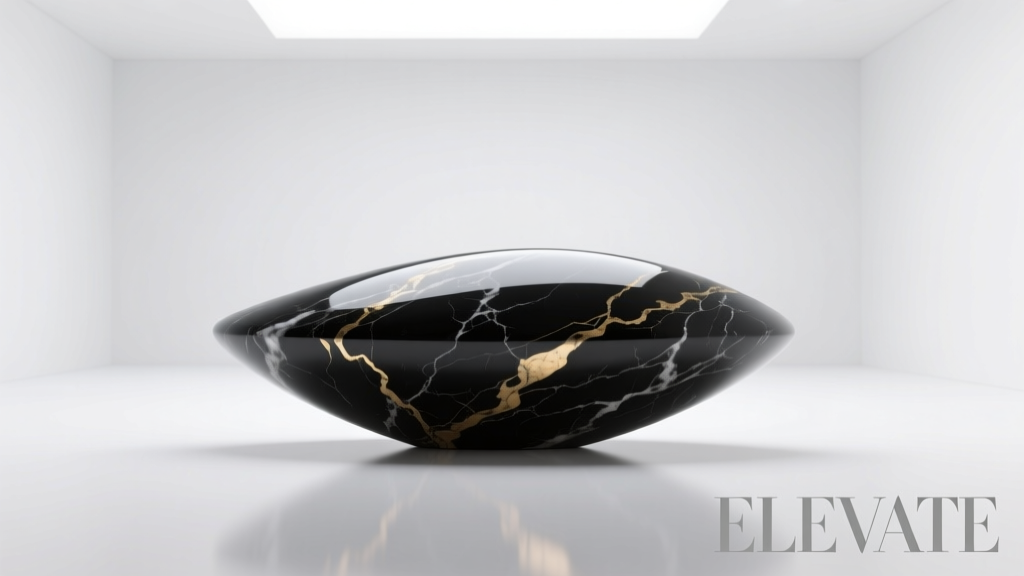
Types of Arched Stretchers
An arched stretcher—also known as an arched sitting tool—is a specialized piece of furniture designed to support the body during stretching, therapeutic sessions, or relaxation. These tools are engineered with a curved (arched) structure that promotes proper spinal alignment, weight distribution, and ergonomic comfort. Available in various materials and designs, arched stretchers cater to different environments, from fitness centers to wellness studios and home use.
Metal Arched Stretcher
Built for strength and longevity, this version uses high-grade metal as the primary structural component. The rigid metal frame ensures maximum stability and load-bearing capacity, making it ideal for intense or frequent use.
Advantages
- Extremely durable and long-lasting
- Supports heavy loads without deformation
- Resistant to wear, moisture, and corrosion (especially aluminum or powder-coated steel)
- Ideal for commercial environments
Limitations
- Heavier and less portable
- Colder, more industrial aesthetic
- May transmit more vibration or rigidity to the user
Best for: Gyms, physical therapy clinics, salons, and high-traffic professional settings
Wooden Arched Stretcher
Crafted from solid or engineered timber, this design blends natural beauty with functional support. The inherent flexibility of wood provides a slightly softer, more responsive feel compared to metal.
Advantages
- Warm, inviting aesthetic that complements home or spa interiors
- Natural shock absorption and slight flex for comfort
- Eco-friendly and sustainable (especially with FSC-certified wood)
- Timeless design suitable for yoga studios and wellness centers
Limitations
- Less durable under extreme or continuous use
- Vulnerable to moisture damage if not properly sealed
- Requires more maintenance (e.g., polishing, sealing)
Best for: Yoga studios, massage therapy, meditation spaces, and residential use
Canvas or Fabric Arched Stretcher
Featuring a tensioned fabric or canvas surface stretched over an arched frame, this lightweight design emphasizes comfort, breathability, and adaptability to body contours.
Advantages
- Highly breathable and ventilated—ideal for warm climates
- Conforms to body shape for personalized support
- Lightweight and often foldable or portable
- Soft surface reduces pressure on joints and skin
Limitations
- Fabric may stretch or degrade over time with heavy use
- Less structural rigidity compared to solid-frame models
- Limited weight capacity
Best for: Outdoor use, travel, hot yoga, and extended sitting or stretching sessions
Hybrid Arched Stretcher
A modern innovation combining materials—such as a metal or wood frame with a fabric seating surface—to balance durability, comfort, and style.
Advantages
- Combines structural strength with ergonomic comfort
- Versatile design for multiple environments
- Improved longevity over all-fabric models
- Offers both aesthetic appeal and functionality
Limitations
- Higher cost due to complex construction
- Potential for multiple failure points (e.g., fabric detachment)
- May require specialized cleaning or care
Best for: Multi-purpose studios, hybrid home-gym setups, and users seeking the best of both worlds
| Type | Durability | Comfort | Portability | Best Application |
|---|---|---|---|---|
| Metal Arched Stretcher | Excellent | Fair | Poor | Gyms, clinics, commercial use |
| Wooden Arched Stretcher | Good | Good | Fair | Yoga studios, homes, spas |
| Canvas/Fabric Arched Stretcher | Fair | Excellent | Excellent | Outdoor, travel, hot climates |
| Hybrid Arched Stretcher | Very Good | Very Good | Good | Mixed-use environments, versatile needs |
Expert Tip: When selecting an arched stretcher, consider the primary use case—durability for commercial settings, comfort for therapeutic use, and portability for travel. Always check weight limits and material certifications to ensure safety and longevity.
Design of Arched Stretcher: Functionality, Aesthetics & Engineering
The arched stretcher is a masterful fusion of ergonomic engineering and architectural elegance, widely favored in both therapeutic and fitness environments. Its distinctive curved profile not only enhances visual appeal but also plays a critical role in biomechanical performance. Designed to support effective stretching, improve posture, and promote flexibility, the arched stretcher transcends basic utility to become a sculptural centerpiece in modern interiors. Below is a comprehensive exploration of its key design elements, materials, and functional advantages.
Arch Shape: The Foundation of Ergonomic Design
Structural Advantages
The arch shape is engineered to distribute body weight evenly across the entire frame, minimizing pressure points and enhancing user comfort. This curvature naturally aligns with the spine’s natural lordotic and kyphotic curves, supporting proper posture during stretching exercises.
Unlike flat or angular stretchers, the arch promotes a dynamic range of motion, allowing users to engage core muscles and achieve deeper, more effective stretches. The structural integrity of the arch also enhances load-bearing capacity, making it ideal for repeated use in professional settings such as yoga studios, physical therapy clinics, and rehabilitation centers.
Aesthetic & Spatial Integration
Beyond functionality, the arched form introduces a fluid, organic silhouette that contrasts with the rigid lines of conventional furniture. This sculptural quality makes the arched stretcher a focal point in interior design, blending seamlessly with minimalist, modern, or industrial decor.
Architects and interior designers often select these units not only for their utility but also for their ability to enhance spatial flow and visual interest. The curvature can echo other design elements—such as rounded doorways, domed ceilings, or curved seating—creating a cohesive and harmonious environment.
Materials Used: Balancing Durability, Comfort, and Style
Metal Frameworks
Stainless steel, powder-coated aluminum, or chromed steel are commonly used for the structural frame due to their high strength-to-weight ratio and resistance to corrosion. These materials offer a sleek, industrial aesthetic and are ideal for commercial environments where durability and hygiene are paramount.
Finish options such as brushed, polished, or matte coatings allow customization to match specific design themes, while also providing slip resistance and easy cleaning.
Wood & Natural Materials
Hardwoods like beech, oak, or walnut are preferred for their warmth, grain beauty, and sustainability. Timber frames offer a biophilic design element, creating a calming, nature-inspired atmosphere ideal for wellness spaces.
Wooden arches are often treated with non-toxic sealants to enhance longevity and moisture resistance, making them suitable for both residential and light commercial use.
Fabrics & Cushioning
The surface material—typically high-tensile canvas, reinforced nylon, or eco-leather—plays a crucial role in user comfort and safety. These fabrics provide a balance of firm support and gentle give, enabling secure positioning during dynamic stretches.
Padding, when included, is usually made from high-density foam or memory foam, contoured to the arch and covered with antimicrobial, breathable fabric to prevent overheating and maintain hygiene.
Composite & Hybrid Designs
Modern iterations combine materials for optimized performance—such as a steel core with wooden cladding or fabric-wrapped frames. These hybrid models offer the best of both worlds: structural resilience with tactile warmth and visual softness.
Composite materials are also being explored for lightweight portability and environmental sustainability, including recycled polymers and bio-based resins.
Functionality: Engineering for Performance and Accessibility
| Design Feature | Functional Benefit | Ideal For |
|---|---|---|
| Curved Arch Profile | Spinal alignment, even weight distribution | Yoga, physical therapy, posture correction |
| Metal Frame | Durability, stability, hygiene | Clinics, gyms, commercial use |
| Wooden Construction | Warm aesthetics, sustainability | Residential, wellness centers |
| Adjustable Height | Customizable stretch intensity | Beginners to advanced users |
| Textile Surface (Canvas/Nylon) | Comfort, breathability, grip | Daily stretching, active recovery |
Important: Always verify weight capacity and material certifications before purchase, especially for clinical or high-usage environments. Improper use or substandard materials can lead to structural failure or injury. Follow manufacturer guidelines for assembly, maintenance, and maximum user weight to ensure safety and longevity.
How to Choose an Arched Stretcher
Selecting the right arched stretcher is essential for achieving effective stretching, improving flexibility, and supporting overall physical wellness. Whether used for yoga, physical therapy, rehabilitation, or general fitness, the ideal stretcher should align with the user’s body type, lifestyle, and aesthetic preferences. Understanding the key selection criteria ensures long-term satisfaction and optimal performance.
Material Quality and Type
The material of the arched stretcher significantly influences its durability, comfort, and visual appeal. Different materials cater to various functional and design needs.
- Metal frames offer exceptional strength and longevity, ideal for high-use environments like gyms or clinics. Powder-coated finishes resist rust and scratching.
- Hardwood constructions (such as beech or birch) provide a warm, elegant look and natural shock absorption, making them perfect for home studios or wellness spaces.
- Fabric-covered or padded models enhance user comfort during prolonged sessions and improve breathability, especially beneficial for therapeutic or recovery routines.
Pro tip: Look for sustainably sourced wood or recyclable metals to support eco-conscious choices.
Size and Proportions
Choosing the correct size ensures safe, effective use and prevents strain or improper posture during stretching.
- Measure the user’s height—taller individuals (over 5'10") may require extended-length models (typically 30–36 inches).
- Consider available space; compact designs (under 30 inches) are better suited for small apartments or multi-use rooms.
- Weight capacity varies by model—ensure the stretcher supports the user’s weight, especially for therapeutic or rehabilitation use.
- A well-proportioned arch supports the spine naturally without excessive pressure on the lower back.
Key consideration: Test the fit if possible—feet should rest flat on the ground with a slight bend in the knees when lying back.
Adjustability and Versatility
Adjustable stretchers accommodate multiple users or evolving flexibility levels, enhancing long-term value.
- Models with height-adjustable arches allow customization for gentle or deep stretching, ideal for users at different fitness levels.
- Some designs feature removable cushions or modular supports, enabling personalized spinal alignment.
- Multi-position legs or foldable frames improve storage and portability, especially useful in shared or limited spaces.
- For group settings (e.g., yoga studios), consider stackable or lightweight options for easy setup and transport.
Smart choice: Adjustable models are ideal for families or training facilities with diverse user needs.
Durability and Structural Integrity
Long-term reliability depends on both material quality and construction techniques.
- Reinforced joints, welded metal connections, or dovetail wood joinery enhance stability and prevent wobbling.
- Look for non-slip rubber feet or floor grips to prevent movement during use, especially on hardwood or tile surfaces.
- Stress-tested frames ensure safety under repeated use and support dynamic movements like rolling or pivoting.
- Water-resistant or easy-to-clean surfaces extend lifespan in humid environments or high-traffic areas.
Technical note: High-end models often include load ratings (e.g., 300+ lbs) and certifications for commercial use.
Style and Aesthetic Integration
The visual design of the stretcher should complement the room’s décor while maintaining functional integrity.
- Minimalist metal frames suit modern, industrial, or clinical interiors.
- Natural wood finishes blend seamlessly with Scandinavian, bohemian, or spa-like environments.
- Neutral fabric colors (gray, beige, navy) offer versatility and resist visible wear.
- Bespoke finishes or custom upholstery options are available from premium brands for a personalized touch.
Design insight: A well-designed stretcher can double as a decorative element when not in use.
Comfort and Ergonomic Support
Comfort is critical for encouraging regular use and preventing discomfort or injury.
- Cushioned padding with high-density foam conforms to the body while maintaining firm support.
- Ergonomic curvature aligns with the natural spine shape, reducing pressure on vertebrae and discs.
- Textured or breathable fabric covers prevent slipping and reduce heat buildup during extended sessions.
- Some models include additional lumbar or neck supports for enhanced posture correction.
Health benefit: Proper ergonomic design promotes spinal decompression and improved posture over time.
Professional Recommendation: For most home users, a mid-range wooden or padded metal stretcher with moderate adjustability offers the best balance of comfort, durability, and aesthetics. If used for therapeutic purposes, prioritize models with medical-grade certifications or those recommended by physical therapists. Always encourage users to start with gentle stretches and gradually increase intensity to avoid strain.
| User Profile | Recommended Material | Key Features | Ideal Use Case |
|---|---|---|---|
| Home user / Casual stretching | Hardwood or padded metal | Fixed height, cushioned surface, compact size | Daily flexibility routines, yoga warm-ups |
| Yoga instructor / Studio | Durable metal or reinforced wood | Adjustable height, non-slip base, stackable design | Group classes, multi-user environments |
| Physical therapy patient | Medical-grade padded frame | Ergonomic support, modular cushions, high weight capacity | Rehabilitation, post-injury recovery |
| Fitness enthusiast | Lightweight metal or hybrid composite | Foldable, portable, quick setup | Gym use, travel, dynamic stretching |
Additional Considerations
- Warranty and Support: Reputable brands often provide 1–3 year warranties, reflecting confidence in build quality and customer service.
- Assembly Requirements: Some models require minimal assembly—check for included tools and clear instructions.
- Portability: Lightweight or foldable designs are ideal for renters, travelers, or those with limited storage.
- Hygiene and Maintenance: Removable, washable covers make cleaning easier, especially in shared or clinical settings.
- Brand Reputation: Established manufacturers often invest in biomechanical research to optimize ergonomic performance.
Scenarios of Arched Stretcher: Applications Across Environments
Arched stretchers are versatile therapeutic and fitness tools designed to support deep stretching, improve posture, and enhance physical recovery. Beyond traditional furniture uses, these innovative devices offer targeted spinal alignment and muscle relaxation benefits in a variety of professional and personal settings. Below is a comprehensive overview of key environments where arched stretchers deliver measurable physical and wellness advantages.
Pro Tip: The ergonomic arch design of the stretcher naturally aligns the spine, reduces gravitational compression on vertebrae, and promotes optimal neuromuscular relaxation—making it ideal for both active stretching and passive recovery.
Gym and Fitness Studios
In modern fitness environments, arched stretchers are increasingly integrated into post-workout cool-down protocols. After high-intensity training such as weightlifting, HIIT, or functional fitness, athletes use the arched stretcher to facilitate myofascial release and accelerate muscle recovery. The curved surface supports a full-body stretch, particularly targeting the back, hamstrings, and hip flexors—areas commonly tightened during rigorous exercise.
Fitness instructors also incorporate stretchers into group classes focused on mobility, balance, and functional strength. By providing stable support, the arch allows users to deepen stretches safely, improving flexibility over time. This makes the tool valuable not only for elite athletes but also for general fitness enthusiasts aiming to prevent injury and enhance performance.
- Used in cooldown routines to reduce muscle soreness (DOMS)
- Supports dynamic stretching and assisted partner stretches
- Enhances proprioception and body awareness during balance drills
- Helps correct postural imbalances caused by repetitive gym movements
Massage and Spa Centers
Professional massage therapists and spa practitioners utilize arched stretchers as an essential component of holistic treatment plans. During massage sessions, the stretcher allows clients to lie in a supported, semi-reclined position that decompresses the spine and relaxes the musculature, enabling deeper tissue work with greater comfort.
The arch provides ergonomic support that enhances blood circulation and lymphatic drainage, contributing to reduced inflammation and faster recovery from tension or injury. In hydrotherapy treatments, arched stretchers with stretcher bars are often placed in warm water immersion areas, where buoyancy combined with gentle spinal extension amplifies relaxation and joint mobility.
Additionally, many spas offer guided stretch therapy classes where clients are passively stretched on the device by trained therapists, improving flexibility and reducing chronic stiffness—particularly in the lower back and shoulders.
- Facilitates deeper tissue access during therapeutic massage
- Used in pre- and post-treatment relaxation protocols
- Enhances hydrotherapy and float therapy experiences
- Supports stress reduction and parasympathetic nervous system activation
Professional Insight: In clinical spa settings, arched stretchers are often combined with aromatherapy, heat therapy, or sound healing to create multi-sensory relaxation experiences that maximize client well-being and treatment efficacy.
Homes for Personal Use
For individuals seeking consistent self-care, owning an arched stretcher at home enables the integration of daily stretching into personal wellness routines. This is especially beneficial for people with sedentary lifestyles, desk jobs, or limited time to visit fitness or therapy centers. Just 10–15 minutes a day on the stretcher can help counteract the effects of prolonged sitting, poor posture, and muscular tightness.
The intuitive design promotes correct spinal alignment without requiring technical knowledge, making it safe and effective for users of all ages—from active seniors to young adults. Parents also find it useful for helping children develop healthy posture habits early. Because it requires no electricity and takes up minimal space, the stretcher fits seamlessly into bedrooms, living rooms, or home gyms.
- Ideal for morning routines to awaken the spine and improve circulation
- Great for evening use to release tension and improve sleep quality
- Supports injury prevention and long-term joint health
- Encourages mindfulness and body awareness during stretching
Yoga and Pilates Studios
Yoga and Pilates instructors increasingly use arched stretchers to complement traditional mat-based practices. The curved surface enhances alignment during foundational poses, allowing practitioners to maintain a neutral spine while deepening stretches. In restorative yoga, the stretcher serves as a prop for supported backbends, helping release tension in the thoracic spine and shoulders.
During yoga exercises that emphasize balance and core engagement, the stretcher adds an element of instability that challenges proprioception and strengthens stabilizing muscles. In Pilates, it supports spinal articulation drills and improves pelvic-ribcage coordination. The tool is particularly effective in classes focused on flexibility, rehabilitation, or postural correction.
Moreover, the stretcher is used in Yin Yoga and Stretch & Surrender sessions, where prolonged holds (3–5 minutes) allow connective tissues to gently elongate, leading to lasting improvements in range of motion.
- Enhances spinal flexibility and reduces disc compression
- Supports passive stretching in restorative and Yin Yoga
- Improves form and alignment in standing and seated poses
- Acts as a teaching aid for instructors to demonstrate proper posture
| Environment | Primary Benefits | Recommended Usage Frequency | Best For |
|---|---|---|---|
| Gym & Fitness Studios | Muscle recovery, flexibility, injury prevention | Post-workout (3–5 times/week) | Athletes, fitness enthusiasts |
| Massage & Spa Centers | Spinal decompression, relaxation, circulation | During therapy sessions (1–2 times/week) | Clients seeking stress relief or rehab |
| Home Use | Daily posture correction, tension release | Daily or every other day | Remote workers, seniors, families |
| Yoga & Pilates Studios | Enhanced alignment, deeper stretches | Integrated into classes (2–4 times/week) | Yoga practitioners, rehab patients |
Wellness Tip: Combine use of the arched stretcher with diaphragmatic breathing techniques to amplify relaxation and improve oxygen flow to tight muscles, enhancing both physical and mental recovery.
Additional Considerations
- Always ensure the stretcher is placed on a stable, non-slip surface
- Begin with shorter sessions (5–10 minutes) and gradually increase duration
- Consult a healthcare provider before use if you have spinal conditions or injuries
- Pair with foam rolling or massage tools for a comprehensive recovery routine
- Choose a stretcher with adjustable arch height for personalized comfort
The arched stretcher is more than just a stretching aid—it's a multifunctional wellness tool that bridges fitness, therapy, and lifestyle health. Whether used professionally or at home, its ability to support spinal health, improve flexibility, and promote relaxation makes it a valuable addition to any holistic wellness regimen.
Frequently Asked Questions About Arched Stretchers
Q1: What is the purpose of an arched stretcher?An arched stretcher is specifically designed to support optimal body alignment during stretching exercises. Its unique curved structure gently cradles the spine, promoting natural spinal extension and reducing compression on vertebrae. This targeted alignment helps stretch key muscle groups—including the back, hamstrings, hips, and shoulders—more effectively than flat surfaces.
By encouraging proper posture and reducing muscular resistance, the arched design enhances flexibility over time and helps relieve chronic muscle tension. Additionally, the shape promotes even weight distribution across the body, minimizing pressure points and increasing comfort during prolonged use, which can lead to deeper, more productive stretching sessions.
Q2: What materials are commonly used to make an arched stretcher?Arched stretchers are typically constructed from three primary materials—metal, wood, and fabric—each offering distinct advantages based on durability, comfort, and aesthetic preferences:
- Metal: Often made from reinforced steel or aluminum, metal stretchers offer exceptional strength and stability. Ideal for high-traffic environments like gyms or rehabilitation centers, they support heavier users and withstand frequent use without deformation.
- Wood: Crafted from hardwoods such as beech or birch, wooden stretchers provide a warm, natural appearance that blends well in home or spa settings. They offer slight flexibility that complements the arch’s ergonomic function, enhancing comfort while maintaining structural integrity.
- Fabric-Based Frames: These lightweight models use durable fabric stretched over a supportive frame. Softer to the touch, they are particularly comfortable for extended stretching or therapeutic use and are often foldable for easy storage and portability.
Regardless of material, high-quality arched stretchers are engineered for strength and long-term durability, ensuring safe and reliable performance across various applications.
Q3: Can an arched stretcher be used in professional settings?Yes, arched stretchers are widely utilized in professional wellness and fitness environments due to their functional design and therapeutic benefits. They are commonly found in:
- Gyms and Fitness Centers: Used by trainers to assist clients in dynamic warm-ups, cool-downs, and flexibility training.
- Spas and Massage Therapy Clinics: Integrated into recovery routines to relieve muscle tightness and improve circulation post-treatment.
- Yoga and Pilates Studios: Employed as a prop to deepen stretches, improve posture awareness, and support alignment for practitioners of all levels.
- Physical Therapy Offices: Utilized by therapists to aid in rehabilitation, helping patients regain range of motion after injury or surgery.
Their versatility and ease of use make arched stretchers a valuable tool for professionals aiming to enhance client outcomes, improve stretching efficiency, and provide personalized care in a controlled, supportive manner.
Q4: How does an arched stretcher improve stretching compared to traditional methods?Compared to conventional stretching techniques—such as floor-based stretches or using flat benches—an arched stretcher offers several biomechanical advantages:
| Feature | Traditional Stretching Methods | Arched Stretcher |
|---|---|---|
| Spinal Alignment | Often compromised due to flat surface; may cause strain. | Promotes natural spinal curvature and proper posture. |
| Weight Distribution | Pressure concentrated on shoulders, tailbone, or heels. | Evenly distributes body weight, reducing joint stress. |
| Stretch Depth | Limited by flexibility and floor resistance. | Enhances range of motion through supported, guided positioning. |
| Comfort & Duration | Discomfort limits session length. | Increased comfort allows longer, more effective sessions. |
| User Support | Minimal; relies on self-balance and control. | Provides structural support, ideal for beginners or those with limited mobility. |
The arched stretcher’s ergonomic design enables a deeper, safer, and more comfortable stretch by aligning the body correctly and reducing unnecessary strain—making it a superior choice for both casual users and professionals seeking consistent, measurable improvements in flexibility.
Q5: Is the arched stretcher suitable for all age groups?Yes, arched stretchers are designed to accommodate users of all ages and fitness levels. Their inclusive design features a thoughtfully contoured arch that adapts to various body types and flexibility ranges, making them accessible and beneficial for:
- Young Adults and Athletes: Use them to enhance performance, prevent injury, and accelerate recovery through improved muscle elasticity.
- Middle-Aged Individuals: Benefit from reduced stiffness, improved posture, and relief from sedentary lifestyle effects.
- Older Adults: Gain support for gentle mobility exercises, helping maintain joint health, balance, and independence.
- Beginners and Seniors with Limited Flexibility: The supportive curve reduces strain, allowing safe progression into deeper stretches over time.
Because the stretcher promotes proper alignment and minimizes stress on joints, it is a safe and effective tool for individuals with varying physical conditions. However, those with pre-existing spinal or musculoskeletal conditions should consult a healthcare provider before use to ensure compatibility with their specific needs.









