
When you unbox your Apple Watch, the included Sport Band is functional, comfortable, and designed for everyday use. But as soon as you start browsing accessories, you’re met with a tempting array of premium options—especially the sleek, polished metal bands. These stainless steel or Milanese loops carry a significantly higher price tag than the silicone Sport Band. So the question arises: Are metal straps truly worth the extra investment?
The answer isn’t a simple yes or no. It depends on your lifestyle, aesthetic preferences, daily activities, and how long you plan to keep your device. Let’s examine the real differences between metal and Sport Bands across key factors like comfort, durability, versatility, and overall value.
Durability and Longevity: Which Band Lasts Longer?
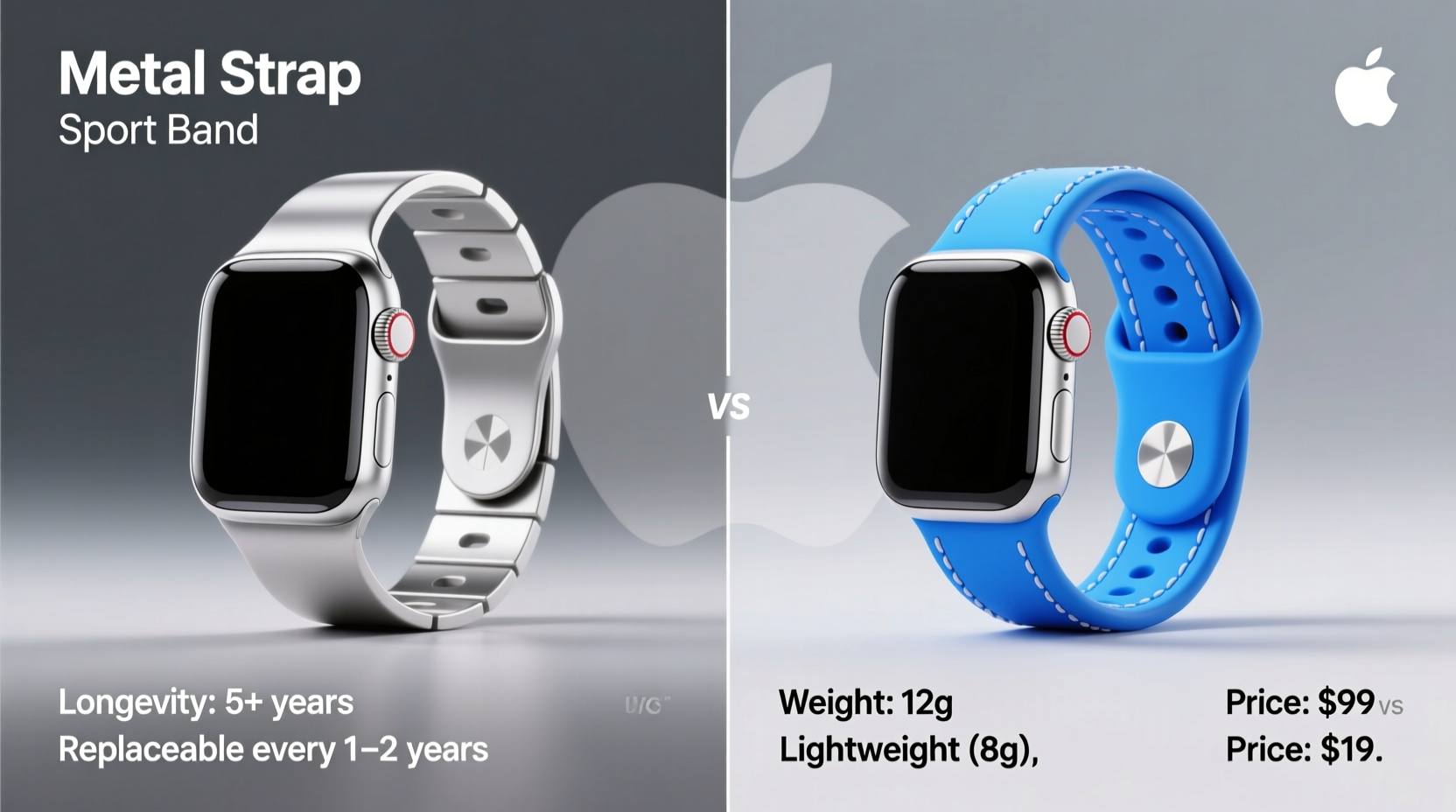
The Sport Band, made from fluoroelastomer, is built to endure sweat, moisture, and frequent wear. It’s the go-to choice for workouts, swimming, and outdoor activities. However, over time, it can accumulate odors, develop micro-tears near the clasp, or lose elasticity—especially if exposed to chlorine, saltwater, or prolonged sun.
Metal bands, particularly stainless steel link bracelets or the magnetic Milanese Loop, resist environmental wear far better. They don’t degrade from UV exposure or moisture, and they won’t absorb sweat. A well-maintained metal band can last through multiple Apple Watch generations, provided the lug size remains compatible.
Tip: Clean your metal band monthly with a soft cloth and mild soapy water to prevent buildup and maintain shine.That said, metal isn’t indestructible. Dropping your watch while wearing a link bracelet can bend links or damage the finish. The Milanese Loop, while elegant, has fine mesh that may snag on fabrics or get caught during quick movements. Repairs for metal bands are also more complex and costly than simply replacing a $50 Sport Band.
Comfort and Wearability: All-Day Performance Compared
Comfort is where the Sport Band often wins. Its lightweight design, flexibility, and breathability make it ideal for 24/7 wear. It conforms to your wrist, stays secure during exercise, and doesn’t trap heat. Many users report forgetting they’re even wearing it.
Metal bands vary by type. The Milanese Loop uses a magnetic closure and adjustable weave that molds to your wrist, offering a snug yet breathable fit. It's cooler than solid metal but still warmer than silicone in hot climates. Stainless steel link bracelets, meanwhile, are heavier—sometimes adding noticeable weight to the watch head. This can cause fatigue during extended wear, especially on smaller wrists.
Sleep tracking is another consideration. While some prefer the security of a metal band at night, others find the rigidity uncomfortable or worry about scratching their face. The Sport Band’s softness makes it a top choice for sleep wearers.
“Weight distribution matters more than people realize. A heavy band can throw off balance, especially during physical activity.” — Jordan Lee, Wearable Ergonomics Researcher
Style and Versatility: From Gym to Gala
This is where metal bands shine. The Sport Band is casual by design—perfect for the gym, hiking, or running errands. But it rarely fits into formal or professional settings. Pairing a bright green Sport Band with a suit feels incongruous.
In contrast, a silver or space black stainless steel band elevates the Apple Watch into a luxury accessory. It mirrors the look of traditional Swiss watches, making it appropriate for business meetings, weddings, or evening events. The Milanese Loop offers a refined middle ground—sleek enough for office wear without being overly rigid.
Consider this real-world scenario: Sarah, a marketing executive, wears her Apple Watch throughout the day. During team workouts, she swaps to a Sport Band. But when presenting to clients or attending networking dinners, she switches to a polished link bracelet. This dual-band strategy lets her optimize both function and appearance without buying multiple watches.
Comparison Table: Sport Band vs. Metal Bands
| Feature | Sport Band | Metal Band (Link/Milanese) |
|---|---|---|
| Price | $49–$59 | $149���$599 |
| Weight | Light (≈10g) | Heavy (≈50–100g) |
| Water Resistance | Natural resistance; dries quickly | Resistant but requires drying to avoid corrosion |
| Lifespan | 1–2 years with heavy use | 3+ years with care |
| Style Flexibility | Casual only | Casual to formal |
| Adjustability | Precise via pin holes | Link bands require tool; Milanese is infinitely adjustable |
| Sleep Comfort | Excellent | Fair to poor (depends on model) |
Value Over Time: Is the Premium Justified?
At first glance, spending $150 on a band for a $399 watch seems excessive. But value isn’t just about cost—it’s about utility per dollar over time.
If you wear your Apple Watch every day for five years, a $50 Sport Band replaced annually costs $250. A $199 stainless steel band lasting the same period offers comparable total cost—but with added benefits: enhanced aesthetics, less frequent replacement, and compatibility across devices.
Moreover, metal bands retain resale value. Used Sport Bands are rarely resalable, but high-end metal options like Hermès or official Apple link bracelets often sell for 60–70% of retail on secondhand markets.
Tip: Buy genuine Apple or certified third-party metal bands to ensure precise fit and avoid damaging your watch lugs.Step-by-Step: How to Decide Which Band Suits You
- Evaluate your daily routine: Do you work out daily? Work in an office? Attend formal events?
- Assess your current band usage: Is your Sport Band showing wear? Do you remove it for certain occasions?
- Test alternatives: Visit an Apple Store to try metal bands on your wrist. Pay attention to weight and temperature.
- Budget for long-term ownership: Consider how many bands you’ll replace over three years.
- Start with one upgrade: Purchase a single metal band (e.g., Milanese Loop) and rotate it with your Sport Band.
FAQ: Common Questions About Apple Watch Bands
Can I wear a metal band while swimming?
Apple’s stainless steel bands are not waterproof. While brief exposure to water is okay, prolonged submersion—especially in chlorinated or salt water—can lead to corrosion or discoloration. Always rinse and dry thoroughly after contact with moisture. For swimming, stick with the Sport Band or Nike Sport Loop.
Do metal bands scratch easily?
Yes, especially polished finishes. Stainless steel is durable but will show fine scratches with daily use. Brushed or space black ceramic-coated bands resist scratches better. Minor scuffs are normal and often add character over time.
Are third-party metal bands safe to use?
High-quality third-party bands from reputable brands (like Nomad or Belkin) are generally safe. Avoid ultra-cheap options with loose magnets or poorly machined links, as they may damage your watch or detach unexpectedly.
Final Verdict: When Metal Makes Sense
The Sport Band remains one of Apple’s best-designed accessories—functional, affordable, and resilient. For most users, it’s all they’ll ever need. But metal bands serve a distinct purpose: transforming the Apple Watch from a fitness tracker into a statement piece.
If you value aesthetics, own your devices long-term, or move between active and professional environments, investing in a metal band is justified. The Milanese Loop offers the best balance of elegance and comfort. For maximum prestige, the stainless steel link bracelet delivers a luxury feel unmatched by any silicone strap.
You don’t have to choose one forever. Many Apple Watch owners maintain a rotation: Sport Band for mornings and workouts, metal for afternoons and evenings. This hybrid approach maximizes both practicality and polish without overspending.
🚀 Ready to elevate your Apple Watch experience? Try a metal band for one week. Notice how it changes your perception of the device—not just as tech, but as a personal accessory. Share your thoughts with us and join the conversation on wearable style meets functionality.








