Anime has long captivated global audiences with its dynamic storytelling, emotional depth, and visual artistry. Yet, even the most devoted fans often find themselves at a crossroads when encountering filler arcs—episodes or storylines not present in the original manga or source material. These segments spark heated discussions across forums, fan communities, and streaming platforms. Are they a creative necessity that allows adaptation teams breathing room? Or are they tedious detours that dilute the narrative momentum? The answer isn't binary. Understanding the role of filler arcs requires examining production realities, audience expectations, and the evolving nature of long-running anime series.
The Origins and Purpose of Filler Arcs
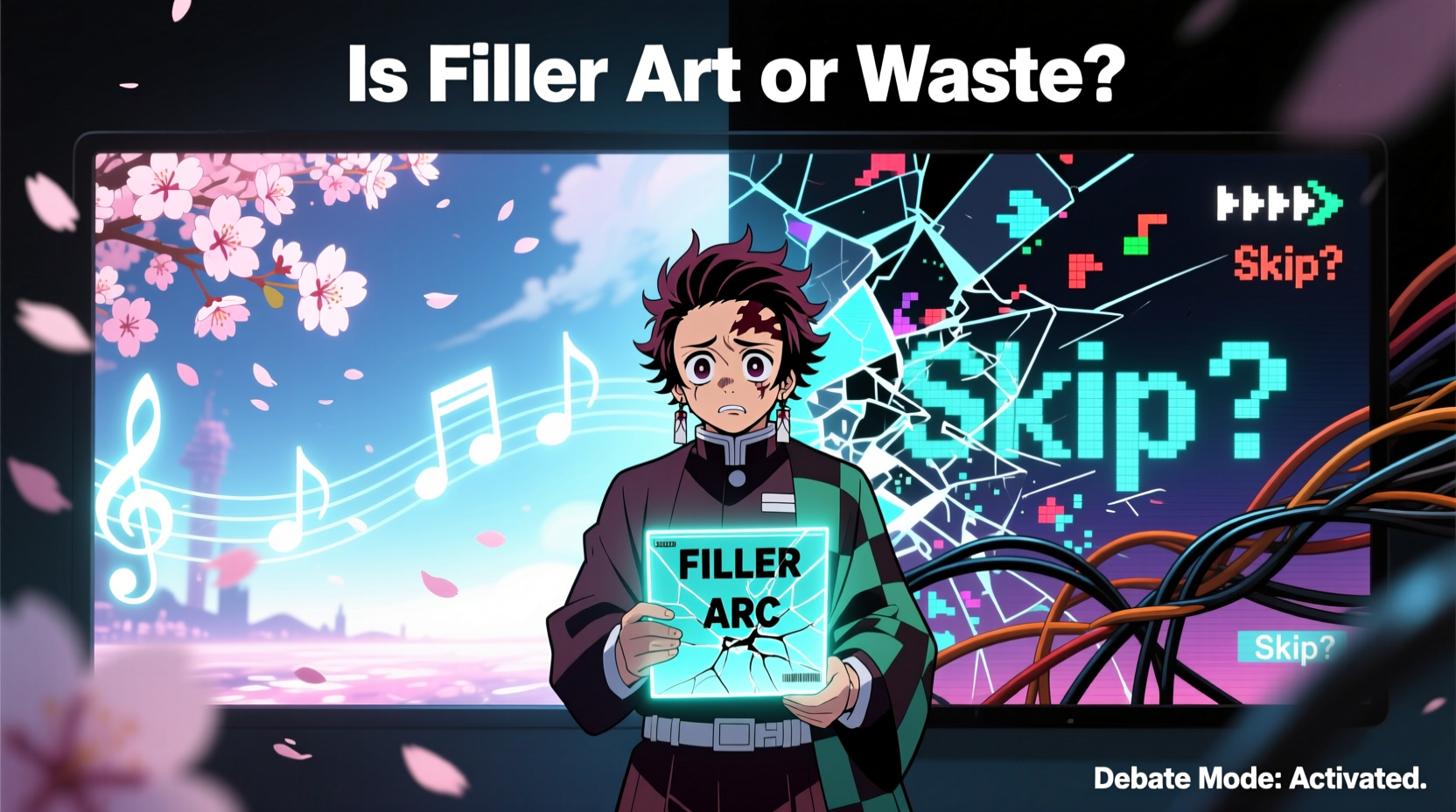
Fan frustration with filler content often stems from a misunderstanding of why they exist in the first place. Unlike Western television, where seasons are pre-written and filmed in advance, many anime series are produced concurrently with their source manga. This real-time production model creates a constant risk of the anime overtaking the manga—a scenario that would leave studios without new material to adapt.
To prevent this, studios introduce filler arcs. These self-contained stories serve as pacing mechanisms, buying time for manga authors to produce more chapters. Series like Naruto, One Piece, and Bleach have used filler extensively due to their lengthy runs and weekly release schedules. Without these pauses, entire franchises might have ended prematurely or faced prolonged hiatuses.
But filler isn’t solely about delay. It also offers opportunities for character development, world-building, and exploring side characters who receive minimal attention in the main plot. For instance, the Konoha Special Mission Squad arc in Naruto Shippuden gave screen time to underused ninjas like Rock Lee and Kiba, enriching the village’s social fabric beyond the central trio.
Tip: When deciding whether to watch a filler arc, check if it introduces new abilities, backstories, or lore relevant to later canon events.When Filler Adds Value—and When It Drags
Not all filler is created equal. Some arcs are so well-integrated that fans forget they weren’t part of the original manga. The Itachi Pursuit arc in Naruto Shippuden, while initially filler, was later partially retroactively recognized as canon due to its emotional weight and narrative importance. Similarly, One Piece's Amber Lead Island arc explores themes of war, trauma, and pacifism through an entirely original cast, delivering a poignant standalone story that resonates with longtime viewers.
Conversely, low-effort filler can feel like padding—episodes centered on cooking contests, beach trips, or nonsensical chases that contribute nothing to character growth or plot progression. These episodes often suffer from recycled animation, weak dialogue, and a noticeable drop in production quality. They disrupt immersion and frustrate viewers invested in the primary storyline.
The distinction lies in intent and execution. High-quality filler expands the universe meaningfully; low-effort filler exists only to fill runtime. Recognizing this difference helps viewers make informed choices about what to watch.
“Filler isn’t inherently bad—it’s how you use it. A well-crafted side story can humanize characters in ways the main plot never could.” — Akira Saito, Anime Production Coordinator (Studio Sunrise)
Strategic Viewing: A Guide to Navigating Filler
For fans balancing enjoyment with efficiency, navigating filler doesn’t have to be guesswork. A structured approach allows viewers to absorb valuable content while skipping redundant episodes. The following step-by-step method optimizes the viewing experience:
- Identify the anime’s adaptation pattern. Research whether the series typically integrates filler sporadically or in large blocks. For example, One Piece uses short bursts of filler between major arcs, while Inuyasha had extended filler sequences lasting over 50 episodes.
- Consult reliable episode guides. Websites like AnimeFillerList.com or Reddit communities provide detailed breakdowns of canon, filler, and mixed episodes.
- Determine your viewing goal. Are you rewatching for nostalgia, analyzing themes, or experiencing the story for the first time? First-time viewers may benefit from selective skips; completists might prefer full immersion.
- Watch filler with specific criteria. Prioritize arcs that:
- Introduce new jutsu, powers, or mechanics
- Reveal character backstories or relationships
- Are later confirmed as semi-canon or referenced in main arcs
- Use skip lists during binge sessions. Create a playlist excluding confirmed non-essential episodes to maintain narrative momentum.
Real Example: Rewatching Naruto Shippuden Strategically
Consider a viewer preparing to rewatch Naruto Shippuden after a decade. With 500 episodes, committing to every installment is a significant time investment. Using a filler guide, they identify key arcs to retain—such as the Fourth Shinobi World War buildup and the Itachi Story—while skipping filler like the Chefu Ninja Battle Tournament. However, they choose to watch the Power arc because it foreshadows Obito’s motivations and includes animation improvements that enhance the viewing experience. This selective strategy preserves emotional continuity without sacrificing efficiency.
Fan Perception vs. Production Reality
Public sentiment toward filler often overlooks the logistical constraints behind anime production. Studios operate under tight deadlines, limited budgets, and fluctuating staff availability. Halting production entirely is rarely feasible—network contracts, merchandising schedules, and voice actor commitments depend on consistent output.
In this context, filler becomes a survival mechanism. As Masao Maruyama, co-founder of MAPPA Studio, once noted: “Stopping a show means losing the team, the momentum, and possibly the license. Filler keeps the engine running.”
Moreover, some filler is developed in collaboration with manga creators. Eiichiro Oda occasionally provides input for One Piece filler, ensuring tonal consistency. In rare cases, popular filler characters—like Sakura’s student from the Kakashi Retsuden arc—are later incorporated into official light novels or games, blurring the line between canon and invention.
Yet, shifting viewer habits complicate this model. With streaming services enabling immediate access to manga translations, fans now consume source material faster than ever. This reduces tolerance for filler, especially when it delays pivotal moments like character deaths or power awakenings.
Comparison Table: Essential vs. Skippable Filler Traits
| Trait | Essential Filler | Skippable Filler |
|---|---|---|
| Narrative Contribution | Expands lore, introduces mechanics, or develops relationships | No lasting impact on plot or characters |
| Character Development | Provides backstory or emotional insight | Uses characters as props for gags or tropes |
| Animation Quality | Maintains or exceeds series standard | Relies on still frames, reused cuts |
| Canon Recognition | Later referenced in main story or officially acknowledged | Ignored or contradicted by future episodes |
| Fan Reception | Praised for creativity or emotional depth | Commonly cited in “skip lists” |
Frequently Asked Questions
Are all filler arcs non-canon?
Most are, but exceptions exist. Some filler content is later approved by the original creator and integrated into the broader canon—either through direct reference, inclusion in databooks, or adaptation into official spin-offs. For example, parts of Naruto Shippuden’s Shikamaru Hiden were inspired by earlier filler developments.
Can I safely skip all filler without missing important information?
Generally, yes—but with caveats. While major plot points remain intact, skipping everything may cause you to miss subtle character nuances, power explanations, or thematic expansions. Use curated guides to identify high-value filler before dismissing it entirely.
Why do some anime have no filler at all?
Series adapted from completed manga (e.g., Attack on Titan, Fullmetal Alchemist: Brotherhood) avoid filler because the entire story is available upfront. Additionally, some studios opt for recaps or original video animations (OVAs) instead of in-series filler to manage pacing.
Actionable Checklist: How to Approach Filler Wisely
- ✅ Research the anime’s filler ratio before starting
- ✅ Bookmark a trusted filler list for quick reference
- ✅ Watch origin and conclusion episodes of filler arcs—they sometimes contain transitional scenes
- ✅ Note any new techniques or weapons introduced in filler
- ✅ Revisit skipped filler after finishing the series if curiosity persists
- ✅ Support official releases to encourage better production planning
Conclusion: Embracing Nuance in the Filler Debate
The question of whether filler arcs are a necessary evil or skippable content lacks a universal answer. They emerge from a complex interplay of artistic ambition, industrial pressure, and fan engagement. Dismissing all filler as worthless ignores the creativity and care that go into many of these segments. At the same time, blindly consuming every episode risks diluting the impact of tightly written canon arcs.
The mature viewer approach isn’t blanket acceptance or rejection—it’s discernment. By understanding the reasons behind filler, evaluating its quality, and making intentional viewing choices, fans can enjoy the best of both worlds. Whether you’re drawn to the emotional resonance of a side story or eager to reach the next major battle, your journey through anime should align with your goals and appreciation for the medium.
💬 What’s your take? Have you discovered a beloved filler arc, or suffered through an endless detour? Share your experience and help others navigate the great anime filler debate.








