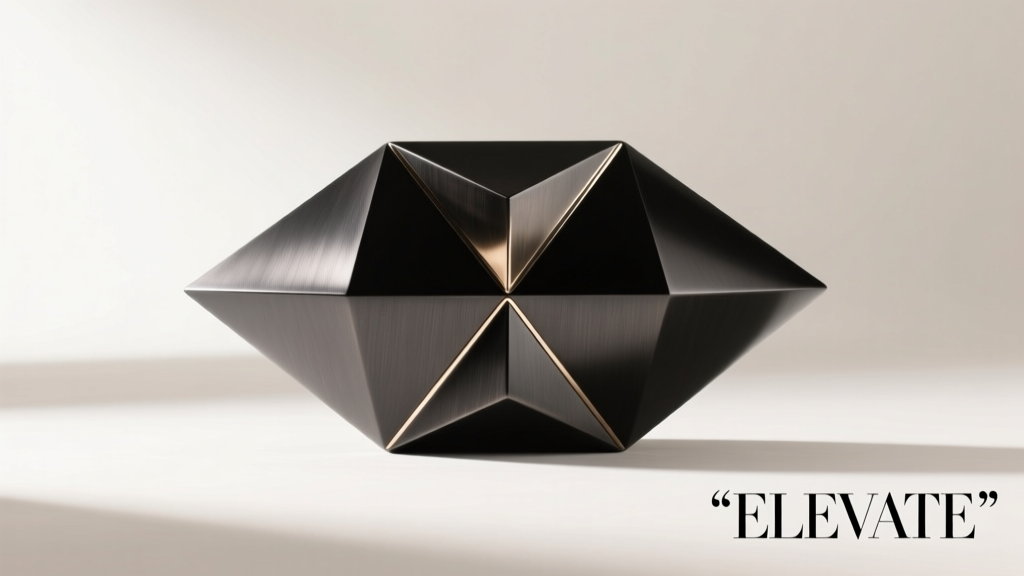
Types of House-Shaped Aluminum Carabiners
A house-shaped aluminum carabiner is a versatile and durable fastening tool widely used in outdoor, industrial, and everyday carry (EDC) applications. Recognizable by its symbolic house-like silhouette, this design combines aesthetic appeal with functional strength. Made from lightweight yet robust aluminum alloys, these carabiners offer excellent strength-to-weight ratios and high resistance to corrosion. Below is a detailed breakdown of the four primary types available, each tailored to specific use cases and performance requirements.
Traditional Aluminum House-Shaped
Classic design optimized for general-purpose use with a balance of strength, weight, and affordability.
Advantages
- Lightweight and easy to carry
- High tensile strength from aerospace-grade aluminum alloy
- Excellent corrosion resistance
- Cost-effective for everyday use
Limitations
- No locking mechanism
- Not ideal for high-risk or safety-critical tasks
- Basic design may lack advanced features
Best for: Hiking, camping, gear organization, keychains, and general utility
Locking Aluminum House-Shaped
Features a secure twist-lock or screw-lock gate to prevent accidental opening under load.
Advantages
- Prevents unintentional gate opening
- Ideal for safety-critical applications
- Available in manual and automatic locking variants
- Secure in dynamic or vertical environments
Limitations
- Slightly heavier than non-locking types
- Requires proper engagement to ensure safety
- Higher cost due to complex mechanism
Best for: Rock climbing, rescue operations, rigging, and industrial safety systems
Heavy-Duty Aluminum House-Shaped
Built for extreme loads using aircraft-grade aluminum for maximum strength and durability.
Advantages
- Superior load-bearing capacity
- Maintains lightweight despite heavy-duty construction
- Durable under harsh conditions
- Resistant to wear, impact, and fatigue
Limitations
- More expensive than standard models
- Bulkier design may limit portability
- Overkill for light-duty uses
Best for: Construction, industrial rigging, large outdoor expeditions, and heavy equipment attachment
Anodized & Decorative House-Shaped
Enhanced with vibrant anodized finishes and custom designs for visual appeal and branding.
Advantages
- Increased corrosion resistance from anodization
- Wide range of colors and finishes available
- Great for personalization and brand identity
- Functional while being aesthetically pleasing
Limitations
- Decorative elements may wear over time
- Potential for slightly reduced grip in wet conditions
- May prioritize looks over maximum strength
Best for: Promotional giveaways, branded merchandise, personalized keychains, and fashion-forward EDC gear
| Type | Strength | Weight | Security | Best Application |
|---|---|---|---|---|
| Traditional Aluminum | High | Light | Basic | Hiking, camping, everyday carry |
| Locking Aluminum | High | Medium | High (Locking Mechanism) | Climbing, rescue, rigging |
| Heavy-Duty Aluminum | Very High | Medium-Heavy | High | Industrial, construction, extreme loads |
| Anodized & Decorative | Medium to High | Light | Basic | Branding, personalization, accessories |
Expert Tip: Always check the manufacturer's load rating (expressed in kN – kilonewtons) and gate opening clearance before selecting a carabiner for critical tasks. For climbing or rescue use, ensure the carabiner meets UIAA or CE safety standards.
Design of the Aluminum House-Shaped Carabiner
The aluminum house-shaped carabiner is a meticulously engineered climbing and utility tool, combining form, function, and durability. Its distinctive silhouette—reminiscent of a geometric house—does more than stand out visually; it enhances structural performance, usability, and safety. From material selection to ergonomic refinement, every aspect of its design is purpose-built for reliability in demanding environments such as mountaineering, rescue operations, and outdoor gear management.
Core Design Elements
Material Quality
Constructed from aircraft-grade aluminum alloy (typically 7075-T6), the house-shaped carabiner delivers an exceptional strength-to-weight ratio. This high-performance alloy is widely used in aerospace and defense applications due to its superior tensile strength, resistance to fatigue, and lightweight nature—making it ideal for climbers and adventurers who prioritize efficiency and endurance.
Unlike steel, aluminum is naturally corrosion-resistant, ensuring long-term reliability even in wet, salty, or humid conditions such as coastal climbs or alpine expeditions. The absence of rust significantly extends service life and reduces maintenance needs, especially when compared to lower-grade metals that degrade under environmental stress.
Unique Shape and Structural Advantages
The house-shaped design—featuring a broad top section tapering into a narrower base—mirrors architectural principles of load distribution and stability. This geometry increases the surface area at the top where the majority of the load is concentrated, enhancing load-bearing capacity and minimizing point stress on critical connection zones.
Beyond strength, the shape provides a larger gate opening, simplifying gear clipping and unclipping, especially with gloves or in high-stress scenarios. The wide basket also allows for smoother rope movement and reduces the risk of cross-loading, a common cause of carabiner failure during dynamic maneuvers.
Gate Mechanism Options
The gate is a pivotal component affecting both safety and usability. House-shaped carabiners are available with three primary gate types:
- Straight Gate: Offers a balanced, smooth action ideal for general-purpose use. Easy to clip and unclip, it’s preferred for quickdraws and anchor points.
- Bent Gate: Designed to guide ropes more efficiently into the basket, enhancing clipping speed. Commonly used in lead climbing where rapid rope engagement is critical.
- Diamond Gate (or Wide-Open Gate): Features an enlarged opening for rapid gear attachment, especially useful in emergency rescues or when handling bulky equipment.
Many models also include spring-loaded or locking mechanisms (screw-lock, twist-lock, or auto-lock) to prevent accidental gate opening under load, significantly increasing safety in high-risk applications.
Surface Finish and Ergonomics
The surface treatment of the carabiner plays a vital role in both performance and user experience. A polished or anodized finish not only improves corrosion resistance but also reduces friction between the carabiner and connected ropes or slings, minimizing wear on both the hardware and the cordage.
Ergonomic enhancements such as chamfered edges and rounded contours improve grip and handling, particularly in cold, wet, or high-stress conditions. Textured finishes like sandblasting or bead-blasting provide additional traction, preventing slippage during critical operations.
Anodizing also allows for color coding—enabling users to quickly identify carabiner types, sizes, or load ratings—while offering branding opportunities for manufacturers and enhanced visual appeal.
| Design Feature | Function & Benefit | Common Applications |
|---|---|---|
| Aircraft-Grade Aluminum | Lightweight, high strength, corrosion-resistant | Climbing, rescue, marine, outdoor gear |
| House-Shaped Profile | Optimized load distribution, larger gate opening | Anchors, quickdraws, multi-point rigging |
| Bent or Diamond Gate | Faster rope clipping, reduced snagging | Lead climbing, emergency deployment |
| Anodized Finish | Color coding, enhanced durability, reduced friction | Professional and recreational use |
Important: Always inspect your carabiner before each use for signs of wear, deformation, or gate malfunction. Never exceed the rated load capacity (typically marked on the side), and avoid cross-loading or using damaged units. Proper storage away from moisture and abrasive materials ensures long-term reliability and safety.
Practical Applications of House-Shaped Aluminum Carabiners
House-shaped aluminum carabiners combine functional engineering with distinctive design, making them suitable for a wide range of applications. Their lightweight yet durable aluminum construction, coupled with a unique silhouette, enhances both usability and visual appeal. Below are key scenarios where these specialized carabiners deliver exceptional value.
Outdoor Adventures
For hikers, campers, and climbers, these carabiners offer a reliable and lightweight solution for securing gear. Their ergonomic house shape provides a larger gripping surface and improved clearance for attaching multiple items such as water bottles, trekking poles, or climbing equipment to backpacks and harnesses.
- Durable aluminum construction withstands rugged terrain and variable weather conditions
- Unique shape aids in organizing gear and prevents tangles on multi-point attachment systems
- Lightweight design reduces pack load—ideal for long-distance treks and alpine expeditions
- Non-corrosive material ensures longevity even in humid or wet environments
Pro tip: Use color-coded house carabiners to quickly identify gear categories (e.g., cooking, safety, hydration).
Everyday Carry (EDC)
In daily routines, these carabiners serve as stylish and functional tools for carrying essentials. Whether clipped to a belt loop, keyring, or messenger bag, they streamline access to keys, flashlights, multitools, or pocket-sized gadgets.
- Smooth edges and compact profile prevent snagging on clothing
- House-shaped design adds a playful, modern aesthetic to utilitarian EDC setups
- Strong gate mechanism ensures secure attachment of valuables
- Available in multiple finishes (anodized, brushed, matte) to match personal style
Smart use: Pair with a minimalist wallet or pocket organizer for a sleek, functional EDC system.
Promotional Products
Brands leverage the eye-catching house design to create memorable promotional merchandise. These carabiners act as both practical tools and brand ambassadors, offering lasting visibility due to their everyday utility.
- Customizable with logos, slogans, or QR codes via laser engraving or pad printing
- Distributed at trade shows, outdoor events, or as customer loyalty gifts
- High perceived value encourages long-term retention and brand recall
- Eco-friendly aluminum is recyclable, aligning with sustainability initiatives
Marketing insight: Branded carabiners have a higher retention rate than traditional giveaways like pens or notepads.
Emergency and Rescue Operations
Locking variants of house-shaped carabiners are trusted in high-stakes environments where safety and quick identification are critical. Used by firefighters, search-and-rescue teams, and emergency medical personnel, they provide secure tethering for life-saving equipment.
- Screw-gate or auto-locking mechanisms prevent accidental opening under load
- Distinctive shape allows for rapid visual and tactile identification in low-light or high-stress conditions
- Lightweight nature reduces fatigue during prolonged missions
- Compatible with standard harnesses, ropes, and rescue slings
Safety note: Always verify load ratings (typically 22 kN+) and compliance with ANSI or CE safety standards.
Industrial and Construction Sites
In demanding work environments, these carabiners support rigging, tool management, and load stabilization. Their robust build and intuitive design enhance both safety and operational efficiency.
- High-tensile aluminum alloys handle heavy-duty applications without compromising weight savings
- House shape provides better leverage and easier manipulation with gloves
- Quick-release gates enable fast attachment and detachment of tools or safety lines
- Resistant to rust, oil, and abrasion—ideal for harsh job site conditions
Efficiency boost: Use for tool lanyards to prevent drops and comply with OSHA fall protection guidelines.
Expert Recommendation: When selecting house-shaped aluminum carabiners for professional or safety-critical use, prioritize locking mechanisms and certified load ratings. For consumer and promotional applications, focus on design finish, branding options, and user comfort. Always ensure the carabiner meets industry-specific safety standards when used in rescue or industrial settings.
| Application | Key Feature | Material Benefit | Ideal Use Case |
|---|---|---|---|
| Outdoor Adventures | Lightweight & Tangle-Resistant | Aluminum reduces pack weight | Backpacking, mountaineering |
| Everyday Carry (EDC) | Stylish & Functional | Anodized finish prevents wear | Keys, multitools, accessories |
| Promotional Products | Customizable Surface | Durable for long-term use | Brand giveaways, events |
| Emergency Services | Locking Mechanism | High-strength, corrosion-resistant | Rescue gear, safety tethers |
| Industrial Use | Quick-Release & Load-Bearing | Impact-resistant aluminum | Tool lanyards, rigging |
Additional Considerations
- Load Capacity: Standard non-locking models typically support 10–15 kN; locking versions can exceed 20 kN—always check manufacturer specifications.
- Weather Resistance: Anodized aluminum resists oxidation, making it ideal for coastal or humid environments.
- Ergonomics: The house shape offers a comfortable grip and easier handling compared to traditional oval or D-shaped carabiners.
- Sustainability: Aluminum is highly recyclable, supporting eco-conscious branding and manufacturing practices.
- Versatility: Can be integrated into modular gear systems, MOLLE webbing, or used as zipper pulls in tactical apparel.
Specification & Maintenance of Aluminum House-Shaped Carabiners
Understanding the key specifications and proper maintenance practices is essential for maximizing the performance, longevity, and safety of aluminum house-shaped carabiners. These versatile tools are widely used in climbing, rescue operations, industrial rigging, and outdoor adventures. This guide provides a comprehensive overview of their technical features and care requirements to ensure reliable use under demanding conditions.
Safety Warning: Never use a carabiner beyond its rated load capacity or in applications where structural integrity has been compromised. Always inspect before each use and retire immediately if any damage is detected. Misuse can result in catastrophic failure.
Key Specifications of House-Shaped Aluminum Carabiners
The house-shaped design—characterized by a wider top and narrower base—offers superior strength-to-weight ratio and improved gate clearance compared to oval or D-shaped models. Below are the critical specifications to consider:
- Material: Constructed from high-strength, aircraft-grade 7075 or 6061 aluminum alloy, providing excellent durability while keeping weight low (typically 30–60 grams depending on size).
- Shape: The "house" or pear shape allows optimal load distribution along the major axis, enhances rope handling, and accommodates multiple connectors or knots more efficiently than traditional shapes.
- Gate Type: Available in various configurations:
- Straight Gate: Ideal for general clipping and smooth rope movement.
- Bent Gate: Designed to guide the rope into the basket, reducing snagging during lead climbing.
- Diamond Gate: Offers increased gate opening for complex rigging setups.
- Strength Ratings: Measured in kilonewtons (kN), these ratings are critical for safety:
- Major Axis (Closed): Typically rated between 20–30 kN, which is the primary load-bearing orientation.
- Minor Axis (Cross-Loading): Usually 7–10 kN; avoid loading across the gate spine as this significantly reduces strength.
- Open Gate: Reduced strength (around 6–8 kN); never allow dynamic loading when the gate is open.
- Locking Mechanisms: Available in screw-lock, twist-lock, and auto-locking variants. All must comply with international safety standards such as:
- CE EN 12275 (for climbing equipment)
- UIAA 121 certification
- OSHA and ANSI standards for industrial use
- Gate Opening: Ranges from 16mm to 22mm, allowing compatibility with different rope diameters and hardware combinations.
| Specification | Typical Range | Safety Standard | Application Notes |
|---|---|---|---|
| Material | Aircraft-grade aluminum (7075-T6) | ASTM B221 | Lightweight, corrosion-resistant, high strength |
| Tensile Strength (Major Axis) | 20–30 kN | CE EN 12275, UIAA 121 | Primary loading direction; never exceed rated limit |
| Cross-Loading Strength | 7–10 kN | CE EN 12275 | Avoid lateral forces; weakens structural integrity |
| Open Gate Strength | 6–8 kN | UIAA 121 | Dynamic loading prohibited when gate is open |
| Weight | 30–60 g | N/A | Lighter models ideal for alpine or extended use |
Essential Maintenance Tips for Longevity and Safety
Proper care ensures your carabiner remains safe and functional throughout its service life. Follow these best practices to maintain peak performance:
- Regular Visual and Tactile Inspection:
- Check for visible cracks, deep scratches, dents, or deformation—especially around the nose, gate hinge, and basket.
- Run your fingers along the surface to detect micro-fractures or burrs not visible to the eye.
- Inspect the gate for smooth operation and proper closure alignment.
- Locking Mechanism Check (for Locking Carabiners):
- Ensure the locking sleeve turns smoothly and engages securely.
- Verify that the lock cannot accidentally disengage under vibration or movement.
- Replace immediately if there is excessive play or difficulty in locking/unlocking.
- Cleaning Procedure:
- Clean after exposure to saltwater, mud, sand, or chemicals using lukewarm water and mild soap.
- Use a soft-bristled brush to remove debris from the gate crevice and pivot point.
- Rinse thoroughly and dry completely before storage to prevent corrosion.
- Never use harsh solvents, degreasers, or high-pressure water, as they can damage internal mechanisms.
- Storage Guidelines:
- Store in a cool, dry place away from direct sunlight and extreme temperatures.
- Keep in a protective pouch or toolbox to avoid impact damage and contamination.
- Avoid storing near corrosive substances like chlorine, acids, or fertilizers.
- Usage Precautions:
- Never load the carabiner sideways (minor axis) or with the gate open during dynamic activities.
- Do not modify or repair the carabiner in any way—this voids safety certifications.
- Avoid dropping onto hard surfaces, as impact can cause internal stress fractures.
- Never use household tools (e.g., wrenches, pliers) to force the gate open—this can damage the mechanism.
- Replacement Protocol:
- Retire the carabiner if it shows any sign of damage, wear, or malfunction.
- Follow manufacturer-recommended lifespan (usually 5–10 years with proper care).
- Replace immediately after any fall or shock load, even if no visible damage is present.
Expert Tip: Mark your carabiners with the purchase date using a small label or engraving. This helps track usage duration and ensures timely retirement based on age, even if no visible wear is present. Combine this with a logbook for professional or frequent-use scenarios.
Final Recommendations
- Always match the carabiner type to the intended application (e.g., climbing, rigging, gear hanging).
- Use only certified carabiners for life-support or load-bearing tasks.
- Educate all users on proper orientation and loading techniques.
- Carry a spare carabiner during critical operations for emergency replacement.
- When in doubt about condition or history, retire the carabiner—safety should always come first.
By understanding the technical specifications and adhering to disciplined maintenance routines, you can ensure that your aluminum house-shaped carabiner remains a reliable and safe component in any high-stakes environment. Remember: a well-maintained carabiner is not just a tool—it's a lifeline.
Frequently Asked Questions About House-Shaped Carabiners
Q1: Why do house-shaped carabiners have such a unique design, and what benefits do they offer?House-shaped carabiners stand out with their whimsical architectural design, blending functionality with playful aesthetics. Unlike standard D-shaped or oval carabiners, the house shape features a distinct roof-like top and a spacious gate opening, which enhances both visual appeal and practical use.
- Visual Appeal: The charming silhouette makes them popular for gift items, keychains, and outdoor gear with personality.
- Improved Organization: The wide nose and open design allow for easier clipping and unclipping, especially when managing multiple items like keys, pouches, or lightweight tools.
- Conversation Starter: Their unique look sparks interest and makes them ideal for branding, promotional giveaways, or as signature accessories for outdoor enthusiasts.
While they maintain core carabiner functionality, their design elevates everyday gear organization into a more engaging and personalized experience.
Q2: Are both locking and non-locking versions of house-shaped carabiners available?Yes, house-shaped carabiners are available in both locking and non-locking variants, catering to different safety and usage requirements.
| Feature | Locking House-Shaped Carabiner | Non-Locking House-Shaped Carabiner |
|---|---|---|
| Safety Mechanism | Equipped with a threaded sleeve, twist-lock, or auto-locking gate to prevent accidental opening. | Standard spring-loaded gate without a locking mechanism. |
| Best For | Critical applications like climbing, rigging, rescue operations, or securing valuable loads. | Everyday use: keys, bags, camping gear, or decorative purposes. |
| Strength & Security | Higher safety margin; designed to handle dynamic loads securely. | Suitable for static, light-duty attachment tasks. |
| User Experience | Slightly more complex to operate but offers peace of mind. | Quick and easy to use with one hand. |
When selecting a model, always match the carabiner type to your intended use—opt for locking versions in high-risk scenarios and non-locking for convenience in low-stress environments.
Q3: How durable are house-shaped aluminum carabiners?House-shaped aluminum carabiners are engineered for durability without sacrificing portability. Constructed from high-strength aluminum alloys—often aerospace-grade (such as 7075-T6)—they offer an excellent strength-to-weight ratio, making them ideal for outdoor adventures, industrial use, and daily carry.
- Material Strength: Aircraft-grade aluminum ensures resilience under stress while remaining significantly lighter than steel alternatives.
- Corrosion Resistance: Most models feature an anodized finish, which enhances surface hardness and protects against rust, oxidation, and wear—especially important in coastal or humid environments.
- Environmental Resilience: These carabiners perform reliably in extreme temperatures, wet conditions, and exposure to saltwater, thanks to their protective coating and robust construction.
With proper care, a high-quality house-shaped aluminum carabiner can last for years, maintaining both function and appearance across diverse settings—from mountain trails to marine decks.
Q4: Can house-shaped carabiners be used in heavy-duty applications?Yes, many house-shaped carabiners are specifically built for heavy-duty use. Models made from aircraft-grade aluminum are rated to handle substantial loads—often exceeding 20 kN (kilonewtons) along the major axis—making them suitable for demanding tasks.
- Load Capacity: Heavy-duty variants are tested and certified for use in construction, rigging, sailing, and technical climbing, where safety and reliability are paramount.
- Engineering Standards: Reputable brands adhere to international safety standards (e.g., CE, UIAA) to ensure structural integrity under real-world stress.
- Application Examples: Securely attaching tools on job sites, anchoring tarps in high winds, or connecting components in load-bearing systems.
Always check the manufacturer’s load rating and intended use before deploying any carabiner in a critical or high-tension scenario. Never exceed the stated working load limit.
Q5: Do house-shaped carabiners require special maintenance?While house-shaped carabiners are built to be low-maintenance, proper care extends their lifespan and ensures continued safety. Routine upkeep is simple but essential, especially after exposure to harsh environments.
- Cleaning: Rinse with fresh water after use in saltwater or dusty conditions. Use mild soapy water and a soft brush to remove grime from hinges and crevices.
- Drying: Thoroughly dry the carabiner before storage to prevent moisture buildup, which can lead to corrosion over time.
- Inspection: Regularly examine the gate action, locking mechanism (if applicable), and overall body for cracks, deformation, or excessive wear. Pay attention to the nose and hinge areas where stress concentrates.
- Storage: Keep in a cool, dry place away from direct sunlight and corrosive chemicals. Avoid leaving them attached to damp gear for prolonged periods.
- Replacement: Replace immediately if you notice any damage, stiffness, or compromised function—even if the aesthetic remains intact.
Following these care guidelines ensures your house-shaped carabiners remain safe, functional, and visually appealing for both practical and decorative use.









