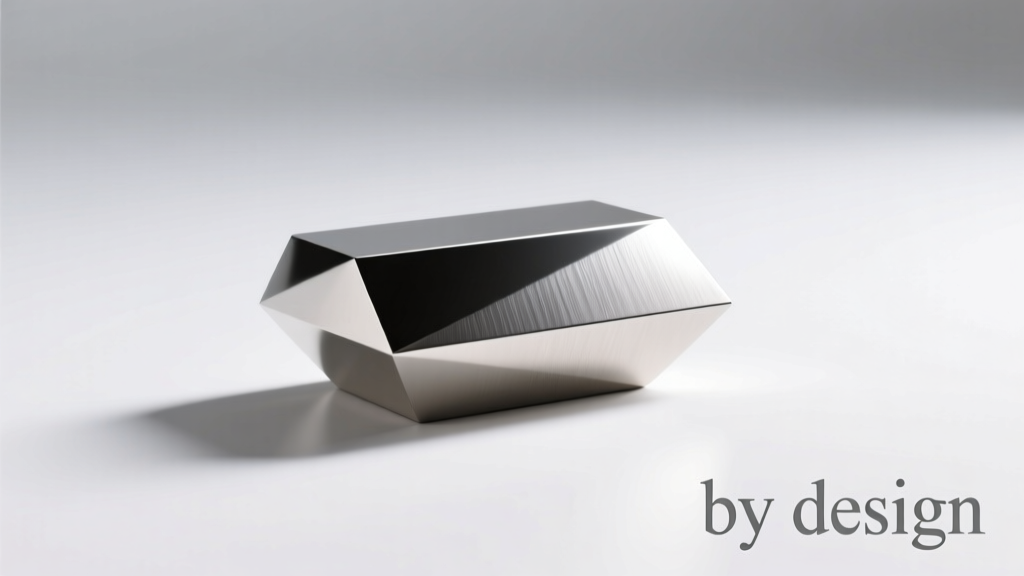
Types of Aluminium Slim Fly Boxes
An aluminium slim fly box is an essential tool for any fly fisherman, combining lightweight durability with compact design for efficient storage and transport. These fly boxes are engineered to protect delicate flies while offering quick access and resistance to the elements. The design and internal mechanisms vary significantly based on fishing conditions, target species, and personal organization preferences.
Positive Pressure System
These fly boxes are designed with a sealed chamber that maintains internal pressure higher than the outside atmosphere, effectively creating a moisture-resistant barrier.
Advantages
- Excellent moisture resistance
- Prevents condensation and humidity damage
- Ideal for wet environments (rain, spray, high humidity)
- Protects delicate dry flies from water damage
Limitations
- Thicker profile limits fly thickness capacity
- Less space for bulky or large flies
- Higher cost due to advanced sealing technology
Best for: Dry fly anglers, trout fishing in rainy conditions, float tube or kayak fishing
Waterproof Slim Design
Featuring advanced sealing mechanisms such as O-rings, gaskets, or compression lids, these boxes are built to keep water out in even the most demanding conditions.
Advantages
- Full waterproof protection
- Slim, pocket-friendly profile
- Durable aluminium construction resists corrosion
- Suitable for all weather and aquatic environments
Limitations
- Seals may degrade over time with heavy use
- Requires occasional maintenance (cleaning seals)
- Potential for lid warping if overtightened
Best for: All-around use, streamers and nymphs, boat or wading anglers in variable conditions
Foam-Lined Storage
Equipped with high-density closed-cell foam inserts, these boxes securely hold flies in place while offering moisture-wicking properties to keep flies dry.
Advantages
- Foam absorbs residual moisture, protecting flies
- Secure hold prevents fly movement and damage
- Durable, long-lasting foam resists compression
- Customizable layout for organized fly selection
Limitations
- Foam may degrade with prolonged UV exposure
- Limited reusability if foam becomes damaged
- Not ideal for very large or barbed flies
Best for: Nymphs, emergers, and small dry flies; anglers prioritizing organization and moisture control
Magnet-Locked Closure
Incorporates strong neodymium magnets in the lid and body to ensure a secure, instant seal that's easy to open with one hand.
Advantages
- One-handed operation enhances convenience
- Secure closure resists accidental opening
- Durable and reliable over thousands of uses
- Smooth, quiet opening and closing
Limitations
- Magnets may attract metal debris over time
- Slight risk of interference with electronic devices
- Premium pricing compared to standard latches
Best for: Active anglers, fast-paced fishing, cold weather (easy access with gloves)
| Type | Water Resistance | Compactness | Accessibility | Best Use Case |
|---|---|---|---|---|
| Positive Pressure | Excellent | Good | Good | Dry fly fishing in wet climates |
| Waterproof Slim | Excellent | Excellent | Very Good | All-weather and multi-environment fishing |
| Foam-Lined | Very Good | Good | Good | Organized storage for delicate flies |
| Magnet-Locked | Very Good | Excellent | Excellent | Fast access during active fishing sessions |
Expert Tip: For maximum protection, combine a waterproof fly box with a small desiccant pack inside to absorb any residual moisture and extend the life of your flies, especially in humid environments.
Industrial Design of Aluminium Slim Fly Box
The industrial design of an aluminium slim fly box plays a pivotal role in enhancing both functionality and user experience for anglers. A well-thought-out design ensures that flies and related accessories are securely stored, efficiently organized, and easily accessible during fishing sessions. Beyond mere storage, the fly box becomes an essential tool that supports quick fly changes, protects delicate fly patterns, and withstands the rigors of outdoor environments.
External Design Features
Slim & Compact Profile
The slim profile of the aluminium fly box is engineered for portability and convenience. Its narrow form factor allows it to fit comfortably in shirt pockets, vest compartments, or tackle bags without adding bulk. This streamlined design is especially beneficial for fly fishermen who value mobility and minimalism on the water.
Despite its compact size, the design maintains ample internal capacity through intelligent space utilization, balancing minimal external dimensions with maximum storage efficiency.
Ergonomic Handling & Grip
Designed with user comfort in mind, the exterior surface often features textured finishes or rubberized edges to ensure a secure grip—even when wet. This anti-slip design prevents accidental drops during use, which is critical in slippery conditions near water.
Some models incorporate contoured edges or finger grooves that enhance handling precision, allowing anglers to open and close the box with confidence using just one hand while keeping their focus on the fish.
Secure Closure Mechanisms
Reliable closure systems are essential for protecting flies from moisture, dirt, and impact. Common mechanisms include:
- Magnetic Closures: Offer smooth, one-handed operation and strong retention.
- Spring-loaded Latches: Provide a positive click-lock feel and excellent durability.
- Hinged Designs: Allow full lid opening for easy visibility and access to all compartments.
These mechanisms are tested for repeated use and resistance to corrosion, ensuring long-term performance in humid or saltwater environments.
Durable & Weather-Resistant Materials
Constructed from high-grade aerospace aluminium, the fly box combines lightweight properties with exceptional strength. The metal body resists dents, impacts, and crushing forces better than plastic alternatives.
An anodized or powder-coated finish enhances corrosion resistance and provides UV protection, maintaining the box’s appearance and integrity over time. Sealed gaskets or O-rings are often integrated to create a waterproof barrier, safeguarding contents from rain, splashes, or submersion.
Internal Organization & Storage Solutions
Foam Insert Compartments
High-density EVA or closed-cell foam inserts are precision-cut to accommodate various fly sizes and styles—from dry flies and nymphs to streamers and emergers. The slotted design holds hooks firmly in place, minimizing movement and preventing damage to delicate hackles or wings.
Foam types vary by model: some offer replaceable inserts, while others feature multi-layer configurations for separating gear by type or size. UV-resistant foam prevents degradation under prolonged sunlight exposure.
Magnetic Fly Retention Systems
Advanced models utilize embedded magnetic strips within the lid or base to securely hold steel-hooked flies. This system enables rapid insertion and removal, making it ideal for fast-paced fishing scenarios where time between casts matters.
Magnetic storage also allows for customizable layouts—anglers can arrange flies intuitively based on preference or fishing conditions. The magnets are shielded to prevent interference with other gear and are strong enough to hold flies during vigorous movement.
| Design Feature | Functionality Benefit | Material/Technology Used |
|---|---|---|
| Slim Aluminium Body | Lightweight, pocket-friendly, and crush-resistant | Aerospace-grade 6061-T6 aluminium |
| One-Hand Magnetic Closure | Quick access and secure sealing | Neodymium magnets with stainless steel housing |
| Waterproof Gasket Seal | Protects contents from moisture and debris | Silicone O-ring with IPX7 rating |
| Customizable Foam Inserts | Secure, organized fly storage | Closed-cell EVA foam with UV stabilizers |
| Textured Anti-Slip Surface | Improved grip in wet conditions | Anodized finish with laser etching |
Innovation & User-Centered Design
Leading manufacturers continuously refine the industrial design of slim fly boxes by integrating feedback from professional anglers and conducting field tests in diverse environments. Innovations include modular interiors, transparent lids for quick fly identification, and integrated tools such as line cutters or hook sharpeners.
The ultimate goal is to reduce preparation time, increase accessibility, and improve the overall fishing experience. By combining rugged materials with smart ergonomics and intuitive organization, modern aluminium fly boxes have evolved into high-performance accessories that meet the demands of today’s discerning anglers.
Pro Tip: When selecting a slim fly box, consider your typical fishing environment and fly types. A waterproof, magnetic model may be ideal for fast-moving rivers, while a foam-based version might suit stillwater anglers better. Always inspect seals and hinges regularly to maintain optimal performance and longevity.
Scenarios of Aluminium Slim Fly Box: Matching Design to Fishing Needs
An aluminium slim fly box is more than just a storage solution—it's a critical tool that adapts to various fishing environments and angler preferences. The ideal fly box must balance compactness, durability, and functionality depending on the fishing scenario. Below are the most common use cases, each with unique demands that influence fly organization, material selection, and design features.
Freshwater Fishing
Targeting trout, bass, panfish, and other freshwater species typically requires a diverse fly selection, including dry flies, nymphs, wet flies, and small streamers. A slim fly box used in freshwater settings must support organized, accessible storage while withstanding moisture exposure.
- Multi-Section Design: Separate compartments for dry flies, nymphs, and streamers prevent damage and simplify retrieval
- High-Density Foam: Provides secure hold for delicate hackles and hooks while allowing easy insertion and removal
- Water Resistance: Sealed gaskets and tight-fitting lids protect flies from splashes, rain, or accidental submersion in rivers and streams
- Compact Profile: Fits easily in vest pockets or wader compartments for quick access on the bank
Pro Tip: Use labeled sections or color-coded foam to instantly identify fly types during fast-paced fishing.
Saltwater Fishing
Saltwater environments present extreme challenges due to corrosive salt spray, high humidity, and larger, more aggressive fish. Flies used in these conditions—such as deceivers, poppers, and baitfish patterns—are often bulkier and tied with durable materials.
- Corrosion-Resistant Materials: Anodized aluminium construction prevents rust and withstands prolonged salt exposure
- Spacious Compartments: Larger slots or deep foam layers accommodate big saltwater patterns with articulated hooks and synthetic materials
- Strong Magnetic Closures or Secure Latches: Prevent accidental opening during boat movement or casting
- Reinforced Hinges: Withstand repeated use in harsh marine conditions without failure
Key Insight: Regular rinsing with fresh water after use significantly extends the lifespan of any saltwater fly box.
Travel Fly Fishing
Anglers who travel frequently—whether backpacking, fly fishing abroad, or switching between ecosystems—need a fly box that is lightweight, compact, and resilient enough to survive transit and variable climates.
- Ultra-Lightweight Design: Aluminium offers strength without adding excess weight to travel gear
- Durable, Impact-Resistant Build: Protects flies from crushing in luggage or during rugged hikes
- Customizable Interiors: Removable dividers or modular foam allow reconfiguration for different trip needs
- TSA-Friendly & Carry-On Compliant: Compact size ensures it fits in carry-on bags without issues
Smart Packing: Pre-load boxes with destination-specific fly assortments (e.g., trout box for alpine lakes, bass box for southern rivers).
Catch-and-Release Fishing
In regulated or conservation-focused fisheries, rapid fly changes are essential to minimize fish handling time. Efficiency, accessibility, and fly protection are paramount in this high-tempo environment.
- Quick-Access Slots: Precision-cut slits or magnetic strips allow instant fly pickup and return
- Minimalist Layout: Only essential flies included to reduce decision fatigue and fumbling
- Low-Profile Design: Slips easily into a shirt pocket or chest pouch for immediate reach
- Non-Tangle Organization: Flies spaced adequately to prevent hook entanglement during rapid selection
Conservation Benefit: Faster fly changes mean less stress on fish and higher survival rates post-release.
Expert Recommendation: Consider owning multiple specialized slim fly boxes rather than one universal box. Having dedicated boxes for freshwater, saltwater, travel, and catch-and-release scenarios improves efficiency, prolongs fly life, and enhances the overall fishing experience. Label each box clearly and store them in protective cases when not in use.
| Fishing Scenario | Key Design Features | Recommended Fly Types | Material & Durability Needs |
|---|---|---|---|
| Freshwater | Multi-compartment, waterproof seal, foam lining | Dry flies, nymphs, wet flies, small streamers | Lightweight aluminium with water-resistant coating |
| Saltwater | Large slots, magnetic closure, corrosion-proof build | Poppers, deceivers, baitfish patterns, crab imitations | Anodized aluminium with marine-grade seals |
| Travel | Compact size, customizable layout, impact-resistant | Universal patterns (woolly buggers, elk caddis, etc.) | Durable aluminium with scratch-resistant finish |
| Catch-and-Release | Quick-release slots, slim profile, easy-open lid | Barbless nymphs, soft hackles, emergers | Lightweight yet rigid construction for pocket carry |
Additional Considerations for Optimal Performance
- UV Resistance: Coatings that resist sun degradation help maintain box integrity during long days on the water
- Eco-Friendly Materials: Recyclable aluminium and non-toxic finishes support sustainable angling practices
- Ergonomic Design: Rounded edges and smooth finishes prevent snagging on clothing or gear
- Visibility: Transparent lids or color-contrasted interiors improve fly identification in low light
- Expandability: Stackable or connectable designs allow anglers to scale their fly storage as needed
Specification & Maintenance of Aluminium Slim Fly Box
An aluminium slim fly box is a critical tool for anglers who demand durability, organization, and protection for their valuable flies. Understanding its construction, key features, and proper maintenance practices ensures long-term performance and reliability in both freshwater and saltwater environments. This comprehensive guide covers essential specifications and care tips to help you maximize the lifespan and functionality of your fly box.
Important Note: Even high-quality materials like anodized aluminum require regular maintenance. Neglecting cleaning and inspection can lead to premature wear, seal failure, or corrosion—especially after saltwater use.
Key Specifications of a High-Quality Aluminium Slim Fly Box
- Build Quality: Premium fly boxes are constructed from high-grade anodized or marine-grade aluminum, offering exceptional resistance to corrosion, impact, and environmental exposure. Anodization creates a protective oxide layer that enhances durability and prevents rust, making it ideal for coastal and offshore fishing. The slim profile ensures portability while maintaining dent resistance to safeguard delicate flies during transport.
- Waterproof Seals: Most models feature precision-engineered O-rings or silicone gaskets between the lid and body to create a watertight seal. These prevent moisture ingress and keep flies dry even when submerged briefly. Over time, seals may degrade due to UV exposure or grit accumulation, so periodic inspection and replacement are crucial for maintaining waterproof integrity.
- Internal Organization: Internally, fly boxes utilize high-density foam, magnetic strips, or elastic rubber inserts to securely hold flies in place. Foam should be closed-cell to resist water absorption and tearing. Magnetic systems use rare-earth magnets embedded in durable strips, ensuring strong retention without damaging hooks. Replace worn foam or weakened magnetic backing promptly to avoid losing flies.
- Closure Mechanisms: Magnetic closures provide a sleek, tool-free seal and should be strong enough to resist accidental opening. Latch-style closures, when present, must operate smoothly and benefit from occasional lubrication with silicone-based grease to prevent sticking or corrosion. Always test the closure after cleaning to ensure a tight fit.
- Storage Compartments: Thoughtfully designed compartments accommodate various fly sizes and types. Saltwater models often include larger sections for bulky streamers and poppers, while freshwater versions feature multiple small divisions for nymphs, dry flies, and emergers. Proper compartmentalization reduces fly-to-fly contact, minimizing hook damage and tangles.
Comprehensive Maintenance Guide
Regular maintenance is essential to preserve the structural and functional integrity of your aluminium slim fly box. Follow these best practices to extend its service life and ensure reliable performance season after season.
- Post-Use Cleaning Routine
- After each fishing trip—especially in saltwater—rinse the fly box with fresh water to remove salt, sand, and debris.
- Use a soft cloth or non-abrasive brush to gently clean interior compartments, taking care not to tear foam or dislodge magnetic strips.
- Dry all components thoroughly before storage to prevent moisture buildup and potential mold growth in foam inserts.
- Exterior Care and Polishing
- Clean the exterior with a mild aluminum cleaner or soapy water to restore shine and remove fingerprints, smudges, or environmental residue.
- Avoid abrasive pads or harsh chemicals that can scratch or strip the anodized finish.
- Never leave the box in contact with acidic substances such as tree sap, bird droppings, or battery acid, as prolonged exposure can compromise the protective oxide layer and lead to pitting or corrosion.
- Seal and Closure Inspection
- Inspect O-rings or silicone gaskets monthly for cracks, warping, or stiffness. Replace them if signs of wear appear.
- Apply a small amount of silicone lubricant to seals annually to maintain flexibility and enhance sealing performance.
- Test the magnetic or mechanical closure regularly to confirm it holds securely under vibration or movement.
- Environmental Storage Practices
- Store the fly box in a cool, dry place away from direct sunlight and extreme temperatures. Prolonged UV exposure can degrade foam and weaken adhesives.
- Avoid leaving the box in hot vehicles or damp tackle bags, as heat can warp internal components and humidity promotes corrosion.
- Consider using a silica gel packet inside the box during long-term storage to absorb ambient moisture.
| Maintenance Task | Frequency | Purpose | Recommended Tools/Supplies |
|---|---|---|---|
| Exterior & Interior Cleaning | After every use (especially saltwater) | Prevent corrosion and buildup of abrasive particles | Soft brush, fresh water, microfiber cloth |
| Seal Inspection | Monthly or quarterly | Maintain waterproof integrity | Flashlight, replacement O-rings, silicone grease |
| Interior Component Check | Every 3–6 months | Ensure foam and magnets remain functional | Replacement foam kits, adhesive for magnets |
| Exterior Polishing | Biannually or as needed | Restore appearance and protect finish | Aluminum polish, non-abrasive applicator pad |
| Storage Environment Check | Ongoing | Prevent material degradation | Silica gel desiccant, tackle box with ventilation |
Expert Tip: Label your fly boxes by fly type or fishing environment (e.g., “Saltwater Streamers” or “Trout Nymphs”) to streamline retrieval and reduce handling time on the water. This also minimizes wear on internal components and helps maintain organization.
Long-Term Benefits of Proper Care
By adhering to these specifications and maintenance guidelines, your aluminium slim fly box will remain a dependable companion on countless fishing adventures. A well-maintained box not only protects your investment in hand-tied flies but also enhances efficiency on the water by keeping gear organized and ready for action.
Remember, even the most rugged gear requires attention. Regular cleaning, timely part replacements, and smart storage habits significantly extend the life of your fly box—ensuring it performs flawlessly whether you're wading a mountain stream or battling tarpon on the flats.
In summary, choosing a high-quality aluminium slim fly box is just the first step. Consistent care and informed maintenance are what truly keep it functioning at its best, season after season.
Frequently Asked Questions About Aluminium Slim Fly Boxes
Q1: What is an aluminium slim fly box?An aluminium slim fly box is a compact, lightweight, and durable storage solution specifically engineered for organizing and protecting fishing flies. Constructed from high-grade aluminum, it resists corrosion and withstands the harsh conditions often encountered during both freshwater and saltwater fly fishing adventures.
The "slim" design ensures minimal bulk, allowing the box to easily fit into pockets, vests, or tackle bags without adding unnecessary weight or taking up valuable space. Inside, most models feature customizable foam inserts or magnetic strips that securely hold flies in place, preventing damage during transport. This makes the aluminium slim fly box a preferred choice for anglers who value efficiency, protection, and portability in their gear.
Q2: Is an aluminium slim fly box waterproof?Yes, the majority of aluminium slim fly boxes are designed with waterproof performance in mind. They typically incorporate a tight-sealing lid equipped with a rubber O-ring or silicone gasket that forms a secure barrier against moisture, dust, and debris.
This waterproof construction ensures that your flies remain completely dry and protected from rust or salt buildup—even when exposed to rain, splashes, or high humidity. Whether you're wading in a river or fishing from a boat in choppy seas, your flies stay in optimal condition.
However, to maintain long-term effectiveness, it's recommended to periodically inspect the seal for wear, cracks, or dirt buildup. Cleaning the gasket and ensuring the lid closes flush will preserve the box’s integrity and extend its lifespan.
Q3: How does the weight of an aluminium slim fly box compare to other materials?Aluminium offers an excellent balance between lightweight portability and structural durability. When compared to other common fly box materials, here's how it stacks up:
- vs. Plastic: Slightly heavier than plastic boxes, but far more robust and resistant to cracking, UV degradation, and impact damage.
- vs. Stainless Steel or Brass: Significantly lighter than these metal alternatives, making aluminium a better option for anglers who carry multiple boxes or prioritize minimal gear weight.
- vs. Titanium: While titanium is lighter and more corrosion-resistant, it is also much more expensive. Aluminium provides a cost-effective compromise with nearly equivalent strength and weather resistance.
This optimal weight-to-strength ratio makes aluminium slim fly boxes a top pick among serious fly fishermen who demand reliability without sacrificing convenience.
Q4: What are the benefits of using a slim design for the fly box?The slim profile of an aluminium fly box delivers several practical advantages for anglers:
- Space Efficiency: Takes up minimal room in tackle bags, vests, or backpacks, enabling better organization and freeing up space for other essential gear.
- Portability: Its compact size allows for easy carrying on long hikes, kayak trips, or wading excursions, where every ounce and inch counts.
- Quick Access: Designed for intuitive opening and closing, often with one-handed operation, so you can switch flies swiftly without fumbling.
- Protection: Despite its slimness, the rigid aluminum shell shields flies from crushing, bending, or tangling—especially important when traveling or storing multiple boxes together.
- Weather Resistance: Combined with waterproof seals, the streamlined design minimizes gaps and entry points for moisture, enhancing overall durability.
Ultimately, the slim design enhances both functionality and user experience, making it ideal for on-the-go fishing scenarios where efficiency and reliability are key.
Q5: Can the aluminium slim fly box be customized?Yes, many manufacturers and specialty retailers offer customization options for aluminium slim fly boxes, allowing anglers to tailor their gear to personal preferences and fishing styles. Popular customization features include:
- Interior Layout: Choose from various foam densities, slot configurations, or magnetic strip arrangements to accommodate specific fly sizes, types (dry, nymph, streamer), or hook styles.
- Engraving: Add a personal touch with engraved names, initials, logos, or meaningful dates—great for gifts or identifying your gear on a shared boat.
- Color & Finish: Select from a range of anodized finishes (e.g., matte black, silver, camo, bright red) for improved visibility or aesthetic appeal. Anodization also enhances corrosion resistance.
- Size Options: Some brands offer modular or multi-compartment designs, letting you mix and match box dimensions based on your fly collection.
- Labeling Systems: Integrated labeling slots or color-coded sections help categorize flies by pattern, species, or water type for faster retrieval.
These customization options make the aluminium slim fly box not only a functional tool but also a personalized extension of an angler’s fishing identity and strategy.









