Fishing for redfish—also known as red drum—is a favorite pastime among inshore anglers along the Gulf Coast, Southeastern U.S., and beyond. These hard-fighting fish thrive in shallow flats, around oyster beds, and near mangroves, making them both accessible and challenging. To consistently land redfish, you need gear that balances power, sensitivity, and saltwater resistance. While high-end rods and reels can cost hundreds of dollars, many effective and durable options exist at much more reasonable price points. The right combo doesn’t have to break the bank—it just needs to be well-matched to your fishing style and environment.
What Makes a Great Redfish Rod and Reel Combo?
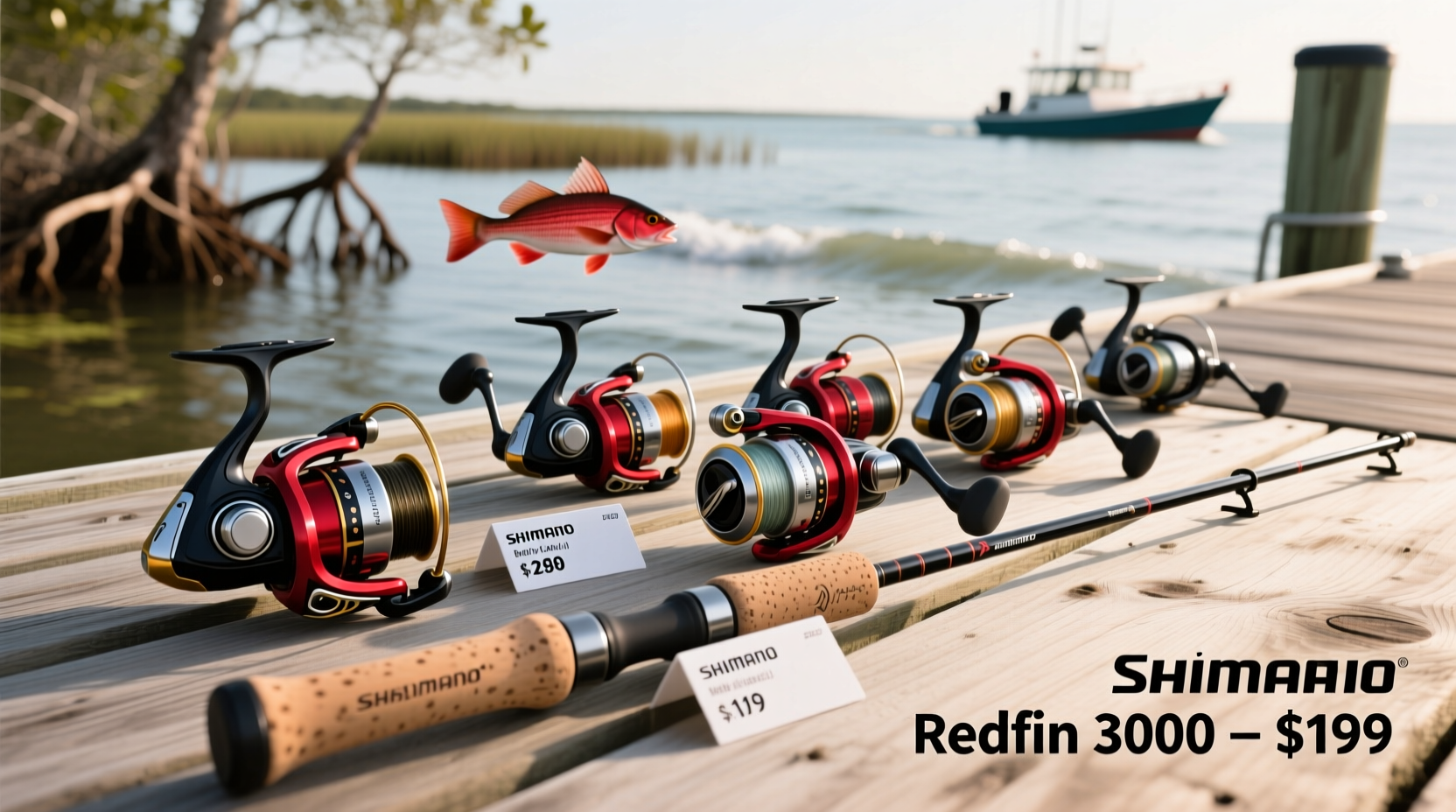
Redfish typically range from 10 to 30 pounds, with trophy-sized \"bull reds\" exceeding 50 pounds. They’re strong, stubborn, and often found in heavy cover. A good rod and reel setup must handle powerful runs, resist corrosion from saltwater, and allow precise casting into tight spots.
The ideal redfish combo usually features:
- Moderate to medium-heavy power rod – Provides enough backbone to pull fish from structure without sacrificing casting finesse.
- Fast or moderate-fast action – Enables quick hook sets and better lure control.
- 7 to 7.5 feet in length – Offers versatility for casting accuracy and line management in shallow water.
- Spinning or conventional reel (size 3000–5000) – Spinning reels are beginner-friendly; conventional reels offer more drag strength for larger fish.
- Corrosion-resistant components – Sealed bearings, stainless steel guides, and anodized aluminum spools prevent salt damage.
Top Affordable Redfish Combos Under $200
You don’t need to spend top dollar to get reliable performance. Several manufacturers offer pre-packaged combos designed specifically for inshore saltwater use. Below is a comparison of five standout models that balance cost, quality, and real-world effectiveness.
| Combo Name | Rod Length/Power | Reel Size | Price Range | Key Features |
|---|---|---|---|---|
| Ugly Stik GX2 Combo | 7' Medium-Heavy | 3000 | $80–$100 | Durable graphite/fiberglass blend, clear tip, 7+1 bearing spinning reel |
| Penn Battle III SX Combo | 7' MH | 4000 | $140–$160 | Full metal body, IP68 waterproof rating, braid-ready spool |
| Dobyns Fury Elite CC | 7'2\" M/Fast | 3500 | $180–$200 | High-modulus graphite, Kigan guides, smooth Carbon Capture reel |
| Shimano Vengeance FX Combo | 7' MH | 4000 | $100–$120 | Solid blank, Propulsion spool for long casts, AR-C spool design |
| Hurricane Silver King II | 7'6\" Heavy | 5000 | $90–$110 | Built for bigger reds, oversized spool, rugged construction |
Among these, the **Ugly Stik GX2** remains a benchmark for durability and affordability. Its legendary one-piece tip has saved countless rods from snapping during aggressive hooksets. Meanwhile, the **Penn Battle III SX** delivers offshore-grade protection in a compact package, making it ideal for anglers who fish frequently in brackish or full-salinity waters.
Choosing Between Spinning and Baitcasting: What’s Best for Redfish?
For beginners and light-tackle enthusiasts, spinning reels are often the go-to choice. They’re easier to learn, less prone to backlash, and excellent for casting soft plastics, DOA shrimp, or topwater lures under docks. A 4000-size spinning reel on a 7-foot medium-heavy rod gives you plenty of torque and casting distance without being overly bulky.
Baitcasting reels, while requiring more practice, offer greater control and higher drag capacity. If you're targeting bull reds in open water or using heavy jigs in strong currents, a baitcaster like the Abu Garcia Revo SX or Shimano SLX DC provides mechanical advantages. However, they come at a steeper learning curve and slightly higher entry cost.
“Most redfish are caught within 50 feet of shore. Accuracy matters more than raw power. A balanced spinning combo lets you drop a lure right next to a dock piling—and that’s where big reds hide.” — Captain Mike Tran, Inshore Guide, Louisiana Delta
Step-by-Step Guide to Setting Up Your Redfish Combo
Even the best rod and reel need proper setup to perform. Follow this sequence to ensure your gear is field-ready:
- Inspect the rod: Check for cracks, loose guides, or wobbly ferrules (if multi-piece).
- Choose your line: Use 10–20 lb braided line as your mainline. It offers superior sensitivity and casting distance.
- Spool the reel: Fill the spool within 1/8 inch of the rim. Use a thin backing if needed to avoid slippage.
- Add a leader: Tie on a 20–30 lb fluorocarbon leader (18–24 inches) to reduce visibility in clear water.
- Test the drag: Set the drag at about 25% of your line’s breaking strength (e.g., 5 lbs for 20 lb line).
- Lubricate periodically: Rinse the reel with fresh water after each saltwater trip and apply light grease to gears every few months.
Real-World Example: How a Budget Combo Landed a 38-Pound Red
Last fall, amateur angler Jessica Reed was fishing the flats near Fort Myers, Florida, using a Ugly Stik GX2 combo she bought for $95. She’d rigged it with 15 lb braid and a soft paddle tail on a 3/8 oz jig head. On her third cast into a shallow pothole, she felt a heavy thump. “I thought it was a snook at first,” she said. “But then the rod bent double and the reel started screaming.”
After a 12-minute battle involving multiple jumps and a dash toward a nearby oyster bar, she brought the fish to shore—a 38-pound redfish. The rod showed no signs of damage, and the reel’s drag held steady throughout. “People think you need expensive gear to catch big fish,” she added. “But I proved that’s not always true.”
This case underscores that technique, preparation, and confidence in your gear matter more than brand prestige.
Frequently Asked Questions
Can I use a freshwater rod for redfish?
While possible in a pinch, freshwater rods lack the corrosion resistance and structural reinforcement needed for regular saltwater use. Salt will degrade guides, reel seats, and internal reel components over time. Always opt for saltwater-rated gear even if used occasionally.
How long should my redfish rod be?
A 7 to 7.5-foot rod is ideal for most situations. Longer rods (7.6'+) improve casting distance but reduce precision in tight areas. Shorter rods (under 7') limit reach and line control when fighting fish near structure.
Do I need a high-speed reel for redfish?
Not necessarily. A retrieve ratio between 6.2:1 and 7.1:1 works well. High-speed reels (7.5:1+) are useful for burning lures across flats but may sacrifice torque. Choose based on your primary technique—slow rolling versus fast twitching.
Checklist: Preparing Your Affordable Redfish Combo for Success
- ☐ Select a rod between 7' and 7.5' with medium-heavy power
- ☐ Choose a sealed, saltwater-rated reel (spinning 3000–5000 or baitcast equivalent)
- ☐ Spool with 10–20 lb braid and add a fluorocarbon leader
- ☐ Set drag to 20–25% of line strength
- ☐ Rinse gear with fresh water after every saltwater outing
- ☐ Inspect guides and reel operation monthly
- ☐ Practice casting accuracy at various distances
Conclusion: Smart Choices, Big Results
Finding the best redfish rod and reel combo doesn’t require deep pockets—just smart choices. Whether you’re a weekend warrior or a dedicated inshore angler, affordable setups from Ugly Stik, Penn, Shimano, and others deliver performance that rivals premium models. Focus on durability, proper setup, and consistent maintenance, and your budget-friendly combo will serve you well season after season.
💬 Have a favorite budget-friendly redfish combo? Share your experience below and help fellow anglers make informed decisions!








