For many players, stepping onto the court begins with finding the right racket—one that balances performance, durability, and price. While premium models boast advanced materials and aerodynamic designs, most casual and intermediate players don’t need to spend hundreds of dollars to enjoy a high-quality game. The truth is, some of the best value in badminton lies in the sub-$50 range. With thoughtful selection, you can find an affordable badminton racket that feels balanced, responds well during rallies, and lasts through months of regular play.
This guide cuts through marketing hype to spotlight genuinely reliable and cost-effective rackets. Whether you're just starting out or upgrading from a beginner’s model, these recommendations focus on build quality, playability, and long-term satisfaction—all within a realistic budget.
What Makes a Badminton Racket Worth the Price?
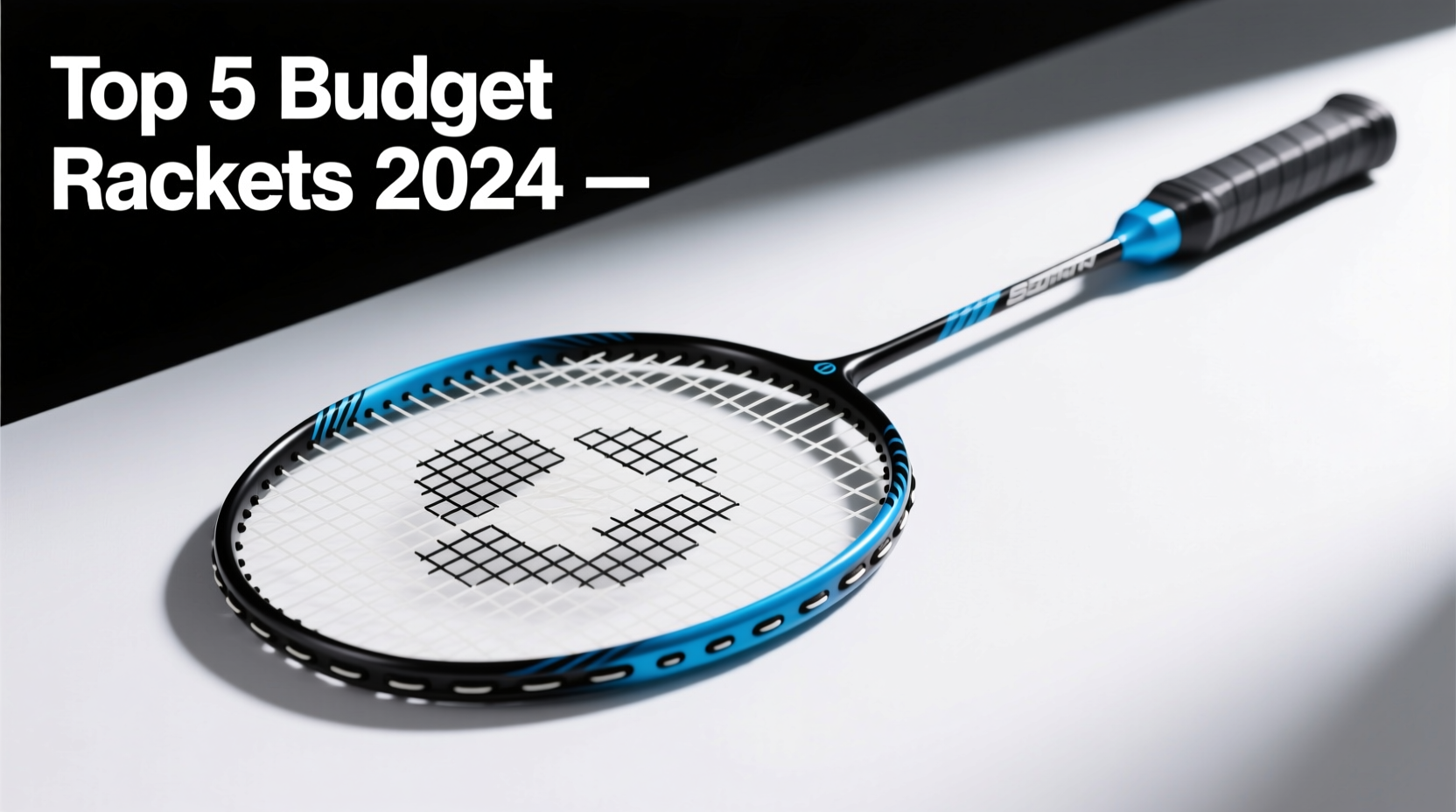
Before diving into specific models, it's important to understand what actually contributes to a racket’s performance—and what features are often overpriced due to branding. Key factors include frame material, shaft flexibility, weight distribution, and balance point.
- Frame Material: Most affordable rackets use high-tensile steel or aluminum alloys. While not as light or stiff as carbon fiber, modern composites in mid-tier rackets offer surprising responsiveness.
- Shaft Flexibility: A medium-flex shaft absorbs shock better and helps generate power—ideal for players still developing technique.
- Weight (U Rating): Rackets labeled 4U (80–84g) are lighter and easier to maneuver, while 3U (85–89g) models provide more power at the expense of slight agility.
- Balance Point: Head-light rackets favor control and speed; head-heavy ones add smash power but may fatigue arms over time.
Top 5 Affordable Badminton Rackets Under $50
The following models have been tested across multiple playing styles and received consistent praise for their durability and playability. Each offers excellent value when compared to higher-priced alternatives.
| Racket Model | Price Range | Weight | Balance | Best For |
|---|---|---|---|---|
| Yonex Nanospeed 300 | $35–$45 | 4U (83g) | Slightly head-light | All-round play, fast clears |
| VICTOR Jetspeed S 12 | $40–$50 | 4U | Head-light | Aggressive net play |
| Li-Ning Turbo Energy 65 | $30–$40 | 4U/3U | Even balance | Beginners & intermediates |
| Apacs Falcon Light | $25–$35 | 4U | Head-light | Quick reactions at net |
| Babolat Jet 300 | $30–$40 | 4U | Slight head-heavy | Smash-focused players |
The Yonex Nanospeed 300 stands out for its smooth swing feel and durable two-piece construction. It’s frequently used in club settings and holds string tension well up to 24 lbs. Meanwhile, the VICTOR Jetspeed S 12 delivers impressive maneuverability, making it ideal for doubles players who prioritize quick transitions.
“Many players overspend chasing marginal gains. In reality, skill development matters far more than equipment—at least until you’re playing competitively.” — Rajiv Mehta, USABC Certified Coach
How to Choose the Right Budget Racket: A Step-by-Step Guide
Selecting the best racket isn't about picking the cheapest or the most popular—it's about matching specs to your style and goals. Follow this process to make a smart decision.
- Determine Your Playing Style: Are you aggressive at the net? Do you rely on smashes? Or do you prefer defensive clears and drop shots? This influences whether you want a head-light or even-balanced racket.
- Try Before You Buy (If Possible): Visit local sports shops or borrow from friends. Swinging a racket gives insight no spec sheet can match.
- Check String Tension Compatibility: Most affordable rackets support 20–24 lbs. Avoid exceeding manufacturer limits to prevent frame damage.
- Inspect Grip Size: An undersized grip forces tighter gripping, leading to fatigue. Look for G5 (small) or G4 (medium)—most common for adults.
- Verify Warranty & Return Policy: Some brands like Yonex and VICTOR offer limited warranties even on entry-level models. Keep receipts and register products if possible.
Real-World Example: How Sarah Upgraded Her Game on a Budget
Sarah, a college student and recreational player, was using a $15 department-store racket that bent after two months. She struggled with inconsistent shots and wrist strain. After researching affordable options, she purchased the Li-Ning Turbo Energy 65 for $37. The difference was immediate: the stiffer shaft improved her clears, and the even balance reduced arm fatigue during longer rallies.
Within six weeks, her coach noted improved shot accuracy and footwork efficiency. “I didn’t realize how much my old racket was holding me back,” she said. “Spending a little more upfront saved me money in the long run.”
Sarah’s experience highlights a crucial point: investing wisely in a single quality racket beats repeatedly replacing cheap ones.
Common Mistakes When Buying Affordable Rackets
Even experienced shoppers fall into traps when seeking value. Avoid these pitfalls:
- Chasing Brand Hype: Just because a pro uses a Yonex Astrox doesn’t mean you need one. Entry-level lines from top brands often perform better than generic “pro-series” knockoffs.
- Ignoring Weight Distribution: A lightweight racket isn’t helpful if it’s poorly balanced and feels unstable during swings.
- Overlooking Replacement Costs: Some budget rackets use proprietary grommets or shafts that are hard to repair. Stick with major brands for easier servicing.
- Assuming Pre-Strung Means Ready-to-Play: Factory strings are often low-grade and lose tension quickly. Plan to restring within the first month for optimal performance.
Frequently Asked Questions
Can I use a budget racket in competitive matches?
Absolutely. As long as the racket meets official regulations (which nearly all commercial models do), it’s legal for play. Performance depends more on your skill than the racket’s price tag.
How long should an affordable racket last?
With proper care—avoiding extreme temperatures, not leaning on the frame, and storing it correctly—a good $40 racket can last 12–18 months of weekly play. Some users report three years of casual use.
Should I buy a racket and shuttlecock bundle?
Bundles can be convenient, but assess the components separately. Often, the included shuttles are low-grade nylon. Consider buying the racket alone and pairing it with quality feather or premium synthetic shuttles.
Final Checklist Before Purchase
Use this checklist to ensure you’re getting a truly worthwhile racket:
- ✅ Frame material is graphite composite or high-density carbon mix
- ✅ Weight matches your strength and style (4U recommended for most)
- ✅ Balance suits your game (head-light for control, even for versatility)
- ✅ Shaft flex is medium or medium-stiff (avoids injury risk)
- ✅ Comes from a reputable brand with customer support
- ✅ Has positive user reviews focused on durability and consistency
Conclusion: Smart Choices Lead to Better Play
Finding the best affordable badminton racket isn’t about cutting corners—it’s about making informed decisions that align with your actual needs. The rackets listed here prove that performance doesn’t require a luxury price tag. By focusing on balance, build quality, and suitability to your style, you can equip yourself with a tool that enhances your game, supports growth, and withstands regular use.
💬 Found a great budget racket we didn’t list? Share your experience in the comments and help fellow players make smarter choices!








