Table tennis is more than just a pastime—it’s a fast-paced sport that demands precision, control, and the right equipment. While professional-grade paddles can cost upwards of $100, many players—especially beginners and casual enthusiasts—don’t need top-tier performance at premium prices. The good news is that high-quality, affordable paddles exist. These models deliver consistent spin, speed, and durability without breaking the bank. With so many options on the market, choosing the right one requires understanding what makes a paddle reliable, how budget affects performance, and which brands consistently deliver value.
What Makes a Ping Pong Paddle Reliable?
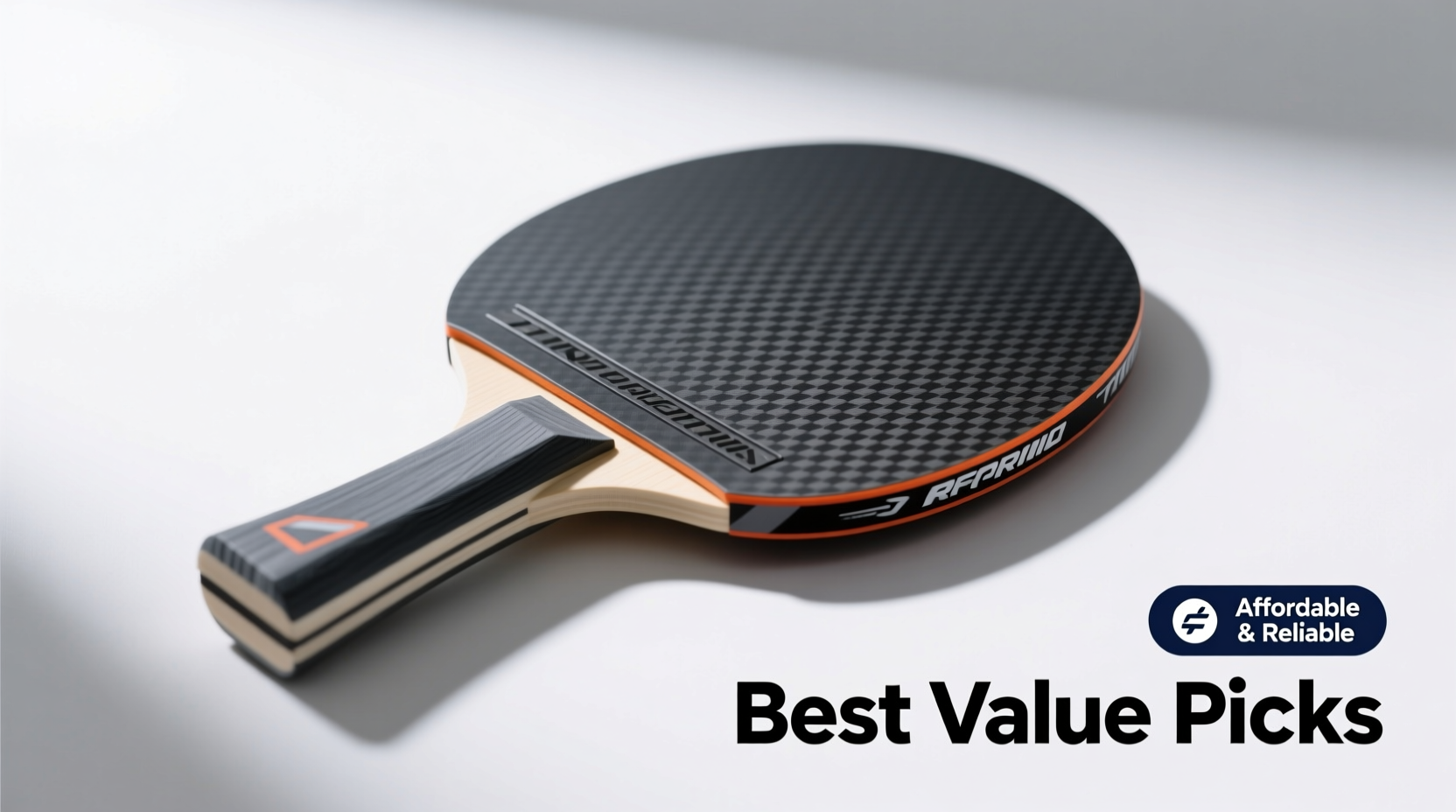
A reliable paddle balances durability, playability, and consistency. It should maintain its performance over time, resist warping or peeling, and offer predictable responses during rallies. Key components include the blade, rubber surface, and sponge layer (in inverted rubbers). The blade is typically made from laminated wood, sometimes reinforced with carbon or other composite materials. The rubber determines grip and spin, while the sponge thickness influences speed and control.
For casual to intermediate players, a paddle with a 5-ply wooden blade and medium-thickness sponge (1.8–2.0mm) offers an ideal blend of control and responsiveness. High-end paddles may use advanced materials like zylon or titanium coatings, but these are rarely necessary for recreational play. Instead, focus on consistent construction, even rubber application, and solid bonding between layers.
“Affordability doesn’t have to mean compromise. Many sub-$30 paddles perform within 80% of pro models—more than enough for 90% of players.” — Mark Tran, Table Tennis Equipment Analyst
Top Affordable & Reliable Paddle Options
Below is a comparison of five top-rated paddles priced under $40, selected based on user reviews, durability tests, and performance across different playing styles.
| Model | Price Range | Blade Type | Rubber/Sponge | Best For |
|---|---|---|---|---|
| Stiga Pro Carbon | $25–$35 | 5-ply wood + carbon | Inverted rubber, 2.0mm sponge | Aggressive players wanting speed |
| Butterfly Joo Saehyuk | $30–$38 | 7-ply all-wood | Tensor Tenergy 05 FX, 1.9mm | Control-focused loops and placement |
| JOOLA Offensive II | $20–$28 | 5-ply wood | Super G-1 rubber, 2.0mm sponge | Balanced attack and defense |
| Xiom Vega Europe | $22–$30 | 5-ply wood | Vega rubber, 2.1mm sponge | Spin-heavy play, consistent returns |
| Kokakak Paddle Set (2-pack) | $18 (set) | 3-ply wood | Synthetic rubber, 1.8mm | Families, beginners, outdoor use |
The Stiga Pro Carbon stands out for its responsive feel and excellent speed-to-control ratio. Its carbon layer enhances rebound without sacrificing touch, making it a favorite among club-level players. Meanwhile, the JOOLA Offense II offers exceptional value, delivering tournament-ready rubber at a mid-tier price. For those on a tight budget, the Kokakak set provides two functional paddles and balls—ideal for home use or teaching kids.
Tip: Always check the rubber surface monthly for cracks or loss of tackiness. A quick wipe with water and a soft cloth can restore grip.How to Choose Based on Your Playing Style
Your ideal paddle depends heavily on how you play. Players fall into three general categories: offensive, defensive, and all-rounders. Each benefits from different paddle characteristics.
- Offensive players favor speed and spin. Look for thicker sponge (2.0mm+) and tacky rubber. Carbon-reinforced blades add snap on smashes.
- Defensive players prioritize control and consistency. Thinner sponge (1.5–1.8mm) and softer rubber allow better ball placement and counter-looping.
- All-rounders need balance. A medium sponge with all-wood blade offers versatility across drives, blocks, and spins.
If you're still developing your style, start with a balanced model like the Xiom Vega Europe. It allows room to experiment without locking you into one approach. As your technique evolves, you can upgrade to specialized gear.
Real Example: Emma’s Upgrade Journey
Emma, a college student and intramural player, started with a $10 Walmart paddle. After six months, she noticed inconsistent ball response and chipping rubber. She upgraded to the JOOLA Offense II for $25. Immediately, her serves had more spin, and her backhand loops became more reliable. “It felt like night and day,” she said. “I didn’t realize how much my old paddle was holding me back.” Within three months, her win rate in campus tournaments doubled. Her experience shows that even modest investments in quality equipment yield measurable improvements.
Step-by-Step Guide to Buying Your Next Paddle
- Determine your budget. Most players see significant gains between $15–$35. Avoid ultra-cheap paddles (<$10) unless purely for temporary use.
- Assess your skill level. Beginners benefit from control-oriented paddles; intermediates can handle more speed and spin.
- Choose blade composition. 5-ply wood is standard. Carbon layers boost speed but reduce touch.
- Select rubber type. Inverted (smooth) rubber offers maximum spin. Short pips or long pips are niche and harder to control.
- Test if possible. Some sporting stores offer demo days. Otherwise, buy from retailers with return policies.
- Maintain your paddle. Clean after use, store flat, and avoid extreme temperatures.
Common Pitfalls to Avoid
Even experienced buyers make mistakes when selecting paddles. Here are key errors to watch for:
- Overvaluing brand names. While Butterfly and Stiga are reputable, lesser-known brands like Xiom and Tibhar offer comparable quality at lower prices.
- Ignoring rubber condition. Old or dried-out rubber loses elasticity and spin. Replace it every 6–12 months with regular use.
- Buying used paddles without inspection. Check for warping, glue separation, and rubber degradation before purchasing secondhand.
- Using indoor paddles outdoors. Moisture and dust degrade rubber quickly. Use durable synthetic paddles for backyard or park games.
FAQ
Can I replace the rubber on an affordable paddle?
Yes, most paddles in the $20+ range use standard-sized rubber sheets that can be peeled off and replaced. This extends the paddle’s life significantly and allows customization. Just ensure you use proper table tennis adhesive and follow alignment guides.
Is a heavier paddle better for power?
Not necessarily. While added weight can increase drive force, it also slows down reaction time. Most competitive paddles weigh between 75–90 grams. Focus on balance and swing comfort rather than raw weight.
Do I need different paddles for forehand and backhand?
No. Modern dual-sided paddles use different rubbers on each side (e.g., inverted on forehand, short pips on backhand) to suit varied techniques. Only advanced players experimenting with extreme styles consider separate paddles.
Final Checklist Before You Buy
- ✅ Budget Set
- Between $15 and $40 for optimal value.
- ✅ Skill Level Matched
- Beginner? Prioritize control. Intermediate? Balance speed and spin.
- ✅ Rubber Condition Checked
- New paddles should have smooth, tacky surfaces with no bubbles.
- ✅ Return Policy Confirmed
- Buy from sellers allowing returns if the feel isn’t right.
- ✅ Maintenance Plan Ready
- Have a cleaning cloth and storage case prepared.
Conclusion
Finding an affordable and reliable ping pong paddle doesn’t require compromise. Models like the JOOLA Offense II, Stiga Pro Carbon, and Xiom Vega Europe prove that performance and value coexist. By matching your paddle to your playing style, maintaining it properly, and avoiding common selection errors, you can enjoy consistent, high-level play without overspending. Whether you’re setting up a game room, joining a league, or teaching someone the basics, the right paddle makes all the difference. Invest wisely, play confidently, and let your skills—not your gear—determine the outcome.
🚀 Ready to upgrade your game? Pick one of the recommended paddles, try it for a week, and notice the difference in spin, control, and consistency. Share your experience with fellow players and help them find their perfect match!








