For skiers and snowboarders, visibility is everything. Glare from sunlight reflecting off snow can distort depth perception, cause eye fatigue, and increase the risk of accidents. Polarized ski goggles are designed to eliminate this glare, offering sharper contrast and improved visual clarity in bright conditions. While high-end models often come with premium price tags, a growing number of brands now offer affordable and reliable options that don’t compromise on quality. Whether you're a weekend warrior or a seasoned rider on a budget, choosing the right pair means balancing cost, optical performance, fit, and durability.
Why Polarized Lenses Matter on the Slopes
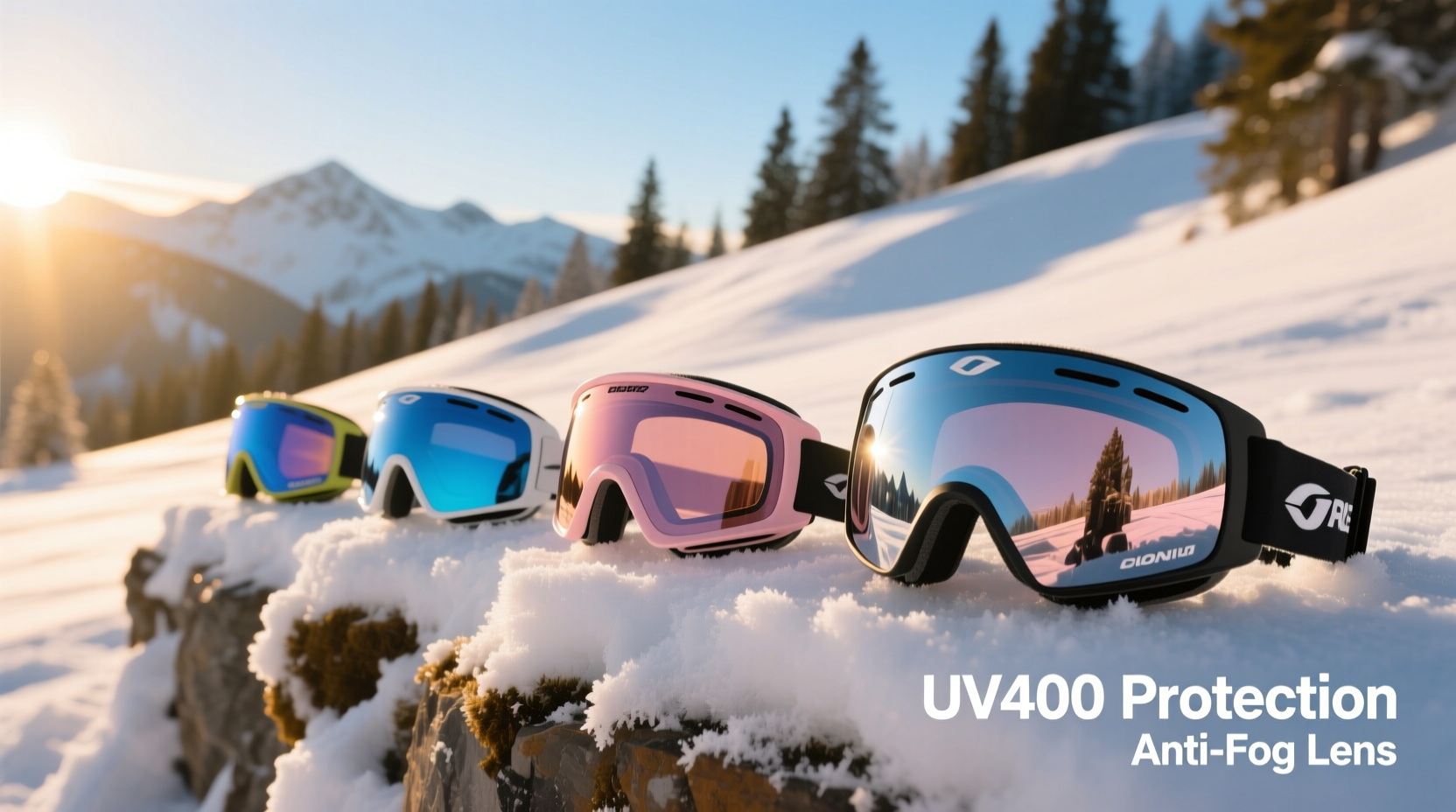
Polarized lenses contain a special filter that blocks intense reflected light—particularly horizontal glare bouncing off flat surfaces like snowfields and icy patches. Unlike standard tinted lenses, which only reduce overall brightness, polarization actively enhances image clarity by filtering out scattered light. This results in crisper vision, better contrast between terrain features, and reduced eye strain during long days on the mountain.
However, not all skiing conditions benefit equally from polarization. In extremely flat light or foggy weather, some skiers report that polarized lenses can make it harder to detect subtle changes in snow texture. That said, under sunny or partly cloudy skies—which dominate many resort days—polarized goggles provide a noticeable edge in comfort and safety.
“Polarized lenses are especially effective in alpine environments where reflective surfaces are abundant. They help athletes maintain focus and react faster to changing terrain.” — Dr. Lena Torres, Sports Vision Specialist
Top Affordable & Reliable Polarized Ski Goggle Brands
You don’t need to spend $200+ to get solid performance. Several reputable brands offer polarized ski goggles under $100 that stand up well to regular use. These models typically feature anti-fog coatings, UV400 protection, durable polycarbonate lenses, and flexible frames for comfort.
- Anon: Known for clean optics and compatibility with helmets, Anon’s M4 and C3 models frequently appear on value-for-performance lists. Their Synch tech ensures easy lens swapping, and their Plutonite®-derived lenses deliver excellent clarity.
- Smith Optics: The Smith Range and Ignite series offer polarized versions at mid-tier prices. Their ChromaPop™ lens technology enhances color definition, making it easier to read snow contours.
- OutdoorMaster: A go-to for budget-conscious buyers, OutdoorMaster delivers dual-lens, anti-fog designs with true polarization. Though not as refined as premium brands, they perform reliably for recreational use.
- Uvex: German-engineered and affordably priced, Uvex offers polarized models like the X-Range 2.0 with strong ventilation and spherical lenses for wide peripheral vision.
- Bolle: With decades of eyewear expertise, Bolle’s Elixir and Revolve lines include polarized variants that balance style and function at accessible price points.
Comparison Table: Best Budget-Friendly Polarized Goggles (Under $90)
| Model | Price Range | Lens Type | Anti-Fog? | UV Protection | Notable Feature |
|---|---|---|---|---|---|
| OutdoorMaster HD Polarized | $45–$65 | Dual-layer, polarized | Yes (inner coating) | UV400 | Included extra lenses for low light |
| Smith Ignite Polarized | $70–$85 | Cylindrical, ChromaPop | Yes (vented system) | UV400 | Excellent color contrast |
| Anon M2 Prime | $80–$90 | Spherical, polarized | Yes (Perception Foam) | UV400 | Helmet-compatible frame |
| Uvex X-Range 2.0 Polarized | $75–$88 | Spherical, polarized | Yes (FlowFit Venting) | UV400 | Wide field of view |
| Bolle Revolve Polarized | $65–$80 | Cylindrical, polarized | Yes (dual-layer lens) | UV400 | Soft face foam, unisex fit |
How to Choose the Right Pair: A Practical Checklist
Selecting the best goggle isn’t just about price or polarization. Fit, lens quality, and environmental adaptability matter just as much. Use this checklist before purchasing:
- ✅ Confirm the lenses are labeled “polarized” (not just tinted or mirrored)
- ✅ Ensure UV400 protection is explicitly stated
- ✅ Check for anti-fog treatment or ventilation channels
- ✅ Verify helmet compatibility if you wear one
- ✅ Assess lens shape: spherical reduces distortion; cylindrical is more affordable
- ✅ Try the fit if possible—goggles should seal snugly without pressure points
- ✅ Look for replaceable lenses if you ski in variable conditions
- ✅ Read user reviews focusing on fogging, scratch resistance, and clarity
Real-World Example: A Weekend Skier’s Experience
Jessica, a teacher from Colorado, wanted reliable goggles for her annual ski trip but didn’t want to overspend. She chose the OutdoorMaster HD Polarized model after reading mixed but generally positive reviews. During a weeklong trip to Breckenridge, she experienced full sun, wind, and occasional snowfall. The goggles performed well in bright conditions, cutting glare on icy runs and improving her ability to see moguls. However, on overcast mornings, she noticed slightly reduced contrast compared to friends using non-polarized yellow-tinted lenses. Still, she found the trade-off acceptable given the price and plans to keep them as her sunny-day go-to pair.
Step-by-Step Guide to Maintaining Your Goggles
Even the most affordable goggles last longer with proper care. Follow these steps to extend their lifespan:
- Always store in a protective case when not in use to prevent scratches.
- Use only microfiber cleaning cloths—never clothing, paper towels, or tissues.
- Avoid touching the inside lens surface, as oils from skin degrade anti-fog coatings.
- Rinse gently with lukewarm water if visibly dirty, then air dry.
- Never leave goggles in direct sunlight or hot cars, as heat warps frames and damages lens layers.
- Replace scratched lenses promptly—compromised optics affect performance and safety.
Frequently Asked Questions
Are polarized ski goggles worth it for casual skiers?
Yes, especially if you ski on sunny days or gladed runs where glare varies across snow patches. The improved clarity helps avoid obstacles and reduces eye fatigue, enhancing enjoyment even for occasional riders.
Can I wear polarized goggles while riding a lift?
Absolutely. Polarization does not interfere with chairlift operations or visibility. In fact, it can make it easier to see approaching towers or other skiers due to reduced glare.
Do polarized lenses work with prescription inserts?
Many polarized goggle models, such as those from Smith and Anon, are compatible with OTG (over-the-glass) designs or prescription inserts. Check manufacturer specs before buying if you wear corrective lenses.
Final Thoughts and Recommendation
Finding affordable and reliable polarized ski goggles no longer requires compromising on essential features. Models from OutdoorMaster, Smith, Anon, and Uvex prove that strong optics, solid build quality, and glare reduction are within reach of most budgets. Prioritize verified polarization, UV protection, and anti-fog design when comparing options. While no budget goggle will match the refinement of a $200+ flagship model, today’s mid-tier offerings deliver impressive performance for everyday use.
Investing in a good pair means safer descents, clearer vision, and more enjoyable time on the mountain—all without draining your wallet. Whether you're carving groomers or navigating tree runs, the right polarized goggles can transform your experience.
🚀 Ready to upgrade your gear? Start by testing one of the recommended models this season and feel the difference polarization makes on the snow. Share your thoughts and favorite finds with fellow skiers!








