Fishing for largemouth and smallmouth bass is as much about finesse as it is about gear. While rods, reels, and lures get most of the attention, one of the most critical—and often overlooked—components is the hook. A poor-quality or ill-suited hook can cost you a trophy fish with a single pullout or straightening. The good news? You don’t need to spend premium prices to land reliable performance. There are several affordable, high-performing hooks on the market that deliver strength, sharpness, and durability without breaking the bank.
Bass anglers need hooks that balance strength, corrosion resistance, and hook-up efficiency. Whether you’re using soft plastics, crankbaits, or topwater frogs, choosing the right hook makes all the difference. This guide breaks down the best budget-friendly yet dependable options, backed by real-world use and expert insight.
Why Hook Quality Matters in Bass Fishing
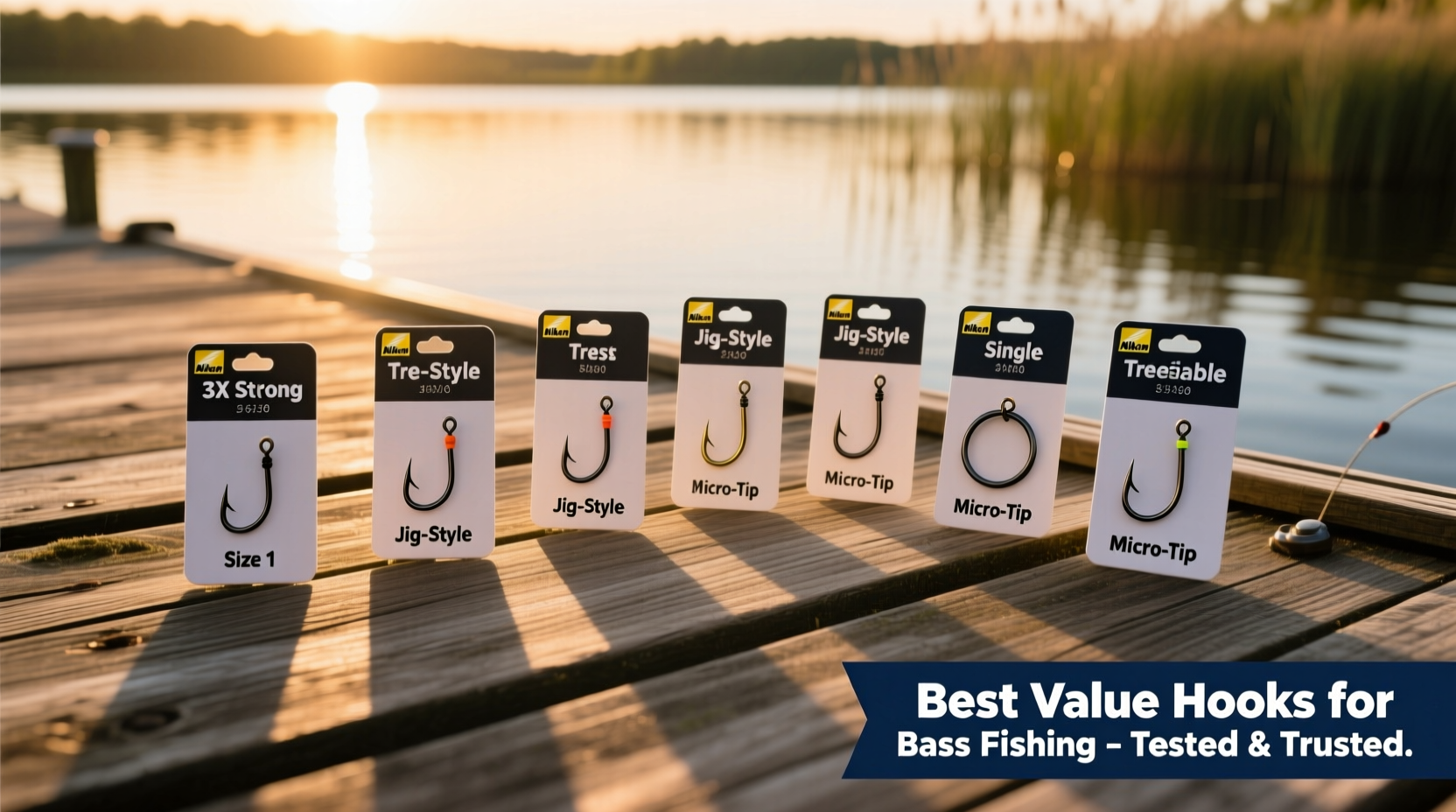
The hook is the point of contact between angler and fish. No matter how perfectly you cast or how realistic your lure looks, if the hook fails during the strike or fight, the effort is wasted. Bass are powerful fighters, capable of head-shaking, diving into cover, and generating strong lateral pressure. A weak or dull hook will bend, break, or fail to penetrate.
Reliable hooks must meet three criteria: sharpness, strength, and corrosion resistance. A sharp point ensures quick penetration with minimal force, which is essential when fishing with soft plastics where hooksets rely more on timing than brute power. Strength refers to the wire gauge and tempering process—thicker wire resists bending but may reduce sensitivity. Corrosion resistance ensures longevity, especially if you fish in brackish water or store gear in humid conditions.
“Even the best lure won’t catch fish if the hook isn’t up to the task. I’ve seen $50 rods paired with subpar hooks that failed on 3-pound bass. It’s not about price—it’s about performance.” — Mark Reynolds, Professional Bass Guide and Tournament Angler
Top Affordable & Reliable Hooks for Bass
Not all affordable hooks are created equal. Some cut corners on materials or heat treatment, leading to inconsistent results. The following models have earned reputations among weekend warriors and pros alike for delivering reliability at accessible price points.
| Hook Model | Type | Price Range (per pack) | Key Features | Best For |
|---|---|---|---|---|
| Eagle Claw Lazer Sharp Baitholder | Offset Worm Hook | $4–$6 | High-carbon steel, chemically sharpened, barbed design | Texas-rigged worms, craws |
| Mustad Classic Wide Gap | Worm Hook | $5–$7 | Durable forged steel, black nickel finish, wide gap | Heavy cover, jigs, creature baits |
| Owner Mosquito Eye | Offset Worm Hook | $8–$10 | Thin wire, ultra-sharp, compact eye | Finesse rigs, weightless soft plastics |
| Tru-Turn Red Label | Wacky Rig / Octopus Hook | $5–$6 | Stainless steel point, bronze finish, light wire | Wacky rigs, drop shots, shaky heads |
| VMC Heavy Cover EWG | Extra Wide Gap | $7–$9 | Hardened steel, anti-rust coating, reinforced bend | Flipping, punching, thick vegetation |
While Owner and VMC sit slightly higher in price, their performance-to-cost ratio remains excellent. Eagle Claw and Tru-Turn stand out for budget-conscious anglers who still demand consistency.
Tip: Always inspect your hooks before and after each trip. Replace any that show signs of dulling, bending, or rust—even if they look minor.Matching Hook Type to Technique
Selecting the right hook isn’t just about brand or price—it’s about application. Different presentations require different hook geometries and strengths.
- Offset Worm Hooks: Ideal for Texas and Carolina rigs. Their angled shank aligns the point with soft plastics for better concealment and deeper penetration. Eagle Claw Lazer Sharp and Owner Mosquito Eye are top performers here.
- Wide Gap (EWG) Hooks: Designed for bulky creature baits and flipping in heavy cover. The extra space between point and shank improves hook-up ratios. Mustad Classic and VMC Heavy Cover excel in snag-prone zones.
- Octopus/Wacky Hooks: Lighter and thinner, perfect for finesse techniques like wacky rigging or drop shots. Tru-Turn Red Label offers excellent value for these delicate presentations.
- Jig Hooks: Typically part of a pre-tied jighead, but replacement hooks matter when customizing. Look for strong, short-shanked hooks with a perpendicular eye for optimal alignment.
Using the wrong hook type can lead to poor action, missed strikes, or lost fish. For example, using a heavy EWG on a finesse worm creates unnatural movement and reduces casting distance. Conversely, a thin-wire octopus hook won’t survive a hard hookset in thick weeds.
Real-World Example: Flipping in Florida Marshes
Dave M., an amateur angler from central Florida, struggled for months with losing bass during the initial jump when flipping soft tubes into dense reeds. He was using a generic bulk-pack hook priced under $3 per dozen. After switching to the VMC Heavy Cover EWG—despite the higher cost per unit—he noticed an immediate improvement. Over a six-week period, his retention rate jumped from roughly 50% to over 85%. “I realized it wasn’t my technique,” he said. “The old hooks were bending the second the fish shook its head. The VMC held firm, even on 6-pounders in matted grass.”
This case illustrates that affordability shouldn’t mean compromising structural integrity, especially in demanding scenarios.
Checklist: Choosing Your Next Bass Hook
Before buying, run through this checklist to ensure you’re getting a quality, suitable product:
- ✅ Determine the fishing technique (e.g., flipping, wacky rigging, Texas rig).
- ✅ Match hook style to lure type and cover density.
- ✅ Check material: High-carbon or stainless steel preferred.
- ✅ Verify sharpness—run your finger lightly across the point (with caution); it should catch slightly.
- ✅ Look for anti-corrosion coating, especially if fishing near salt-influenced waters.
- ✅ Read user reviews focusing on durability and hook-up success.
- ✅ Compare cost per hook, not just per pack—some “bulk” deals use lower-grade steel.
Frequently Asked Questions
Are expensive hooks worth it for casual bass fishing?
Not necessarily. Many mid-tier brands like Eagle Claw, Mustad, and Tru-Turn offer excellent performance for recreational anglers. However, if you fish weekly or in tough conditions, investing in higher-end hooks like Owner or VMC pays off in fewer lost fish and longer lifespan.
How often should I replace my hooks?
Inspect them before every outing. Replace immediately if the point is dull, the shank is bent, or rust is visible. As a rule of thumb, change hooks after 6–10 heavy uses, or sooner if fishing in abrasive environments like rocky bottoms or oyster beds.
Can I sharpen cheap hooks to make them last longer?
You can, but it’s often not worth the effort. Low-quality metal loses hardness quickly and may chip when filed. Sharpening also removes material, weakening the point over time. It’s better to replace low-cost hooks frequently than risk failure mid-fight.
Final Thoughts and Action Steps
Great bass fishing starts with reliable fundamentals. A high-performing hook doesn’t have to come with a luxury price tag. Brands like Eagle Claw, Mustad, Tru-Turn, and VMC prove that affordability and dependability can coexist. By matching the right hook to your technique, maintaining sharpness, and replacing worn gear promptly, you dramatically increase your odds of landing every bite.
Don’t let a $0.50 component sabotage hours of careful fishing. Audit your tackle box today: test the sharpness of your current hooks, compare them to the models listed here, and upgrade where needed. Your next personal-best bass might be hanging on that tiny piece of metal.
🚀 Ready to improve your catch rate? Swap out one old hook today with a proven performer from this list—and feel the difference on your next strike.








