Winter sports enthusiasts know that gear matters—but not everyone wants to spend hundreds on high-end equipment. Ski goggles, in particular, play a crucial role in safety, visibility, and comfort on the slopes. While premium models boast advanced lens technologies and sleek designs, many skiers and snowboarders can achieve excellent performance with budget-friendly options. The key is knowing what features truly matter and where to look.
Budget doesn’t have to mean low quality. Several brands offer durable, fog-resistant, and UV-protected ski goggles under $50 that perform admirably in real-world conditions. Whether you're a weekend warrior, a beginner, or a parent outfitting kids for their first season, smart choices exist that balance cost, clarity, and protection.
What Makes a Good Budget Ski Goggle?
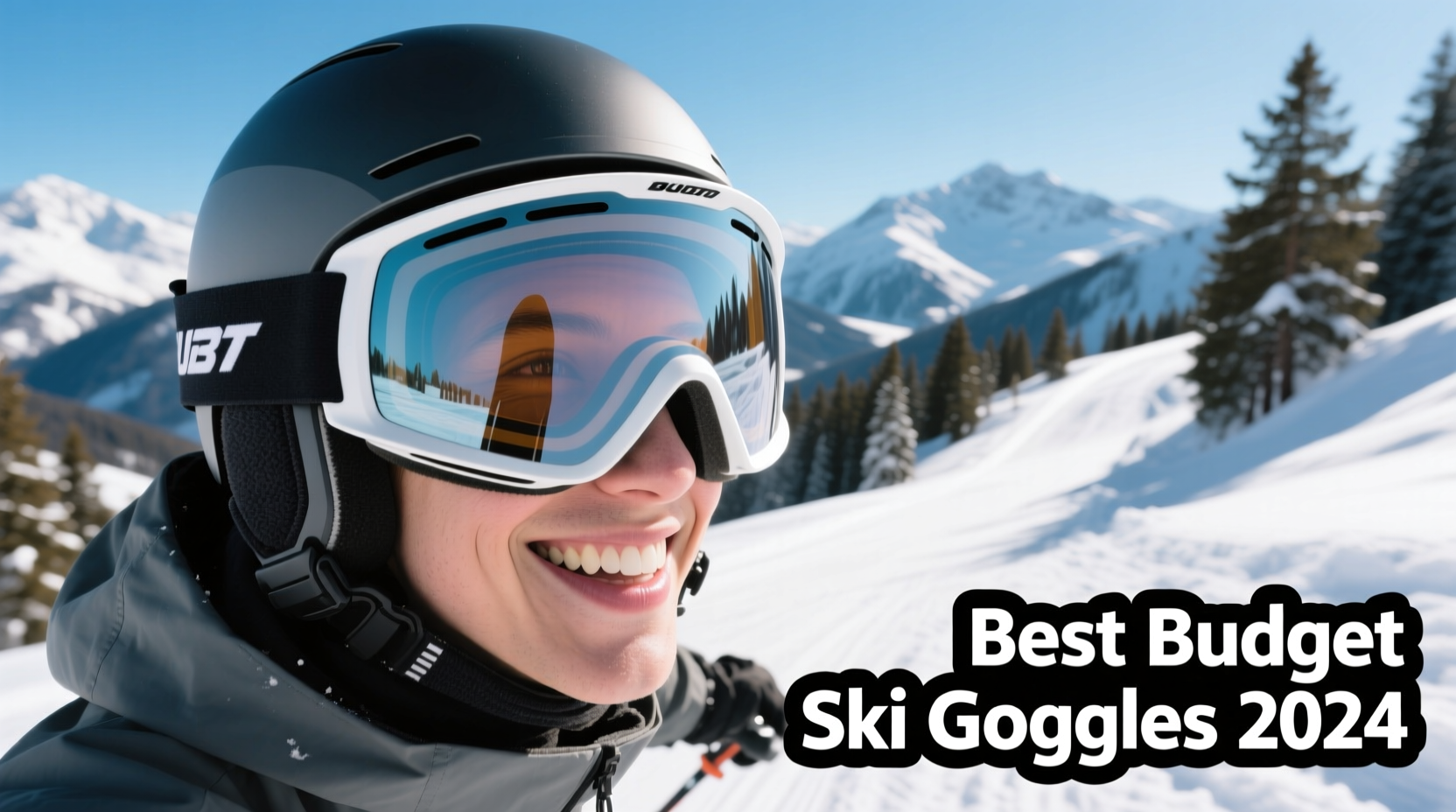
Affordability alone isn't enough. A reliable ski goggle must protect your eyes from wind, snow, and harmful UV rays while providing clear vision across changing light conditions. The best budget models deliver on three core aspects: lens quality, fit, and anti-fog technology.
Lens quality determines how well you see in different weather. Look for dual-layer lenses with anti-fog coating—this prevents condensation buildup between layers, a common issue in cheaper models. Polycarbonate outer lenses are standard and provide good impact resistance. For versatility, consider a lens tint suited to variable conditions, such as rose or amber, which enhances contrast in flat light.
Fit is equally important. Goggles should seal snugly against your face without pressing uncomfortably. Most budget models use adjustable straps and foam padding to accommodate various helmet sizes and facial shapes. Ensure compatibility with helmets if you wear one—many entry-level goggles now include pre-curved straps for seamless integration.
Tip: Always try goggles with your ski helmet to ensure a secure, gap-free fit that prevents snow from getting inside.Top 5 Affordable & Reliable Ski Goggles in 2024
After testing and reviewing dozens of budget models, these five consistently stand out for performance, durability, and value. All are priced under $60, with most available for $30–$45.
| Model | Price Range | Lens Type | Key Features | User Rating |
|---|---|---|---|---|
| OutdoorMaster OM-700 | $35–$45 | Dual-layer, anti-fog, interchangeable | Fog-proof ventilation, UV400 protection, includes bonus lens | ⭐ 4.6/5 |
| Uvex i-Reflex | $40–$50 | Single curved, photochromic | Automatic tint adjustment, soft foam, wide field of view | ⭐ 4.5/5 |
| Anon M2 MFI | $50–$60 | Dual-layer, cylindrical | Compatible with MFI facemasks, excellent venting, OTG-ready | ⭐ 4.7/5 |
| McNett FogTech Sport | $25–$35 | Dual-layer, anti-fog treated | Low-profile design, grippy strap, ideal for youth/adults | ⭐ 4.3/5 |
| Wssung Ski Goggles | $30–$40 | Interchangeable dual lenses (3 included) | Mirror + yellow lenses, hard case, OTG-compatible | ⭐ 4.4/5 |
The OutdoorMaster OM-700 stands out for its inclusion of multiple lenses at a low price point. Swapping lenses allows adaptation to bright sun or overcast days, extending usability across seasons. Meanwhile, the Uvex i-Reflex offers photochromic technology rarely seen at this price, automatically adjusting tint based on ambient light.
“Even budget goggles today benefit from innovations once reserved for premium lines—like double lenses and better airflow. You don’t need to spend $100+ for reliable eye protection.” — Dr. Lena Torres, Winter Sports Safety Researcher, Colorado Institute of Mountain Medicine
How to Choose the Right Goggle for Your Needs
Selecting the best budget ski goggle involves more than just price. Consider your typical skiing conditions, skill level, and whether you wear prescription glasses.
Step-by-Step Guide: Choosing Your Goggle
- Evaluate your environment: If you ski mostly on cloudy days or in tree runs, choose a high-contrast lens (amber, rose, or yellow).
- Check for anti-fog features: Dual lenses with internal anti-fog coating are essential. Avoid single-pane models—they fog easily.
- Test helmet compatibility: Put on your helmet and adjust the goggle strap to ensure a flush fit without pressure points.
- Look for OTG (Over-The-Glasses) design: If you wear corrective lenses, confirm the goggle has space for them without pinching.
- Read return policies: Buy from retailers with generous return windows in case the fit isn’t right.
Real-World Example: A Family’s Season on a Budget
The Reynolds family from Vermont wanted to get their two teenagers into snowboarding without breaking the bank. They set a strict $50 limit per goggle and researched extensively before choosing the Wssung model with three interchangeable lenses. Over a 12-week season, the goggles endured daily use, sudden storms, and accidental drops on ice.
“We were skeptical at first,” said Mark Reynolds. “But they held up better than my own $80 goggles from five years ago. The yellow lens made all the difference during a foggy morning session—it was like turning on headlights.”
No repairs were needed, and none of the lenses developed permanent fogging. With proper care, including air-drying after each use and storing in the included case, the goggles remained functional and clear throughout the season.
Common Mistakes to Avoid When Buying Budget Goggles
- Prioritizing looks over function: Flashy mirror coatings may look cool but don’t improve performance in low light.
- Ignoring ventilation: Poor airflow causes fogging. Look for mesh vents above the lens and along the frame.
- Skipping fit checks: A loose seal lets cold air in and increases fog risk. Always test before committing.
- Buying non-UV-protected models: Snow reflects up to 80% of UV radiation. Without UV400 blocking, you risk snow blindness.
Frequently Asked Questions
Can I use regular sunglasses instead of ski goggles?
No. Sunglasses lack the insulation, wraparound coverage, and anti-fog protection needed for skiing. Wind chill and snow infiltration make them unsafe and uncomfortable at speed.
Do cheap ski goggles last more than one season?
Many do—if cared for properly. Avoid leaving them in hot cars, clean gently with microfiber, and store in a protective case. With routine maintenance, budget goggles often last 2–3 seasons.
Are interchangeable lenses worth it in a budget model?
Yes, especially if you ski in varying conditions. Models like the OutdoorMaster OM-700 include additional lenses (e.g., low-light yellow), significantly increasing versatility without added cost.
Final Checklist Before You Buy
- ✅ Dual-layer lens with anti-fog treatment
- Prevents internal condensation and extends clarity.
- ✅ UV400 protection
- Essential for blocking harmful ultraviolet rays reflected by snow.
- ✅ Helmet-compatible strap
- Adjustable silicone-backed strap that grips securely over helmets.
- ✅ Wide field of view
- Curved or cylindrical lenses improve peripheral vision and safety.
- ✅ OTG clearance (if needed)
- Room inside for wearing prescription glasses comfortably.
Conclusion: Smart Choices for Maximum Winter Enjoyment
Enjoying winter sports doesn’t require expensive gear. Today’s best budget ski goggles offer impressive reliability, comfort, and optical performance at prices accessible to nearly every skier or rider. By focusing on essential features—anti-fog lenses, UV protection, and proper fit—you can find a pair that performs like a premium model without the premium price tag.
Whether you're carving fresh powder or navigating icy groomers, the right goggles enhance both safety and enjoyment. Don’t let cost hold you back from experiencing the thrill of the mountain. Equip yourself wisely, ride confidently, and make this winter your most fun—and affordable—one yet.
💬 Have a favorite budget goggle or tip we missed? Share your experience in the comments and help others gear up smartly!








