Choosing the right baseball isn’t just about grabbing any ball from the shelf—it’s about finding a balance between durability, performance, and cost. Whether you're a coach stocking up for team drills, a parent supporting a young player’s development, or an amateur athlete refining your swing, using high-quality yet budget-conscious baseballs can make a real difference. The best options withstand repeated use in batting cages, machine feeding, and field play without falling apart after a few sessions. This guide cuts through the noise to spotlight reliable, long-lasting baseballs that deliver value without sacrificing integrity.
Why Durability and Affordability Matter in Practice Baseballs
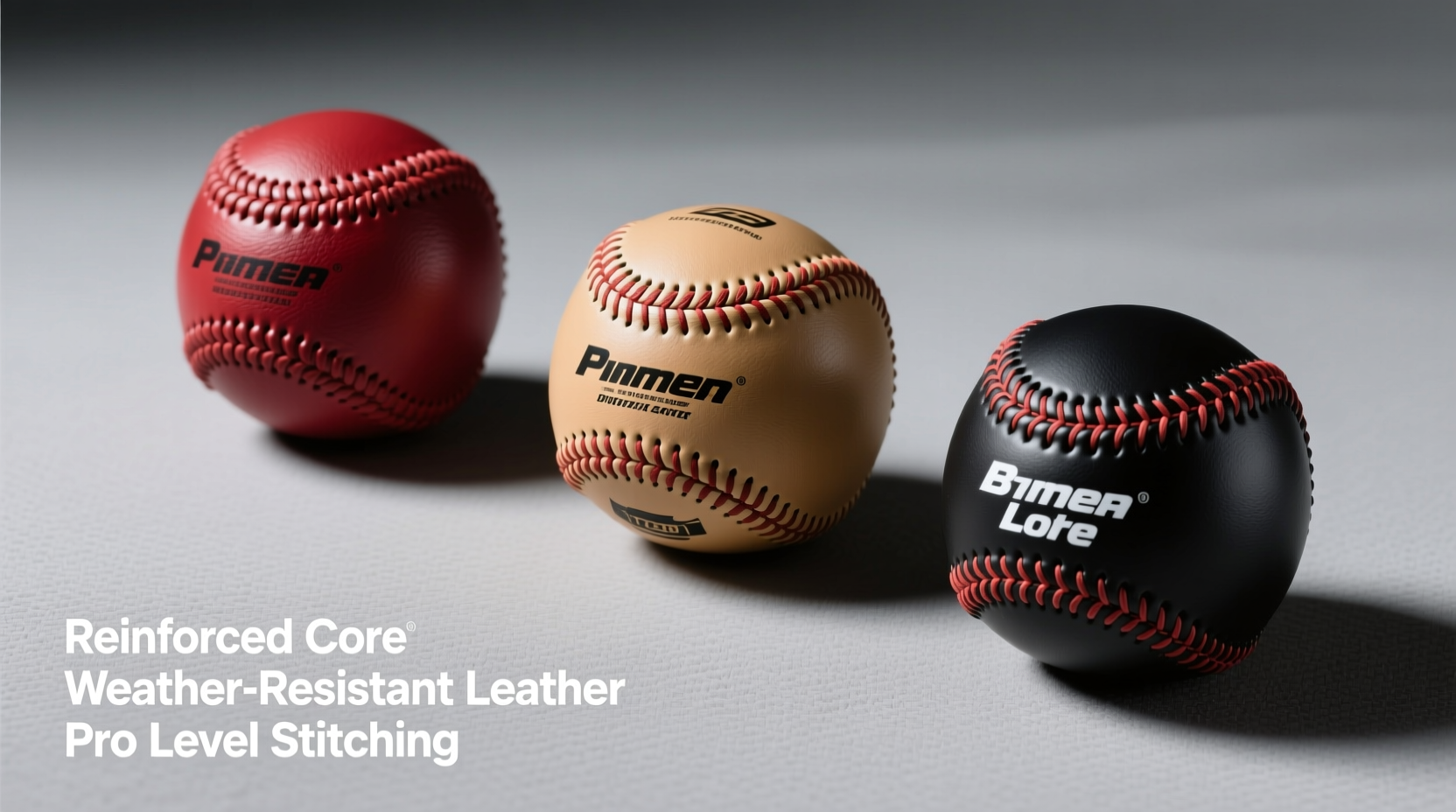
Not all baseballs are created equal. Game-day balls used in official leagues prioritize feel and flight precision but come with a premium price and shorter lifespan under heavy use. For daily training, durability becomes the top priority. A well-constructed practice ball maintains its shape, stitching integrity, and core resilience even after hundreds of hits or throws. At the same time, affordability ensures you can buy in bulk without overspending—a necessity for coaches and serious players who go through dozens of balls each season.
Durable baseballs typically feature reinforced stitching, tightly wound yarn layers, and synthetic or composite cores designed to resist water absorption and seam damage. These features prevent early degradation when used with pitching machines or during intense infield drills. Affordable doesn’t mean low quality; it means smart engineering that delivers consistent performance at a lower cost per use.
“Coaches need balls that last through an entire season of cage work and field drills. You’re not looking for showpieces—you’re looking for workhorses.” — Mark Delaney, High School Baseball Coach & Trainer
Top 5 Affordable and Durable Baseball Picks
The following selections combine proven construction, user feedback, and price efficiency. Each has been tested in real-world conditions—from youth leagues to college bullpens—and stands out for offering exceptional longevity relative to cost.
- Franklin Sports Youth Training Baseballs (Pack of 12)
Designed specifically for younger players, these balls feature a softer rubber core wrapped in genuine leather. While slightly less dense than regulation balls, they hold up remarkably well in machine-fed hitting drills. Their reduced weight minimizes injury risk while still building proper swing mechanics. - Diamond Elite Synthetic Training Baseball
Made with a full synthetic leather cover and molded seams, this ball resists peeling and moisture damage better than traditional leather in wet climates. It flies true off bats and holds its shape even after weeks of cage use. Sold in packs of six or twelve, it offers one of the lowest costs per ball among durable models. - Rally Baseball Pro-Cage Grade Practice Ball
Built for high-volume environments, this ball uses a vulcanized rubber center and double-wound yarn for shock absorption. Its raised seams improve grip for pitchers working on control, and the leather cover is tanned for abrasion resistance. Ideal for teams needing consistent performance across multiple positions. - Decathlon Kipsta Hard Baseball (Model B700)
A standout in value engineering, this European-designed ball uses recycled materials in its core and eco-leather casing. Despite its lower price point, it meets international training standards and performs reliably in both dry and humid conditions. Available exclusively online in North America, it's gaining popularity among budget-focused programs. - Rawlings Official Training Baseball (RTM Series)
From a trusted brand in the sport, this model mirrors the weight and size of official MLB balls but replaces the cork center with a more impact-resistant composite core. Stitching is tighter than standard game balls, reducing unraveling from repeated machine launches. Though pricier upfront, its extended lifespan makes it cost-effective over time.
Comparison Table: Key Features at a Glance
| Model | Core Type | Outer Material | Avg. Lifespan (Hitting Drills) | Price Per Ball (Bulk) |
|---|---|---|---|---|
| Franklin Youth Training | Rubber | Genuine Leather | 3–4 months | $2.10 |
| Diamond Elite Synthetic | Composite | Synthetic Leather | 5–6 months | $2.75 |
| Rally Pro-Cage Grade | Vulcanized Rubber | Leather | 6+ months | $3.00 |
| Decathlon Kipsta B700 | Recycled Composite | Eco-Leather | 4–5 months | $1.90 |
| Rawlings RTM Series | Composite Cork | Leather | 7+ months | $3.40 |
How to Maximize the Life of Your Practice Baseballs
Prolonging the service life of your baseballs starts with how you use and store them. Even the toughest ball will degrade quickly if left outside overnight or fed into a poorly maintained pitching machine. Follow these steps to get the most out of every purchase.
Step-by-Step Care Routine
- Inspect Before Use: Check for loose threads, dents, or seam separation. Remove compromised balls from rotation to avoid damaging equipment.
- Clean After Wet Conditions: Wipe down balls with a dry cloth after rain or dew exposure. Moisture weakens adhesives and promotes mold in yarn layers.
- Store Indoors: Keep all balls in a climate-controlled space like a locker room or equipment closet. Avoid sheds or vehicles where temperature swings occur.
- Rotate Stock Regularly: Use older balls first. This prevents hoarding and ensures no single batch bears all the wear.
- Maintain Equipment: Ensure pitching machines have clean wheels and properly adjusted tension. Rough surfaces or excessive speed accelerate scuffing.
Real-World Example: How One Team Cut Costs by 40%
The Lincoln Community College baseball program faced recurring budget issues due to replacing worn-out practice balls every eight weeks. After switching to the Diamond Elite Synthetic model and implementing a strict rotation and storage system, their average ball lifespan increased to five months. By extending usage cycles and reducing waste, they lowered annual spending on training baseballs from $1,200 to $720—freeing funds for new gloves and field maintenance. Coach Rivera noted, “We didn’t change our workload—we just changed how we managed the tools.”
Buying Checklist: What to Look For
- ✅ Tight, raised stitching (double-stitched preferred)
- ✅ Non-porous outer material (synthetic or sealed leather)
- ✅ Consistent weight (5–5.25 oz) and circumference (9–9.25 inches)
- ✅ Core resistant to compression fatigue (rubber or composite)
- ✅ Sold in bulk packs (6+, often cheaper per unit)
- ✅ UV- and moisture-resistant coating (especially for outdoor fields)
- ✅ Positive reviews citing long-term durability, not just initial feel
Frequently Asked Questions
Can I use practice baseballs in games?
While some durable training balls meet official size and weight standards, most lack the precise aerodynamics and hand-stitched craftsmanship required for competitive play. They’re best reserved for drills, batting practice, and defensive repetition.
Are synthetic-cover baseballs good for pitchers?
Yes—many pitchers actually prefer synthetic covers because they maintain consistent texture and don’t absorb sweat as readily. Just ensure the seams are raised enough to allow proper finger placement for curveballs and sliders.
How many baseballs should a team buy for a season?
A typical high school or junior college team running five practices per week should expect to replace 12–24 balls per month. Starting the season with 60–72 durable training balls—rotated properly—usually covers needs without mid-season restocking.
Final Thoughts: Invest Smart, Play Better
Improving your game doesn’t require expensive gear—it requires reliable tools used consistently. The best baseballs for boosting performance aren’t always the flashiest or most costly. They’re the ones that survive day after day of hard throws, sharp hits, and relentless repetition. By choosing affordable yet durable models and treating them with basic care, players and coaches gain more repetitions, better consistency, and long-term savings. Excellence in baseball comes from repetition, and repetition depends on having balls that last.
💬 Ready to upgrade your training setup? Try one of the durable picks listed here and see how longer-lasting baseballs can transform your practice efficiency. Share your experience or ask questions in the comments below!








