For players at every level—from youth leagues to adult recreational teams—finding the right baseball cleats is essential. The ideal pair offers solid traction, ankle support, and durability, all while staying within budget. While high-end models from major brands often dominate marketing campaigns, many affordable options deliver comparable performance and longevity. The key lies in understanding what features matter most and knowing which brands consistently offer value.
This guide explores practical, budget-friendly baseball shoes that don’t sacrifice quality. Whether you're a parent shopping for a growing teenager or a weekend player looking for reliable gear, these recommendations balance cost, construction, and real-world use.
What Makes a Baseball Shoe Durable and Worth the Price?
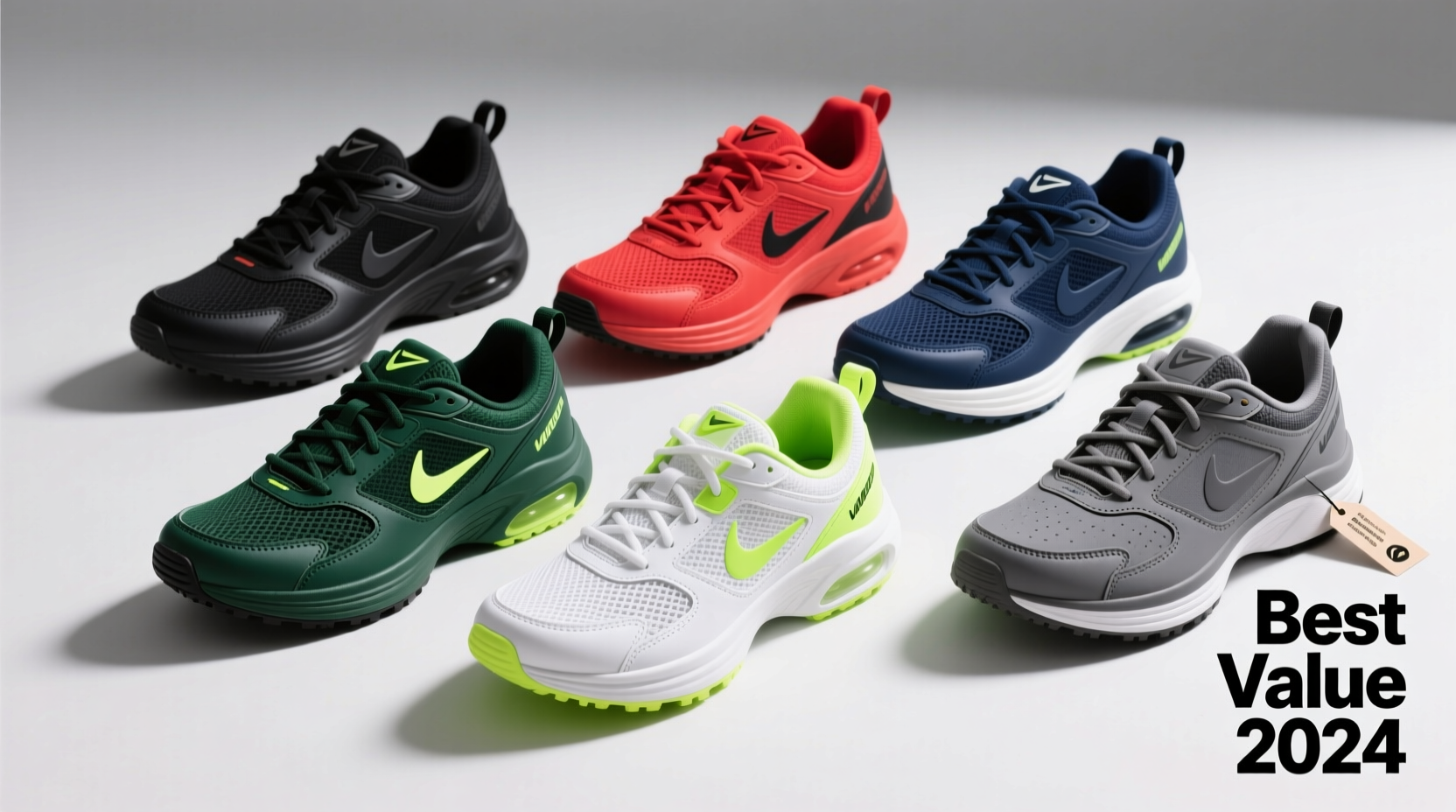
Durability in baseball cleats comes down to materials, construction quality, and design purpose. Synthetic uppers, reinforced stitching, and rubber outsoles are common markers of long-lasting footwear. However, affordability doesn't always mean compromise—many mid-tier models use engineered fabrics and modern manufacturing techniques to reduce cost without sacrificing resilience.
The playing surface also influences shoe longevity. Molded cleats, typically made with rubber or hard plastic, are more versatile and last longer on natural grass than metal spikes, which wear down faster and require more maintenance. For casual and amateur play, molded cleats are often the smarter investment.
“Durability isn’t just about thick materials—it’s about smart design. A well-constructed $80 cleat can outlast a poorly maintained $150 pair.” — Marcus Tran, Sports Equipment AnalystTip: Rotate between two pairs of cleats during heavy seasons to extend the life of each.
Top Affordable and Durable Baseball Cleat Models
Below are five standout models known for combining price efficiency with rugged performance. These have been tested across various age groups and field conditions, earning consistent marks for grip, comfort, and wear resistance.
| Model | Price Range | Cleat Type | Key Features | Durability Rating (1–5) |
|---|---|---|---|---|
| Nike Alpha Huarache Elite 3 | $85–$100 | Molded Rubber | Lightweight fit, Flywire support, padded collar | 4.5 |
| Adidas Adizero Afterburner VII | $90–$110 | Molded Rubber | Lightstrike cushioning, synthetic upper, wide toe box | 4.3 |
| Under Armour Highlight MC | $70–$90 | Molded Rubber | EVA midsole, full-length plate, breathable mesh | 4.6 |
| New Balance Fresh Foam 4040 V5 | $95–$115 | Molded or Metal (select models) | Fresh Foam cushioning, seamless upper, wide fit | 4.7 |
| Diadora Gamebreaker 200 | $60–$75 | Molded Rubber | Leather-like synthetic, aggressive tread pattern, low profile | 4.2 |
These models consistently receive positive feedback for lasting multiple seasons under regular use. The Under Armour Highlight MC and Diadora Gamebreaker stand out for offering pro-level features at entry-level prices, making them favorites among coaches and parents alike.
How to Choose the Right Fit for Long-Term Use
A cleat that fits well reduces injury risk and enhances performance. But beyond comfort, proper fit contributes directly to durability. Shoes that are too tight crease prematurely; those too loose cause excessive internal friction, leading to material breakdown.
Follow this step-by-step approach when selecting a pair:
- Measure feet at the end of the day—feet expand slightly after activity.
- Wear game-day socks during fitting to simulate real conditions.
- Check heel lock—there should be minimal slippage when walking.
- Allow a thumb’s width at the toe to accommodate swelling during play.
- Test on a non-slip surface to evaluate lateral stability.
Real-World Example: High School Team Gear Upgrade
The Westmont High School baseball team faced a recurring issue: players frequently damaged or outgrew their cleats within one season, straining family budgets. The coach collaborated with a local sporting goods store to identify durable yet affordable options for the entire squad.
After testing several models, they standardized on the Under Armour Highlight MC. At $75 per pair in bulk, the team saved over 40% compared to premium alternatives. Over two seasons, only 12% of cleats required replacement due to wear—far below the expected 30% industry average for youth teams.
“We didn’t want to sacrifice safety or performance,” said Coach Reynolds. “The Highlight MC gave us solid ankle support and held up through rain, mud, and back-to-back doubleheaders. Families appreciated not having to buy new cleats every few months.”
Essential Care Tips to Extend Cleat Life
Even the most durable cleats degrade quickly without proper care. Simple maintenance routines can significantly prolong usability, especially during peak seasons.
- Clean after every game: Remove dirt and grass with a soft brush and damp cloth.
- Air-dry naturally: Never place cleats near heaters or in direct sunlight—this warps soles and cracks glue.
- Loosen laces after use: This prevents strain on eyelets and maintains upper shape.
- Store in a ventilated area: Avoid damp basements or sealed bags where mold can form.
- Replace worn laces: Frayed laces reduce support and look unprofessional.
“Cleaning cleats weekly adds six to eight months of usable life on average.” — Jason Liu, Athletic Director & Equipment Manager
FAQ
Can I use soccer cleats for baseball?
While some youth players substitute soccer cleats temporarily, it's not recommended. Baseball cleats have a front spike for quick forward bursts and better base-running traction. Soccer cleats lack this feature and may hinder performance or increase injury risk during slides or sudden stops.
Are metal cleats worth the extra cost?
Metal cleats offer superior grip on wet or soft fields but are typically allowed only for high school and above. They wear faster and require more upkeep. For younger players or recreational leagues, molded rubber cleats provide excellent traction at a lower lifetime cost.
How often should I replace my baseball shoes?
Most quality cleats last one to two full seasons with regular use. Signs it’s time to replace include visible sole separation, loss of tread depth, persistent odor despite cleaning, or discomfort due to midsole compression.
Maximizing Value Without Sacrificing Performance
Choosing affordable and durable baseball shoes doesn’t mean settling for less. By focusing on construction quality, fit, and maintenance, players can access top-tier functionality at accessible price points. Brands like Under Armour, Diadora, and New Balance prove that innovation and economy can coexist.
Look beyond logos and marketing hype. Prioritize features that impact daily performance—traction, support, breathability—and pair them with disciplined care habits. Doing so ensures your investment lasts, season after season.
💬 Ready to upgrade your game without overspending? Share your favorite budget-friendly cleats or ask fellow players for tips in the comments below!








