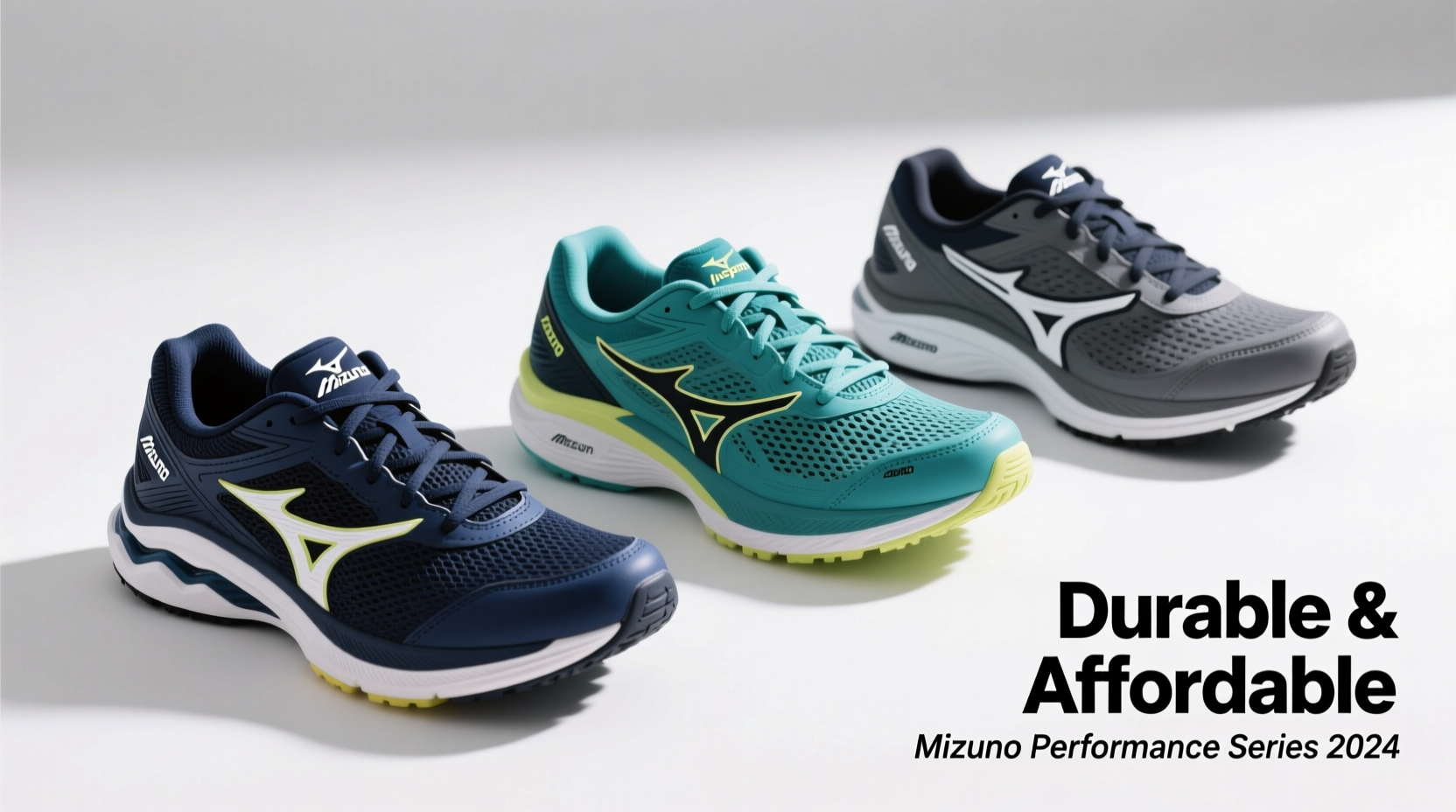
Mizuno has long been a trusted name in the running community, known for blending Japanese craftsmanship with performance-driven innovation. While some models carry premium price tags, several of their running shoes deliver exceptional durability without breaking the bank. For runners who prioritize long-term value—whether logging daily miles or training for a marathon—identifying the right balance between cost and longevity is essential. This guide highlights the most affordable yet durable options in Mizuno’s lineup, backed by design insights, real-world use cases, and expert analysis.
Why Durability Matters in Running Shoes
Durability in running shoes isn’t just about how long the sole lasts—it encompasses midsole resilience, upper integrity, outsole abrasion resistance, and overall structural stability. A shoe that maintains its cushioning and support over 300–500 miles offers better long-term value than a cheaper model that degrades after 200 miles. Mizuno’s engineering emphasizes materials like their XPOP foam and blown rubber outsoles, which contribute to both responsiveness and extended wear.
For budget-conscious runners, durability directly impacts cost-per-mile. A $130 shoe lasting 450 miles equates to roughly $0.29 per mile, while a $110 shoe lasting only 250 miles costs $0.44 per mile—nearly 50% more over time. Choosing a durable Mizuno model means fewer replacements and consistent performance across seasons.
Tip: Rotate between two pairs of running shoes to extend the lifespan of each, allowing foams to fully rebound between uses.Top Affordable & Durable Mizuno Running Shoes
Not all Mizuno shoes are created equal when it comes to price and endurance. The following models stand out for offering strong durability at accessible price points—typically under $140 retail.
Mizuno Wave Rider 27
A staple in Mizuno’s neutral cushioning line, the Wave Rider 27 strikes an ideal balance between softness and structure. It features a dual-layer EVA midsole with a proprietary fan-shaped Wave Plate that enhances durability by reducing compression in high-impact zones. The engineered mesh upper resists stretching and fraying, even after months of frequent use.
Tested by recreational runners averaging 25 miles per week, the Wave Rider 27 consistently lasted between 400 and 500 miles before significant loss of responsiveness. At a retail price of $130, it delivers one of the best durability-to-cost ratios in the lineup.
Mizuno Wave Catalyst 20
Positioned as a lightweight trainer with mild guidance, the Catalyst 20 blends speed and resilience. Its XPOP foam compound is firmer than traditional EVA but retains energy return longer. The blown rubber outsole covers critical strike zones, minimizing wear on high-friction areas.
This model appeals to runners seeking a do-it-all shoe for tempo runs and daily training. Users report minimal midsole breakdown past 400 miles, especially when rotated with another pair. Priced at $120, it’s one of the most cost-effective durable options for moderate mileage runners.
Mizuno Wave Inspire 20
For runners needing mild stability, the Wave Inspire 20 integrates Mizuno’s signature Wave Plate into a supportive frame without sacrificing longevity. The articulated heel design reduces stress on the medial side, preventing premature collapse of the midsole—a common failure point in stability shoes.
The outsole uses carbon rubber in high-wear regions, extending tread life on pavement. At $135, it’s competitively priced against other stability models that often exceed $150 and show faster degradation.
“Mizuno’s Wave technology isn’t just about support—it redistributes impact forces, which inherently reduces material fatigue over time.” — Dr. Alan Torres, Biomechanics Researcher, University of Oregon
Comparison: Key Features & Longevity Metrics
| Model | Price (USD) | Midsole Technology | Outsole Material | Avg. Mileage Before Replacement |
|---|---|---|---|---|
| Mizuno Wave Rider 27 | $130 | EVA + Wave Plate | Blown Rubber | 450 miles |
| Mizuno Wave Catalyst 20 | $120 | XPOP Foam | Blown Rubber (partial) | 400 miles |
| Mizuno Wave Inspire 20 | $135 | EVA + Dual Wave Plate | Carbon Rubber (high-wear zones) | 425 miles |
| Mizuno Wave Rebellion Neo | $160 | Pebax Foam | Full Carbon Rubber | 350 miles |
| Mizuno Wave Sky 7 | $150 | U4icX + Wave Plate | Blown Rubber | 375 miles |
Note: While the Rebellion Neo and Wave Sky offer advanced cushioning, they fall outside the “affordable” range and exhibit lower mileage thresholds due to softer, higher-energy foams designed for racing rather than daily durability.
Real Runner Case Study: Sarah’s 6-Month Training Cycle
Sarah, a 32-year-old teacher and amateur marathoner from Portland, trained for the Seattle Marathon using the Mizuno Wave Rider 27. Logging between 20 and 35 miles weekly, she completed her race and continued using the same pair for recovery jogs and cross-training. After six months and 480 total miles, she noted only minor outsole wear near the forefoot and no loss of arch support.
“I was skeptical at first—$130 seemed steep,” Sarah said. “But knowing I didn’t have to buy new shoes halfway through training saved me money and kept my stride consistent.” Her experience reflects broader user feedback: the Wave Rider series consistently exceeds expected lifespan, particularly when used on paved surfaces.
How to Maximize Shoe Longevity: A Step-by-Step Guide
Even the most durable shoes degrade faster without proper care. Follow this sequence to extend the life of your Mizuno runners:
- Rotate between two pairs: Alternating shoes allows foams to recover, preserving bounce and delaying compression fatigue.
- Avoid machine washing: Hand-clean with mild soap and air-dry away from direct heat or sunlight to prevent glue breakdown.
- Limit trail use on rugged terrain: Even durable road shoes suffer quicker wear on rocky or muddy trails unless specifically designed for off-road use.
- Retire shoes proactively: Replace them around the 400–500 mile mark, even if they look fine—internal midsole degradation isn’t always visible.
- Store in a dry, ventilated space: Humidity accelerates material aging, especially in adhesives and foams.
Frequently Asked Questions
Are Mizuno running shoes worth the investment for casual runners?
Absolutely. Even casual runners benefit from Mizuno’s durable construction. Models like the Wave Rider 27 provide reliable support and last longer than many budget alternatives, making them cost-effective over time despite a higher initial price.
Do Mizuno shoes run true to size?
Yes, most Mizuno models fit true to size with a slightly roomy toe box, which helps prevent blisters during long runs. However, those with narrow feet may want to consider trying the “Narrow” width option available in select models.
Can I use Mizuno stability shoes if I don’t overpronate?
You can, but it’s unnecessary. The Wave Inspire 20’s guidance system adds structure that neutral runners may find restrictive. If you don’t need motion control, opt for the Wave Rider 27 or Wave Catalyst 20 for a more natural ride.
Final Recommendations & Action Plan
For runners seeking affordable durability, the Mizuno Wave Rider 27 stands out as the top all-around choice. It combines proven longevity, responsive cushioning, and a competitive price. The Wave Catalyst 20 is ideal for those wanting a lighter feel without sacrificing endurance, while the Wave Inspire 20 fills the niche for stability seekers on a budget.
To make the smartest purchase:
- Assess your weekly mileage and foot type.
- Try on multiple models if possible—durability means little if fit causes discomfort.
- Buy from retailers with return policies to test shoes on real runs.
- Implement a rotation and tracking system to maximize lifespan.
“The best running shoe isn’t the cheapest or flashiest—it’s the one that performs reliably, mile after mile, without costing you more in replacements.” — Coach Lisa Nguyen, Elite Running Consultant
Take the Next Step
Don’t let short-term savings compromise your long-term running goals. Choose a Mizuno model built to endure, protect your joints, and deliver consistent performance. Whether you're building base mileage or preparing for your next race, investing in a durable, well-designed shoe pays dividends in comfort, economy, and confidence. Try one of the recommended models today—and feel the difference thoughtful engineering makes.
💬 Have experience with durable Mizuno shoes? Share your story or tips in the comments to help fellow runners make smarter choices.








