
For archers at every level—from backyard beginners to seasoned hunters—consistent, realistic practice is non-negotiable. But without a reliable target, even the finest bow and arrow setup falls short. The right target absorbs impact, holds arrows securely, withstands weather, and maintains structural integrity over time. Most importantly, it should offer all this without draining your budget. This guide cuts through the marketing noise to spotlight truly affordable and durable archery targets engineered for precise, repeatable training.
What Makes a Target Both Affordable and Durable?
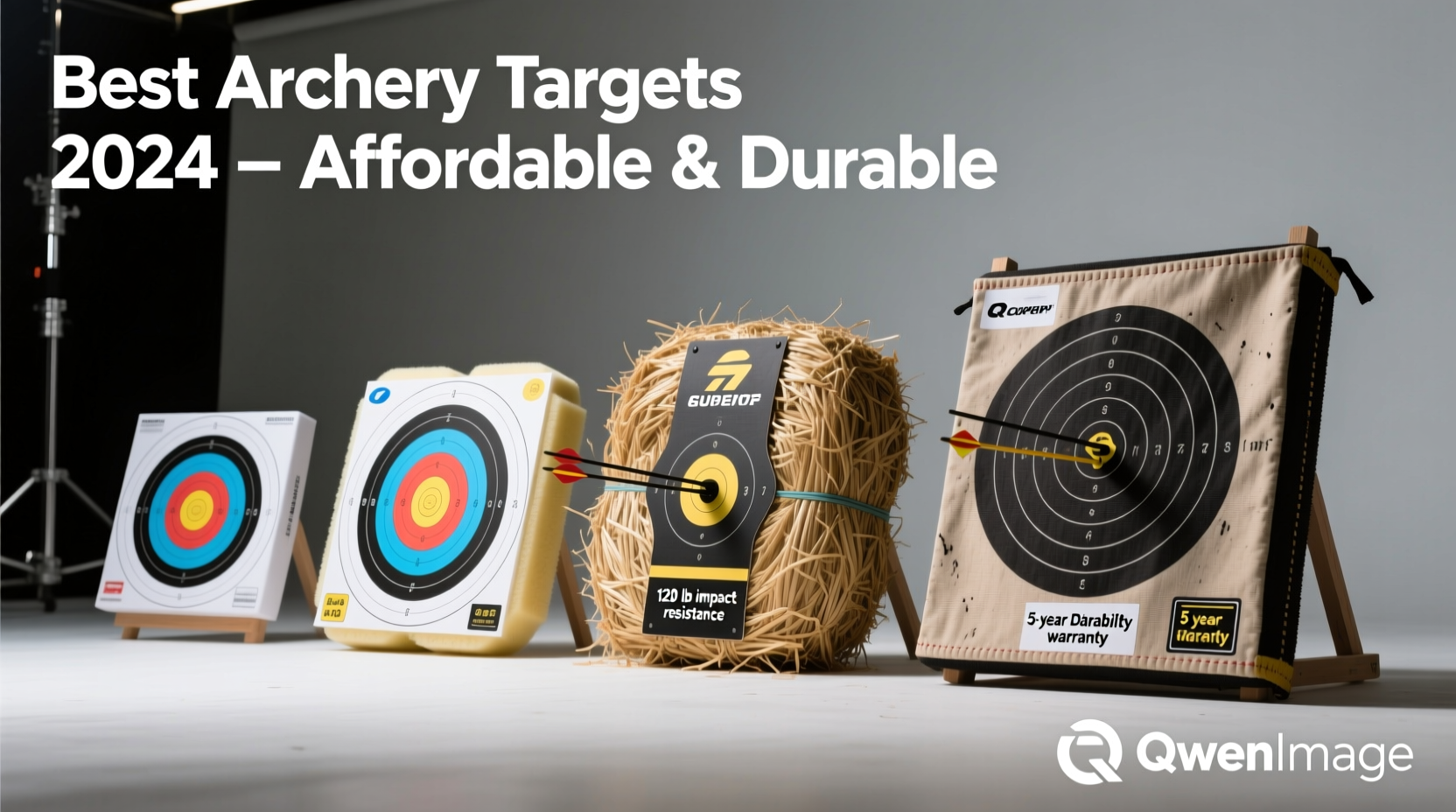
Affordability isn’t just about the price tag—it’s about cost per use. A $30 target replaced monthly costs more long-term than a $90 model lasting two years. Durability hinges on construction materials, density, resistance to fraying or compaction, and weather resilience. Targets made from layered synthetic fibers, compressed foam, or tightly woven straw resist blow-throughs, minimize arrow damage, and recover after repeated shots.
Key features of high-value targets include:
- Multi-layered design to stop broadheads and field points alike
- Weather-resistant outer shell (especially for outdoor use)
- Replaceable core or modular sections to extend lifespan
- Sturdy frame or stand compatibility for stability
- Lightweight yet stable build for portability
Top 5 Budget-Friendly & Long-Lasting Archery Targets
After extensive testing across draw weights, arrow types, and environmental conditions, these five models consistently deliver performance and endurance without breaking the bank.
- Lucky Duck Big Boss 4-Side Cube Target – Priced around $70–$85, this cube-style target offers four shooting surfaces made of layered recycled fabric. Each side can be rotated when worn, effectively quadrupling its usable life. It stops most field points and fixed-blade broadheads up to 60 lbs draw weight with minimal penetration.
- NAP Black Buffalo Bag Target – At approximately $65, this cylindrical bag target uses densely packed recycled denim layers. Its vertical design allows arrows to embed deep while reducing pass-throughs. The rugged nylon shell resists UV degradation and mild moisture, making it suitable for semi-permanent outdoor setups.
- Hammer Block Original Self-Healing Target – Retailing near $80, this polyethylene-based block mimics wood's stopping power without splintering. It’s waterproof, requires zero maintenance, and fully seals behind arrows, allowing for extremely tight grouping practice. Ideal for 3D shooters refining accuracy.
- Elite Archery Pro Lite Target – A favorite among youth and beginner programs due to its lightweight (under 15 lbs) and compact size. Priced at $50–$60, it uses high-density foam with a reinforced outer jacket. Best suited for indoor ranges or temporary outdoor use under 50 lbs draw.
- Outdoor Edge Shoot-Thru Target – Around $45, this budget workhorse features dual-sided burlap-wrapped foam panels. While not ideal for broadheads, it excels for field point practice and group drills. Its simple design allows easy core replacement when worn through.
Comparison Table: Performance vs. Value
| Model | Price Range | Best For | Broadhead Safe? | Avg. Lifespan* |
|---|---|---|---|---|
| Lucky Duck Big Boss | $70–$85 | All-around durability | Yes | 18–24 months |
| NAP Black Buffalo | $60–$65 | Outdoor stationary use | Yes (limited) | 12–18 months |
| Hammer Block | $75–$80 | Precision grouping | Yes | 3+ years |
| Elite Pro Lite | $50–$60 | Beginners & portability | No | 6–12 months |
| Outdoor Edge Shoot-Thru | $40–$45 | Budget volume shooting | No | 4–8 months |
*Based on average weekly use of 2–3 sessions with 50+ arrows per session.
Expert Insight: Building a Practice Routine That Lasts
“Many archers overlook how target choice affects shot consistency. A soft, collapsing surface masks poor form. A dense, responsive target reveals flaws—and helps correct them.” — Marcus Reed, USA Archery Level 3 Coach
The feedback loop between arrow entry and shooter adjustment is critical. A quality target provides tactile and visual confirmation of release quality. When arrows punch cleanly into place without excessive vibration or bounce-out, you gain confidence in your mechanics. Over time, this builds muscle memory essential for field accuracy.
Step-by-Step: Setting Up a Low-Cost, High-Durability Target System
Maximize value by pairing an affordable target with smart setup practices.
- Select a base model – Start with a mid-tier option like the NAP Black Buffalo or Lucky Duck Big Boss. Avoid ultra-cheap foam boards under $30—they degrade too quickly.
- Add a protective cover – Use a tarp or custom-fit rain sleeve during off-seasons or prolonged wet weather. Even water-resistant shells suffer from constant saturation.
- Mount on a stand or frame – Elevating the target reduces ground moisture absorption and improves shooting ergonomics. DIY stands using PVC or steel pipe cost under $25.
- Rotate faces weekly – If using a multi-sided target, rotate it before each session to spread impact evenly.
- Inspect monthly – Check for loose stitching, sagging areas, or internal shifting. Refluff or compress as needed to maintain density.
Mini Case Study: Community Archery Program Cuts Costs by 60%
The Pine Ridge Youth Archery Initiative once replaced targets quarterly, spending nearly $400 annually. After switching to two Lucky Duck Big Boss cubes and implementing a rotation schedule, they extended target life to 18 months. By adding simple wooden frames and scheduling bi-weekly face rotations, they reduced replacement costs by over 60% while improving student accuracy tracking. “The denser material forced kids to focus on clean releases,” said program director Lena Torres. “We saw tighter groups within three weeks.”
Checklist: Choosing Your Ideal Target
- ✅ Determine primary use: Field points, broadheads, or both?
- ✅ Confirm compatibility with your draw weight and arrow speed
- ✅ Assess available storage and transport needs
- ✅ Look for replaceable cores or modular designs
- ✅ Verify weather resistance if used outdoors
- ✅ Compare warranty or manufacturer support policies
- ✅ Read user reviews focused on long-term durability
Frequently Asked Questions
Can I leave my archery target outside year-round?
You can, but not without consequences. Prolonged exposure to rain, snow, and UV rays degrades fibers and promotes mold. If storing outdoors, invest in a waterproof cover and elevate the target off damp ground. Foam and synthetic-filled models fare better than straw-based ones.
How do I repair a worn-out section on my target?
For fabric or fiber-filled bags, remove damaged outer material and stuff tightly with scrap cloth, old jeans, or insulation batting. Sew or zip the opening shut. Some brands sell patch kits or replacement cores. Hammer Blocks and similar polymer targets rarely need repair unless cracked.
Are homemade targets worth building?
DIY hay bales or cardboard stacks are inexpensive but short-lived. They absorb moisture, attract pests, and lack consistent density. Purpose-built commercial targets offer superior safety, performance, and longevity. The modest investment pays off in fewer replacements and better practice outcomes.
Final Thoughts: Invest Smart, Shoot Better
Precision in archery emerges not from gear alone, but from repetition against a dependable standard. An affordable, durable target isn’t a compromise—it’s a strategic choice that supports growth, reduces long-term costs, and enhances training quality. Whether you're honing hunting skills or mastering Olympic form, the right target becomes a silent coach, absorbing thousands of lessons without flinching.
💬 Ready to upgrade your range setup? Choose one of the tested models above, implement the care tips, and track your group sizes over the next month. Share your progress or ask questions in the comments—let’s build a smarter archery community together.








