Retro running shoes have surged in popularity, blending nostalgic design with modern functionality. Once confined to vintage archives and athletic history books, models from the '70s, '80s, and '90s now dominate city sidewalks, fashion runways, and gym floors. But with so many options available—from reissued classics to contemporary reinterpretations—how do you find the right pair that aligns with both your personal aesthetic and biomechanical needs? The answer lies in understanding the balance between form and function.
Choosing retro running shoes isn’t just about chasing trends. It’s about making a deliberate selection based on fit, cushioning, arch support, and how well the shoe complements your daily lifestyle. Whether you're drawn to the bold lines of a 1980s runner or the minimalist elegance of a late-'70s track shoe, this guide will help you navigate the landscape with confidence and clarity.
Understand What Makes a Shoe “Retro”
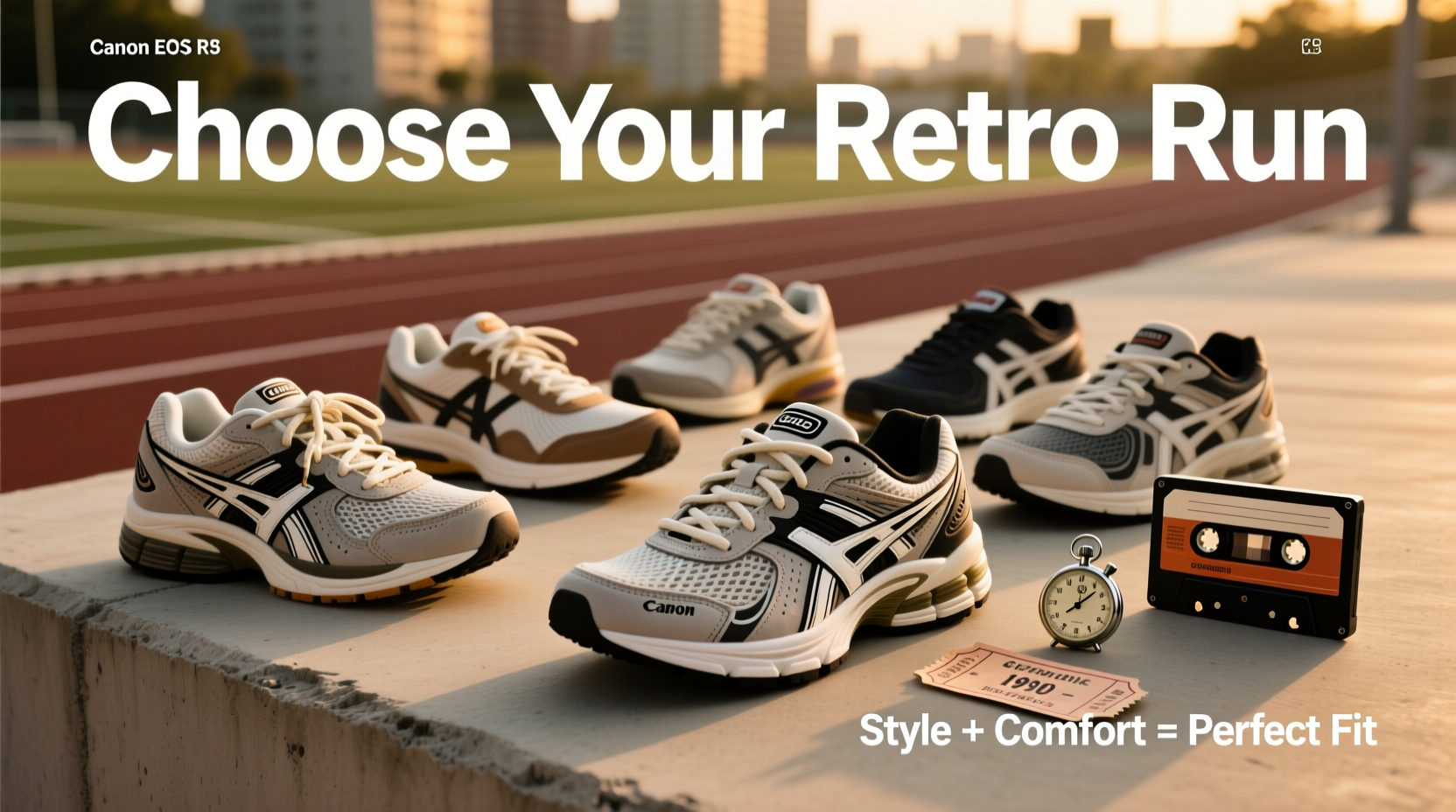
The term “retro” refers to footwear originally designed and released in past decades but re-released or reimagined for today’s market. These shoes often preserve their original silhouette, color blocking, and branding while incorporating updated materials and midsole technology for improved durability and comfort.
True retro running shoes are typically faithful reproductions of classic models such as the Nike Air Max 95, New Balance 550, Adidas Forum, or Asics Gel-Lyte III. Some brands release “OG” (original) colorways to honor specific eras, while others offer modernized versions with subtle upgrades like enhanced breathability or lighter outsoles.
“Retro doesn’t mean outdated. Many of these designs were ahead of their time—both aesthetically and technically.” — Marcus Lin, Footwear Historian & Curator at the International Sneaker Archive
Key Factors to Consider When Choosing Your Pair
Selecting the right retro running shoe requires more than just liking how it looks. Several functional aspects should influence your decision to ensure long-term satisfaction.
1. Foot Type and Gait Analysis
Your foot shape and walking pattern play a critical role in determining which retro model will serve you best. There are three primary foot types:
- Neutral arches: Most retro runners suit this type, especially those with balanced cushioning.
- Flat feet (overpronation): Look for retro styles with firmer medial support or consider adding custom orthotics.
- High arches (underpronation): Prioritize models with extra cushioning to absorb impact.
2. Intended Use
Ask yourself: Will you wear these shoes primarily for casual outings, light exercise, or extended walking? While retro runners are stylish, not all are built for high-impact activity. For example:
- Nike Cortez – Great for urban strolls, less ideal for running due to minimal heel support.
- Brooks Heritage Models – Often include DNA cushioning, suitable for all-day wear.
- Reebok Club C – Stylish but lacks dynamic responsiveness; better for fashion than fitness.
3. Sizing and Fit Consistency
Sizing varies significantly across brands and even within retro reissues. A size 9 in a 1980s Adidas may differ from its 2024 re-release due to updated lasts or manufacturing standards.
“I’ve seen customers return the same model twice because they didn’t realize the 2020 version runs half a size small.” — Lena Torres, Retail Manager at Sole Theory, NYC
Always consult brand-specific sizing charts and read user reviews focused on fit. When in doubt, try them on or order from retailers with flexible return policies.
Style Matching: How to Wear Retro Runners With Confidence
One of the greatest appeals of retro running shoes is their versatility in styling. They bridge the gap between athletic heritage and streetwear sophistication. To integrate them seamlessly into your wardrobe:
- Monochrome outfits: Let bold-colored retros stand out by pairing them with neutral clothing.
- Vintage-inspired looks: Combine '80s runners with cuffed jeans, oversized tees, and bomber jackets.
- Smart-casual ensembles: Clean white or beige retro sneakers elevate chinos and knit polos without looking overdressed.
| Shoe Model | Era | Best Style Match | Comfort Level (1–5) |
|---|---|---|---|
| Nike Air Force 1 | 1982 | Streetwear, athleisure | 4 |
| New Balance 990v5 | 2020 Reissue (Original: 1982) | Business casual, weekend errands | 5 |
| Puma Suede Classic | 1968 | Loose-fitting denim, vintage tees | 3 |
| Asics GT-2160 | 2011 (Inspired by '90s tech) | Active lifestyle, light jogging | 4 |
Step-by-Step Guide to Finding Your Ideal Pair
Follow this five-step process to make a confident, informed purchase:
- Assess your daily activities. Determine whether you need fashion-focused shoes or ones capable of handling miles of walking.
- Know your foot dimensions. Measure your feet at the end of the day when they’re slightly swollen for accuracy.
- Research authentic reissues. Stick to official releases from brand websites or authorized retailers to avoid counterfeits.
- Try before you buy—or read detailed reviews. If in-store trials aren’t possible, look for video unboxings and wear tests from trusted sources.
- Break them in gradually. Wear new retro runners for short periods initially to assess comfort and prevent blisters.
Mini Case Study: Emma Cho’s Search for All-Day Comfort
Emma, a graphic designer in Portland, wanted retro-style shoes she could wear during long studio hours. She loved the look of the Adidas Stan Smith but found them too rigid for prolonged standing. After researching, she switched to the New Balance 574—a retro model known for its ENCAP midsole support and breathable mesh upper.
“I was skeptical at first,” she said. “But after two weeks of wearing them daily, my lower back pain decreased. Now I own three colorways.” Her experience underscores an essential truth: aesthetics matter, but sustained comfort seals the deal.
Frequently Asked Questions
Are retro running shoes good for actual running?
Some models, particularly those with modern EVA foam or gel cushioning (like the Asics Gel-Kayano 14 retro edition), can handle light jogging. However, most retro releases prioritize style over performance. For serious running, opt for current technical models instead.
How do I verify if a retro shoe is an authentic reissue?
Check the product code, packaging details, and official brand website listings. Authentic pairs come with consistent stitching, correct logos, and accurate color dyes. Third-party authentication apps like Legit Check App can also help verify purchases.
Can I machine wash retro running shoes?
No. Machine washing can damage glue bonds, warp midsoles, and discolor fabrics. Instead, clean them manually using a soft brush, mild soap, and lukewarm water. Allow them to air-dry away from direct heat.
Final Checklist Before You Buy
- ✅ Measured both feet recently
- ✅ Identified primary use (casual, walking, light exercise)
- ✅ Researched brand reputation and fit tendencies
- ✅ Reviewed return policy in case of sizing issues
- ✅ Confirmed authenticity (especially for limited editions)
Conclusion: Step Into Style Without Sacrificing Comfort
The resurgence of retro running shoes offers a rare opportunity: to celebrate design legacy while enjoying modern advancements in footwear engineering. The perfect pair isn't just one that turns heads—it's one that supports your stride, fits your life, and reflects who you are.
Don’t settle for hype alone. Take the time to evaluate your needs, understand your feet, and choose thoughtfully. Whether you're revisiting a childhood favorite or discovering a classic for the first time, your ideal retro runner is out there waiting.
💬 Found your dream retro runner? Share your story, styling tips, or go-to model in the comments—help others step into their perfect fit!








