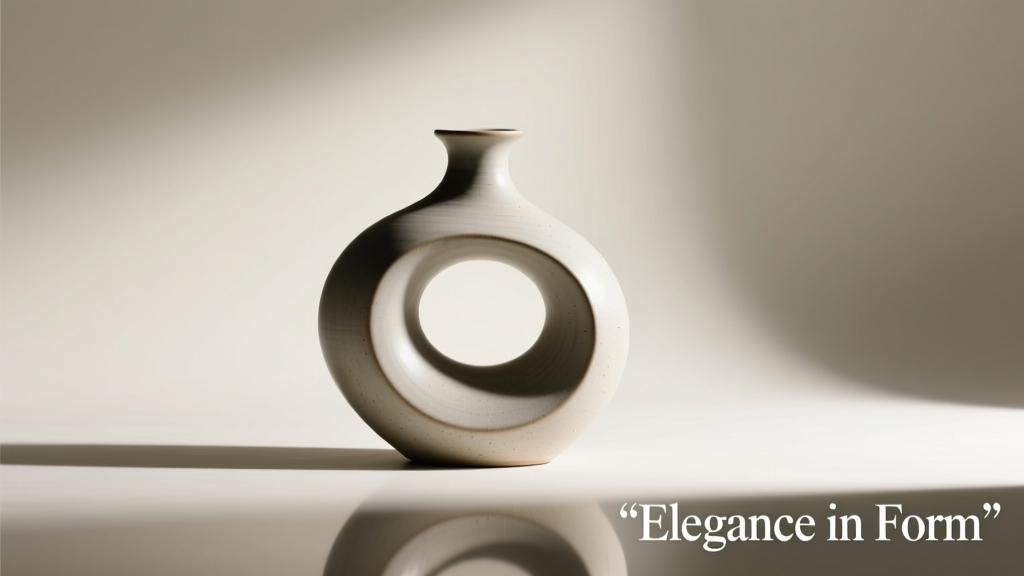
Types of 8 Fish Bowl Vases
Fish bowl vases are more than just decorative containers—they are versatile pieces that blend functionality with artistic expression. Whether used for aquatic life, indoor plants, or as standalone centerpieces, the right fish bowl vase enhances both the environment and the experience. Below is a comprehensive breakdown of the main types of 8-inch fish bowl vases, categorized by material, size, and shape, to help you make an informed choice based on your aesthetic, practical, and safety needs.
Glass
The most popular and traditional material, prized for its clarity and timeless elegance.
Advantages
- Crystal-clear visibility for showcasing fish or plants
- Chemically inert—safe for aquatic life
- Available in a wide range of colors and finishes
- Easy to clean and maintain
Limitations
- Heavy and fragile—prone to breakage if dropped
- Can scratch over time with abrasive cleaners
- Higher shipping cost due to weight
Best for: Classic home decor, aquariums, centerpiece displays
Acrylic
A lightweight, shatter-resistant alternative ideal for high-traffic or child-friendly spaces.
Advantages
- Extremely lightweight and portable
- Impact-resistant—won’t shatter like glass
- Great for outdoor or mobile displays
- Can be molded into complex shapes
Limitations
- Less clarity over time—can become cloudy
- More prone to scratching
- May yellow with prolonged UV exposure
Best for: Classrooms, homes with kids or pets, temporary installations
Metal
Offers a bold, industrial aesthetic—often used as outer frames or decorative holders.
Advantages
- Stylish and modern appearance
- Durable and corrosion-resistant (especially stainless steel)
- Can double as a stand or support for glass inserts
- Excellent for themed or contemporary interiors
Limitations
- Not typically used as a standalone water container
- Potential for rust (in non-stainless metals)
- Conducts heat—can affect water temperature
Best for: Decorative accents, modern interiors, mixed-media designs
Ceramic & Porcelain
Artistic and handcrafted options that elevate the vase into a sculptural piece.
Advantages
- Unique, hand-painted designs available
- Excellent for dry floral or succulent arrangements
- Heavy base provides stability
- Adds cultural or artisanal flair
Limitations
- Often not watertight unless glazed properly
- Very heavy and fragile
- Limited visibility—not ideal for fish
Best for: Dry arrangements, succulents, artistic home decor
Size: Choosing the Right Scale
The standard 8-inch fish bowl vase is a popular size due to its compact footprint and versatile use. At approximately 8 inches in diameter, it strikes a perfect balance between visibility and space efficiency.
- Capacity: Typically holds 2–3 gallons, suitable for small betta fish, snails, or a few aquatic plants.
- Space-Saving: Ideal for desks, shelves, nightstands, or small apartments.
- Design Flexibility: Large enough for creative aquascaping, yet small enough to avoid overwhelming a room.
- Considerations: Not recommended for active or social fish species requiring more swimming space. Always ensure proper filtration and regular water changes for live inhabitants.
Shape: Form Meets Function
The shape of an 8-inch fish bowl vase dramatically influences both aesthetics and usability.
Round/Classic
Traditional spherical design with smooth, curved walls.
- Provides 360° viewing
- Ideal for fish with circular swimming patterns
- Classic look complements most interiors
- May distort vision at edges due to refraction
Square/Rectangular
Modern, angular design with flat sides.
- Easier to clean and maintain
- Maximizes surface area for gas exchange
- Fits neatly into corners or shelves
- Less optical distortion than round bowls
Unique Shapes (Hexagon, Twisted, Bubble)
Artistic and unconventional forms for standout displays.
- Acts as a conversation piece or focal point
- Offers creative aquascaping opportunities
- May limit swimming space or cleaning access
- Best for decorative use or experienced hobbyists
| Material | Durability | Clarity | Safety | Best Use Case |
|---|---|---|---|---|
| Glass | Medium | Excellent | High (if handled carefully) | Aquariums, plant displays, centerpieces |
| Acrylic | High | Good (may degrade) | Very High (shatterproof) | Kids’ rooms, schools, travel displays |
| Metal | High | Poor (usually not transparent) | Medium (check for rust) | Decorative stands, modern interiors |
| Ceramic/Porcelain | Low–Medium | Poor | Medium (only if glazed) | Dry arrangements, succulents, art pieces |
Expert Tip: For 8-inch fish bowl vases housing live fish, always include a small filtration system or perform weekly water changes. Even small volumes can quickly accumulate toxins. Consider adding live plants like anacharis or java moss to naturally improve water quality and aesthetics.
Designs of 8 Fish Bowl Vases: Creative & Functional Ideas for Modern Spaces
Fish bowl vases are more than just decorative glass containers—they are versatile design elements that blend aesthetics with functionality. From self-sustaining ecosystems to artistic candle displays, these spherical wonders can be transformed into captivating centerpieces, air purifiers, or even wall art. Whether you're decorating a cozy apartment, a minimalist office, or a vibrant living room, fish bowl vases offer endless possibilities. Below are four innovative and increasingly popular designs that elevate the traditional fish bowl into a statement piece of interior design.
1. Self-Sustaining Aquarium Vases: Nature in Balance
A self-sustaining aquarium vase is a closed-loop aquatic ecosystem engineered to support fish and aquatic plants with minimal human intervention. These vases mimic natural ecological cycles, where fish waste provides essential nutrients for plants, and in turn, the plants filter the water and oxygenate the environment through photosynthesis.
Equipped with energy-efficient LED lighting that simulates natural daylight, these vases promote healthy plant growth and maintain water clarity. The absence of soil and reduced need for water changes makes them ideal for clean, modern interiors. Beyond their visual appeal, self-sustaining aquarium vases act as natural air purifiers, enhancing indoor air quality while promoting mental well-being through their calming, meditative presence.
Perfect for beginners and eco-conscious decorators, these vases require only occasional monitoring of water levels and light cycles, making them a truly low-maintenance yet dynamic addition to any space.
2. Terrariums in Fishbowl Vases: Miniature Landscapes in Glass
Fishbowl vases aren’t limited to aquatic life—when repurposed as terrariums, they become enchanting homes for soil-based plants. By replacing water with a layered substrate of gravel, activated charcoal, and potting mix, these vases support a variety of terrestrial flora, including tropical ferns, air plants, succulents, mosses, and even small cacti.
The enclosed glass environment creates a microclimate that retains humidity, reducing the need for frequent watering. This makes fishbowl terrariums especially suitable for humidity-loving plants and dry environments. The spherical shape magnifies the plants inside, creating a "living sculpture" effect that draws attention and adds a touch of nature to desks, shelves, or entryways.
Known as fishbowl vase terrariums, these designs are celebrated for their artistic flexibility and air-purifying qualities. With thoughtful arrangement and decorative elements like colored stones, driftwood, or miniature figurines, each terrarium becomes a unique expression of personal style and botanical creativity.
3. Fish Bowl Candle Holders: Ambient Glow Meets Aquatic Beauty
Merging the soft glow of candlelight with the reflective properties of water and glass, fish bowl candle holders create a mesmerizing ambiance. This design typically features a floating candle—such as a tealight or votive—placed in the center of the bowl, surrounded by layers of decorative stones, glass beads, and aquatic plants like water wisteria, duckweed, or floating ferns.
As the candle flickers, its light dances across the water’s surface and refracts through the curved glass, casting gentle ripples and shadows on surrounding walls. This effect transforms any room into a serene retreat, ideal for relaxation, meditation, or romantic settings.
Fish bowl candle holders are popular for special occasions such as weddings, dinner parties, or spa-like bathrooms. For safety, flameless LED candles are often used when children or pets are present. Whether used solo or in clusters, these holders blend elegance with simplicity, making them a timeless decorative choice.
4. Wall-Mounted Fish Bowl Vases: Vertical Living Art
Wall-mounted fish bowl vases redefine space utilization by turning vertical surfaces into living art installations. Designed with secure brackets or integrated wall mounts, these vases can house small fish, aquatic plants, or even air plants and moss in a terrarium setup.
Perfect for compact apartments, hallways, or modern offices, wall-mounted vases maximize space while adding movement and life to otherwise unused walls. Positioned at eye level, they become focal points that invite closer inspection and interaction. Trailing aquatic plants like Java moss or floating species enhance the visual depth and organic flow of the display.
These vases are not only functional but also serve as conversation starters and artistic statements. With proper sealing and structural support, they offer a safe and stable environment for aquatic life while contributing to biophilic design principles—connecting people with nature in urban environments.
| Design Type | Best For | Maintenance Level | Key Benefits |
|---|---|---|---|
| Self-Sustaining Aquarium | Beginners, eco-lovers, offices | Low | Self-cleaning, air purification, stress reduction |
| Fishbowl Terrarium | Indoor plant lovers, creative decorators | Very Low | Humidity control, no watering needed, artistic display |
| Fish Bowl Candle Holder | Events, relaxation spaces, décor accents | Minimal | Ambient lighting, visual appeal, versatile use |
| Wall-Mounted Vase | Small spaces, modern interiors, living walls | Moderate | Space-saving, artistic, enhances biophilic design |
Important: When designing fish bowl vases for live plants or animals, always ensure proper ventilation, lighting, and temperature control. Overcrowding or improper sealing can lead to mold, algae overgrowth, or harm to aquatic life. Use only aquarium-safe materials and consult care guides specific to your chosen plants or fish species. For candle holders, never leave open flames unattended and consider using LED alternatives for safety.
8 Creative Scenarios for Fish Bowl Vases
Fish bowl vases are remarkably versatile decorative vessels that blend functionality with aesthetic appeal. Their transparent, rounded design makes them ideal for a wide range of creative and practical applications across homes, offices, events, and educational environments. Whether used as living ecosystems, artistic centerpieces, or sustainable mini-gardens, fish bowl vases enhance spaces with beauty, tranquility, and innovation.
1. Home Decor – Living Art in Every Room
Fish bowl vases serve as dynamic living art pieces that elevate residential interiors. Their adaptability allows them to be styled differently depending on the room and desired ambiance.
- Living Room: Stocked with colorful fish like bettas or guppies and live aquatic plants such as anubias or java fern, they create a mesmerizing focal point that promotes relaxation and mindfulness.
- Dining Area: Used as fishbowl centerpieces, they can be filled with fresh flowers—orchids, lilies, or roses—floating on water or arranged with floral foam for elegant dinner settings.
- Bathroom: Smaller bowls with sand, pebbles, and low-maintenance air plants or succulents add a spa-like, serene atmosphere without requiring soil or frequent watering.
- Seasonal Displays: Decorated with LED candles, pinecones, fairy lights, or holiday-themed ornaments, they transform into festive centerpieces for Christmas, Halloween, or Valentine’s Day.
Design Tip: Use colored stones, driftwood, or themed figurines to personalize the look and match your interior décor style.
2. Office Spaces – Enhancing Productivity & Wellbeing
In professional environments, fish bowl vases contribute to improved mental focus, reduced stress, and a more inviting workspace.
- Small desktop aquariums with calming fish (e.g., betta fish) and live plants help reduce anxiety and increase concentration during long work hours.
- Centerpiece bowls in meeting rooms or lobbies—filled with floating candles or seasonal blooms—add elegance and warmth to corporate settings.
- In offices with limited natural light, artificial floral arrangements in fish bowls provide vibrant color and life without maintenance.
- The gentle movement of fish has been shown to lower blood pressure and improve mood, making them excellent additions to high-stress work environments.
Wellness Insight: Studies suggest that viewing aquariums can reduce workplace stress by up to 20%, boosting overall employee wellbeing.
3. Sustainable Aquaponics Systems – Mini Indoor Gardens
Fish bowl vases can function as self-sustaining aquaponic ecosystems, combining aquaculture and hydroponics in a compact, eco-friendly setup.
- Fish waste provides natural nutrients for plants, eliminating the need for chemical fertilizers.
- Plants like basil, mint, parsley, and lettuce thrive in these environments, growing in a mesh basket or lid above the waterline.
- The system creates a closed-loop environment: plants filter the water, which is then recirculated for the fish.
- Ideal for urban dwellers or those with limited space who want to grow fresh herbs indoors year-round.
Eco-Benefit: These mini-farms reduce food miles, promote sustainability, and teach principles of circular ecosystems.
4. Gifts & Giveaways – Thoughtful and Personalized
Fish bowl vases make memorable, customizable gifts for birthdays, housewarmings, anniversaries, and special occasions.
- Personalized with seeds, air plants, or small succulents for plant lovers.
- Enhanced with tea lights or fairy lights for romantic gestures or wedding favors.
- Filled with candies, chocolates, or mini bottles for celebratory events like baby showers or retirement parties.
- Used as guest favors at weddings—each guest receives a tiny fish bowl with a note, flower, or symbolic item inside.
Creative Idea: Pair with a handwritten care card or a custom label to add a personal touch and increase sentimental value.
5. Educational Purposes – Hands-On Learning Tools
In classrooms and learning centers, fish bowl vases serve as interactive tools for teaching biology, ecology, and responsibility.
- Students observe the nitrogen cycle, photosynthesis, and food chains in real time.
- Caring for fish teaches responsibility, routine, and empathy toward living creatures.
- Teachers use the ecosystem to explain water conservation, pollution effects, and biodiversity.
- Can be paired with journals or science projects where students document growth, behavior, and changes over time.
Curriculum Link: Aligns with STEM and environmental science standards for elementary and middle school education.
6. Wedding & Event Centerpieces
Fish bowl vases are increasingly popular as elegant, reusable centerpieces for weddings, receptions, and formal events.
- Filled with floating candles, rose petals, and orchids for a romantic ambiance.
- Styled with sand, seashells, and fairy lights for beach or tropical-themed events.
- Used as escort card holders—names attached to small tags floating inside or placed beside the bowl.
- Double as guest favors when filled with mini plants or treats.
Pro Tip: Use LED candles instead of real flames for safety and longer-lasting illumination.
7. Therapeutic & Mindfulness Applications
The calming effect of watching fish or flowing water makes fish bowl vases valuable in therapeutic settings.
- Used in counseling offices, meditation rooms, or senior care facilities to promote relaxation.
- Help individuals with anxiety, ADHD, or autism focus through gentle visual stimulation.
- Combine with soft lighting and soothing music for a full sensory relaxation station.
- Encourage mindfulness by prompting users to focus on the movement of water and life within the bowl.
Health Note: The American Heart Association notes that viewing aquariums can lower heart rate and blood pressure.
8. Retail & Display Use
Businesses leverage fish bowl vases for eye-catching product displays and brand storytelling.
- Boutiques use them to showcase jewelry, cosmetics, or artisan goods in creative arrangements.
- Cafés and restaurants style them with herbs or edible flowers that double as garnishes.
- Spas use them with essential oils, floating petals, and candles to enhance the sensory experience.
- Pop-up shops use themed bowls (e.g., mermaid, forest, galaxy) to attract attention and social media shares.
Marketing Edge: Unique displays increase dwell time and customer engagement, leading to higher sales conversion.
Expert Recommendation: When styling a fish bowl vase, balance aesthetics with functionality. For living setups, ensure proper filtration, lighting, and space for fish to thrive. For decorative use, consider durability, ease of cleaning, and theme consistency. Always match the design to the environment—serene for bedrooms, vibrant for parties, and professional for offices.
| Scenario | Best Contents | Recommended Size | Maintenance Level |
|---|---|---|---|
| Home Decor (Living Room) | Fish + live plants + decor stones | 2–5 gallons | Moderate |
| Dining Centerpiece | Flowers + floating candles | 1–3 gallons | Low |
| Aquaponics System | Fish + herbs (basil, mint) | 3+ gallons | Moderate-High |
| Wedding Favor | Succulent + note + ribbon | 0.5–1 gallon | Very Low |
| Educational Use | Fish + plants + gravel | 2–4 gallons | Moderate |
| Office Decor | Betta fish + LED light | 1–2 gallons | Low-Moderate |
Additional Tips for Maximizing Fish Bowl Vase Use
- Material Quality: Opt for thick, shatter-resistant glass or acrylic for safety and clarity.
- Lighting: Use submersible LED lights to enhance visual appeal and support plant growth.
- Cleaning: Regular water changes and algae scraping keep the bowl looking pristine.
- Fish Care: Avoid overstocking—betta fish thrive alone in small bowls; goldfish need larger tanks.
- Theme Consistency: Match colors and elements to the occasion (e.g., blue/white for winter, red/pink for romance).
Specification & Maintenance of 8 Fish Bowl Vases
Properly understanding the specifications and maintenance of fish bowl vases is essential for ensuring the longevity, visual appeal, and health of aquatic life or plants within. Whether used as a home for fish, a planted terrarium, or a decorative centerpiece, the right setup and care routine can transform a simple glass bowl into a thriving micro-ecosystem. This guide covers the key factors in selecting, maintaining, and optimizing fish bowl vases for both aesthetic beauty and biological sustainability.
Important Note: Fish bowls are often criticized by animal welfare experts for being too small and lacking proper filtration for most fish species. For long-term fishkeeping, larger tanks (5+ gallons) with filtration are strongly recommended. However, with careful management, small bowls can be suitable for certain low-maintenance species or temporary housing.
Key Specifications and Maintenance Guidelines
- Size and Depth
The size and depth of a fish bowl vase significantly influence the well-being of its inhabitants. While bowls come in various diameters—typically ranging from 5 to 16 inches—the depth should allow sufficient vertical space for fish to swim comfortably and for root development in aquatic plants.
For small fish like bettas or guppies, a bowl with a minimum diameter of 12 inches (holding approximately 2–3 gallons) is recommended to reduce stress and support natural behavior. Overcrowding in undersized bowls can lead to oxygen depletion, stunted growth, and increased aggression. If combining fish with live plants, ensure the bowl has adequate volume to support both biological loads and root systems.
Shallow bowls (under 6 inches deep) are better suited for non-aquatic terrarium-style arrangements with moisture-loving plants such as pothos or lucky bamboo, which can thrive with their roots submerged while the foliage remains above water.
- Filtration and Aeration
Unlike larger aquariums, most traditional fish bowls lack built-in filtration and aeration systems, making water quality management more challenging. However, small submersible filters or sponge filters powered by air pumps can be added to maintain clean, oxygen-rich water.
For fish-inhabited bowls, gentle aeration is crucial—especially for species like bettas that require surface access but benefit from mild water movement. Avoid strong currents that may stress or exhaust fish. Internal filters with adjustable flow rates are ideal.
Maintenance Tip: Perform partial water changes regularly—10–15% daily for small bowls (under 2 gallons), and 25–30% weekly for larger ones (3+ gallons). Use a siphon or turkey baster to remove debris from the bottom without fully draining the bowl.
- Cleaning and Hygiene
Regular cleaning prevents algae buildup, waste accumulation, and bacterial overgrowth. Clean the interior glass weekly using a soft sponge or algae pad. Never use soap, detergents, or chemical cleaners, as even trace residues can be toxic to fish and plants.
Rinse the bowl thoroughly with dechlorinated water only. If using substrate (gravel or decorative stones), gently vacuum during water changes to remove trapped debris. For planted arrangements, prune dead leaves and spent flowers promptly to prevent decay and foul odors.
In soil-based terrarium setups, replace the top layer of soil every 4–6 weeks and inspect root health to prevent rot. Always wash hands before handling internal components to avoid introducing contaminants.
- Water Quality Management
Water quality is one of the most critical factors in maintaining a healthy environment. Tap water contains chlorine and chloramine, which are harmful to fish and beneficial bacteria. Always treat new water with a quality water conditioner before adding it to the bowl.
Allowing tap water to sit for 24 hours removes chlorine but not chloramine—so a conditioner is still necessary. For sensitive plants or fish, consider using distilled or spring water blended with tap water to achieve optimal mineral balance (general hardness of 4–8 dGH is ideal for most tropical species).
Test water parameters periodically using an aquarium test kit. Monitor pH (ideal range: 6.5–7.5), ammonia (should be 0 ppm), and nitrite (0 ppm). Elevated levels indicate poor cycling or overfeeding and require immediate action.
- Lighting Requirements
Natural, indirect sunlight is beneficial for plant growth but must be carefully managed. Direct sunlight accelerates algae blooms, turning the water green and reducing oxygen levels. Place the bowl in a bright room away from south-facing windows or use sheer curtains to diffuse light.
For consistent and controlled illumination, especially in low-light interiors, use low-power LED grow lights designed for small containers. Aim for 12–14 hours of light per day to support photosynthesis without encouraging excessive algae. Timers can help automate lighting schedules and maintain stability.
In terrarium-style fish bowls with semi-aquatic plants (e.g., peace lilies, spider plants), ensure the aerial parts receive adequate ambient room light, while roots remain in water. Rotate the bowl occasionally to promote even growth.
| Factor | Recommended Standard | Common Issues | Solutions & Tools |
|---|---|---|---|
| Size (Diameter) | 12+ inches for fish; 6+ inches for plants | Overcrowding, stress, poor growth | Upgrade to larger container; limit inhabitants |
| Water Changes | 10–15% daily (small), 25–30% weekly (large) | Ammonia spikes, cloudy water | Siphon, dechlorinator, water test kit |
| Filtration | Mini sponge filter or air-driven system | Stagnant water, low oxygen | Submersible filter, air pump, airstone |
| Lighting | 12–14 hrs/day indirect or LED light | Algae overgrowth, leggy plants | LED grow light, timer, shade placement |
| Cleaning | Weekly interior wipe, monthly deep clean | Odors, biofilm, debris buildup | Soft sponge, gravel vacuum, rinse water only |
Pro Tip: Consider creating a "maintenance log" to track water changes, feeding, plant pruning, and any observed behaviors. This helps identify patterns early and ensures consistency in care, especially when managing multiple fish bowl vases.
Additional Recommendations for Long-Term Success
- Choose hardy, low-light plants like Java fern, Anubias, or moss balls for aquatic setups.
- Avoid overfeeding fish—small portions once daily are sufficient; excess food decays and pollutes water.
- Use smooth, rounded decorations to prevent injury to fish and snagging of fins.
- Keep bowls away from drafts, heaters, or air conditioning units to maintain stable water temperature.
- For decorative bowls without fish, incorporate activated charcoal in the water to slow bacterial growth and odor.
Ultimately, the success of a fish bowl vase depends on thoughtful selection, consistent maintenance, and respect for the biological needs of its inhabitants. While they offer elegant simplicity, they require diligent care to remain healthy and beautiful. When in doubt, prioritize the well-being of living organisms by upgrading to more suitable environments as needed.
Frequently Asked Questions About Fish Bowl Vases
Q. Are fish bowl vases suitable for all types of fish?A. Fish bowl vases are not suitable for all fish species. They work best for small, low-maintenance fish that thrive in calm, still water with minimal current. Ideal candidates include:
- Betta Fish: Known for their vibrant colors and ability to breathe air directly from the surface, making them well-suited for smaller, shallow environments.
- Guppies: Hardy and colorful, these small livebearers do well in stable, warm water conditions typical of fish bowls.
- White Cloud Mountain Minnows: A cold-water alternative that prefers peaceful settings and doesn’t require a heater in moderate climates.
However, fish that require deeper water, strong filtration, or high oxygen levels—such as goldfish (despite common misconceptions), sharks, cichlids, or fast-swimming species like tetras—are not recommended for traditional fish bowls. Goldfish, for example, produce a lot of waste and grow much larger than many realize, leading to poor health and stunted growth in confined spaces.
Always consider the adult size, temperament, and environmental needs of any fish before placing them in a bowl. For long-term health, larger, filtered aquariums are generally a better choice.
Q. What plants are ideal for an 8-inch fish bowl vase containing aquatic greenery?A. An 8-inch fish bowl vase offers enough space to incorporate both aesthetic appeal and functional benefits through carefully selected aquatic plants. These plants help oxygenate the water, absorb nitrates, and provide shelter for fish. Some of the most ideal and beginner-friendly options include:
- Water Wisteria (Hygrophila difformis): A fast-growing, floating or submerged plant that thrives in low to moderate light and helps reduce algae by competing for nutrients.
- Hornwort (Ceratophyllum demersum): A hardy, free-floating submerged plant that requires no substrate and provides excellent cover for small fish and fry.
- Pothos (Epipremnum aureum): Often mistaken as "Pacis," pothos is a popular choice—its roots grow in water while the leaves trail above the surface, absorbing nitrates and improving water quality.
- Amazon Sword (Echinodorus grisebachii): Known for its broad, lush green leaves, this plant adds a natural look and can be planted in a small container of aquarium soil at the bottom of the bowl.
When selecting plants, ensure they won’t overcrowd the bowl. Regular pruning helps maintain balance and prevents oxygen depletion at night. Avoid invasive species that may dominate the environment.
Q. How can algae be prevented in a fish bowl vase?A. Algae growth is a common challenge in fish bowl vases due to limited water volume, poor filtration, and exposure to excess light. While some algae are normal and even beneficial, overgrowth can cloud the water and stress aquatic life. To prevent excessive algae:
- Control Lighting: Limit light exposure to 6–8 hours per day. Avoid placing the bowl in direct sunlight, which accelerates algae blooms.
- Perform Regular Water Changes: Replace 20–30% of the water weekly to remove excess nutrients like nitrates and phosphates that fuel algae growth.
- Remove Uneaten Food and Debris: Use a siphon or turkey baster to clean leftover food and waste promptly, as decaying matter contributes to nutrient buildup.
- Add Algae-Competing Plants: Live plants absorb the same nutrients as algae, helping to keep it in check.
- Use Algae-Eating Species Sparingly: In small bowls, even small creatures like snails or shrimp can overpopulate or create more waste. Use them cautiously and only if compatible with your fish.
Consistent maintenance and balanced conditions are key to keeping your fish bowl clear, healthy, and visually appealing.
Q. Can a fish bowl vase be kept indoors?A. Yes, fish bowl vases are designed specifically for indoor use and can make beautiful, serene additions to homes, offices, or classrooms. When kept indoors, you have greater control over environmental factors such as temperature, lighting, and noise levels.
To ensure success indoors:
- Stable Temperature: Keep the bowl away from drafts, heaters, or air conditioners to maintain a consistent water temperature suitable for your fish species.
- Supplemental Lighting: If natural light is insufficient, use a small LED grow light to support plant growth without overheating the water. Timers can help regulate light duration.
- Aesthetic Integration: Choose a location where the bowl enhances your décor—on a shelf, desk, or side table—while remaining accessible for feeding and maintenance.
- Low-Traffic Areas: Place the bowl where it won’t be easily bumped or disturbed, especially if children or pets are present.
With proper care, an indoor fish bowl vase can create a calming, living centerpiece that brings nature into your personal space.









