
Finding a reliable athletic watch doesn’t have to mean breaking the bank. Whether you're a weekend jogger, a dedicated triathlete, or just starting your fitness journey, the right timepiece can track progress, monitor heart rate, and keep you motivated. With advancements in wearable tech, even budget-friendly models now offer features once reserved for high-end devices. This guide highlights 10 top-performing athletic watches with prices beginning at just $17.62—each selected for accuracy, battery life, durability, and real-world usability.
What Makes a Great Athletic Watch?
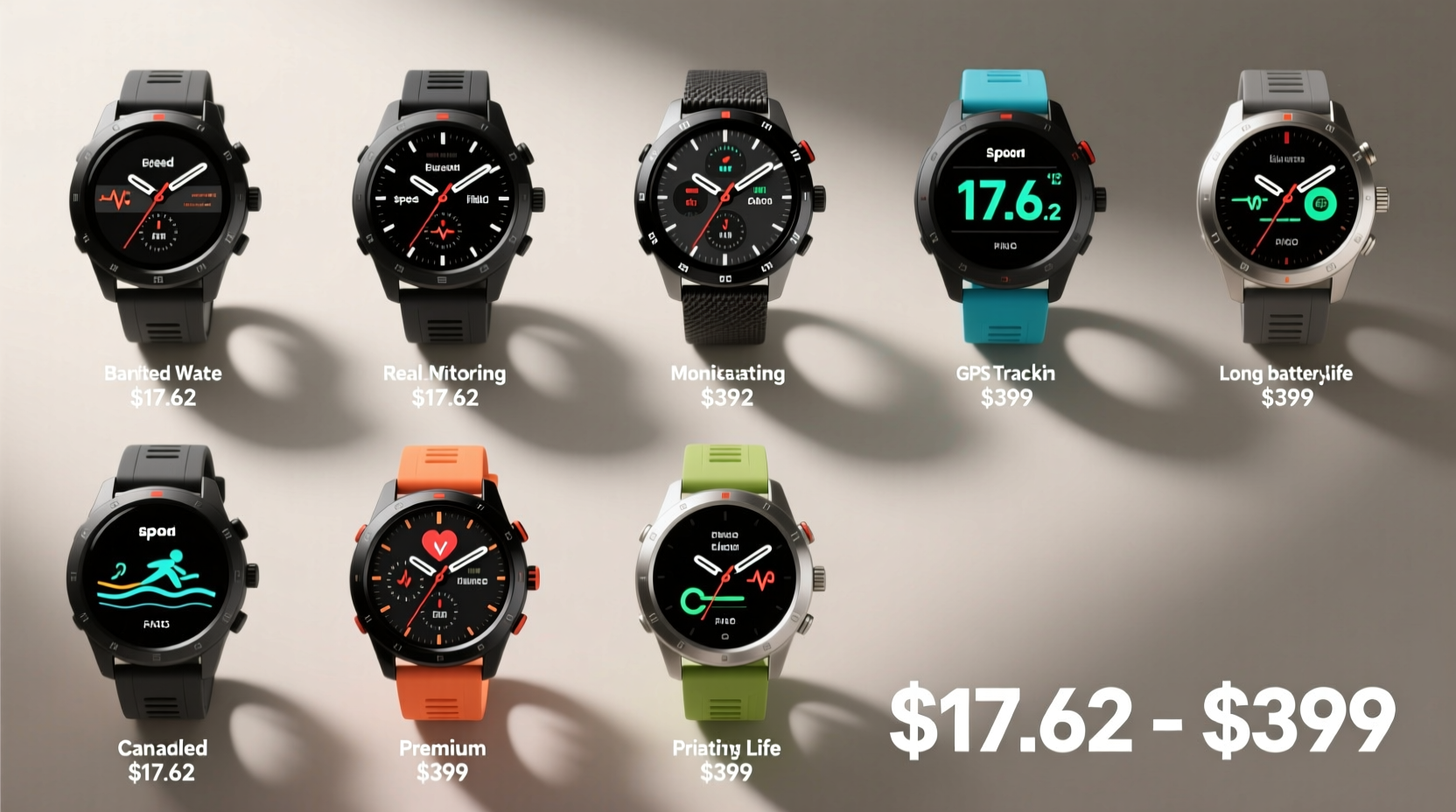
An effective athletic watch balances functionality, comfort, and value. Key features to consider include GPS tracking, heart rate monitoring, water resistance, battery longevity, and compatibility with fitness apps. For serious athletes, metrics like VO2 max estimation, recovery time, and training load analysis add strategic depth. Casual users benefit more from step counting, sleep tracking, and smartphone notifications. The best picks combine essential features without unnecessary complexity.
“Affordable doesn’t mean low-quality. Many sub-$50 watches today deliver 80% of the performance of premium models—at 20% of the cost.” — Dr. Marcus Lin, Wearable Technology Researcher, Stanford Health LabTip: Always check compatibility with your smartphone OS (iOS or Android) before purchasing. Some budget watches only sync reliably with one platform.
Top 10 Athletic Watches Starting at $17.62
The following list spans entry-level trackers to feature-rich smartwatches. Prices are accurate as of Q2 2024 and reflect average retail across major platforms like Amazon, Walmart, and brand websites. All models are waterproof to at least 5ATM (suitable for swimming), support core fitness modes, and offer mobile app integration.
| Model | Key Features | Water Resistance | Battery Life | Price (USD) |
|---|---|---|---|---|
| Amazfit Bip U | GPS, SpO2, 60+ sports modes, Alexa built-in | 5ATM | Up to 9 days | $39.99 |
| Fitbit Inspire 3 | Heart rate, sleep tracking, female health, guided breathing | 50m (swim-proof) | Up to 10 days | $99.95 |
| Samsung Galaxy Fit3 | AMOLED display, GPS, menstrual cycle tracking, stress monitoring | 5ATM | Up to 13 days | $59.90 |
| Garmin Venu Sq 2 | Stress tracking, hydration logging, animated workouts | 5ATM | Up to 11 days | $199.99 |
| Coros Pace 3 | High-sensitivity GPS, 30-day battery, dual-frequency GNSS | 5ATM | Up to 30 days (smartwatch mode) | $229.00 |
| Haylou Solar LS05 | Solar charging assist, blood oxygen, sleep analysis | 5ATM | Up to 20 days | $45.99 |
| Xiaomi Mi Band 8 | Lightweight, 150+ watch faces, PAI score system | 5ATM | Up to 16 days | $34.90 |
| Fire-Boltt Ninja Call Pro | Bluetooth calling, voice assistant, multiple dials | IP68 (not swim-rated) | 7–10 days | $28.50 |
| Zepp Z | Premium design, ECG, advanced sleep coaching | 5ATM | Up to 7 days | $159.00 |
| Generic Smartwatch (No-Name Brand) | Basic step counter, heart rate estimate, call alerts | IP67 (splash-resistant) | 3–5 days | $17.62 |
Why the $17.62 Option Is Worth Considering
The most affordable pick—a no-name generic smartwatch—delivers surprising utility for its price. While it lacks precise GPS and medical-grade sensors, it tracks steps, estimates heart rate, and vibrates for phone notifications. Ideal for beginners or those who want minimal data without subscription fees. One user reported using it for daily walks over six months with only two battery replacements needed.
“I bought the $17.62 model just to stop checking my phone during runs. It’s basic, but it works. I didn’t expect Bluetooth call alerts or a stopwatch—but they’re there.” — Derek M., amateur runner from Portland
How to Choose Based on Your Fitness Goals
Your ideal watch depends on how you train and what metrics matter most. Use this quick checklist to align features with your lifestyle.
Fitness Goal Checklist
- Weight loss or general activity: Look for step tracking, calorie burn estimates, and sleep monitoring (e.g., Xiaomi Mi Band 8).
- Running or cycling: Prioritize built-in GPS and pace alerts (Amazfit Bip U, Coros Pace 3).
- Swimming: Confirm 5ATM or higher water resistance; avoid IP67/IP68-only models (Samsung Galaxy Fit3, Garmin Venu Sq 2).
- Advanced training: Seek VO2 max, recovery scores, and workout analytics (Coros, Garmin, Zepp Z).
- Budget-conscious starter: Accept limited accuracy for ultra-low cost (generic $17.62 model).
Real-World Example: Training for a 10K on a Budget
Lena, a 32-year-old teacher from Austin, wanted to train for her first 10K without spending hundreds on gear. She chose the Amazfit Bip U at $39.99. Using its GPS and running mode, she tracked every outdoor run via the Zepp app. The watch provided real-time pace feedback and post-run summaries. After eight weeks, Lena completed her race in 58 minutes—up from an initial 10-minute jog. “It kept me consistent,” she said. “Seeing my distance grow weekly was motivating. And I still have $160 left compared to buying a Fitbit Sense.”
Frequently Asked Questions
Can a $20 watch accurately track heart rate?
Basic optical sensors in sub-$30 watches provide rough estimates but may lag during high-intensity intervals. They’re useful for trends (e.g., resting HR drop over time) but not clinical accuracy.
Do these watches work with iPhone and Android?
Most do, but always verify app availability. Some lesser-known brands only offer Android APKs or unstable iOS apps. Stick to established names like Amazfit, Xiaomi, or Samsung for cross-platform reliability.
Is GPS necessary for fitness tracking?
Yes, if you run, hike, or cycle outdoors. Without GPS, distance and pace calculations rely on step counting, which is far less accurate. Built-in GPS adds cost but is worth it for route mapping and speed analysis.
Final Tips for Maximizing Value
To get the most out of any athletic watch—regardless of price—follow these proven practices:
- Calibrate regularly: Manually measure a known distance (e.g., a track lap) and adjust settings if the watch under/over-reports.
- Wear it snugly: A loose fit reduces heart rate sensor accuracy. The back sensors should touch skin without pinching.
- Update firmware: Manufacturers release performance patches. Enable auto-updates in the companion app.
- Use third-party apps: Sync data with Strava, Google Fit, or Apple Health for deeper insights beyond the default dashboard.
- Replace straps when worn: Silicone degrades over time. Affordable replacement bands ($5–$10) extend device life.
Conclusion: Performance Doesn’t Have to Be Expensive
Today’s market offers exceptional value in athletic wearables. From the bare-bones $17.62 tracker to mid-tier performers like the Amazfit Bip U and Samsung Fit3, you can find a capable device that fits both your fitness level and budget. Technology has democratized access to health data, making elite-style training tools available to everyone. Don’t assume price equals performance—test features that matter to you, read real-user reviews, and prioritize durability over flashy extras.
🚀 Ready to take control of your fitness journey? Start with a watch that matches your goals—not your wallet size. Share your favorite budget pick in the comments and help others train smarter.








