Yellow discoloration at the tips of the nails is a common concern that affects both fingernails and toenails. While it may seem like a minor cosmetic issue at first, persistent yellowing can signal underlying health conditions or long-term damage. Understanding the root causes—ranging from fungal infections to lifestyle habits—is essential for choosing the right treatment and preventing recurrence. This guide explores the science behind yellow nail tips, evidence-based remedies, and practical steps to maintain strong, healthy nails.
Common Causes of Yellow Nails at the Tips
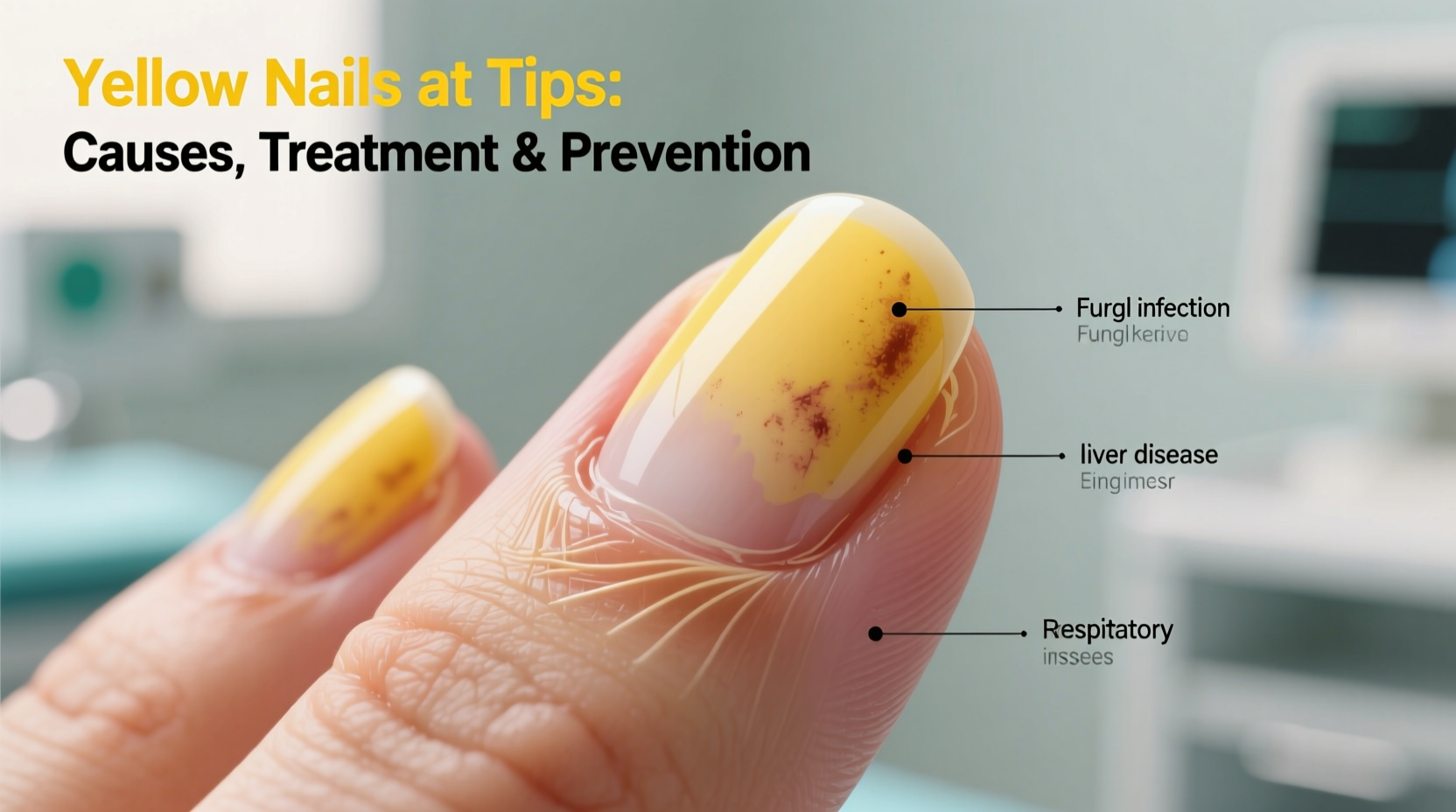
Yellowing at the nail tips isn't always due to poor hygiene. Several factors contribute to this condition, some more serious than others. Identifying the cause is the first step toward effective treatment.
- Fungal Infections (Onychomycosis): The most frequent medical cause, especially in toenails. Fungi thrive in warm, moist environments and gradually invade the nail bed, leading to thickening, brittleness, and yellow or brown discoloration starting at the tip.
- Nail Polish Staining: Regular use of dark or red polishes without a base coat can lead to pigment absorption into the nail plate, particularly noticeable at the free edge.
- Aging: As we age, nails grow slower and become more porous, making them prone to staining and yellowing over time.
- Smoking: Nicotine and tar from cigarettes can stain nails, with yellow buildup most visible at the fingertips where contact with smoke is greatest.
- Lung or Liver Conditions: Chronic respiratory diseases like bronchitis or liver dysfunction can manifest as nail discoloration, including yellow tones.
- Psoriasis or Thyroid Disease: These systemic conditions often affect nail structure and color, sometimes mimicking fungal symptoms.
Effective Treatment Options
Treatment depends on the underlying cause. Self-care methods may suffice for cosmetic staining, but medical intervention is often necessary for infections or health-related changes.
Fungal Infections
Topical antifungals such as ciclopirox are applied daily but have limited penetration. Oral medications like terbinafine or itraconazole are more effective but require monitoring due to potential liver side effects. Treatment duration ranges from 6 to 12 weeks for fingernails and up to a year for toenails due to slower growth.
Nail Polish Stains
Discontinue use of dark polishes temporarily and apply a whitening remedy. A gentle paste made from baking soda and hydrogen peroxide can be massaged onto the nail surface for 1–2 minutes, then rinsed. Repeat twice weekly for two weeks.
Medical Conditions
If yellow nails are associated with breathing difficulties, fatigue, or swelling, see a physician. Testing for lung disease, diabetes, or thyroid disorders may be warranted. Addressing the primary condition often improves nail appearance over time.
“Persistent yellow discoloration should never be dismissed as mere staining—especially when progressive. Early diagnosis prevents complications.” — Dr. Lena Patel, Board-Certified Dermatologist
Prevention Strategies for Healthy Nails
Preventing yellow tips involves consistent nail care and awareness of risk factors. Simple daily habits can make a significant difference in long-term nail health.
Tip: Always apply a clear base coat before colored polish to create a protective barrier against pigments.Daily Habits That Help
- Keep nails dry and clean—moisture encourages fungal growth.
- Wear breathable socks and moisture-wicking footwear if prone to sweaty feet.
- Avoid sharing nail clippers, files, or shoes to reduce infection risk.
- Use gloves when handling cleaning agents or water for extended periods.
- Trim nails straight across to prevent ingrown issues and debris accumulation.
Step-by-Step Guide to Restoring Nail Appearance
Follow this 6-week plan to address mild yellowing and improve overall nail quality:
- Week 1: Remove all nail polish and assess the extent of discoloration. Take a photo for progress tracking.
- Week 2: Begin gentle exfoliation using a soft nail buffer or baking soda paste twice weekly.
- Week 3: Apply vitamin E oil or almond oil nightly to hydrate and strengthen nails.
- Week 4: Incorporate biotin supplements (2.5–5 mg/day) after consulting your doctor.
- Week 5: Re-evaluate progress. If no improvement, consider over-the-counter antifungal treatment.
- Week 6: Schedule a dermatology consultation if yellowing persists or worsens.
Do’s and Don’ts: Nail Care Comparison Table
| Do’s | Don’ts |
|---|---|
| Do use a base coat before applying polish | Don’t leave polish on for more than 7–10 days continuously |
| Do keep nails trimmed and filed | Don’t use harsh acetone-based removers daily |
| Do moisturize cuticles regularly | Don’t pick or tear hangnails |
| Do wear protective gloves when cleaning | Don’t walk barefoot in public showers or pools |
Real-Life Example: Maria’s Recovery Journey
Maria, a 42-year-old teacher, noticed her toenail tips turning yellow after a beach vacation. Initially dismissing it as sandal tan lines, she later observed thickening and difficulty trimming the nail. A podiatrist diagnosed onychomycosis. She began oral terbinafine and diligently applied topical antifungal spray. Within four months, new, healthy nail began growing from the cuticle. By month eight, the yellow tip had grown out completely. Her key takeaway: early action prevented spread to other toes.
FAQ: Frequently Asked Questions
Can yellow nail tips go away on their own?
In cases of superficial staining, yes—especially with discontinuation of polish or smoking. However, fungal infections or systemic causes will not resolve without treatment and may worsen over time.
Is it safe to use home remedies for yellow nails?
Gentle remedies like diluted lemon juice or baking soda pastes are generally safe for short-term use. Avoid prolonged application, as acidity can weaken nails. Discontinue if irritation occurs.
How long does it take for a yellow nail to grow out?
Fingernails grow about 3 mm per month, so full replacement takes 6–9 months. Toenails grow slower—roughly 1 mm per month—requiring 12–18 months for complete regrowth.
Checklist: Your Action Plan for Healthier Nails
- ☑ Assess current nail color and texture
- ☑ Stop using dark nail polishes temporarily
- ☑ Start using a base coat with every polish application
- ☑ Clean and dry feet thoroughly after bathing
- ☑ Replace old nail tools or sterilize them weekly
- ☑ Consider biotin or multivitamin supplementation
- ☑ Schedule a doctor visit if no improvement in 6 weeks
Conclusion: Take Control of Your Nail Health
Yellow nails at the tips are more than a surface-level issue—they’re a signal from your body that something may need attention. Whether it's a simple stain or a deeper health concern, proactive care makes all the difference. With consistent hygiene, smart product choices, and timely medical input, you can restore clarity and strength to your nails. Don’t wait for the discoloration to spread. Start today with one small change in your routine, and watch your nails transform over time.
💬 Have you overcome yellow nails? Share your story below. Your experience could help someone else find the right solution.