Many women experience recurrent yeast infections shortly after their menstrual cycle ends. While uncomfortable and sometimes disruptive, this pattern is more common than you might think. Understanding the hormonal, physiological, and lifestyle factors that contribute to post-period yeast infections can help you manage symptoms faster and reduce recurrence. This article explores the science behind these infections, outlines effective treatments, and provides actionable steps for long-term prevention.
Why Yeast Infections Occur After Your Period
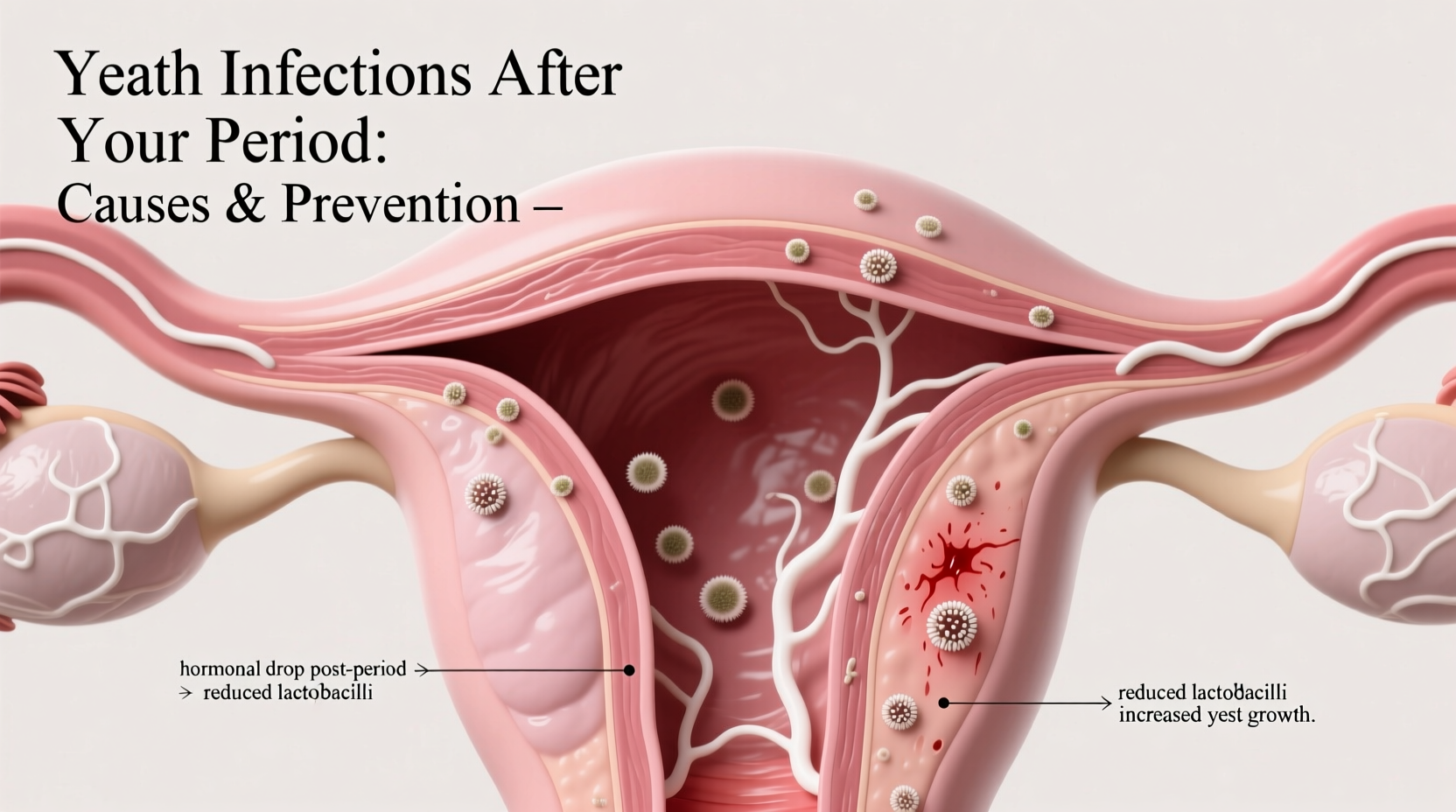
The vaginal environment is a delicate ecosystem influenced by hormones, pH levels, and microbial balance. During menstruation, several changes create conditions favorable to Candida albicans—the fungus responsible for most yeast infections.
Estrogen levels rise during the menstrual cycle, peaking just before and during menstruation. High estrogen increases glycogen in vaginal cells, which feeds yeast and promotes overgrowth. Blood itself has a neutral to slightly alkaline pH (around 7.4), temporarily raising the normally acidic vaginal pH (3.8–4.5). This shift weakens the protective lactic acid bacteria (Lactobacillus), allowing yeast to thrive.
Additionally, tampons and pads can trap moisture and heat—ideal breeding grounds for fungi. Synthetic materials or scented products may also irritate sensitive tissues, further disrupting microbial balance.
Tip: Change tampons or pads every 4–6 hours to minimize moisture buildup and bacterial growth.Common Symptoms of Post-Menstrual Yeast Infections
Symptoms typically appear within a few days after your period ends. Recognizing them early allows for prompt treatment and reduces discomfort.
- Itching and irritation in the vulva and vagina
- Thick, white, odorless discharge resembling cottage cheese
- Burning sensation during urination or intercourse
- Redness, swelling, or soreness of the vulva
- Occasional light spotting unrelated to menstruation
Not all vaginal discomfort is due to yeast. Bacterial vaginosis (BV) or sexually transmitted infections (STIs) can mimic symptoms but require different treatments. If unsure, consult a healthcare provider for accurate diagnosis.
Effective Treatment Options
Most yeast infections respond well to antifungal medications. The choice depends on severity, frequency, and personal preference.
| Treatment Type | Examples | Duration | Effectiveness |
|---|---|---|---|
| Over-the-counter creams | Miconazole (Monistat), Clotrimazole | 1–7 days | High for mild cases |
| Oral medication | Fluconazole (Diflucan) | Single dose | Rapid relief |
| Prescription suppositories | Butoconazole, Terconazole | 3–7 days | For resistant strains |
| Natural remedies (supportive only) | Probiotics, boric acid suppositories* | Varies | Limited evidence; best as adjuncts |
*Note: Boric acid should never be ingested and is not recommended during pregnancy without medical supervision.
A single 150 mg oral dose of fluconazole is often sufficient for uncomplicated infections. For recurring cases, a maintenance regimen—such as weekly fluconazole for six months—may be prescribed. Always complete the full course even if symptoms resolve early.
“Treating a yeast infection promptly prevents complications like fissures or secondary bacterial infections.” — Dr. Lena Patel, OB-GYN Specialist
Step-by-Step Prevention Plan
Preventing post-period yeast infections involves consistent habits before, during, and after menstruation.
- Monitor your cycle: Track when infections tend to occur using a calendar or app. Anticipating flare-ups allows preemptive care.
- Use breathable period products: Opt for cotton-lined pads or menstrual cups made from medical-grade silicone. Avoid fragranced wipes or sprays.
- Maintain daily hygiene: Wash externally with lukewarm water and mild, unscented soap. Never douche—this disrupts natural flora.
- Wear cotton underwear: Choose breathable fabrics that wick moisture away. Avoid tight jeans or synthetic leggings for extended periods.
- Consider probiotics: Daily oral supplements containing Lactobacillus rhamnosus GR-1 and L. reuteri RC-14 support healthy vaginal microbiota.
- Adjust diet during high-risk phases: Reduce sugar and refined carbs in the week following your period, as yeast feeds on glucose.
- Dry thoroughly after bathing: Moisture trapped in skin folds encourages fungal growth. Pat dry instead of rubbing.
When It’s More Than Just a Yeast Infection
Recurrent vulvovaginal candidiasis (RVVC) is defined as four or more symptomatic episodes per year. This affects about 5–8% of women and may indicate underlying issues such as:
- Uncontrolled diabetes
- Hormonal imbalances
- Antibiotic overuse
- Immune system disorders
- Pregnancy
In one documented case, a 32-year-old woman experienced monthly yeast infections for over two years. After testing, she was found to have insulin resistance despite normal blood sugar levels. With dietary changes and metformin therapy, her infections decreased significantly within six months. This highlights the importance of looking beyond surface symptoms.
Mini Case Study: Sarah’s Journey to Relief
Sarah, a teacher in her late 20s, had dealt with itching and discharge every month since college. She used OTC creams repeatedly but saw no long-term improvement. After consulting a gynecologist, she learned she was unknowingly contributing to the problem: wearing wet workout clothes for hours, using scented feminine washes, and consuming sugary snacks regularly.
With guidance, Sarah switched to probiotic supplements, changed into dry clothes immediately after exercise, eliminated douching, and reduced added sugars. Within three months, her post-period symptoms disappeared entirely. Her story underscores how small, sustainable changes can yield significant results.
Do’s and Don’ts: Quick Reference Table
| Do | Don’t |
|---|---|
| Change tampons/pads frequently | Use scented tampons or pads |
| Wash with plain water or gentle cleanser | Douche or use vaginal deodorants |
| Wear cotton underwear | Wear tight, non-breathable clothing |
| Take probiotics daily | Self-diagnose if symptoms are new or severe |
| See a doctor for recurring infections | Share prescription antifungals with others |
Frequently Asked Questions
Can I have sex while treating a yeast infection?
It’s best to avoid sexual activity until symptoms resolve. Intercourse can worsen irritation and transfer yeast between partners. If you do engage, use protection and ensure both parties are aware of potential transmission.
Are yeast infections contagious?
Candida is part of the normal flora, so it isn't classified as an STI. However, it can occasionally pass through intimate contact. Partners rarely need treatment unless they develop symptoms like penile rash or itching.
Why do I only get yeast infections after my period ends?
The combination of hormonal shifts, prolonged moisture from period products, and pH changes creates a perfect storm for yeast overgrowth. Once bleeding stops, the warm, damp environment left behind supports rapid fungal multiplication.
Conclusion: Take Control of Your Vaginal Health
Experiencing yeast infections after your period doesn’t have to be inevitable. By understanding the triggers and adopting targeted prevention strategies, you can break the cycle of discomfort and reliance on medication. Small adjustments in hygiene, clothing, diet, and self-awareness go a long way toward restoring balance.
💬 Your body sends signals for a reason. Start tracking your symptoms, make informed choices, and don’t hesitate to seek professional advice when needed. Share your experience below—your insight could help another woman find relief.








