For cat owners, managing litter box odor is a daily challenge. Traditional clay litters often mask smells with synthetic fragrances that can irritate pets and people alike. A growing number of pet parents are turning to natural alternatives—and one solution stands out: pine-scented cat litter. Unlike artificial scents, real pine offers a clean, woodsy aroma while actively neutralizing ammonia and bacterial odors at the source. The world’s best cat litter with pine scent combines biodegradable materials, superior absorption, and long-lasting freshness without harsh chemicals. This article explores what makes pine-based litter a top-tier choice, how it compares to other types, and how to maximize its performance in your home.
Why Pine-Scented Cat Litter Outperforms Conventional Options
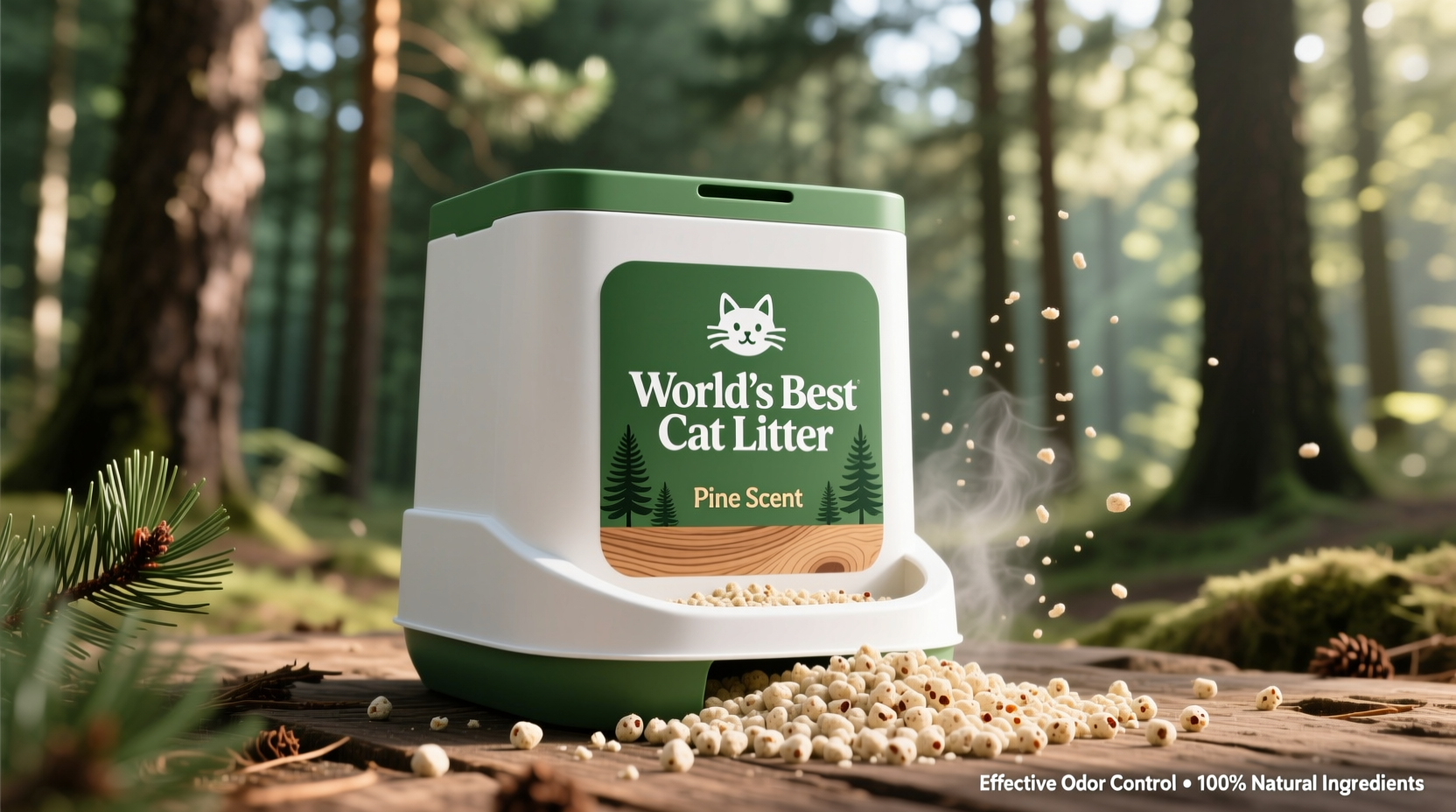
Pine-scented cat litter typically uses compressed pine pellets or granules made from sustainably harvested softwood. When urine hits the surface, the natural oils in pine react with ammonia to neutralize odors instead of merely covering them. This chemical interaction is key to its effectiveness—unlike perfumed litters that simply add stronger smells on top of waste, pine works biologically to reduce odor compounds.
Additionally, pine litter is naturally low-dust, making it ideal for homes with allergies or respiratory sensitivities. It’s also non-tracking due to its larger pellet size, meaning less mess around the house. Because it’s made from renewable resources and breaks down safely, it’s flushable in many cases (check manufacturer guidelines) and compostable in outdoor bins—provided no feces from indoor cats are included due to parasite risks.
Tip: Sprinkle a thin layer of baking soda under pine litter to enhance odor absorption without disrupting its natural chemistry.Key Features of the World’s Best Pine-Scented Cat Litter
The top-performing pine-scented litters share several critical characteristics that set them apart from lower-quality options:
- Natural pine oil infusion – Not artificially scented; uses essential oils from pine trees for authentic, calming fragrance.
- High absorbency – Pellets expand and darken when wet, locking in liquid and forming a solid mass that’s easy to scoop.
- No silica dust or crystalline silica – Safer for cats’ lungs and human family members.
- Biodegradable and eco-certified – Often USDA BioPreferred or FSC-certified, ensuring sustainable forestry practices.
- Low maintenance – Some brands require full changes only every 3–4 weeks due to built-in antimicrobial properties.
“Pine litter leverages nature’s own defenses against bacteria and odor. It’s not just masking problems—it’s solving them.” — Dr. Lena Torres, DVM, Feline Wellness Specialist
Comparison: Pine vs. Other Litter Types
| Type | Odor Control | Dust Level | Eco-Friendliness | Cost (per month estimate) |
|---|---|---|---|---|
| Clay (clumping) | Moderate (uses perfume) | High | Poor (non-renewable) | $15–$20 |
| Silica gel crystals | Strong (traps moisture) | Very Low | Fair (long-lasting but synthetic) | $20–$25 |
| Wood (pine pellets) | Excellent (natural neutralization) | Very Low | Excellent (biodegradable) | $12–$18 |
| Wheat or corn-based | Good (enzyme action) | Low | Good (compostable) | $18–$22 |
| Recycled paper | Fair (absorbs but may retain smell) | Low | Excellent | $15–$20 |
As shown, pine-based litter excels in both odor control and environmental impact while remaining cost-competitive. Its unique ability to decompose urine into harmless byproducts gives it an edge over even premium crystal litters.
How to Use Pine-Scented Litter for Maximum Effectiveness
To get the most out of your pine litter, follow this step-by-step guide:
- Choose the right form: Opt for compressed pine pellets if you prefer low-maintenance litter; they last longer and indicate when a change is needed (pellets turn black when saturated). For finer texture, some brands offer pine granules that clump more like traditional litters.
- Start with a clean box: Wash the litter box with mild soap and water before first use. Avoid strong disinfectants like bleach, which can linger and deter cats.
- Layer properly: Pour a 2–3 inch layer of pine pellets. Too little reduces absorbency; too much wastes product.
- Scoop solid waste daily: While pine doesn’t clump like clay, feces should be removed daily. Urine-soaked pellets break down and can be scooped once dry.
- Stir weekly: Use a scoop to fluff and redistribute dry pellets, helping them absorb fresh moisture and extend life.
- Replace fully every 3–4 weeks: Even high-performance pine litter needs complete replacement after a month to prevent bacterial buildup.
Real-Life Example: Sarah’s Multi-Cat Household
Sarah lives in a small apartment with three cats. She previously used scented clay litter but found the odor overwhelming despite daily scooping. After switching to a premium pine pellet litter, she noticed a dramatic difference within days. “The air feels cleaner,” she says. “And I don’t have to scrub the box as often—the pine keeps it drier and less smelly.” She now changes the entire litter every four weeks, saving time and money. Her cats adapted quickly, showing no signs of avoidance or discomfort.
Tip: If your cat is hesitant about texture, mix old and new litter gradually over 7–10 days to ease the transition.Common Misconceptions About Pine Litter
Despite its benefits, several myths persist about pine-based cat litter:
- Myth: It’s dusty. High-quality pine litter produces minimal dust because it’s made from kiln-dried wood fibers.
- Myth: Cats won’t like the smell. Most cats respond positively to the natural pine aroma, which mimics forest environments. Strong artificial scents are more likely to repel them.
- Myth: It doesn’t control odor well. In fact, pine litter often outperforms clay in head-to-head tests because it chemically neutralizes ammonia rather than masking it.
- Myth: It’s unsafe if ingested. While no litter should be eaten regularly, pine is non-toxic in small amounts. However, monitor kittens prone to pica behavior.
FAQ: Your Pine Litter Questions Answered
Can I flush pine litter down the toilet?
Some pine litters are labeled flushable, but only in small amounts and with septic-safe systems. Avoid flushing if you have a sensitive plumbing system or live in an area with water restrictions. Always follow the manufacturer’s instructions.
Does pine litter work for kittens?
Yes, but younger kittens may kick or chew litter. Choose a non-treated, food-grade pine option and supervise initially. Many breeders recommend pine for its safety and low dust.
Why do some pine pellets turn black?
Darkening indicates moisture absorption and breakdown of urine. Once most pellets have darkened or started to disintegrate, it’s time for a full change. This visual cue helps prevent overdue litter changes.
Final Checklist Before You Switch
- ☐ Confirm your cat has no known wood allergies (rare but possible)
- ☐ Measure your litter box depth to determine how much to buy
- ☐ Check whether the brand is flushable or compostable
- ☐ Read reviews for tracking and dust levels specific to that product
- ☐ Start with a small bag to test acceptance before bulk purchasing
Conclusion: Make the Smart Switch Today
The world’s best cat litter with pine scent isn’t just another trend—it’s a smarter, safer, and more sustainable approach to feline hygiene. Backed by natural science and trusted by veterinarians, pine-based litter delivers unmatched odor control without compromising pet health or environmental responsibility. Whether you’re tired of overpowering perfumes, concerned about dust, or simply looking for a longer-lasting solution, upgrading to pine could transform your litter routine. Try a reputable brand today and experience the difference real freshness makes—for your cat, your home, and your peace of mind.
💬 Have you tried pine cat litter? Share your experience or ask questions in the comments below—we’d love to hear how it’s working for you and your feline companion!








