
Travelers increasingly seek experiences where no family member is left behind—not even the four-legged ones. As pet ownership rises and remote work reshapes travel habits, demand for dog-inclusive wine tourism has surged. The short answer is yes: many vineyards across the United States—and increasingly in Canada, Australia, and parts of Europe—do welcome well-behaved dogs on outdoor tours, patios, and even select tasting rooms. But “welcome” doesn’t mean universal access. Policies vary widely: some wineries allow dogs only on leashed walks through vineyard trails; others offer designated dog-friendly picnic areas with water bowls and shaded benches; a handful go further, permitting dogs inside climate-controlled tasting rooms during off-peak hours. What separates genuinely inclusive destinations from those offering token tolerance is intentionality—clear communication, staff training, physical accommodations, and respect for both canine comfort and human guests’ experience.
Where to Find Truly Dog-Friendly Vineyards
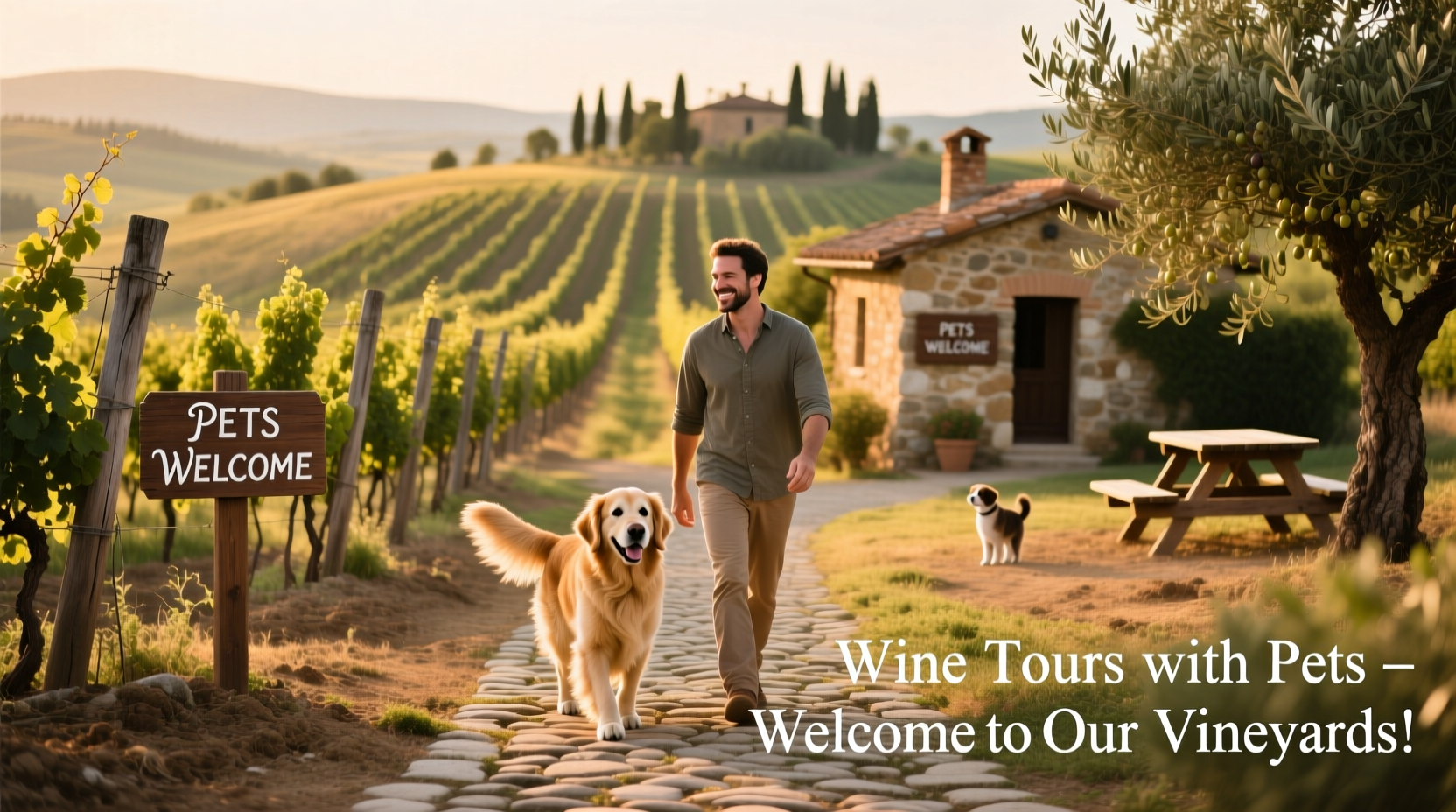
Not all “pet-friendly” listings are equal. A Google Maps tag reading “dogs allowed” may refer only to parking lot access—not vineyard grounds or tasting bars. To identify authentic dog-welcoming wineries, start with curated resources rather than generic search results. The DogTrekker website maintains an updated, vetted directory of California wineries with verified outdoor access, including notes on leash requirements, shade availability, and whether dogs can accompany guests into barrel rooms or gardens. In Oregon’s Willamette Valley, the Pet-Friendly Willamette initiative partners with over 40 producers who meet baseline criteria: paved or gravel pathways suitable for paws, non-slip surfaces near tasting bars, and staff trained in low-stress dog interaction. Similarly, Washington State’s Wag & Wine Trail (launched in 2022) certifies participating wineries through third-party site visits—not self-reported claims.
Geographic concentration matters. Coastal regions with milder climates and strong outdoor culture tend to lead: Sonoma County (CA), Finger Lakes (NY), Okanagan Valley (BC), and Adelaide Hills (SA) all host clusters of vineyards where dogs routinely join tasting groups. In contrast, historic European appellations like Bordeaux or Tuscany rarely permit dogs indoors due to strict food safety regulations and centuries-old cellar architecture—but many still allow leashed access to vineyard perimeters and courtyard gardens, provided owners clean up immediately and avoid harvest season.
Tip: Always call ahead—even if a winery’s website says “dogs welcome.” Staffing changes, seasonal events (e.g., weddings), or weather-related closures can temporarily restrict access. A 2-minute call confirms current policy and signals your respect for their operational needs.What “Dog-Friendly” Really Means: A Reality Check
“Dog-friendly” is not a regulated term. Without standardized definitions, policies range from thoughtful inclusion to performative accommodation. At the highest tier are canine-conscious wineries: those that integrate dogs into their guest experience intentionally. These often provide fresh water stations at multiple locations, shaded rest zones with orthopedic dog beds, treat jars filled with locally made, grain-free biscuits, and even “pawdicures” (nail trims) offered by mobile groomers on select Saturdays. Mid-tier venues typically allow leashed dogs on patios and vineyard paths but prohibit them inside buildings—except perhaps restrooms with exterior access. The lowest tier consists of wineries that tolerate dogs on the property without infrastructure or staff guidance, increasing risk of stress for both animal and guest.
Crucially, dog-friendly does not mean dog-unrestricted. Nearly all reputable vineyards require dogs to be leashed (usually 6 feet or shorter), fully vaccinated, and under direct owner control at all times. Barking, reactivity, or resource guarding—especially around food or other dogs—is universally grounds for polite but firm redirection or departure. One Napa Valley sommelier explained it plainly: “We love dogs, but our priority is every guest’s safety and comfort—including the dog’s. If your pup freezes at the sound of clinking glasses or tenses when someone reaches for a pour, the patio isn’t the right spot today.”
“We don’t just say ‘yes’ to dogs—we ask ‘how can we support this shared experience?’ That means training staff to read canine body language, designing spaces where dogs aren’t an afterthought, and being transparent about limits. Real hospitality includes boundaries.” — Maya Chen, General Manager, Oak Hollow Vineyards (Sonoma County), certified Canine Behavior Consultant
Dog-Friendly Wine Tour Checklist
Planning a seamless, low-stress wine tour with your dog requires more than enthusiasm—it demands preparation. Use this actionable checklist before you hit the road:
- Vaccination & ID verification: Carry proof of rabies vaccination and microchip registration. Some wineries request digital copies via email pre-arrival.
- Leash & gear audit: Bring a sturdy, non-retractable leash (no flexi-leads near crowds), collapsible water bowl, and portable waste bags. Avoid harnesses with dangling tags that could snag on grapevines.
- Heat & terrain prep: Check ground temperature—pavement above 77°F (25°C) burns paw pads. Pack booties if touring rocky or sun-baked paths. Bring cooling towels for hot days.
- Tour timing strategy: Book mid-week morning tastings (10–11:30 a.m.) when crowds are lightest and temperatures coolest. Avoid harvest weekends (August–October in most Northern Hemisphere regions).
- Emergency readiness: Save local 24-hour veterinary clinics along your route. Note which wineries have shaded emergency evacuation routes (e.g., grassy lawns away from traffic).
Real-World Example: A Successful Day in the Willamette Valley
When Sarah K., a Portland-based graphic designer, planned a birthday weekend celebrating her rescue terrier mix, Leo, she spent three weeks researching. She selected three certified Pet-Friendly Willamette wineries within a 25-mile radius, each offering distinct advantages: first, a hillside estate with wide gravel paths and a “Bark & Bubbles” Sunday brunch where dogs received organic beef jerky and guests sipped sparkling rosé; second, a biodynamic vineyard with a dedicated dog trail looping past lavender hedges and a covered porch with ceiling fans and water fountains; third, a small-production winery where the owner, a former veterinary technician, kept a quiet “paw lounge” adjacent to the tasting bar—complete with cooling mats and a white noise machine playing gentle rain sounds for anxious dogs.
Sarah brought Leo’s favorite toy, packed electrolyte-infused water in a thermos, and timed arrivals between 10:15–11:00 a.m. When Leo hesitated at the entrance of the third winery—a narrow doorway with wind chimes overhead—the staff quietly guided them to the paw lounge instead of insisting on entry. No one rushed them. No one whispered. By noon, Leo was napping on a cooling mat while Sarah enjoyed her flight. “It wasn’t about getting him *inside*,” she reflected. “It was about feeling seen—as a person who loves her dog, and as a guest who values quiet, authenticity, and respect.”
Do’s and Don’ts of Wine Tours with Dogs
Navigating shared spaces requires mutual awareness. This table summarizes essential etiquette grounded in real-world feedback from winery owners, trainers, and frequent canine travelers:
| Action | Do | Don’t |
|---|---|---|
| Leashing | Use a fixed-length, non-slip leash; keep slack minimal near tasting bars. | Allow your dog to weave between chairs or “sniff greet” other guests’ dogs uninvited. |
| Hydration | Offer water every 20–30 minutes, especially in sun-exposed areas. | Rely solely on shared bowls—bring your own and refill at designated stations. |
| Behavior management | Step away immediately if your dog whines, paces, or stares intently at food plates. | Assume “friendly” means “social”—many dogs prefer observation over interaction. |
| Cleanup | Double-bag waste and deposit in designated receptacles (not compost bins). | Leave bags on benches or assume staff will handle cleanup. |
| Timing | Respect posted “quiet hours” (often 1–3 p.m.) for dog rest periods. | Arrive during peak lunch rush expecting full patio access. |
How to Prepare Your Dog for a Wine Tour
A successful outing hinges less on the winery’s amenities and more on your dog’s readiness. Start preparing two to three weeks in advance with this step-by-step conditioning plan:
- Week 1: Desensitize to novel surfaces and sounds. Walk your dog on varied terrain—gravel, cobblestone, wooden decks—and expose them to ambient noise: clinking glass, distant chatter, gentle music. Reward calm observation with high-value treats.
- Week 2: Practice “stationary focus.” At quiet cafes or parks, ask your dog to settle beside your chair for 5 minutes. Gradually increase duration to 15 minutes while introducing mild distractions (e.g., people walking by). Use a “place” command paired with a folded blanket as a cue.
- Week 3: Simulate tasting logistics. Set up a small outdoor “tasting station” with three chairs, a low table, and water bowls. Practice entering and exiting the space calmly on leash, then settling for 10-minute intervals while you mimic holding a glass and conversing.
- Day Before: Final check. Trim nails, inspect paw pads for cuts or debris, and skip breakfast (offer half-rations post-tour). Pack a small first-aid kit: styptic powder for nail nicks, saline eye rinse, and antiseptic wipes.
- Tour Day: Arrive early. Let your dog explore the perimeter—sniff gateposts, relieve themselves thoroughly—before joining the group. This reduces “investigatory urgency” later.
Frequently Asked Questions
Can my dog join a seated wine pairing lunch?
Very rarely. Most winery restaurants operate under health codes prohibiting animals in dining rooms—even service dogs face restrictions unless specifically trained for allergen detection or mobility assistance. A few vineyards offer private, outdoor cabana-style lunches where dogs are permitted on adjacent grassy areas with tether points, but these require advance reservation and often a small “paw fee” covering cleanup and amenities.
Are puppies or senior dogs appropriate for wine tours?
Generally, no. Puppies lack impulse control and stamina for 2–3 hour outings; seniors may struggle with uneven terrain, heat retention, or cognitive fatigue. If you must bring a young or aging dog, limit visits to one winery with extensive shade, skip the tour portion, and focus solely on the patio experience. Always consult your veterinarian first—especially for brachycephalic breeds (e.g., Bulldogs, Pugs) who overheat rapidly.
What if my dog barks or becomes anxious during the tour?
Remain calm and remove them promptly—not as punishment, but as stewardship. Most dog-friendly wineries appreciate owners who recognize stress signals early. Ask staff for a quiet exit route or temporary use of a shaded garden bench. Rejoin the group only when your dog is settled. Reputable venues won’t shame you; they’ll offer water, a moment of privacy, and sincere thanks for prioritizing collective comfort.
Conclusion
Wine tours with pets aren’t a trend—they’re the evolution of hospitality toward deeper empathy and inclusivity. The vineyards leading this shift understand that welcoming dogs isn’t about relaxing rules; it’s about refining them with care, clarity, and consistency. It’s about recognizing that the joy of sharing a perfectly balanced Pinot Noir deepens when your companion rests peacefully at your feet, tail thumping softly against sun-warmed stone. You don’t need to choose between savoring terroir and honoring your bond. With thoughtful research, respectful preparation, and realistic expectations, you can craft days rich in flavor, connection, and quiet moments where time slows—just long enough for a shared breeze, a sip, and a sigh of contentment.
💬 Your experience matters. If you’ve visited a truly exceptional dog-friendly winery—or encountered a policy that surprised you for its thoughtfulness or limitation—share the details in the comments. Help build a wiser, kinder map for every traveler who refuses to leave love behind at the gate.








