
A split or crack in the center of the bottom lip is a surprisingly common issue that many people experience at some point. While it may seem like a minor irritation, persistent splitting can be painful, unsightly, and sometimes a sign of underlying health concerns. Unlike general chapping, a vertical fissure specifically located in the midline of the lower lip often has distinct triggers — ranging from environmental exposure to nutritional deficiencies. Understanding the root causes and adopting targeted treatments can make a significant difference in healing and long-term prevention.
Common Causes of a Split Bottom Lip
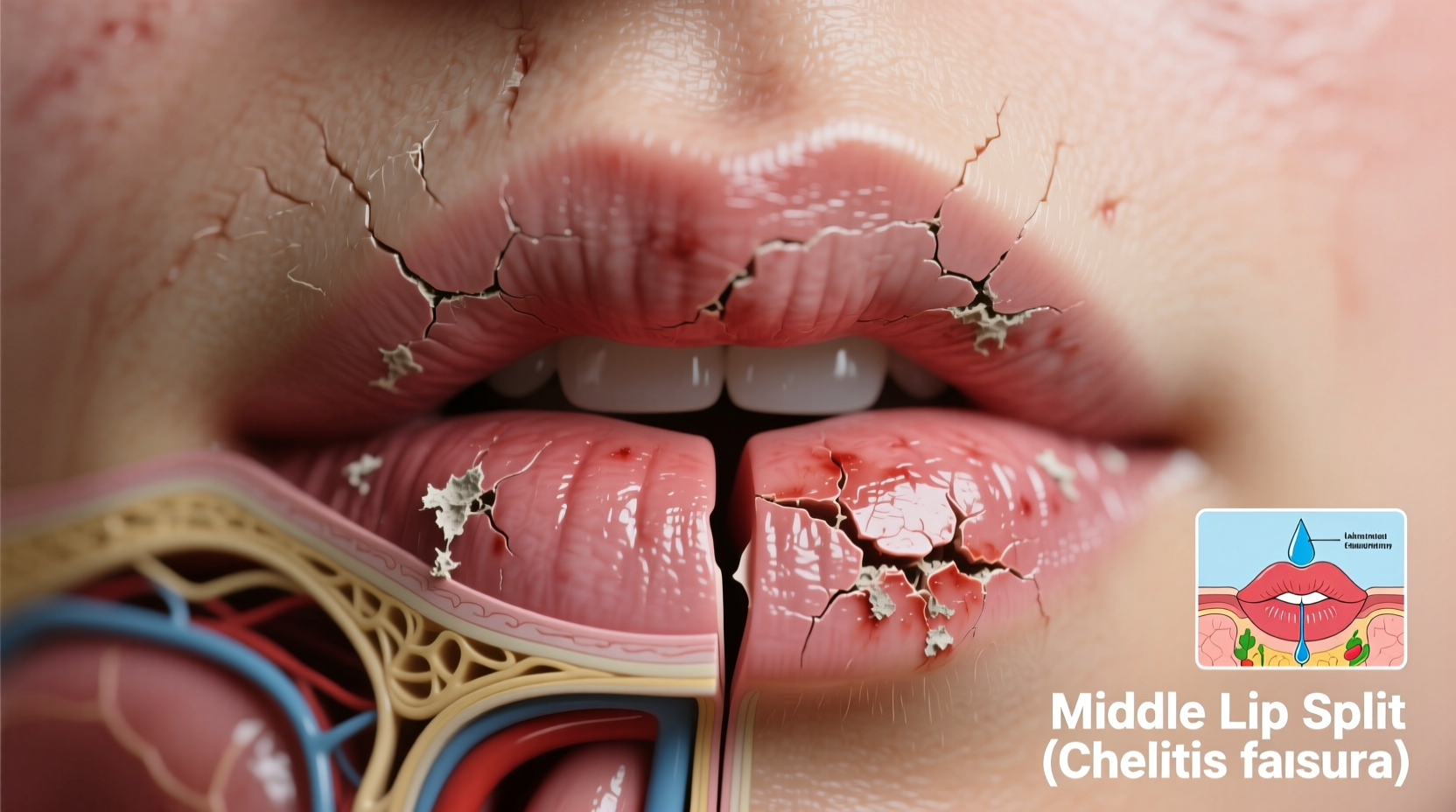
The central split on the lower lip isn’t typically due to random dryness alone. It’s often the result of a combination of mechanical stress, environmental factors, and internal imbalances. Identifying the cause is essential for effective treatment.
- Dry Air and Dehydration: Low humidity, especially in winter or air-conditioned environments, strips moisture from the lips. Without sufficient hydration, the skin becomes brittle and prone to cracking.
- Habitual Licking or Biting: Repeatedly licking the lips introduces saliva, which contains enzymes that break down delicate lip tissue over time. This habit creates a cycle of drying, irritation, and splitting.
- Nutritional Deficiencies: Deficits in B vitamins (especially B2, B3, B6, and B12), iron, and zinc are linked to cheilitis — inflammation of the lips — and fissures.
- Allergic or Irritant Contact Dermatitis: Reactions to toothpaste, lip products, or even certain foods can cause chronic inflammation and cracking, particularly in the center where product residue accumulates.
- Chronic Sun Exposure: UV damage weakens collagen and elastin in the lips, making them more susceptible to vertical fissures.
- Mechanical Trauma: Teeth grinding (bruxism), misaligned bite, or habitual lip biting can place repetitive stress on the mid-lower lip, leading to a persistent split.
Treatment Options for a Healing Lip Fissure
Effective treatment goes beyond simply applying balm. A strategic approach targets both immediate relief and long-term repair.
- Stop Irritating Habits: Consciously avoid licking, picking, or biting the affected area. Use reminders like sticky notes or apps if needed.
- Use Occlusive Moisturizers: Apply thick, non-irritating emollients such as petroleum jelly, lanolin, or medical-grade barrier creams multiple times daily, especially before bed.
- Switch Oral Care Products: Opt for SLS-free (sodium lauryl sulfate) toothpaste without strong mint or whitening agents that can irritate sensitive lips.
- Apply Anti-Inflammatory Ointments: Over-the-counter hydrocortisone 1% cream can reduce inflammation if used sparingly (no more than 7 days) under guidance.
- Consider Prescription Treatments: If infection or angular cheilitis is suspected, antifungal or antibiotic ointments may be necessary with a doctor’s approval.
“Persistent lip fissures should never be ignored. They can be a window into systemic issues like vitamin deficiency or autoimmune conditions.” — Dr. Lena Patel, Dermatologist & Skin Health Specialist
Prevention Checklist
Once healed, maintaining lip integrity requires consistent care. Follow this checklist to prevent recurrence:
Checklist: Preventing Recurrent Lip Splits- ✔ Drink at least 8 glasses of water daily to maintain hydration
- ✔ Apply fragrance-free lip balm every morning and before sleep
- ✔ Use a humidifier in dry indoor environments
- ✔ Wear SPF 30+ lip balm when outdoors
- ✔ Avoid spicy, acidic, or salty foods during healing phases
- ✔ Check toothpaste ingredients; eliminate SLS and artificial flavors
- ✔ Get blood work if splits recur frequently (test for B12, iron, folate)
When to See a Doctor
While most cases resolve with self-care, certain signs indicate the need for professional evaluation:
| Symptom | Self-Care Appropriate? | Action Step |
|---|---|---|
| Minor crack, no pain, heals in 3–5 days | Yes | Moisturize, protect, monitor |
| Persistent split lasting over 2 weeks | No | Consult dermatologist or GP |
| Bleeding, swelling, or pus | No | Seek medical attention — possible infection |
| Recurring splits with mouth corner sores | No | Evaluate for angular cheilitis or nutritional deficiency |
| Painful ulceration or white patches | No | Rule out oral lichen planus or precancerous changes |
Real-Life Example: Maria’s Chronic Lip Split
Maria, a 34-year-old teacher, struggled with a deep crack on her lower lip for over six months. She used various lip balms, avoided spicy food, and stayed hydrated — yet the split kept returning. After visiting a dermatologist, she discovered two key factors: her favorite mint-flavored toothpaste contained sodium lauryl sulfate, a known irritant, and blood tests revealed low levels of vitamin B12 and iron. By switching to a gentle, SLS-free toothpaste and starting a B-complex supplement with iron, her lip fully healed within three weeks and has not returned in the past year. Her case highlights how internal and external factors often combine to create persistent symptoms.
Frequently Asked Questions
Can a split lip be a sign of something serious?
In most cases, no — but chronic or non-healing fissures can signal underlying conditions such as vitamin deficiencies, autoimmune disorders (like Crohn’s disease), or even early signs of actinic cheilitis, a precancerous condition caused by sun damage. If a crack persists beyond two weeks despite care, consult a healthcare provider.
Is it safe to use hydrogen peroxide on a split lip?
No. Hydrogen peroxide kills healthy cells along with bacteria and delays healing by damaging new tissue. Instead, clean gently with lukewarm water and pat dry. Use antimicrobial ointments only if prescribed.
Why does my lip split in the exact same spot every time?
This often happens due to localized trauma or structural weakness. If you grind your teeth, have an uneven bite, or repeatedly touch or lick one area, the tissue becomes compromised. Once a scar forms, it’s more vulnerable to re-splitting under stress or dryness.
Conclusion: Take Control of Your Lip Health
A split in the middle of your bottom lip is more than just a cosmetic nuisance — it’s a signal from your body that something needs attention. Whether it’s your environment, habits, or internal health, addressing the root cause leads to lasting relief. Simple changes like switching toothpaste, staying hydrated, and using the right moisturizer can make a dramatic difference. For recurring cases, don’t hesitate to seek medical advice — early intervention prevents complications.
💬 Your lips speak volumes about your health. Start today: assess your routine, eliminate irritants, and commit to consistent care. Share your experience or questions in the comments — your insight could help someone else heal faster.








