
The Super Bowl is more than just the NFL’s championship game—it’s a cultural phenomenon that unites millions of Americans in front of their screens every February. While fans tune in for football, advertisers invest heavily to secure a coveted spot during the broadcast. A 30-second ad in the 2024 Super Bowl cost an average of $7 million. That figure raises a natural question: Why are Super Bowl commercials so expensive? The answer lies in a powerful combination of reach, timing, production value, and long-term branding impact.
Unmatched Audience Size and Demographics
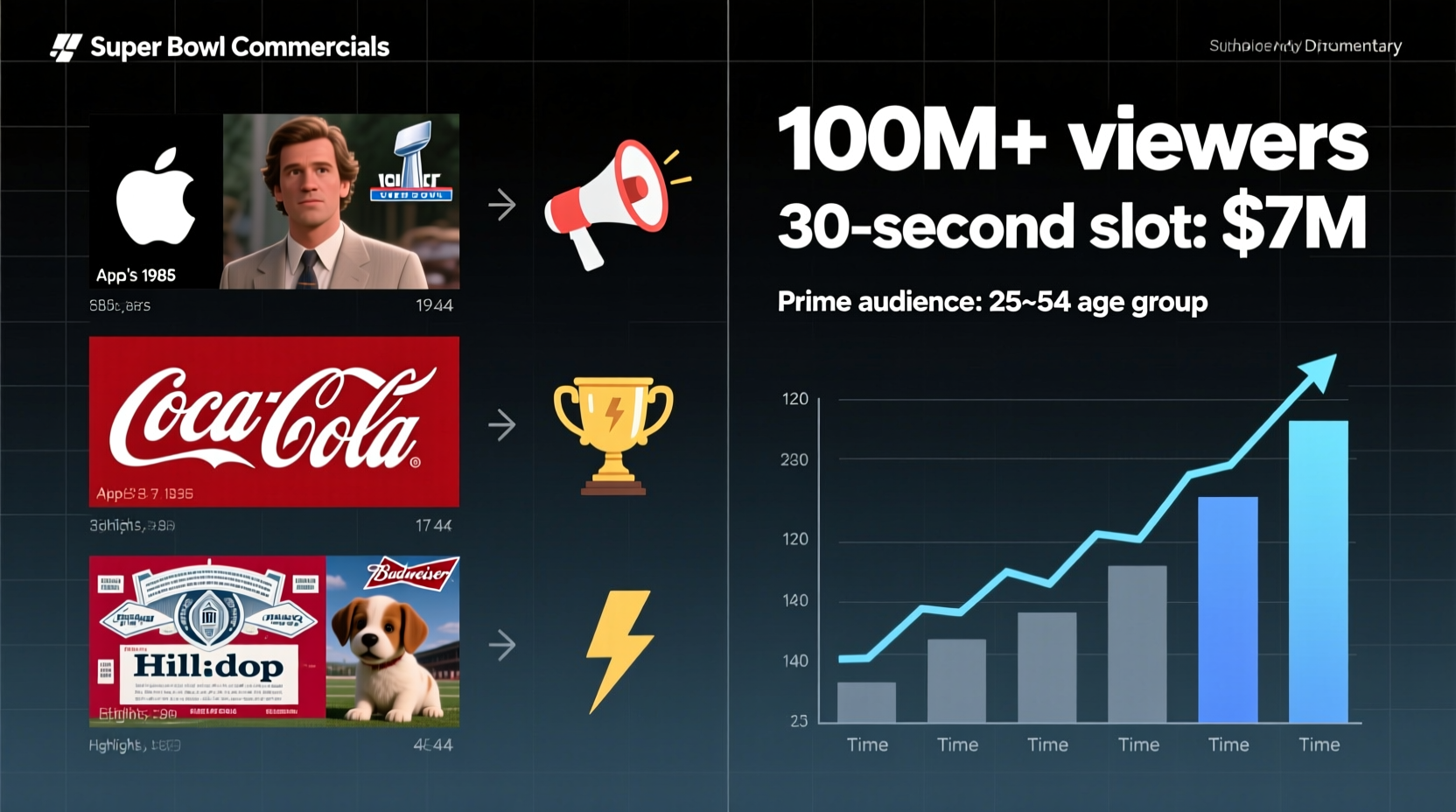
The Super Bowl consistently ranks as the most-watched television event in the United States. In recent years, viewership has hovered between 100 and 120 million people across linear TV and digital platforms. This level of audience concentration is unmatched by any other annual event. For advertisers, this means a single 30-second spot can potentially reach one-third of the U.S. population in real time.
Beyond sheer numbers, the demographic profile of Super Bowl viewers is highly desirable. The audience spans multiple generations, includes both men and women in nearly equal measure, and features strong representation from middle- to high-income households. Advertisers targeting broad consumer markets find few opportunities that offer such a diverse yet engaged audience.
“Reaching over 100 million people with a single ad buy is rare in today’s fragmented media landscape. The Super Bowl remains one of the last true mass-audience events.” — Michael Reynolds, Media Analyst at Nielsen
Scarcity of Airtime and High Demand
Despite its massive viewership, the number of available commercial slots during the Super Bowl is extremely limited. The entire broadcast typically includes only around 65–70 minutes of actual gameplay, leaving approximately 40–45 minutes for advertisements. With each ad ranging from 15 to 60 seconds, networks can sell only about 70–80 spots per game.
This scarcity creates a classic supply-and-demand scenario. Major brands—from soft drinks and automakers to tech startups and streaming services—all compete for a handful of premium positions. As demand increases, so does the price. Networks like CBS, Fox, or NBC capitalize on this competition, often selling out inventory months in advance at record rates.
Tip: Brands that plan early and negotiate multi-year deals often lock in lower rates before prices spike due to heightened competition.Cultural Impact and Social Media Amplification
Super Bowl commercials have evolved into entertainment events in their own right. Long before the game kicks off, media outlets publish “most anticipated” ad lists, and fans speculate about celebrity cameos or surprise reveals. After airing, ads go viral on YouTube, TikTok, and Twitter within hours, generating millions of organic views.
This cultural resonance extends the life of a commercial far beyond its initial 30-second run. A standout ad can dominate online conversations for days, effectively giving brands weeks of additional exposure at no extra cost. For example, Budweiser’s 2013 puppy-and-horse storyline garnered over 60 million YouTube views and became a global talking point—without requiring another paid media buy.
The potential for virality makes the Super Bowl not just a TV ad opportunity but a strategic launchpad for brand storytelling. Companies often spend more on producing the ad than on the airtime itself, knowing that public engagement can multiply their return on investment.
Production Quality and Creative Investment
Creating a Super Bowl commercial is rarely a simple task. These spots are treated like mini-movies, often involving Hollywood directors, A-list actors, elaborate sets, and extensive post-production work. The average production budget for a top-tier Super Bowl ad ranges from $2 million to $5 million—sometimes rivaling the cost of the airtime.
Consider Apple’s iconic “1984” ad, directed by Ridley Scott, which introduced the Macintosh computer. It was shot on film with cinematic lighting, featured professional actors, and used special effects uncommon in advertising at the time. Though it aired only once, it reshaped public perception of personal computing and cemented Apple’s image as an innovator.
Today, similar levels of ambition persist. Brands invest in humor, emotion, nostalgia, and spectacle to stand out. The pressure to deliver a memorable moment drives up creative costs significantly, making these ads some of the most expensive pieces of short-form content ever produced.
Brand Prestige and Competitive Positioning
Appearing in the Super Bowl signals financial strength and market confidence. For established brands, it reinforces leadership; for newcomers, it announces arrival. Being part of the broadcast conveys legitimacy—even if the ad itself doesn’t go viral.
A notable example is cryptocurrency exchange FTX, which spent $13 million on two ads during Super Bowl LVI in 2022. Despite the company’s later collapse, the decision to advertise sent a clear message: FTX wanted to be seen as a major player alongside household names like Pepsi and Doritos.
Likewise, automotive brands use the platform to showcase innovation. Electric vehicle makers like Lucid Motors and Rivian have leveraged Super Bowl spots to introduce new models directly to a mainstream audience, bypassing traditional auto show circuits.
| Factor | Description | Impact on Cost |
|---|---|---|
| Audience Size | Over 100 million viewers annually | Drives premium pricing due to scale |
| Ad Inventory | Fewer than 80 slots available | Creates competitive bidding environment |
| Viral Potential | Ads shared widely online after broadcast | Justifies higher spending for extended reach |
| Production Value | Filmed like short films with big budgets | Adds millions in pre-air expenses |
| Brand Signaling | Signals stability and ambition | Encourages companies to pay a premium |
FAQ
Do all Super Bowl ads make a profit?
No. While some ads generate significant buzz and sales lifts, others fail to resonate with audiences. Success depends on creative quality, brand alignment, and post-campaign follow-up. However, even underperforming ads benefit from the halo effect of being associated with the event.
Can small businesses afford Super Bowl ads?
Rarely. With total costs (airtime + production) often exceeding $10 million, the barrier to entry is extremely high. Some smaller brands partner with larger firms or participate in contests (like prior “Doritos Crash the Super Bowl” campaigns), but direct purchases are usually reserved for corporations with national reach.
Are digital-only brands still buying Super Bowl ads?
Yes. Despite shifting media habits, digital-first companies—including streaming services, fintech apps, and e-commerce platforms—continue to invest. The combination of live TV exposure and instant social sharing aligns well with digital growth strategies.
Checklist: Is a Super Bowl Ad Right for Your Brand?
- ✅ Do you have a product or message that appeals to a broad, general audience?
- ✅ Can you allocate $7–15 million for airtime and production combined?
- ✅ Are you prepared for intense public scrutiny and immediate feedback?
- ✅ Do you have a marketing team ready to amplify the ad across social channels?
- ✅ Is your brand launching something new or repositioning itself nationally?
Conclusion
The high cost of Super Bowl commercials isn’t arbitrary—it reflects a unique convergence of audience scale, cultural relevance, and marketing power. While the price tag may seem staggering, the potential rewards justify the investment for many leading brands. From instant visibility to long-term brand equity, a single spot can influence public perception for months. As long as the Super Bowl remains a shared national experience, advertisers will continue to bid aggressively for a place in the spotlight.
💬 What was your favorite Super Bowl commercial of all time? Share your pick and why it stood out—creativity, emotion, humor, or surprise!








