
When you’re battling a cold, flu, or allergies, few symptoms are as persistent—and annoying—as a runny nose. The constant drip, the need for tissues, and the discomfort can interfere with daily life. But what exactly causes this overflow of mucus? Is it always a sign of illness? And more importantly, what can you do to stop it? Understanding the biology behind nasal discharge is key to managing it effectively and recovering faster.
The Science Behind Nasal Mucus Production
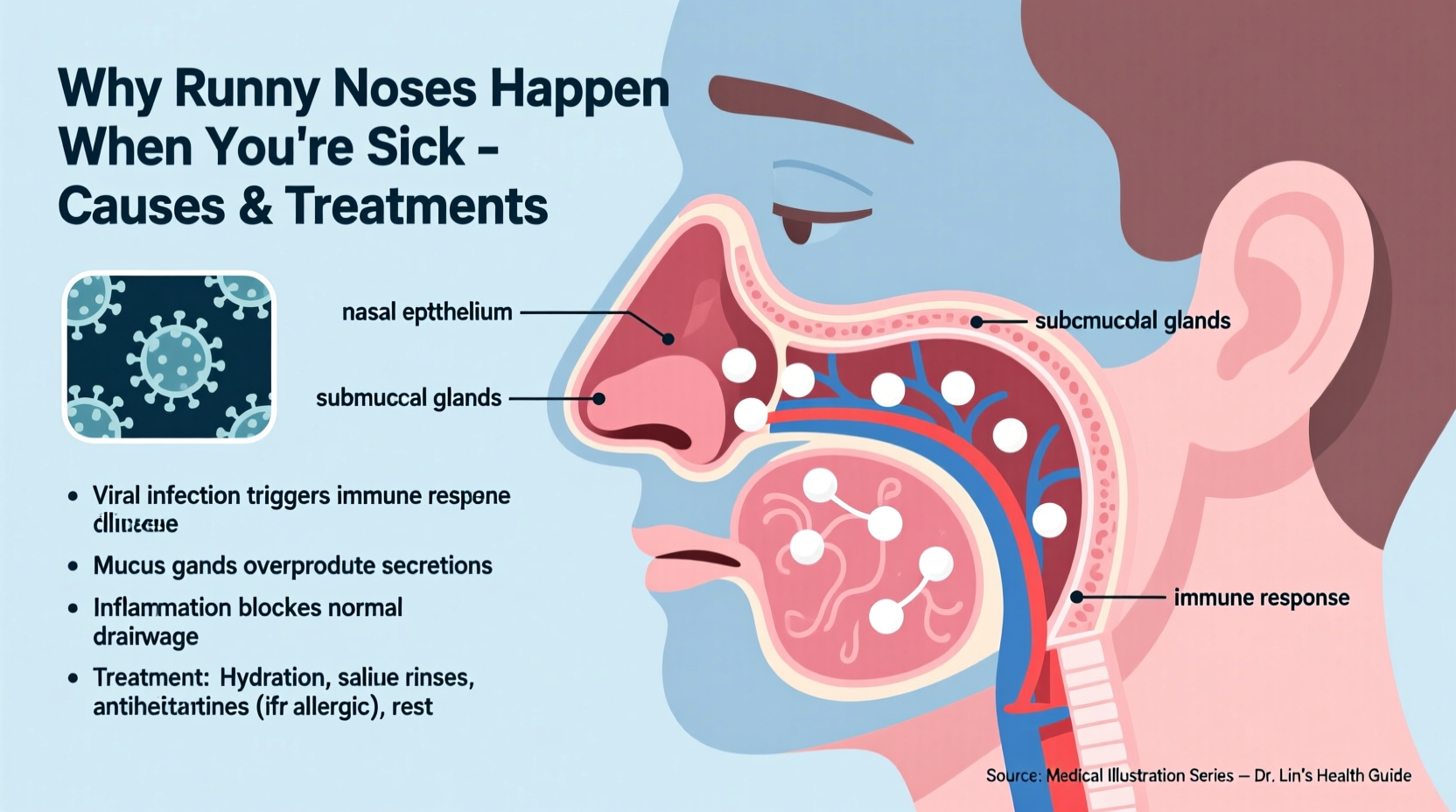
Your body produces mucus every day—about 1 to 1.5 liters—even when you’re healthy. Mucus lines your respiratory tract, trapping dust, bacteria, viruses, and allergens before they reach your lungs. It also keeps nasal passages moist and protected. Under normal conditions, mucus drains down the back of your throat without notice. But when you get sick, mucus production increases dramatically, leading to a runny nose.
During infection, your immune system detects pathogens like rhinoviruses (common cold) or influenza viruses. In response, immune cells release inflammatory chemicals such as histamine, leukotrienes, and cytokines. These signals cause blood vessels in the nasal lining to dilate and become more permeable, allowing immune cells and fluid to flood the area. This process triggers increased mucus secretion from goblet cells and submucosal glands in the nasal mucosa.
“Excess mucus during illness isn’t just a nuisance—it’s part of your body’s defense strategy to flush out invaders.” — Dr. Linda Chen, Otolaryngologist at Harvard Medical School
Common Causes of Runny Nose During Illness
A runny nose—medically known as rhinorrhea—can stem from various underlying conditions. While viral infections are the most frequent culprits, other factors may mimic or worsen symptoms.
- Viral upper respiratory infections: The common cold, flu, and even mild cases of RSV often begin with clear, watery nasal discharge that may thicken over time.
- Allergic rhinitis: Exposure to pollen, pet dander, or dust mites prompts an immune overreaction, releasing histamine and causing sneezing and a runny nose.
- Sinus infections (sinusitis): Bacterial or prolonged viral infections inflame the sinuses, leading to thick yellow or green mucus.
- Non-allergic rhinitis: Irritants like smoke, strong odors, weather changes, or spicy food can trigger nasal drip without infection or allergy.
- Postnasal drip: Excess mucus flows backward into the throat, often causing coughing, especially at night.
How Treatment Varies by Cause
Treating a runny nose effectively depends on identifying its root cause. Using the wrong remedy can prolong symptoms or create side effects. Below is a breakdown of targeted approaches based on diagnosis.
| Cause | Recommended Treatments | Avoid |
|---|---|---|
| Viral Cold | Rest, hydration, saline sprays, humidifiers, decongestants (short-term) | Antibiotics, overuse of nasal sprays |
| Allergies | Antihistamines, nasal corticosteroids, allergen avoidance | Decongestants alone, outdoor activity during high pollen counts |
| Bacterial Sinusitis | Prescribed antibiotics, pain relievers, nasal irrigation | Self-medicating with leftover antibiotics |
| Irritant-Induced Rhinitis | Remove irritant, saline rinses, barrier creams in nostrils | Strong fragrances, cigarette smoke |
Step-by-Step Relief Plan for a Runny Nose
Whether you're dealing with a cold or seasonal allergies, following a structured approach can reduce symptom duration and severity.
- Stay hydrated: Drink water, herbal teas, or broths to thin mucus and ease drainage.
- Use saline nasal spray or rinse: A saltwater solution helps flush irritants and soothe inflamed tissues. Neti pots or squeeze bottles with sterile water work well.
- Run a humidifier: Moist air prevents nasal dryness and reduces irritation, especially in heated indoor environments.
- Elevate your head while sleeping: This minimizes postnasal drip and congestion at night.
- Choose medication wisely: For allergies, opt for non-drowsy antihistamines like loratadine. For colds, short-term use of pseudoephedrine or phenylephrine may help—but avoid extended use to prevent rebound congestion.
- Practice good hygiene: Wash hands frequently to avoid spreading germs and re-infecting yourself.
- Monitor symptoms: Track color, consistency, and duration of mucus. Clear = likely viral or allergic; yellow/green with fever = possible bacterial infection.
Real Example: Managing a Child’s Runny Nose During Cold Season
Six-year-old Maya developed a runny nose after returning to school post-holiday break. Her mother noticed clear, continuous drainage, mild cough, and slight fatigue—but no fever. Assuming a common cold, she avoided medication and instead focused on supportive care: increasing fluids, using a cool-mist humidifier at night, and applying saline drops every few hours. Within three days, drainage decreased significantly. By day six, Maya was back to playing outside. The family later learned two classmates had tested positive for rhinovirus, confirming their initial assessment. This case highlights how proper home care can manage typical viral rhinorrhea without medical intervention.
Prevention and Long-Term Management Tips
While you can’t eliminate all risks of catching a cold or encountering allergens, you can reduce frequency and intensity through proactive habits.
Checklist: Daily Habits to Reduce Runny Nose Episodes- Wash hands regularly, especially after public exposure
- Keep living spaces well-ventilated and clean
- Replace HVAC filters monthly during allergy season
- Shower before bed during high pollen counts to remove allergens from hair and skin
- Use HEPA air purifiers in bedrooms
- Avoid sharing utensils, towels, or cups during cold outbreaks
- Boost immunity with balanced nutrition, sleep, and stress management
“The best way to treat a runny nose is often to support your body’s natural defenses—not suppress them unnecessarily.” — Dr. Raj Patel, Primary Care Physician
Frequently Asked Questions
Is a runny nose contagious?
The runny nose itself isn't contagious, but if it's caused by a virus like the common cold or flu, the person is contagious. The virus spreads through droplets when someone sneezes, coughs, or touches surfaces after wiping their nose.
Does green mucus mean I need antibiotics?
Not necessarily. Mucus often turns yellow or green as white blood cells accumulate during the immune response. This is common in viral infections and doesn’t automatically indicate a bacterial infection. Antibiotics should only be used if a doctor confirms bacterial sinusitis based on symptoms lasting over 10 days, worsening after improvement, or presence of high fever and facial pain.
Can dehydration make a runny nose worse?
Yes. Dehydration thickens mucus, making it harder to drain and increasing postnasal drip and throat irritation. Staying well-hydrated helps keep secretions thin and promotes easier clearance.
Conclusion: Take Control of Your Nasal Health
A runny nose is more than just an inconvenience—it’s a signal from your body responding to threats. By understanding the causes and matching treatments appropriately, you can shorten recovery time and prevent complications. Whether it’s a fleeting cold or chronic allergies, informed self-care makes all the difference. Don’t ignore persistent symptoms, and never self-prescribe antibiotics. Instead, empower yourself with knowledge, practice prevention, and seek professional advice when needed.
💬 Have a tip that helped you beat a stubborn runny nose? Share your experience in the comments below and help others breathe easier!








