Semen color can vary from white to slightly gray or even yellowish, and occasional changes are often normal. However, a persistent yellow tint may raise concerns about underlying health conditions. Understanding the reasons behind discolored semen, knowing when it's harmless, and recognizing when to consult a healthcare provider are essential for maintaining reproductive and overall health.
While many men feel uncomfortable discussing this topic, it’s more common than most realize. Semen color reflects what’s happening inside the body — hydration levels, sexual activity frequency, infections, or systemic illnesses. This article explores the science behind yellow semen, outlines potential causes, explains treatment pathways, and highlights red flags that require prompt medical evaluation.
What Normal Semen Looks Like
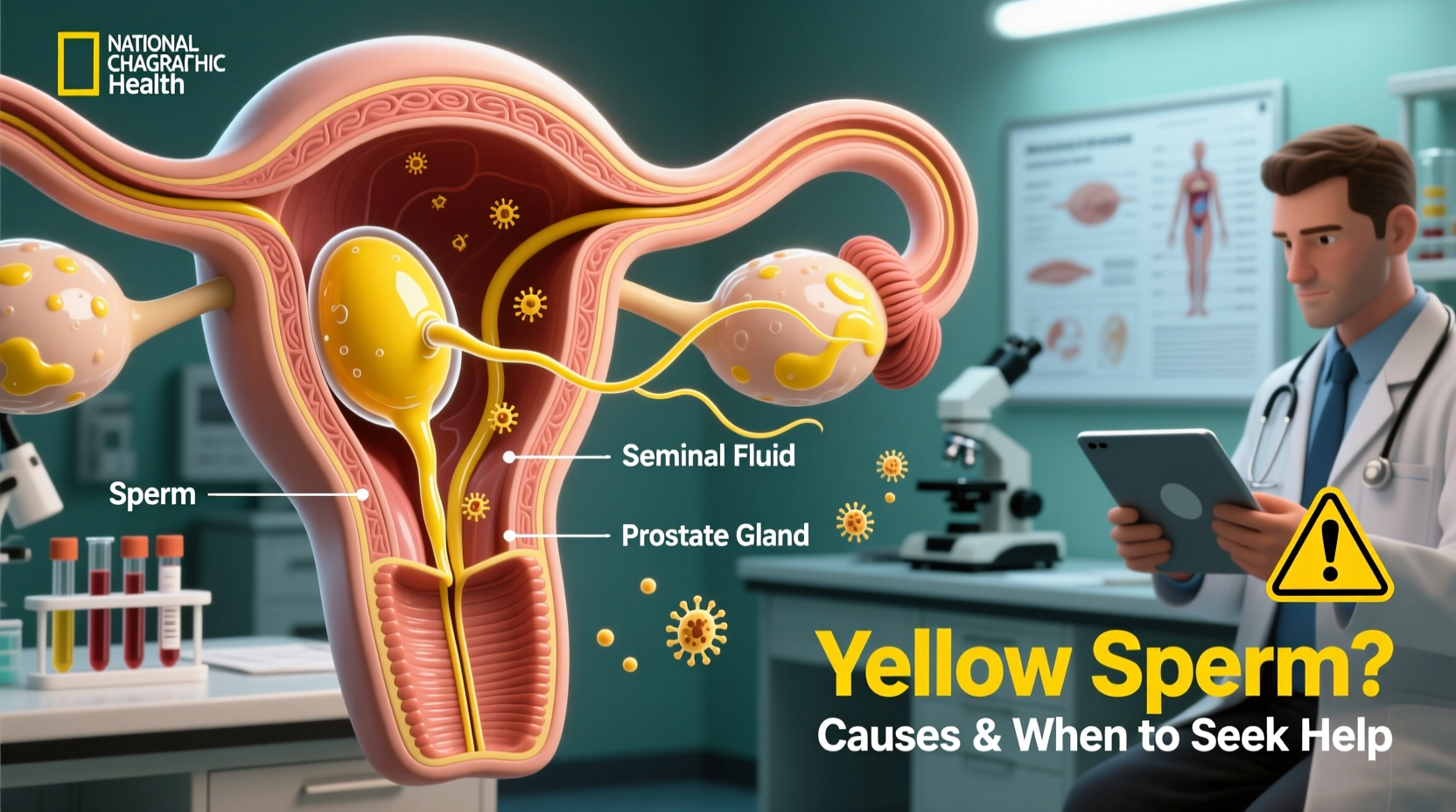
Freshly ejaculated semen typically appears milky white or gray with a jelly-like consistency. It may have a faint chlorine or bleach-like odor due to its alkaline nature, which helps neutralize vaginal acidity. Over time, it liquefies within 15–30 minutes.
Minor variations in color are usually not concerning. For example:
- Creamy or pale yellow: Often seen after prolonged abstinence.
- Translucent or watery: May indicate low sperm count or frequent ejaculation.
- Brown or reddish: Could suggest blood in semen (hematospermia), often benign but worth checking.
A consistent bright or dark yellow hue, however, warrants closer attention.
Common Causes of Yellow Sperm
Several factors can lead to yellow-tinged semen. Some are lifestyle-related and temporary; others point to medical issues needing intervention.
1. Prolonged Abstinence
One of the most common reasons for yellow semen is infrequent ejaculation. When semen sits in the seminal vesicles for extended periods, it may concentrate and take on a darker hue. This change is typically harmless and resolves after ejaculation resumes regularly.
2. Dietary Influences
Consumption of certain foods and supplements can alter semen color. High intake of sulfur-rich foods (e.g., garlic, onions), B-complex vitamins, or food coloring agents may contribute to a yellow tint. Similarly, heavy use of turmeric or saffron could affect pigmentation.
3. Dehydration
Inadequate fluid intake concentrates bodily fluids, including semen. Dehydrated semen may appear more opaque and yellowish. Increasing water consumption often restores normal appearance.
4. Infections and Inflammation
Yellow or greenish semen can signal infection in the male reproductive tract. Common culprits include:
- Prostatitis: Inflammation of the prostate gland.
- Urethritis: Infection of the urethra, often sexually transmitted (e.g., gonorrhea, chlamydia).
- Epididymitis: Swelling of the epididymis, usually bacterial.
These conditions may also cause pain during urination, swelling in the testicles, or fever.
5. Jaundice or Liver Conditions
Jaundice — caused by excess bilirubin in the blood — leads to yellowing of the skin, eyes, and sometimes bodily fluids. If liver dysfunction is present, this discoloration may extend to semen. Other symptoms include fatigue, abdominal pain, and dark urine.
6. Seminal Vesicle Cysts or Blockages
Rarely, structural abnormalities in the seminal vesicles or ejaculatory ducts can trap old semen, leading to discoloration. These may be associated with fertility issues or discomfort during ejaculation.
Tip: Track changes in semen color alongside other symptoms like pain, fever, or urinary changes. This information helps doctors make an accurate diagnosis.When to Worry: Red Flags That Require Medical Attention
Not all cases of yellow semen require urgent care, but certain signs should prompt immediate consultation with a urologist or primary care provider.
“Any persistent change in semen color lasting more than a few days—especially when paired with pain or systemic symptoms—should be evaluated.” — Dr. Alan Patel, Urologist and Men’s Health Specialist
Seek medical advice if you experience any of the following:
- Thick, pus-like yellow or green discharge
- Pain during urination or ejaculation
- Swelling or tenderness in the scrotum or groin
- Fever or chills
- Blood in semen (red or brown tinge)
- Urinary frequency or urgency
- Unexplained fatigue or jaundice
These symptoms may indicate infection, obstruction, or systemic illness requiring diagnostic testing such as urine analysis, STI screening, ultrasound, or liver function tests.
Treatment Options Based on Cause
Effective treatment depends on identifying the root cause. Below is a step-by-step guide based on likely diagnoses.
Step-by-Step Guide to Diagnosis and Treatment
- Observe and Document: Note how long the yellow color has persisted, frequency of ejaculation, diet, and any accompanying symptoms.
- Increase Hydration: Drink at least 8–10 glasses of water daily for 3–5 days to rule out dehydration.
- Resume Regular Ejaculation: If abstinent for weeks, ejaculate every 2–3 days to flush out older semen.
- Visit a Healthcare Provider: If no improvement, schedule an appointment with a urologist or general practitioner.
- Undergo Testing: Expect possible tests including:
- Urinalysis and urine culture
- Semen analysis
- STI panel (for chlamydia, gonorrhea, HIV, etc.)
- Liver function tests
- Scrotal or transrectal ultrasound (if blockage suspected)
- Begin Targeted Treatment: Based on results:
- Antibiotics for bacterial infections (e.g., doxycycline, ciprofloxacin)
- Anti-inflammatory meds for non-bacterial prostatitis
- Lifestyle adjustments for diet or dehydration
- Referral to hepatologist if liver disease is detected
Do’s and Don’ts: Quick Reference Table
| Do’s | Don’ts |
|---|---|
| Stay well-hydrated | Ignore persistent yellow semen with pain |
| Maintain regular sexual activity or masturbation | Self-medicate with antibiotics |
| Eat a balanced diet rich in antioxidants | Use unverified supplements claiming to “clean” semen |
| Get tested for STIs if sexually active with new partners | Delay seeing a doctor if you have fever or swelling |
| Follow prescribed treatment fully | Assume it’s always harmless without evaluation |
Real Example: A Case of Misdiagnosed Prostatitis
James, a 34-year-old office worker, noticed his semen had turned yellow over two months. He initially dismissed it, assuming it was due to stress and infrequent sex. But he began experiencing mild burning during urination and lower back discomfort.
After visiting his GP, a urine test revealed elevated white blood cells. A subsequent STI screen was negative, but a digital rectal exam indicated prostate tenderness. He was diagnosed with chronic bacterial prostatitis.
After a six-week course of antibiotics and pelvic floor therapy, his symptoms resolved, and semen returned to a normal white-gray color. James later shared: “I waited too long because I felt embarrassed. But getting checked early would’ve saved me months of discomfort.”
FAQ: Frequently Asked Questions
Can yellow sperm affect fertility?
Occasional yellow tint due to abstinence or diet does not impact fertility. However, if caused by infection, inflammation, or blockage, it may impair sperm quality or transport. Treating the underlying condition often restores fertility potential.
Is yellow semen always a sign of infection?
No. While infections can cause yellow or green semen, other benign causes like dehydration, diet, or prolonged abstinence are common. Context matters — look for additional symptoms before jumping to conclusions.
How long does it take for semen color to return to normal?
If due to dehydration or abstinence, color may normalize within a few days of rehydration or regular ejaculation. With infections, improvement typically follows successful treatment — usually 1–4 weeks after starting antibiotics.
Tip: Avoid alcohol and spicy foods if you suspect prostatitis — they can worsen inflammation and delay recovery.Conclusion: Take Charge of Your Reproductive Health
Noticing a change in semen color can be unsettling, but knowledge empowers action. Most causes of yellow sperm are manageable, especially when addressed early. Don’t let embarrassment prevent you from seeking answers. Routine check-ups, honest communication with healthcare providers, and awareness of your body’s signals are foundational to long-term wellness.
If you’ve observed yellow semen along with pain, fever, or other troubling symptoms, don’t wait. Schedule a medical evaluation today. Your reproductive and overall health depend on timely, informed decisions.
💬 Your experience matters. Have questions or insights about semen health? Share your thoughts below and help reduce stigma around men’s reproductive wellness.








