It’s a familiar scenario for many snake owners: you prepare the usual meal, carefully thaw the rodent, adjust the tongs just right—only for your snake to turn its head, flick its tongue dismissively, or retreat into hiding. While occasional skipped meals can be normal, consistent refusal to eat raises concern. The root cause often lies not in illness, but in stress. Snakes are highly sensitive creatures, and even subtle environmental changes can trigger prolonged fasting. Understanding the hidden stressors affecting your snake is the first step toward restoring healthy feeding behavior.
Understanding Snake Feeding Behavior
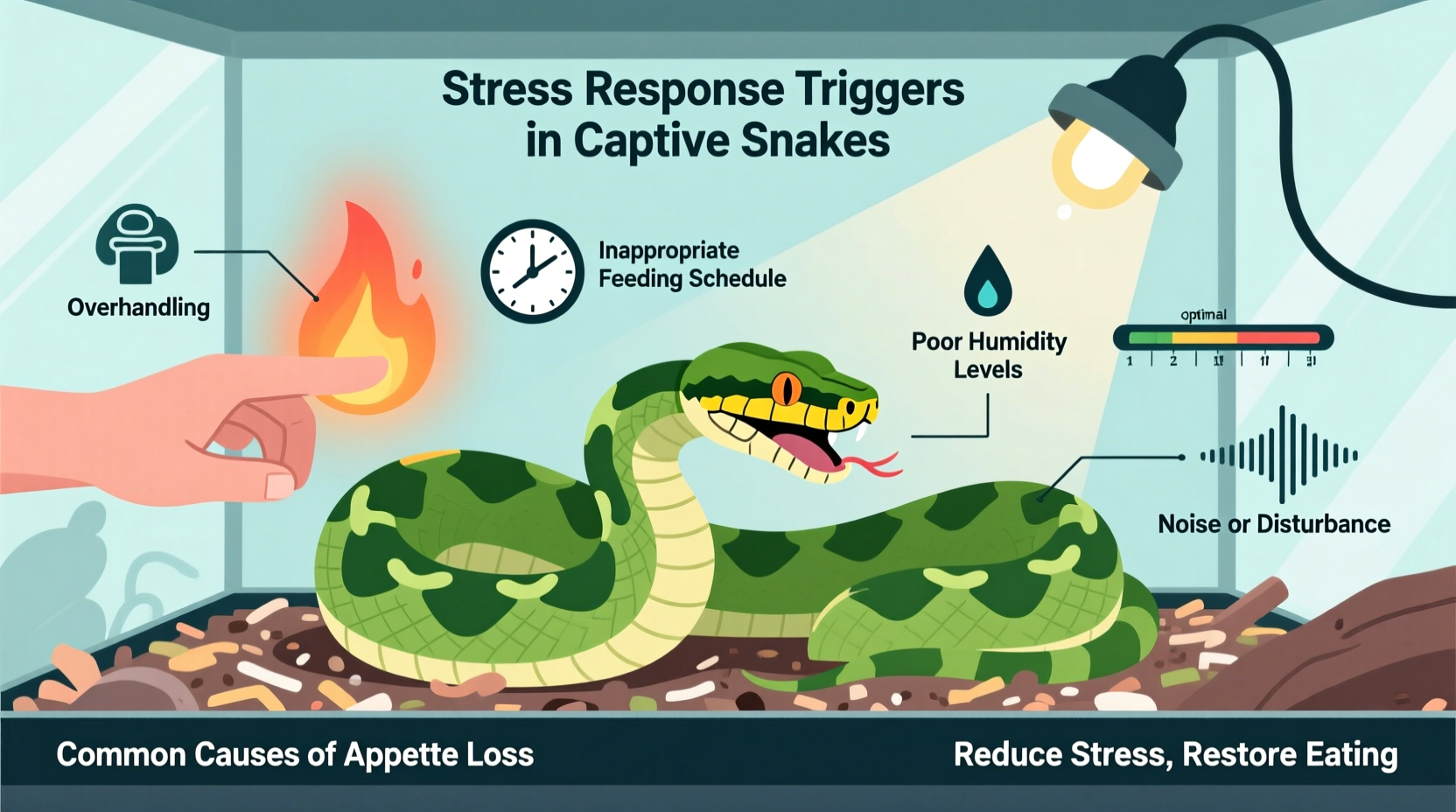
In the wild, snakes do not eat on a daily schedule. Depending on species, size, and prey availability, they may go days or even weeks between meals. Captive snakes often retain this instinct, leading to natural fluctuations in appetite. However, when refusal becomes frequent or lasts longer than expected, it’s time to investigate underlying causes. Unlike mammals, snakes cannot vocalize discomfort, so behavioral cues—especially feeding patterns—are among the most reliable indicators of well-being.
Many new keepers mistake hunger strikes for health emergencies. While medical issues like parasites or respiratory infections can suppress appetite, more often, the culprit is psychological or environmental stress. A stressed snake enters survival mode, prioritizing concealment over feeding. Recognizing the difference between normal intermittent fasting and stress-induced anorexia is essential.
Tip: Juvenile snakes typically eat every 5–7 days; adults every 10–14 days. Slight deviations are normal, especially during shedding or seasonal changes.Common Stress Triggers That Cause Appetite Loss
Snakes rely heavily on their environment to feel secure. Any disruption to their sense of safety can result in feeding refusal. Below are the most prevalent stress factors observed in captive snakes.
1. Improper Enclosure Setup
A poorly designed habitat is one of the top reasons for stress-related anorexia. Snakes require specific temperature gradients, humidity levels, and hiding spaces. If the basking spot is too hot or the cool side too cold, the snake may become thermally stressed, impairing digestion and reducing motivation to eat. Similarly, inadequate humidity can lead to shedding difficulties, which in turn makes the snake reclusive and disinterested in food.
2. Lack of Hiding Spots
Snakes are ambush predators and naturally secretive. Without at least two secure hides—one on the warm side and one on the cool—they feel exposed and vulnerable. A snake without proper cover will spend most of its time in defensive mode, avoiding movement and feeding altogether.
3. Overhandling or Frequent Disturbance
While some snakes tolerate handling better than others, excessive interaction disrupts their routine. Handling shortly before or after feeding attempts can cause regurgitation or long-term food aversion. Even ambient disturbances—such as loud noises, foot traffic, or pets nearby—can elevate stress hormones.
4. Inappropriate Prey Type or Presentation
Some snakes develop strong preferences for certain prey types. Switching from live to frozen-thawed rodents, changing rodent size, or using an unfamiliar scent (e.g., quail vs. mouse) can trigger rejection. Additionally, improper presentation—such as dangling food too aggressively with tongs—can mimic predator behavior, scaring the snake instead of enticing it.
5. Breeding Season and Brumation Cycles
Many colubrids and pythons exhibit seasonal feeding patterns influenced by daylight and temperature. During fall and winter, some snakes naturally reduce or cease feeding in preparation for brumation (a hibernation-like state). Males may also lose interest in food during breeding season due to hormonal shifts and increased activity.
“Stress is the silent killer in snake husbandry. More feeding issues stem from enclosure design and human interaction than disease.” — Dr. Rebecca Tan, Exotic Animal Veterinarian
Do’s and Don’ts When Addressing Feeding Refusal
| Do’s | Don’ts |
|---|---|
| Maintain consistent temperature (85–90°F basking, 75–80°F cool side) | Handle your snake daily during a hunger strike |
| Provide two snug-fitting hides (one warm, one cool) | Force-feed unless advised by a vet |
| Offer food in the evening for nocturnal species | Leave live prey unattended in the enclosure |
| Try scenting prey with lizard or bird feathers if refusing rodents | Feed too frequently—wait at least 7–10 days between attempts |
| Keep a log of feeding dates, weight, and behavior | Introduce multiple changes at once (e.g., new substrate + new food) |
Step-by-Step Guide to Restoring Your Snake’s Appetite
If your snake has stopped eating, follow this structured approach to identify and resolve the issue without causing further stress.
- Assess Environmental Conditions: Check thermostat accuracy with a separate digital thermometer. Ensure humidity is within species-specific range (e.g., 50–60% for corn snakes, 60–80% for ball pythons). Adjust substrate or add a humid hide if needed.
- Evaluate Hiding Options: Confirm there are at least two hides, appropriately sized so the snake must squeeze slightly to enter. Replace flimsy or transparent hides with opaque, secure ones.
- Reduce Human Interaction: Limit handling to once a week or less until feeding resumes. Avoid sudden movements near the enclosure.
- Adjust Feeding Technique: Try feeding at night using tongs or hemostats. Drape the prey over a branch or corner to simulate natural ambush conditions. For picky eaters, try scent transfer (rubbing a lizard-scented cloth on the rodent).
- Consider Prey Variation: Switch between fuzzy, hopper, or adult mice depending on size preference. Some snakes prefer pinkies despite being large enough for bigger prey.
- Monitor Weight and Shedding: Weigh your snake biweekly. A slow, steady decline is concerning; rapid loss warrants veterinary consultation. Note if refusal coincides with shedding—many snakes fast during ecdysis.
- Consult a Specialist if No Progress: If your snake hasn’t eaten in over six weeks (three for juveniles), or shows signs of dehydration, lethargy, or weight loss exceeding 10%, seek help from a reptile-savvy veterinarian.
Real Case Example: Bella the Ball Python
Bella, a 3-year-old female ball python, had been refusing food for eight weeks. Her owner, Mark, had recently moved her enclosure to a busier part of the house near the television. Though temperatures were correct and she had one hide, the new location exposed her to constant vibrations and light changes. After consulting a reptile forum, Mark relocated the tank to a quiet bedroom, added a second hide, and reduced handling. He began feeding her at night using a scent-dipped fuzzy mouse. On the third attempt, Bella struck and consumed the meal. She resumed regular feeding within a month.
This case illustrates how seemingly minor environmental shifts—location, noise, visual exposure—can profoundly affect a snake’s willingness to eat. The solution wasn’t medical intervention, but restoring a sense of security.
When Medical Issues Can’t Be Ruled Out
While stress is the most common cause, persistent anorexia may indicate underlying health problems. Watch for these red flags:
- Regurgitation or vomiting after eating
- Discharge from nose or mouth
- Lethargy or open-mouth breathing
- Visible lumps, swelling, or skin lesions
- Foul-smelling feces or diarrhea
Parasites such as cryptosporidium or nematodes are common in imported snakes and can cause chronic weight loss and appetite suppression. A fecal float test performed by a veterinarian can detect internal parasites. Respiratory infections, often caused by prolonged exposure to low temperatures, also lead to decreased activity and feeding reluctance.
“Always rule out husbandry issues first, but don’t delay diagnostics if weight loss continues. Early detection saves lives.” — Dr. Alan Perez, Reptile Medicine Specialist
Preventative Checklist for Long-Term Success
To minimize future feeding issues, implement this proactive checklist:
- ✅ Maintain stable thermal gradient with reliable heat sources (under-tank heaters, ceramic emitters)
- ✅ Use hygrometers and thermometers—not just controller displays—for accurate monitoring
- ✅ Offer two high-quality hides made of cork, wood, or opaque plastic
- ✅ Feed in a consistent location and time (usually evening for nocturnal species)
- ✅ Keep a detailed journal tracking meals, sheds, weight, and behavior changes
- ✅ Schedule annual wellness exams with a reptile-experienced vet
- ✅ Quarantine new animals for at least 90 days to prevent disease transmission
Frequently Asked Questions
How long can a snake go without eating?
Healthy adult snakes can safely go several weeks to months without food, depending on age, size, and species. Juveniles should not go beyond 2–3 weeks without eating, as they need consistent nutrition for growth. If weight loss exceeds 10% of body mass, veterinary evaluation is recommended.
Should I feed live or frozen-thawed prey?
Frozen-thawed prey is generally safer and more humane. Live prey can injure the snake during failed attacks and increases stress. Most snakes can be trained to accept thawed rodents using proper warming and movement techniques. Only use live feeding under direct supervision and as a last resort.
Can I hand-feed my snake?
Hand-feeding is not recommended due to bite risk and potential association of hands with food, leading to accidental nips during handling. Use feeding tongs or hemostats to present prey safely. Always wash hands before and after handling food items to prevent odor transfer.
Conclusion: Patience and Observation Are Key
A snake refusing to eat is rarely an emergency, but it is a signal worth heeding. More often than not, the answer lies not in medication, but in thoughtful observation and environmental refinement. By addressing stress triggers—improper housing, lack of security, overhandling, or feeding inconsistencies—you create the conditions for natural feeding behavior to return. Remember, snakes thrive on routine and predictability. Your role isn’t to force consumption, but to foster an environment where eating feels safe and instinctual.
💬 Have a snake that overcame a feeding strike? Share your story in the comments—your experience could help another keeper find hope and solutions.








