
Snake plants (Sansevieria) are prized for their resilience, air-purifying qualities, and architectural beauty. They thrive on neglect more than pampering—yet even these hardy houseplants can show signs of distress. One of the most alarming symptoms? Yellowing leaves. While occasional yellowing may not be cause for panic, widespread discoloration often signals a deeper issue—most commonly, root rot caused by overwatering.
Understanding the causes, recognizing early warning signs, and knowing how to intervene can mean the difference between saving your plant and saying goodbye. This guide walks you through the science behind yellowing in snake plants, how to diagnose root rot, and what immediate actions to take for recovery.
Why Snake Plants Turn Yellow: The Root Causes
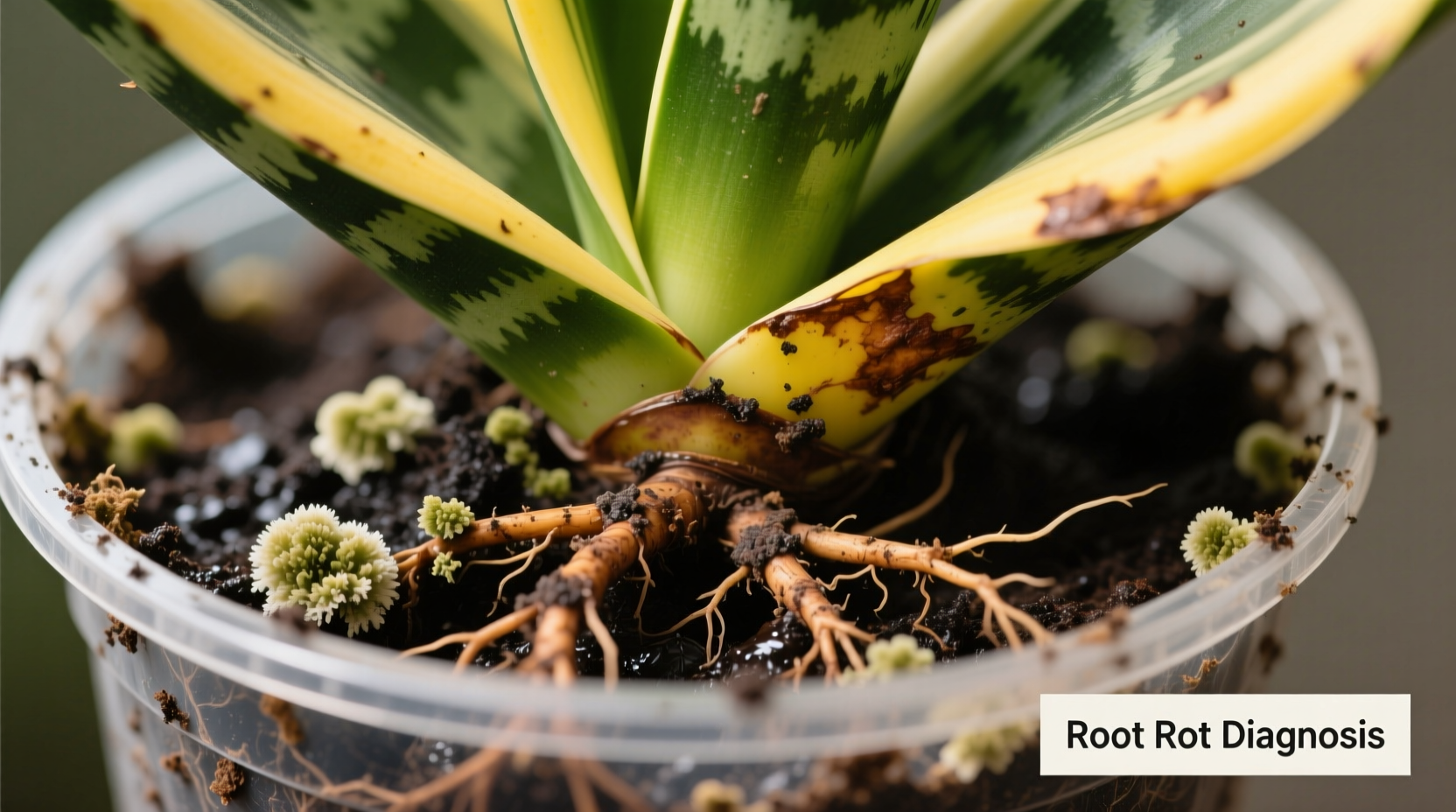
Yellowing in snake plants isn’t random—it’s a physiological response to stress. Unlike leaf drop or browning tips, which might result from low humidity or light fluctuations, yellowing typically points to problems beneath the soil. The primary culprits include:
- Overwatering: The number one cause of yellow leaves. Snake plants store water in their thick rhizomes and foliage. Excess moisture leads to oxygen deprivation in roots, creating an environment where fungi like *Pythium* and *Fusarium* thrive.
- Poor Drainage: Even if watering is infrequent, a pot without drainage holes or dense soil that retains water can suffocate roots.
- Cold Exposure: Temperatures below 50°F (10°C) slow metabolic processes and impair root function, making the plant vulnerable to rot.
- Pot Size & Material: Oversized pots hold excess moisture longer. Plastic containers retain more water than terracotta, increasing risk.
- Root-Bound Stress: Ironically, being too root-bound can also trigger yellowing due to nutrient depletion and restricted water uptake.
While pests like spider mites or mealybugs can weaken a plant, they rarely cause full leaf yellowing. If new growth is distorted or webbing appears, consider insect issues—but start with root health first.
Tip: When in doubt about watering, wait. Snake plants prefer drought over drowning. Let the soil dry completely between waterings.How to Diagnose Root Rot in Your Snake Plant
You can't treat what you haven’t confirmed. Visual symptoms above ground give clues, but only inspecting the roots provides definitive diagnosis.
Early signs of trouble include:
- One or more lower leaves turning soft and yellow at the base
- Mushy texture when gently squeezed
- Leaves collapsing outward instead of standing upright
- A musty or sour odor from the soil
- Soil that stays wet for over a week after watering
To confirm root rot:
- Remove the plant from its pot carefully.
- Shake off excess soil to expose the root system.
- Inspect the roots: Healthy roots are firm and white or light tan. Rotten roots are dark brown or black, slimy, and break apart easily.
- Check the rhizome (underground stem): If it’s mushy or oozes liquid, rot has advanced.
If less than 30% of the root mass is affected, recovery is likely. If over half is compromised, survival depends on swift action and remaining healthy tissue.
“With succulents like snake plants, overwatering is far deadlier than underwatering. Their evolutionary adaptation to arid climates means they expect dry spells.” — Dr. Linda Chen, Botanist & Indoor Plant Specialist
Step-by-Step Guide to Treating Root Rot
Once diagnosed, act quickly. Root rot spreads fast, especially in warm, humid conditions. Follow this timeline for best results:
Day 1: Removal and Cleaning
- Unpot the plant and gently remove all soil.
- Using sterilized scissors or shears (wipe with rubbing alcohol), cut away all soft, discolored roots and any mushy rhizome sections.
- Trim yellowing leaves at the base—they won’t recover and may drain energy.
- Rinse healthy roots under lukewarm water to remove fungal spores.
Day 2: Drying and Treatment
- Lay the plant on a clean towel in indirect light for 24–48 hours to allow cut surfaces to callous.
- Dust exposed areas with powdered sulfur or cinnamon (a natural antifungal).
- Optional: Soak roots in a hydrogen peroxide solution (1 part 3% H₂O₂ to 3 parts water) for 10 minutes to kill lingering pathogens.
Day 3–4: Repotting
- Choose a slightly smaller pot (only 1–2 inches wider than the root ball) with drainage holes.
- Use a gritty, well-draining mix: combine 2 parts cactus/succulent soil with 1 part perlite and 1 part coarse sand or pumice.
- Plant at the same depth as before. Do not bury the crown.
- Do not water immediately. Wait 5–7 days to let roots heal.
Weeks 2–6: Monitoring and Recovery
- Water sparingly—only when the top 2 inches of soil are dry.
- Place in bright, indirect light. Avoid direct sun, which stresses recovering plants.
- Watch for new growth—a sign recovery is underway.
- Do not fertilize for at least 8 weeks.
Prevention Checklist: Keep Your Snake Plant Healthy Long-Term
After rescuing a plant, preventing recurrence is essential. Use this checklist to maintain optimal conditions:
- ✅ Water only when soil is completely dry—every 2–6 weeks depending on climate.
- ✅ Use pots with drainage holes; avoid saucers that trap water.
- ✅ Choose a fast-draining soil mix specifically for succulents or cacti.
- ✅ Keep temperatures above 55°F (13°C); avoid cold drafts near windows.
- ✅ Rotate the plant monthly for even light exposure.
- ✅ Wipe leaves occasionally with a damp cloth to support photosynthesis.
- ✅ Repot every 2–3 years to refresh soil and check root health.
Do’s and Don’ts of Snake Plant Care
| Do | Don’t |
|---|---|
| Water deeply but infrequently | Water on a schedule regardless of soil moisture |
| Use terracotta pots for better evaporation | Keep in plastic pots without monitoring moisture |
| Provide bright, indirect light | Expose to prolonged direct afternoon sun |
| Allow soil to dry completely between waterings | Let the plant sit in standing water |
| Inspect roots during repotting | Ignore early signs like soft, yellow bases |
Real Example: Saving ‘Sword’, a Struggling Sansevieria
Jamie, a plant owner in Portland, noticed two of her four snake plant leaves turning yellow and soft at the base. She had been watering every 10 days, assuming consistency was key. After reading about overwatering risks, she decided to investigate.
She removed the plant and found dark, mushy roots clinging to a heavy clay-based soil. Following the treatment steps, she trimmed the rot, repotted in a gritty mix, and waited a week before watering. Within three weeks, a new spear emerged from the center. Six weeks later, Sword (as she named it) stood tall with firm green leaves. Jamie now checks soil moisture with a wooden skewer and waters only when it comes out dry.
This case illustrates how even well-intentioned care can backfire—and how timely intervention restores balance.
Frequently Asked Questions
Can a snake plant recover from root rot?
Yes, if some healthy roots remain. Remove all damaged tissue, let the plant dry, and repot in fresh, well-draining soil. Avoid watering immediately. Success depends on early detection and proper aftercare.
Should I cut off yellow leaves on my snake plant?
Yes. Yellow leaves will not turn green again and may harbor disease or drain energy. Cut them at the soil line using sterilized tools to prevent infection spread.
How often should I water a snake plant?
In average home conditions, every 4–6 weeks is sufficient. Always check soil moisture first. During winter, extend intervals—some plants need water only once every 8 weeks.
Conclusion: Act Early, Care Thoughtfully
A yellowing snake plant is not a death sentence—it’s a signal. By understanding the role of water, soil, and root health, you can reverse damage and restore vitality. The key lies in restraint: resist the urge to water too often, resist ignoring early symptoms, and resist using unsuitable pots or soil.
Snake plants reward patience and observation. With the right approach, your plant can not only survive but thrive for years—producing new growth, purifying your air, and standing as a testament to attentive care.
💬 Have a snake plant that bounced back from yellowing? Share your story in the comments—your experience could help another plant lover save theirs.








