
Snake plants (Sansevieria) are among the most resilient houseplants, prized for their upright foliage and air-purifying qualities. Yet even these hardy survivors can show distress—most commonly through yellowing leaves. When a snake plant begins to yellow, it’s not just an aesthetic issue; it’s a warning sign. The cause is often rooted in improper care, especially overwatering. Understanding the underlying reasons and correcting them quickly can mean the difference between revival and loss.
This guide breaks down the primary causes of yellowing in snake plants, focusing on the most frequent culprit: watering errors. You’ll learn how to diagnose the problem, adjust your care routine, and restore your plant to health—before irreversible damage sets in.
Why Snake Plants Turn Yellow: The Root Causes
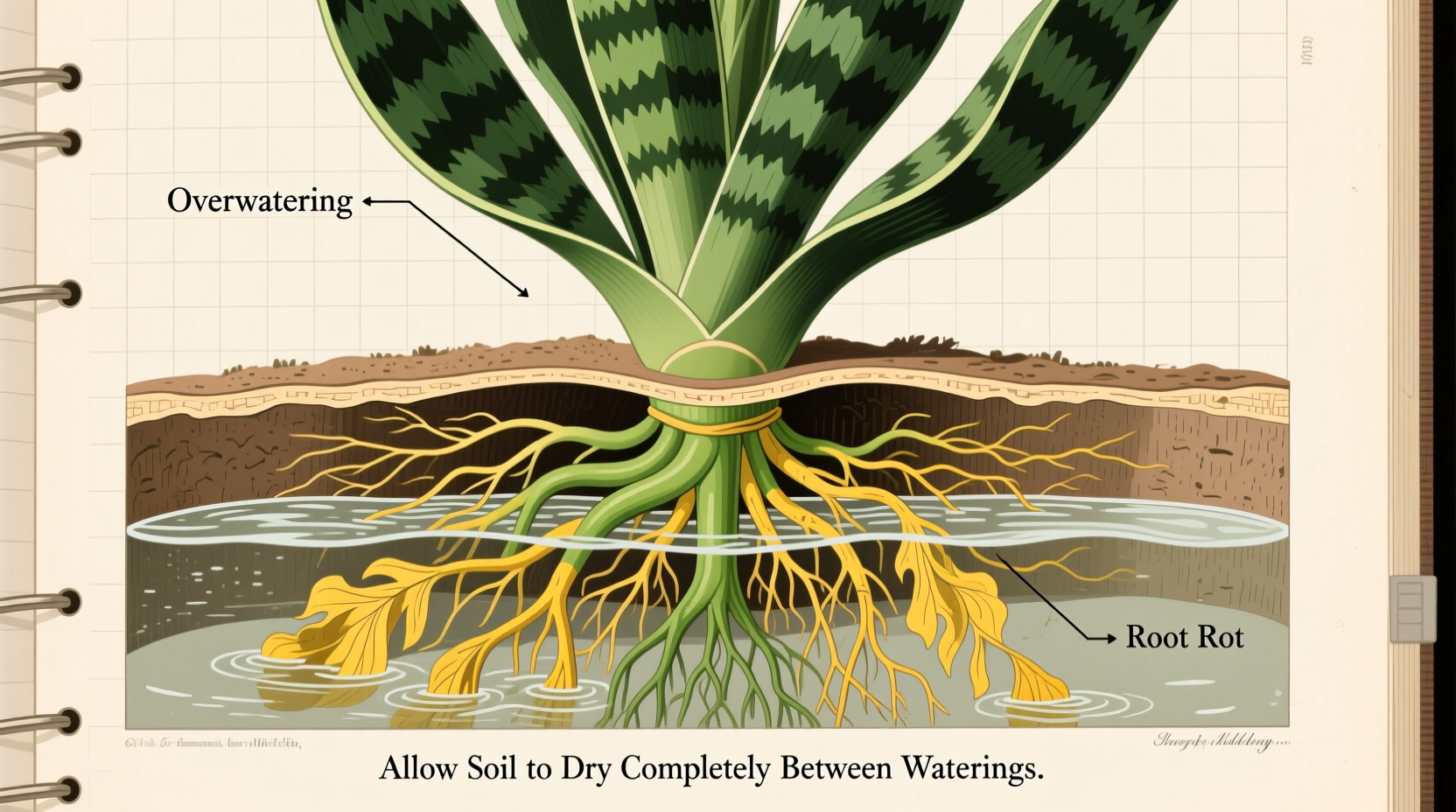
Yellowing in snake plants typically starts at the base of the leaf or along the edges and spreads upward. While several factors contribute, improper watering is responsible for over 70% of cases. Unlike many houseplants that wilt dramatically when thirsty, snake plants tolerate drought so well that owners often misinterpret their silence as a need for more water.
The anatomy of the snake plant explains its vulnerability. Its thick, succulent-like leaves store water, allowing it to survive weeks without irrigation. But this same adaptation makes it highly susceptible to root rot when overwatered. Once roots begin to decay, they can no longer supply nutrients or oxygen, leading to yellow, mushy leaves.
Other contributing factors include:
- Poor drainage in pots or soil
- Low light conditions slowing evaporation
- Cold drafts or temperatures below 50°F (10°C)
- Fungal infections from prolonged moisture
- Excessive fertilizer buildup
While pests like spider mites or mealybugs can stress a plant, they rarely cause widespread yellowing. More often, they exploit a plant already weakened by poor watering habits.
Tip: Always check the soil moisture at least 2 inches deep before watering. If it’s damp, wait another few days.Common Watering Mistakes and How to Avoid Them
Even experienced plant owners fall into predictable traps when caring for snake plants. These mistakes are easy to make because they stem from good intentions—wanting to nurture the plant—but result in harm due to mismatched expectations.
1. Overwatering: The Silent Killer
Overwatering is the top reason snake plants turn yellow. Many people water on a schedule rather than according to need. In cooler months, a snake plant may only require water every 4–6 weeks. Watering weekly or biweekly, especially in low-light indoor environments, drowns the roots.
2. Using Pots Without Drainage Holes
A decorative pot without drainage traps excess water at the bottom, creating a swamp-like environment. Even if you water sparingly, the lack of escape routes for water leads to saturation.
3. Ignoring Soil Composition
Standard potting soil retains too much moisture for snake plants. They thrive in fast-draining mixes that mimic desert conditions. Garden soil or peat-heavy blends hold water far longer than the roots can tolerate.
4. Misjudging Light Conditions
Lower light slows transpiration and soil drying. A plant near a north-facing window may take twice as long to dry out compared to one in bright indirect light. Failing to adjust watering frequency accordingly increases rot risk.
5. Top-Watering Excessively
Pouring water directly onto the crown or center of the plant can trap moisture where leaves meet the stem. This area stays wet, inviting fungal growth and rot. Always water at the soil level, around the edge of the pot.
“Snake plants don’t die from neglect—they die from too much love.” — Dr. Linda Foster, Botanist & Houseplant Specialist
Step-by-Step Guide to Saving a Yellowing Snake Plant
If your snake plant shows early signs of yellowing but the leaves aren’t mushy or foul-smelling, recovery is possible. Follow this timeline to assess, intervene, and rehabilitate your plant.
- Stop watering immediately. Let the soil dry completely. Remove the plant from its saucer or outer pot to prevent standing water.
- Inspect the leaves. Gently press lower leaves. If they feel soft or squishy, rot has likely started. Firm, slightly flexible leaves may still be salvageable.
- Unpot the plant carefully. Loosen the soil and examine the roots. Healthy roots are firm and white or tan. Rotten roots are black, brown, slimy, and may smell sour.
- Trim damaged tissue. Use sterilized scissors to cut away all mushy leaves at the base. For roots, remove any that are decayed, leaving only healthy ones.
- Repot in fresh, well-draining mix. Use a cactus or succulent blend, or make your own with two parts potting soil, one part perlite, and one part coarse sand.
- Choose the right container. Select a pot with drainage holes, ideally one size larger than the root ball. Terracotta is ideal—it wicks moisture and promotes airflow.
- Wait before watering. Allow the plant 5–7 days to heal after repotting. Then give a small amount of water, moistening only the outer edges of the soil.
- Adjust placement. Move the plant to a bright spot with indirect sunlight. Avoid direct afternoon sun, which can scorch leaves.
Monitor the plant closely over the next month. New growth indicates recovery. If additional leaves yellow, reassess light, temperature, and watering habits.
Do’s and Don’ts: Caring for Snake Plants
| Do’s | Don’ts |
|---|---|
| Water only when the soil is completely dry | Water on a fixed schedule regardless of soil moisture |
| Use a fast-draining soil mix with perlite or sand | Plant in standard potting soil or garden dirt |
| Place in bright, indirect light | Keep in dark corners or bathrooms with low light |
| Allow soil to dry between waterings | Let the plant sit in water for hours |
| Rotate the pot occasionally for even growth | Fertilize more than once every 6–8 months |
Real Example: Reviving a Severely Overwatered Snake Plant
Sarah, a plant enthusiast in Chicago, noticed her tall Sansevieria Laurentii developing yellow streaks at the base. She had been watering it every 10 days, assuming consistency was key. After reading about overwatering risks, she stopped irrigation and checked the soil—it was soggy three inches down. She removed the plant and found half its roots were black and mushy.
Following the rescue steps, Sarah trimmed the decayed roots, repotted in a terracotta container with cactus mix, and placed it near an east-facing window. She waited a week before giving a light watering. Within three weeks, no new leaves yellowed. Two months later, a single upright pup emerged from the soil—a sign of recovery. Today, the plant stands strong, with only faint scars from its ordeal.
Her takeaway: “I learned that less really is more. My snake plant doesn’t need attention; it needs space and dry feet.”
Expert Tips for Long-Term Snake Plant Health
Preventing yellowing is easier than reversing it. Incorporate these expert-backed practices into your routine:
- Use the finger test: Insert your index finger 2 inches into the soil. If it comes out clean, it’s time to water.
- Invest in a moisture meter: These inexpensive tools provide accurate readings, eliminating guesswork.
- Flush soil annually: Every spring, run water through the pot until it drains freely. This removes salt and mineral buildup from tap water and fertilizer.
- Avoid leaf shine products: These clog pores and attract dust. Wipe leaves gently with a damp cloth instead.
- Watch for seasonal changes: Growth slows in fall and winter. Adjust watering accordingly—sometimes monthly is enough.
“Snake plants are survivors, but they’re not indestructible. Their resilience is often mistaken for invincibility.” — Carlos Mendez, Urban Horticulturist
Frequently Asked Questions
Can I save a snake plant with mostly yellow leaves?
Yes, if the rhizome (underground stem) and some roots remain firm and white. Cut away all yellow, mushy leaves and follow the repotting steps. Survival depends on having healthy tissue left to regenerate.
How often should I water a snake plant?
There’s no universal answer—it depends on light, temperature, humidity, and pot size. As a rule, wait until the soil is completely dry. In summer, this might take 2–3 weeks; in winter, 5–8 weeks. When in doubt, wait longer.
Is bottom watering better for snake plants?
Bottom watering can help avoid wetting the crown, but only if done correctly. Place the pot in a shallow tray of water for 15–20 minutes, then remove and let excess drain. Never leave it soaking. However, top watering at the soil’s edge is equally effective and simpler.
Final Checklist: Preventing Yellowing in Snake Plants
- Check soil moisture before every watering
- Use a pot with drainage holes
- Choose a fast-draining soil mix (cactus/succulent blend)
- Provide bright, indirect light
- Avoid cold drafts and temperatures below 50°F
- Limit fertilization to once or twice a year
- Inspect regularly for early signs of distress
- Remove yellow or damaged leaves promptly
Conclusion: Act Now to Save Your Snake Plant
A yellowing snake plant is not a lost cause—it’s a call to refine your care approach. By identifying overwatering as the primary threat and adjusting your habits, you can halt decline and encourage recovery. These plants thrive on simplicity: minimal water, plenty of light, and well-draining conditions. They don’t ask for much, but they do demand respect for their natural preferences.
Take action today. Check your plant’s soil, evaluate its pot and location, and commit to a smarter watering rhythm. With patience and attention, your snake plant can regain its vigor and continue purifying your air for years to come.
💬 Have a snake plant success story or a question about yellowing leaves? Share your experience in the comments and help others grow with confidence!








