Snake plants (Sansevieria) are celebrated for their resilience, air-purifying qualities, and architectural beauty. But when the once-crisp green tips begin to yellow, even the most confident plant owner can feel uneasy. While a few yellow tips might seem minor, they often signal underlying stress that, if left unaddressed, can compromise the entire plant. The good news is that yellowing tips are usually reversible with the right diagnosis and adjustments. This guide dives deep into the most common causes—from watering habits to environmental shifts—and offers practical solutions to restore your snake plant’s vitality.
Understanding Snake Plant Physiology
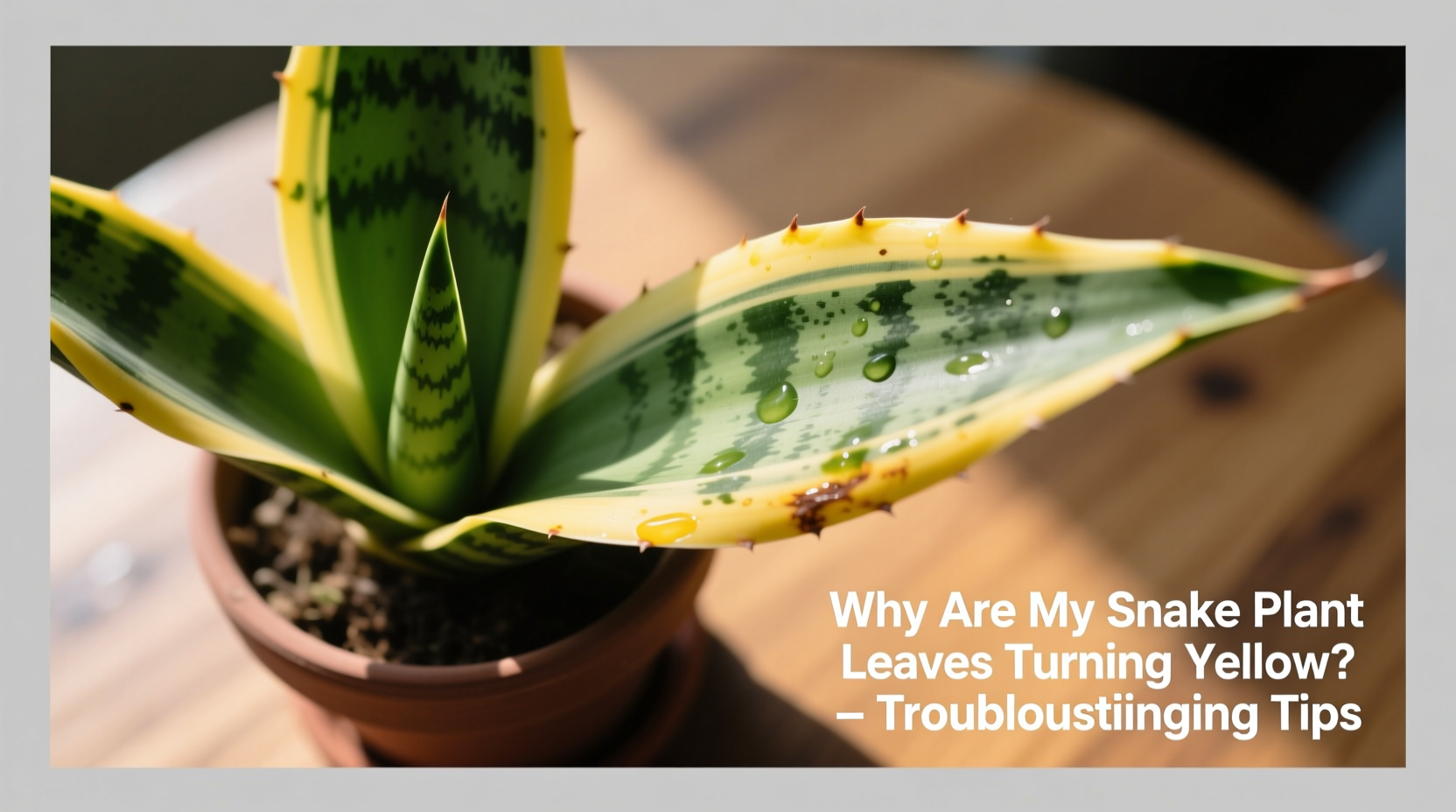
Before troubleshooting, it helps to understand what makes snake plants unique. Native to West Africa, these succulents thrive in arid conditions with infrequent rainfall and bright, indirect light. Their thick, upright leaves store water, allowing them to endure long dry spells. Because of this adaptation, they’re far more vulnerable to overwatering than underwatering—a fact many well-meaning owners overlook.
Yellowing at the leaf tips is typically the first visible sign of stress. Unlike browning—which may indicate drying or scorching—yellowing suggests internal imbalance. It could be due to moisture issues, nutrient toxicity, root congestion, or environmental shock. Identifying the cause requires observing not just the leaves, but also soil condition, pot size, and recent changes in care routine.
“Plants don’t lie. Yellow tips on a snake plant are a clear message: something in its environment isn’t working.” — Dr. Linda Perez, Botanist & Indoor Plant Specialist
Top 5 Causes of Yellow Tips and How to Fix Them
1. Overwatering or Poor Drainage
The leading cause of yellowing tips in snake plants is excess moisture. These plants absorb water slowly, and soggy soil leads to root rot, which prevents proper nutrient uptake. When roots begin to decay, the plant cannot support healthy foliage, and the stress appears first at the tips.
Tip: Always check the soil depth before watering. If the top 2–3 inches are still damp, wait another few days.Symptoms include soft, mushy bases, darkened lower leaves, and a musty smell from the soil. To correct:
- Stop watering immediately.
- Remove the plant from its pot and inspect roots for black, slimy sections.
- Trim affected roots with sterile shears.
- Repot in fresh, well-draining soil (a cactus or succulent mix works best).
- Ensure the new pot has drainage holes.
2. Underwatering and Dehydration
While less common, prolonged drought can also cause yellow tips. As stored moisture depletes, older leaves begin to break down from the extremities inward. Unlike overwatering, the leaves will feel dry and papery rather than soft.
This issue often occurs when snake plants are placed in overly warm or drafty areas, accelerating moisture loss. To remedy:
- Water thoroughly until liquid drains from the bottom.
- Allow excess water to escape—never let the pot sit in standing water.
- Resume a consistent schedule: every 2–6 weeks, depending on climate and season.
3. Fluoride or Chlorine Sensitivity
Snake plants are sensitive to chemicals commonly found in tap water, particularly fluoride and chlorine. These accumulate in the soil over time and are drawn into the leaf tissue, causing tip burn that appears as yellowing or browning.
If you notice yellowing primarily on older leaves and use municipal water, this could be the culprit. To reduce chemical exposure:
- Use filtered, distilled, or rainwater.
- Let tap water sit uncovered for 24–48 hours before using—it allows chlorine to evaporate (though not fluoride).
- Flush the soil occasionally with clean water to leach out accumulated salts.
4. Low Humidity and Dry Air
In heated or air-conditioned homes, indoor humidity can drop below 30%, far below the 40–60% ideal for most houseplants. While snake plants tolerate low humidity better than most, extremely dry air can still cause marginal leaf stress, especially in winter.
To improve ambient moisture without misting (which increases fungal risk):
- Group plants together to create a microclimate.
- Use a small humidifier nearby.
- Place the pot on a pebble tray filled with water (ensure the base doesn’t touch the water).
5. Nutrient Imbalance or Fertilizer Burn
Snake plants require minimal feeding. Over-fertilizing, especially with high-nitrogen blends, leads to salt buildup in the soil. This damages roots and manifests as yellow or burnt-looking leaf tips.
Fertilizer should only be applied during active growing months (spring and summer), and never more than once every 2–3 months at half-strength. If you suspect overfeeding:
- Stop fertilizing immediately.
- Leach the soil by slowly pouring three times the pot volume in clean water through the container.
- Repot if symptoms persist after flushing.
Environmental Factors That Contribute to Stress
Beyond direct care, surrounding conditions play a crucial role in plant health. Sudden changes—even seemingly minor ones—can trigger yellowing.
Light Exposure
Snake plants prefer bright, indirect light but can survive in low light. However, too little light slows metabolism and weakens the plant, making it prone to moisture retention and disease. Conversely, direct sunlight, especially through south-facing windows, can scorch leaves, leading to yellowing or bleaching.
Temperature Fluctuations
These plants thrive between 60°F and 80°F (15°C–27°C). Cold drafts from windows or AC units, or proximity to heating vents, can shock the plant. Consistent temperatures are key—avoid placing snake plants near frequently opened doors or radiators.
Pot Size and Root Bound Conditions
While snake plants like to be slightly root-bound, severely cramped roots restrict water and nutrient flow. If roots are circling tightly or emerging from drainage holes, it’s time to repot—only one size up, as oversized pots retain too much moisture.
| Factor | Optimal Condition | Risk of Deviation |
|---|---|---|
| Watering Frequency | Every 2–6 weeks | Root rot (over), dehydration (under) |
| Soil Type | Cactus/succulent mix | Poor drainage → root suffocation |
| Light | Bright, indirect | Scorching (direct sun), weakness (low light) |
| Fertilization | Half-strength, quarterly in growing season | Salt buildup, leaf burn |
| Humidity | 40–60% | Dry tips in low humidity |
Troubleshooting Checklist: Step-by-Step Diagnosis
Follow this systematic approach to identify and resolve the cause of yellow tips:
- Inspect the leaves: Are tips soft or dry? Soft = overwatering; dry = underwatering or low humidity.
- Check the soil: Stick your finger 2 inches down. Is it wet? If yes, suspend watering.
- Evaluate drainage: Does the pot have holes? Is water pooling beneath?
- Review watering history: Have you watered weekly? That’s likely too often.
- Smell the soil: A sour or musty odor indicates root rot.
- Look at fertilizer use: Did you feed recently? Excess nutrients can burn roots.
- Assess location: Is the plant near a draft, heater, or in direct sun?
- Test water source: Try switching to filtered water for next watering.
- Examine roots (if removing plant): Healthy roots are firm and white; rotted ones are black and mushy.
- Monitor progress: After adjustments, wait 2–3 weeks to assess improvement.
Real Case: Reviving a Neglected Office Snake Plant
Jamie, an office manager in Chicago, noticed several snake plants in the reception area developing yellow tips. Despite bi-weekly watering and fluorescent lighting, the plants looked unhealthy. She consulted a local horticulturist who conducted a site assessment.
The investigation revealed three issues: employees were watering the plants weekly (too frequent), the pots lacked drainage, and the artificial light was insufficient for photosynthesis. Additionally, the building’s HVAC system created dry air in winter.
The solution included repotting into containers with drainage using succulent soil, reducing watering to once every five weeks, installing grow lights on timers, and placing pebble trays nearby. Within two months, new growth emerged, and yellowing stabilized. No further decline occurred.
This case underscores that multiple factors often interact. Addressing only one issue—like changing watering frequency—might not be enough if drainage and environment remain flawed.
Frequently Asked Questions
Can yellow tips turn green again?
No. Once leaf tissue yellows, it cannot revert to green. However, correcting the underlying issue will prevent further damage and encourage healthy new growth.
Should I cut off the yellow tips?
You can trim the affected portions for aesthetics, but only if the rest of the leaf is healthy. Use sterilized scissors and cut at an angle to mimic natural shape. Avoid removing entire leaves unless they’re fully compromised.
Is it normal for older leaves to yellow?
Yes. Snake plants naturally shed older leaves as new ones emerge. If only the lowest 1–2 leaves yellow gradually, this is normal aging. Rapid yellowing across multiple leaves, especially at the tips, signals a problem.
Preventive Care Plan for Long-Term Health
Maintaining a thriving snake plant is less about constant attention and more about consistency. Follow this seasonal care plan to prevent future issues:
- Spring: Begin light fertilizing; check for root binding; increase watering slightly as growth resumes.
- Summer: Ensure plant isn’t in direct sun; monitor soil more closely due to faster evaporation.
- Fall: Reduce watering frequency; stop fertilizing by late October.
- Winter: Water sparingly (every 5–6 weeks); keep away from cold drafts; maintain humidity if heating is active.
Additionally, rotate the pot quarterly for even growth, dust leaves monthly with a damp cloth to support photosynthesis, and inspect regularly for pests like spider mites or mealybugs—though rare, they can exploit weakened plants.
Conclusion: Take Action Before It’s Too Late
A snake plant with yellowing tips isn’t beyond saving—it’s sending a signal. By methodically assessing water, soil, light, and environment, you can reverse the damage and restore its strength. Remember, these plants thrive on neglect, not excessive care. The key is observation, patience, and timely correction.
💬 Have a snake plant that bounced back from yellow tips? Share your story in the comments—your experience could help another plant lover avoid the same mistake.








