Schaffer’s Sansevieria—commonly known as the snake plant—is one of the most resilient houseplants available. With its upright, sword-like leaves and ability to thrive on neglect, it's a favorite among beginners and seasoned plant keepers alike. Yet even this hardy survivor can show signs of distress. One of the most common concerns? Drooping leaves.
If you’ve noticed your once-sturdy snake plant leaning, sagging, or collapsing at the base, it’s sending a message. While snake plants are forgiving, they aren’t immune to improper care. The two primary culprits behind drooping are light and water—specifically, too much or too little of either. Understanding the balance between these elements is key to restoring your plant’s vigor.
Understanding Snake Plant Physiology
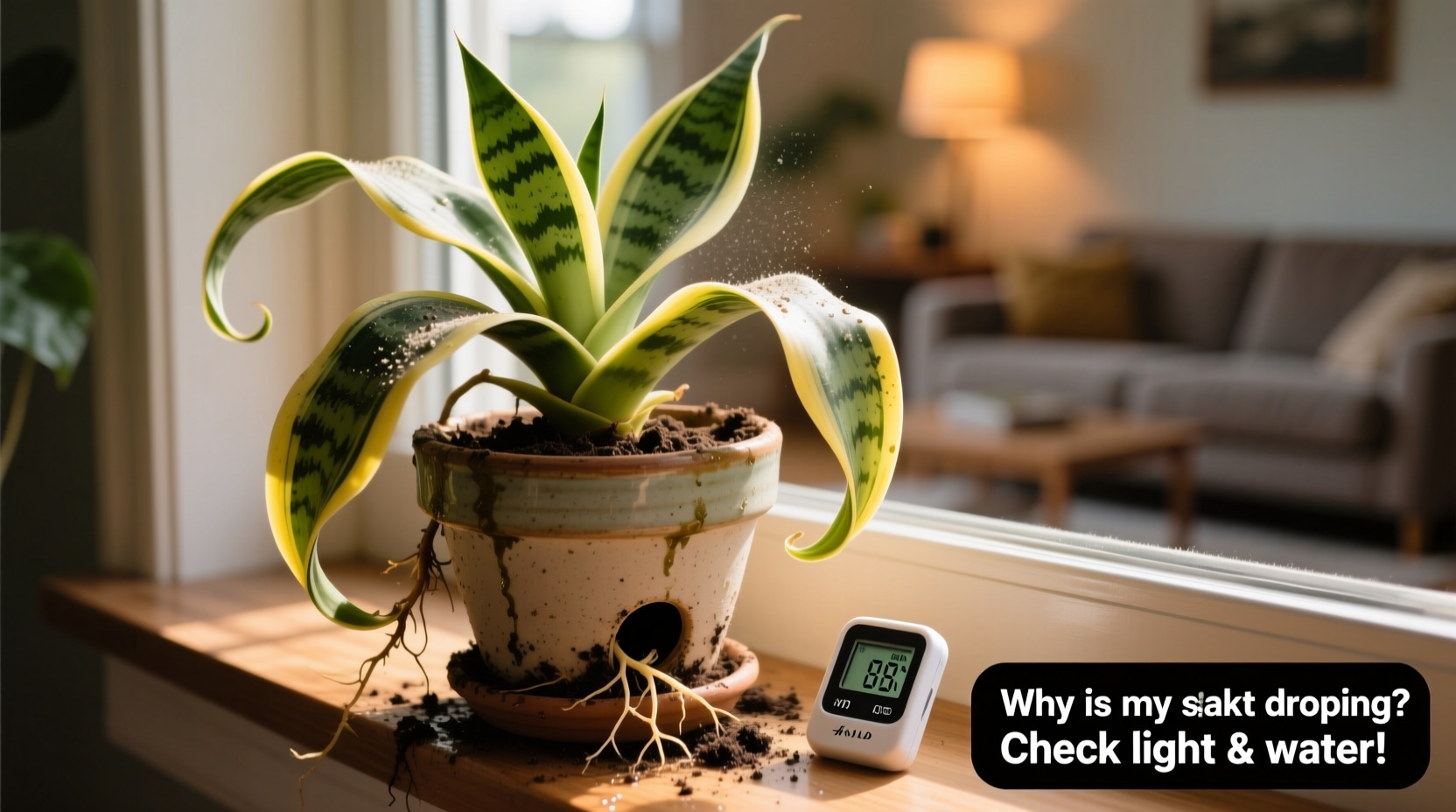
The snake plant stores water in its thick, succulent-like leaves. This adaptation allows it to survive prolonged dry periods, making it drought-tolerant by nature. However, this same feature makes it vulnerable to overwatering. When excess moisture accumulates in the soil, the roots can’t breathe, leading to root rot—a silent killer that often manifests first through drooping foliage.
Light plays an equally critical role. Though snake plants tolerate low light, they still require some access to indirect sunlight to maintain turgor pressure—the internal water pressure that keeps their leaves firm and upright. In dim conditions, photosynthesis slows, energy production drops, and structural integrity weakens over time.
Drooping isn’t always fatal, but it’s a warning sign. Addressing the underlying cause promptly can reverse damage and prevent long-term decline.
Water: Too Much vs. Too Little
Watering mistakes are the most frequent reason snake plants begin to droop. Unlike many houseplants, snake plants don’t follow a weekly schedule. Their needs depend on environment, season, pot type, and soil composition.
Overwatering: The Silent Threat
Overwatering is far more dangerous than underwatering for snake plants. When soil remains consistently damp, oxygen is displaced from the root zone. Roots begin to suffocate and decay, losing their ability to absorb nutrients and water. As root function declines, the plant draws from leaf reserves, causing them to soften, yellow, and eventually collapse.
Tip: Always check the soil depth before watering—stick your finger 2 inches down. If it's damp, wait.Signs of overwatering include:
- Leaves feeling mushy or soggy at the base
- Yellowing starting from the lower leaves
- Soil that smells sour or moldy
- Plant wobbling in the pot due to weakened root structure
Underwatering: Less Common, But Possible
While snake plants can endure weeks without water, extreme drought can also lead to drooping. Prolonged dehydration causes cells to lose turgor pressure. Leaves may become thin, wrinkled, or curl inward before bending sideways.
This scenario is less common and usually only occurs if the plant has been neglected for months, especially in warm, dry environments where evaporation is rapid. Unlike overwatering, underwatered plants typically retain firmness in the leaves—they just lack rigidity.
Light: Finding the Sweet Spot
Snake plants are often marketed as “low-light champions,” which is true to an extent. They can survive in offices or corners far from windows. But survival isn’t the same as thriving. Insufficient light leads to etiolation—stretching and weakening of tissue as the plant reaches for any available photons.
In low-light settings, new growth may emerge pale, narrow, and floppy. Existing leaves may gradually lose stiffness and begin to flop outward or lean toward the nearest light source. This is especially noticeable in variegated varieties, which require slightly more light to maintain color and strength.
“Many people assume their snake plant is fine in a dark corner because it hasn’t died. But lack of light slowly degrades cellular structure. It’s like malnutrition—it doesn’t kill quickly, but it weakens over time.” — Dr. Lena Torres, Botanist & Indoor Plant Specialist
On the flip side, direct sunlight—especially harsh afternoon sun—can scorch leaves. Sunburn appears as bleached, crispy patches and can compromise cell walls, leading to localized drooping or collapse in affected areas.
Ideal Light Conditions
- Bright, indirect light (near east or north-facing windows)
- Some morning sun is acceptable (south or west windows with sheer curtains)
- Avoid deep shade or full midday sun
Troubleshooting Checklist: Diagnose the Cause
Before making changes, assess your plant systematically. Use this checklist to identify whether water, light, or another factor is responsible for the drooping.
- Check soil moisture: Insert a wooden skewer or moisture meter 2–3 inches deep. If it comes out wet, overwatering is likely.
- Inspect the roots: Gently remove the plant. Healthy roots are firm and white; rotted ones are brown, black, and mushy.
- Evaluate light levels: Is the plant more than 6 feet from a window? Does it receive no natural daylight?
- Assess recent changes: Have you repotted, moved, or changed watering habits recently?
- Look for pests: Check leaf undersides and soil for mealybugs or spider mites, which can stress the plant.
- Feel the leaves: Mushy = overwatering; thin and papery = underwatering; firm but leaning = light issue.
Step-by-Step Recovery Plan
If your snake plant is drooping, follow this timeline to stabilize and revive it:
- Day 1: Remove from pot and inspect roots. Trim any soft, dark roots with sterilized scissors. Let the plant air-dry for 1–2 days to allow cuts to callous.
- Day 3: Repot in fresh, well-draining mix. Use a cactus/succulent blend with perlite or pumice. Choose a pot with drainage holes—terracotta is ideal for breathability.
- Day 4: Position in bright, indirect light. Place near a window with filtered sunlight. Avoid direct beams.
- Week 2: Hold off on watering. Wait until the soil is completely dry. Then water sparingly—just enough to moisten the bottom third.
- Week 4: Monitor for improvement. New growth should be sturdier. Existing drooping leaves won’t recover fully but shouldn’t worsen.
- Ongoing: Establish a seasonal routine. Water every 3–6 weeks in winter, every 2–4 weeks in summer, depending on conditions.
Do’s and Don’ts: Care Comparison Table
| Category | Do | Don't |
|---|---|---|
| Watering | Water deeply but infrequently; let soil dry completely between sessions | Stick to a fixed schedule regardless of soil moisture |
| Soil | Use fast-draining mix with perlite, sand, or pumice | Use standard potting soil that retains too much moisture |
| Light | Provide bright, indirect light for at least 6–8 hours daily | Keep in windowless rooms or under constant artificial light only |
| Pot | Choose terracotta or unglazed ceramic with drainage holes | Use decorative pots without drainage or glass containers |
| Fertilizing | Apply diluted houseplant fertilizer once in spring and once in early summer | Fertilize monthly or during winter dormancy |
Real Example: A Case of Misplaced Trust
Jamie kept a large cylindrical snake plant in her basement home office for nearly two years. It survived but began to slump dramatically in late fall. She assumed it needed more water since the air was dry from heating. Instead, she made it worse—watering weekly led to saturated soil and mushy bases.
After reading about root rot, she pulled the plant out and found half the roots were blackened. She trimmed the damage, repotted in gritty mix, and moved it to a hallway with natural light from a nearby stairwell window. She stopped watering for three weeks. Within a month, no new leaves drooped, and two fresh shoots emerged upright and firm.
Her mistake wasn’t neglect—it was assuming all plants respond to dry air the same way. Snake plants don’t need humidity; they need dry roots and decent light.
Other Factors That Contribute to Drooping
While water and light dominate the conversation, other variables can play supporting roles:
- Pot size: A pot too large holds excess moisture longer, increasing rot risk. Snake plants prefer being slightly root-bound.
- Temperature stress: Cold drafts or temperatures below 50°F (10°C) can shock the plant, leading to sudden drooping.
- Over-fertilization: Excess salts build up in soil, damaging roots and impairing water uptake.
- Age and natural cycle: Older leaves naturally yellow and collapse after several years. This is normal if only 1–2 leaves are affected annually.
FAQ: Common Questions About Drooping Snake Plants
Can drooping snake plant leaves bounce back?
No. Once a leaf begins to droop significantly, it won’t regain its original stiffness. However, removing severely damaged leaves encourages new, healthy growth. Focus on preventing further damage rather than reversing it.
Should I cut drooping leaves off my snake plant?
If a leaf is mushy, yellowed, or more than 50% compromised, yes—cut it at the soil line with clean scissors. If it’s merely leaning but still firm and green, leave it. It may still photosynthesize and support the plant.
How do I know if my snake plant is getting enough light?
Healthy growth is upright, evenly colored, and emerges close to vertical. If new leaves are narrower, paler, or bend sideways immediately, increase light exposure gradually. Avoid sudden moves to bright sun, which can burn acclimated plants.
Final Steps to Long-Term Success
Reviving a drooping snake plant is less about dramatic interventions and more about consistent, informed care. These plants thrive on predictability: dry soil, decent light, and minimal fuss. Once you align your routine with their natural preferences, drooping becomes rare.
Remember, resilience doesn’t mean invincibility. Even the toughest plants communicate when something’s wrong. Drooping is your cue to pause, assess, and adjust. With the right diagnosis and gentle correction, your snake plant can stand tall again—sometimes within weeks.
🚀 Take action today: Check your snake plant’s soil and light. Share your experience in the comments—what worked for you? Let’s grow stronger plants together.








